Bath
🇬🇧 United Kingdom
The Golden Hour Experience
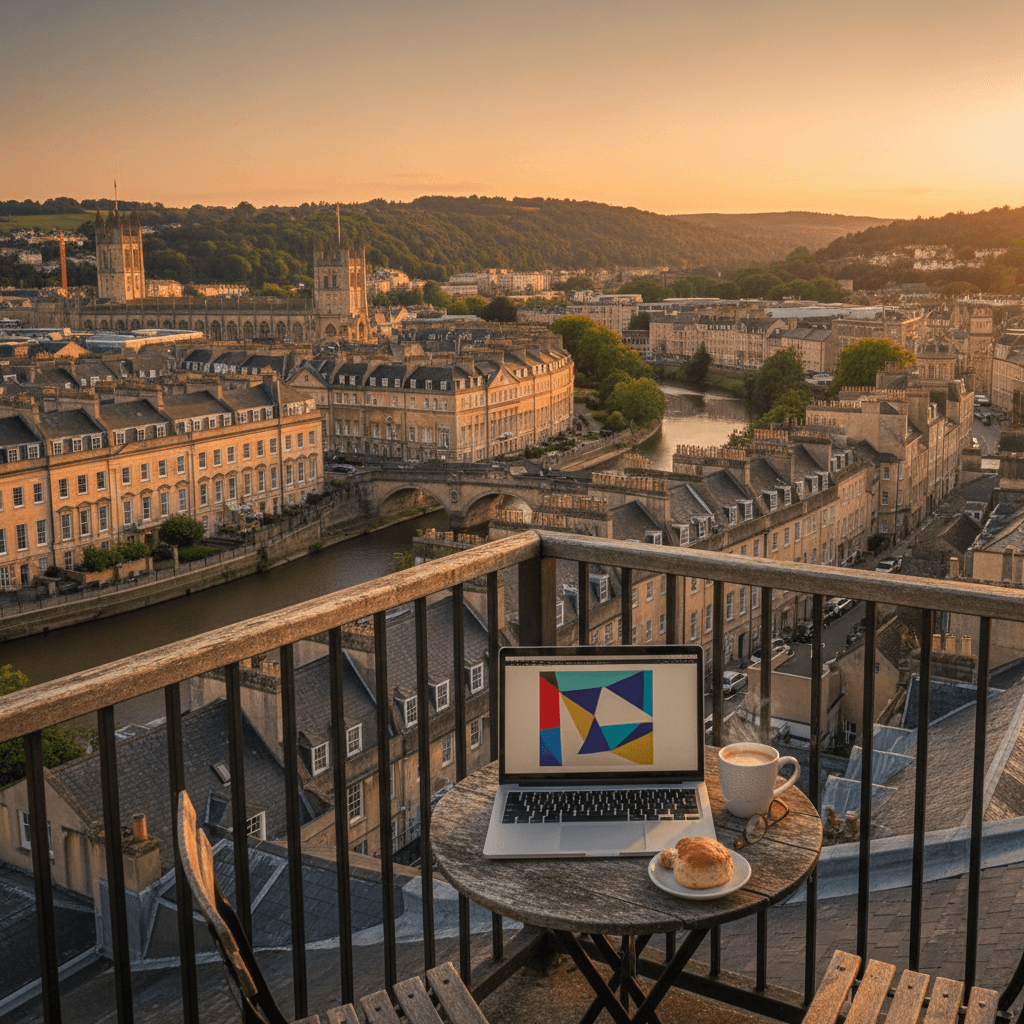
Living in Bath feels like stepping into a period drama with better coffee and faster internet. The city is defined by its honey colored Bath Stone, which glows during the late afternoon, giving the entire place a warm, cinematic quality. It is a UNESCO World Heritage site that manages to feel like a cozy village despite its global reputation. Most nomads find that the city’s compact footprint is its greatest asset; you can walk from a high end grocery store to a 2,000 year old Roman temple in about ten minutes.
The vibe here is refined but increasingly creative. While the city center leans into its Jane Austen heritage and attracts heavy tourist crowds near the Abbey, the northern fringes like Walcot Street offer a bohemian counterculture. It is often compared to London’s Camden but without the grit. You will find artisan leather workers, independent bookshops, and weekend flea markets that keep the city from feeling like a museum piece. Expect a slower pace of life where the "rush hour" is mostly people walking dogs through Royal Victoria Park.
Cost of Living Breakdown
Bath is not a budget destination. It carries a premium price tag because of its proximity to London and its sheer beauty. To live comfortably here, you should plan for the following monthly tiers:
- Budget Tier: £1,500 to £2,000. This usually involves a room in a shared house and sticking to market stalls like the Bath Guildhall Market for meals.
- Mid Range Tier: £2,500 to £3,500. This covers a private one bedroom apartment, regular sessions at local cafes, and a few dinners out at spots like The Raven.
- Comfortable Tier: £4,000+. For those wanting a central studio near the Roman Baths, frequent upscale dining at The Olive Tree, and weekend trips into the Cotswolds.
Rent is your biggest hurdle. A central studio or one bedroom usually runs between £900 and £1,500 per month. If you are willing to commute from the outskirts like Twerton, you can find options for £700 to £1,100. For short term stays, nomads often use platforms like Rightmove or Blueground to find furnished monthly lets.
Where to Set Up Your Base
Each neighborhood has a distinct personality, so where you sleep dictates your social life. Most travelers recommend sticking to the following areas:
Walcot Street (The Artisan Quarter)
This is the heartbeat of Bath’s creative scene. It is perfect for nomads who want to be surrounded by independent cafes and quirky shops.
- Pros: Excellent social vibe, great weekend markets, walkable to everything.
- Cons: Can be noisy on Friday nights; rentals here are in high demand.
City Center
If you want the classic Bath experience with the Abbey as your backdrop, this is it.
- Pros: Stunning architecture, immediate access to all amenities and the train station.
- Cons: Overtourism can make the streets feel claustrophobic during peak season.
Lansdown
An upscale, leafy neighborhood located on the hills overlooking the city.
- Pros: Quiet, safe, and offers the best views in Somerset.
- Cons: Serious hills that will test your fitness; higher price point.
Productivity and Connection
The UK has reliable infrastructure, and Bath is no exception. Most apartments offer broadband speeds between 100 and 900 Mbps. For those who prefer a dedicated desk, Bath Box offers day passes for £25 or monthly memberships for £200. Another popular spot is The Nest, which has a strong community feel and hotdesks for £150 per month.
The cafe culture is welcoming to laptop users, especially along Walcot Street. If you need a local mobile connection, grab an eSIM from EE or Vodafone. You can usually get unlimited data for £10 to £20 per month. Apps like Airalo work well for instant setup the moment you land at Bristol Airport.
The Reality Check
The biggest downside to life in Bath is the weather and the crowds. Between October and March, the rain is persistent, which can make the hilly terrain slippery and the stone buildings feel a bit damp. You will need layers and a solid raincoat. Additionally, the city can feel like a theme park during the summer months and the Christmas Market season. Most seasoned nomads suggest visiting in May or September when the weather is mild but the tourist surge is manageable. Despite the high costs, the safety and the sheer aesthetic inspiration of the city make it a top tier choice for those who value culture over nightlife.
The Price of Georgian Elegance
Living in a UNESCO World Heritage site comes with a price tag to match its limestone facades. Bath is undeniably one of the most expensive corners of the UK outside of London, driven by its status as a premier tourist destination and its popularity with wealthy commuters. You aren't just paying for a roof; you're paying for the ability to walk past Roman ruins on your way to grab a flat white.
Most nomads find they need at least £2,500 to £3,500 per month to live comfortably here. This covers a private one bedroom rental, regular visits to the city's independent cafe scene, and the occasional splurge at a historic gastropub. If you're on a tighter budget, £1,500 to £2,000 is doable if you opt for a shared house and stick to the street food stalls at the local markets.
Monthly Budget Breakdowns
- Budget Nomad: £1,500 to £2,000. Best for those who don't mind house shares in neighborhoods like Twerton and cooking most meals at home.
- Mid-Range: £2,500 to £3,500. Ideal for a solo traveler wanting a private flat, a coworking membership at The Nest, and frequent dinners out on Walcot Street.
- High-End: £4,000+. For those who want a central studio near the Abbey, upscale meals at The Olive Tree, and weekend trips into the Cotswolds.
Housing and Neighborhoods
Rent will be your biggest hurdle. Central apartments are in high demand and short supply, so many expats recommend looking at platforms like Rightmove or Blueground for monthly lets that bypass the standard six month contract. If you want to be where the action is, expect to pay £900 to £1,500 for a studio or one bedroom in the city center.
Walcot Street (The Artisan Quarter)
- Rent: High, expect £1,200+ for decent flats.
- Vibe: Creative and bohemian; think of it as a polished version of London's Camden.
- Pros: Home to the best independent shops, weekend markets, and laptop-friendly cafes.
- Cons: It gets noisy on weekends and the premium for the location is steep.
Twerton and Whiteway
- Rent: More affordable, ranging from £700 to £1,100.
- Vibe: Residential and quiet.
- Pros: You get more space for your money and a break from the tourist crowds.
- Cons: It's a longer trek into the center, though the city is still largely walkable.
Food, Drink, and Connectivity
Eating out in Bath is a treat, but it adds up quickly. A mid-range meal at an independent cafe usually runs between £15 and £25. For a cheaper fix, the local markets offer street food for £5 to £8. If you're heading to a historic spot like the Pump Room for a formal tea, prepare to drop £40 or more.
For work, the city is well-equipped. Coworking spaces like Bath Box offer day passes for £25, while monthly hotdesking at The Nest starts around £150. The internet is generally excellent, with speeds often hitting 900 Mbps. Most locals suggest grabbing an eSIM from EE or Vodafone for about £10 to £20 a month to stay connected while wandering the hilly outskirts.
Transport and Practicalities
You won't need a car here. Bath is famously compact, and you can walk across the entire city center in about 20 minutes. If you do need wheels, a monthly bus pass is £80, or you can grab a Nextbike rental for a small unlock fee plus £0.10 per minute. Just keep in mind that the hills in Lansdown will give your legs a serious workout.
Banking is straightforward for nomads. Many travelers use apps like Starling Bank or Revolut to manage their pounds without the headache of traditional high street bank paperwork. If you're staying long-term, registering with a local GP for healthcare is a smart move, though the Royal United Hospital handles any immediate emergencies through the NHS.
For Nomads and Solo Travelers: Walcot Street
If you want to escape the period drama atmosphere of the center for something a bit more gritty and creative, head to Walcot Street. Often called the Artisan Quarter, this area feels like a miniature version of London's Camden. It is the undisputed hub for people who work from their laptops, thanks to a high density of independent coffee shops that actually welcome your presence for a few hours.
The vibe here is bohemian and eclectic. You'll find flea markets on weekends and a community of local makers that makes it easy to meet people. For a dedicated workspace, The Nest is a popular choice among the remote crowd, offering hotdesks for around £150 per month. If you prefer a more corporate setup with high speed fiber, Bath Box offers day passes for £25.
- The Draw: Best indie cafes, weekend markets, and a younger, creative crowd.
- The Trade off: It can get noisy on Friday and Saturday nights, and boutique prices mean your grocery bill might creep up.
- Monthly Rent: Expect to pay £1,100 to £1,500 for a central studio or one bedroom apartment.
For Expats and History Buffs: The City Center
Living near Bath Abbey or the Roman Baths puts you right in the heart of a UNESCO World Heritage site. Expats often choose this area because everything is reachable within a 10 to 15 minute walk. You won't need a car, and the architectural beauty is unparalleled. It's the best spot if you want the quintessential British experience, complete with afternoon tea at The Pump Room and easy access to the train station for 90 minute trips to London.
The downside is the sheer volume of tourists. During the summer months and the Christmas market season, the streets become incredibly crowded. Many long term residents find the constant foot traffic a bit much. However, if you enjoy being in the middle of the action and having high end dining like The Olive Tree on your doorstep, this is the place to be.
- The Draw: Maximum walkability and iconic Georgian architecture.
- The Trade off: High tourist density and the most expensive rents in the city.
- Monthly Rent: Premium apartments go for £1,500 to £2,000.
For Budget Conscious Travelers: Twerton and Whiteway
Bath is notoriously expensive, but you can find more breathing room in the western suburbs like Twerton. While it lacks the honey colored stone charm of the center, it is where you will find the most affordable housing. It is a more residential, "real world" side of Bath that feels far removed from the Jane Austen gift shops.
Safety is generally good, though some travelers suggest avoiding certain poorly lit areas late at night. The commute into the center is simple; a First Bus pass costs about £80 per month, or you can walk it in about 30 to 40 minutes if you're feeling active. It is a practical choice for those who want to stay in Bath long term without draining their savings.
- The Draw: Significantly lower cost of living and a quieter atmosphere.
- The Trade off: Lacks the historic "wow" factor and requires a bus or long walk to reach the social hubs.
- Monthly Rent: One bedroom flats often range from £700 to £1,100.
For Families and Upscale Professionals: Lansdown
Perched on the hills overlooking the city, Lansdown is the go to for families and those looking for a leafy, prestigious environment. It is home to some of the city's best schools and offers a lot more green space than the cramped city center. The views are spectacular, but you'll pay a premium for them.
The neighborhood is quiet and refined, making it ideal for those who prioritize a high quality of life over nightlife. Be prepared for some serious hill walking if you decide to skip the bus. Most residents here rely on Uber or local taxi apps to get back up the slope after a day in town. It is a sophisticated pocket of the city that feels very secure and established.
- The Draw: Quiet streets, great views, and proximity to top tier schools.
- The Trade off: Very steep hills and limited options for casual, cheap dining.
- Monthly Rent: Expect to pay £1,800+ for family sized homes or high end flats.
Staying Connected in the City of Steam
Bath manages to feel like a period drama set piece while maintaining the digital infrastructure of a modern tech hub. You won't struggle with connectivity here. The UK's broadband network is robust, and in the city center, you'll consistently find speeds ranging from 100 Mbps to 900 Mbps. Most Georgian townhouses converted into rentals have been retrofitted with high speed fiber, though it's always smart to ask your host about the thickness of those historic stone walls; they can be notorious WiFi killers.
For mobile data, don't wait until you're deep in the Somerset countryside to find a signal. Pick up an eSIM from EE or Vodafone for about £10 to £20 a month. EE generally offers the best coverage in the southwest. If you prefer a quick digital setup, the Airalo app works perfectly here. You can also grab physical SIM cards at Bristol Airport or any of the mobile shops along SouthGate Street.
Where to Work: Coworking Spaces
If your rental feels a bit cramped or you just need to escape the tourist crowds near the Roman Baths, the city has a few dedicated spots where the coffee is strong and the chairs are ergonomic. The vibe is professional but relaxed, reflecting the city's academic and creative leanings.
- Spaces Bath Northgate House: A modern and centrally located option for those who need a professional office environment. Day passes typically range from £20 to £40, with monthly memberships starting around £250.
- House of St John’s: Located in a beautifully restored building, this space offers high-end facilities for freelancers and remote workers. Expect to pay between £20 and £40 for a day pass, while monthly desk options generally start at £250 and up.
The Cafe Office Culture
Bath is a city of cafe dwellers. If you're the type who works best with background chatter and the smell of roasting beans, head straight to Walcot Street. This is the local "artisan quarter" and it's far less manic than the area around the Abbey. The independent cafes here are generally laptop friendly, provided you aren't hogging a four person table during the lunch rush.
Nomads often congregate at the indie spots along Walcot or near the Green Park Station markets. While the public WiFi is usually free and stable, it's polite to buy a fresh round of coffee or a pastry every couple of hours. Many of these shops have a "no laptops on weekends" policy to keep the social atmosphere alive, so plan your deep work sessions for Monday through Friday.
Digital Nomad Logistics
Managing your finances while working from a Bath cafe is straightforward. Most nomads use Wise or Revolut to avoid the hefty exchange fees of traditional UK banks. If you're staying for several months, you can often open a local account through the Starling Bank app, which is generally more welcoming to non residents than the big high street banks.
Remember that the UK's standard visitor visa allows you to work remotely for clients based outside the country for up to 6 months. This makes Bath an easy "slow travel" base for those who want to soak in the history without jumping through the hoops of a formal work permit. Just be sure to pack a sturdy umbrella; the only thing that might interrupt your connection is a sudden Somerset downpour sending everyone scurrying for the nearest indoor hotspot.
Staying Safe in the Roman City
Bath is widely considered one of the safest cities in the UK. It has a refined, small town feel where high violent crime is almost unheard of. Most nomads feel perfectly comfortable walking home alone after a late night at The Raven or a session at a coworking space. The city center is well lit and generally feels like a protective bubble compared to larger hubs like Bristol or London.
That said, you shouldn't let the Georgian charm completely lower your guard. Petty theft and pickpocketing can happen, particularly around the Roman Baths and Bath Abbey where tourist crowds are thickest. Keep your laptop bag zipped and close to you when working in busy cafes on Walcot Street. While the outskirts are generally fine, some expats suggest being more alert in certain parts of Twerton or Whiteway late at night, though even these areas are tame by international standards.
Healthcare Infrastructure
If you get sick, you're in good hands. The Royal United Hospital (RUH) is the main NHS facility, providing 24/7 Accident and Emergency services. It’s located just west of the center and is known for high quality care. For minor issues like a stubborn cough or a skin rash, locals head to Boots or Superdrug pharmacies. The pharmacists there are highly trained and can often give you what you need without a doctor's appointment.
For those staying longer than a few weeks, it's wise to register as a temporary patient with a local GP. Private healthcare is also an option if you have premium nomad insurance; Circle Bath offers a more "hotel like" medical experience with shorter wait times. If you have a non life threatening medical question, dial 111 to speak with an advisor. For genuine emergencies, the number is always 999.
- Emergency Services: Dial 999
- Non-Emergency Medical: Dial 111
- Main Hospital: Royal United Hospital (RUH)
- Private Option: Circle Bath
- Common Pharmacy: Boots (multiple central locations)
Insurance and Practicalities
Most nomads arriving on a standard 6 month visitor visa aren't entitled to free non emergency NHS care, so having a solid policy like SafetyWing or World Nomads is a must. You'll be treated in an emergency regardless of your ability to pay, but you might be billed later if you don't have the right coverage.
If you need specific prescriptions, bring a copy of your doctor's note. While the UK has a robust medical system, some medications that are over the counter in the US or Asia require a formal prescription here. Expats often recommend the Starling Bank app or Wise for managing medical payments and insurance reimbursements quickly without getting hit by heavy exchange fees.
Overall, the biggest "danger" you're likely to face in Bath is a slippery cobblestone street after a heavy rain. Pack shoes with good grip and enjoy the peace of mind that comes with living in one of England's most secure urban environments.
The Art of the 20 Minute City
Bath is one of those rare places where your feet are your best asset. The entire historic core is remarkably compact, meaning you can walk from the artisan coffee shops of Walcot Street to the Roman Baths in about 15 minutes. It is a city designed for wandering, though you should prepare for some serious calf workouts if you head north toward Lansdown or south toward Widcombe; the hills here are no joke.
Most nomads find they rarely need a car. In fact, driving in the center is a bit of a headache due to narrow Georgian streets and strict low emission zones. If you are staying for a month or two, stick to the sidewalks. The city is safer than most UK hubs, so walking home after a pint at The Raven is generally stress free, even after dark.
Buses and the First Bus Pass
When the rain inevitably rolls in or you need to haul groceries back to an apartment in Twerton, the bus network is your go to. First Bus operates most routes, and while locals sometimes grumble about punctuality, the coverage is solid. A single fare usually runs around £1.70, but if you are commuting daily, the monthly pass for around £83 is the smarter play.
Download the First Bus app before you arrive. It allows you to track buses in real time and buy digital tickets so you aren't fumbling for change. For those staying in the outskirts like Whiteway, the buses are a lifeline, but keep in mind that service frequency drops off significantly after 11:00 PM.
Cycling and Scooters
Electric scooters are scattered around the city. They are perfect for quick hops between coworking spaces like Bath Box and your flat, but stick to the designated lanes. The local police are famously strict about riding on sidewalks. However, the cobblestones and steep inclines mean you might want to check your fitness levels before attempting a ride up to the Royal Crescent.
Regional Connections and Airport Transfers
Bath is a fantastic base for exploring the wider West Country. The train station, Bath Spa, is right in the heart of town. You can be in Bristol in 15 minutes for a change of pace or reach London Paddington in about 90 minutes. Pro tip: book your train tickets via the Trainline app at least a week in advance to avoid the eye watering "on the day" prices.
- Bristol Airport (BRS): The closest hub, about 45 minutes away. The A4 Air Decker bus runs regularly and costs about £8.
- Ride Hailing: Uber and Bolt both operate here. A trip across town usually costs between £7 and £12 depending on the time of day.
- FlixBus: A budget friendly way to reach other UK cities if you have more time than money; tickets to London can go as low as £5 if you're lucky.
The Nomad Commute
For those working remotely, the "commute" often involves a stroll to a cafe. The independent spots on Walcot Street are very laptop friendly, though they do get crowded on Saturdays. If you need a more professional setup, The Nest offers hotdesking for £150 a month. Most expats recommend living within a 1-mile radius of the city center to truly enjoy the lifestyle without relying on the bus schedule. If you do end up further out in a spot like Combe Down, factor in an extra 20 to 30 minutes for your daily transit.
The Local Lingo
You won't face any linguistic hurdles in Bath. English is the primary language spoken here, and it's delivered with a soft, West Country lilt that's much gentler on the ears than the fast paced chatter of London. While the city feels incredibly posh and refined, the local dialect is approachable. You'll hear it spoken across the board, from the baristas on Walcot Street to the vendors at the Guildhall Market.
Most nomads find the communication style polite and slightly indirect. If someone asks "Are you alright?" they aren't questioning your health; it's just a standard way to say hello. Generally, your biggest challenge will be learning the local shorthand for "thank you."
Essential Slang and Social Cues
To blend in at places like The Raven or the independent cafes in the Artisan Quarter, you'll want to pick up a few Britishisms. Expats recommend mastering these early to avoid looking like a total tourist.
- Cheers: This is the Swiss Army knife of British English. Use it for "thank you," "goodbye," or when clinking glasses.
- Mind the step: You'll see this on signs everywhere in the city's historic Georgian buildings. It just means "watch your feet."
- Fancy a...: If a local asks if you "fancy a coffee," they're inviting you out. It's the standard way to suggest an activity.
- Alright?: As mentioned, this is a greeting. The correct response is usually just "Yeah, you?"
Staying Connected
Communication isn't just about talking; it's about your data speeds. Bath is well equipped for the remote lifestyle, with broadband speeds averaging 100 to 900 Mbps. Most independent cafes on Walcot Street are laptop friendly and offer reliable free WiFi, though they'll expect you to keep the coffee orders flowing if you're taking up a table for four hours.
For your mobile setup, travelers often suggest skipping the physical SIM cards and going digital. It's much faster than hunting down a shop in the city center during a rainstorm.
- eSIMs: Use the Airalo app to get set up before you even land. It's the most frictionless way to handle data.
- Local Providers: If you prefer a local contract, EE and Vodafone offer the best coverage in the hilly Lansdown area. Expect to pay between £10 and £20 per month for unlimited data.
- Physical Stores: You can find major carrier shops right in the city center near the Abbey if you need troubleshooting.
Digital Tools for the City
While English keeps things simple, a few apps will make your life in Bath much easier. Since the city is a UNESCO site with narrow, winding streets, having these on your phone is a lifesaver.
- First Bus App: Essential for tracking the buses to the outskirts like Twerton or checking schedules for the £8-£10 Bristol Airport shuttle.
- Nextbike: The go to app for renting those green pedal bikes you see around town, usually costing £1 to unlock.
- Wise or Revolut: Most locals use contactless payments for everything from a £1.70 bus fare to a £25 meal at a cafe. These apps help you avoid the terrible exchange rates at traditional banks.
- Meetup: Great for finding the local nomad community and expat groups who gather for weekend trips to the Cotswolds.
When it comes to official business, keep it formal. If you're emailing a landlord via Rightmove or messaging a coworking space like Bath Box, a "Dear" and "Kind regards" go a long way. The British appreciate a bit of traditional etiquette in their professional correspondence.
The Seasonal Rhythm
Bath follows the classic British weather pattern: mild, unpredictable, and often draped in a soft grey mist that actually suits the honey colored stone. If you want the best chance of working from a cafe terrace on Walcot Street, aim for May through September. During these months, temperatures usually hover between 18°C and 25°C, making the city's walkability a genuine perk rather than a soggy chore.
The shoulder seasons of late spring and early autumn are the sweet spot for most nomads. You'll avoid the heaviest tourist crowds that swarm the Roman Baths in mid summer, but the days are still long enough to enjoy a post work stroll through Royal Victoria Park. By October, the rain starts to pick up, often sticking around through March with monthly averages hitting 150mm or more. Winters are chilly, usually between 5°C and 10°C, and while snow is rare, the damp cold can feel biting if you aren't layered up.
Best Time for Your Budget
If you're watching your bank balance, avoid December. Between the famous Christmas Market and the general festive allure, central rentals and hotel prices skyrocket. Nomads often find that February and March offer the most leverage for negotiating monthly stays on platforms like Blueground or Rightmove, though you'll need to be okay with spending more time inside the cozy interiors of The Nest or Bath Box coworking spaces.
Expats living in the city recommend the transition into June. The gardens are in full bloom, the outdoor markets are lively, and you beat the peak July price hikes. It's the ideal window to experience the "Camden of Bath" vibe in the Artisan Quarter without paying the absolute premium for short term housing.
What to Pack and Prepare
Living here requires a specific kind of wardrobe. Locals joke that you can experience four seasons in a single afternoon, so high quality layers are your best friend. Even in the height of summer, a light jacket is necessary for the evenings. If you're staying in hilly neighborhoods like Lansdown, sturdy walking shoes are a requirement, not a suggestion. The limestone streets can get surprisingly slick when the inevitable drizzle hits.
- May to June: The "Goldilocks" period. Long days, manageable crowds, and pleasant 20°C afternoons.
- July to August: Peak vibrance but high prices. Expect crowded streets and a premium on central studio apartments.
- November to January: Dark and damp. Great for hunkering down in indie cafes, but outdoor work is off the table.
- March to April: Unpredictable but beautiful as the city turns green again. Keep an umbrella in your laptop bag.
Most travelers agree that while the winter rain can be a drag, the city's architecture looks stunning under a moody sky. Just ensure your accommodation has decent heating, as those historic Georgian buildings can get drafty when the temperature drops below 7°C.
The Bottom Line on Budgets
Living in a UNESCO World Heritage site comes with a price tag to match. While it's cheaper than London, Bath is one of the more expensive corners of the UK. Most digital nomads find they need at least £2,500 to £3,500 per month for a comfortable mid range lifestyle that includes a private one bedroom flat and regular cafe visits.
If you're on a tighter budget, you can squeeze by on £1,500 to £2,000 by choosing shared housing in the outskirts and sticking to the excellent local markets for food. For those who want the full Georgian experience in the city center, expect to shell out £4,000 or more. Rent for a central studio usually lands between £900 and £1,500, while spots in quieter areas like Twerton can drop to around £700.
Where to Set Up Base
Bath is incredibly compact. You can walk across the entire city center in about 20 minutes, so your choice of neighborhood is more about vibe than commute times.
- Walcot Street: Often called the Artisan Quarter, this is the place for anyone who wants a bit of edge. It feels like a miniature version of London's Camden. It's packed with independent shops and weekend markets. It's great for solo travelers, though it gets a bit loud on Friday nights.
- City Center: You'll be living right next to the Abbey and the Roman Baths. It's beautiful and convenient, but the tourist crowds can be relentless during peak season.
- Lansdown: This is the upscale, leafy part of town. It's popular with families and expats who have a higher budget. Just keep in mind it's quite hilly, so you'll get a workout every time you head home.
- Twerton and Whiteway: These are the go to spots for budget nomads. They're quieter and more residential, but you'll likely need to use the bus or a bike to get into the heart of the action.
Connectivity and Workspace
Internet speeds are generally excellent across the city, with broadband often hitting 100 to 900 Mbps. If you prefer the hum of a coffee shop, the independent cafes along Walcot Street are famously laptop friendly. For a more structured environment, you have a couple of solid options.
- Bath Box: A popular choice for a professional setup. A day pass is £25, while a monthly membership runs about £200.
- The Nest: This spot is great for community vibes and offers hotdesking for around £150 per month.
To stay connected on the go, grab an eSIM from EE or Vodafone. You can set this up instantly through the Airalo app for about £10 to £20 a month. For banking, most expats use Wise or Revolut to avoid conversion fees, and you can often open a Starling Bank account through their app even if you aren't a permanent resident yet.
Getting Around and Staying Safe
Forget the car. Bath's streets weren't built for modern traffic, and parking is a nightmare. Walking is the primary mode of transport here. For longer trips, the First Bus network is reliable, with singles costing £1.70 and monthly passes around £80. You can also grab a Nextbike rental for £1 plus a small per minute fee, but be prepared for those Somerset hills.
Safety is rarely an issue. Bath is consistently ranked as one of the safest cities in the UK. Just use common sense in the tourist hubs to avoid petty theft. If you're staying long term, register with a local GP at the Royal United Hospital. For emergencies, the number to dial is 999, or 111 for non urgent medical advice.
The Local Rhythm
The weather is classic England. Summers are lovely, hovering between 18 and 25°C, but the window from October to March is grey and wet. Pack plenty of layers and a solid raincoat. When you're not working, the social scene revolves around the pubs. The Raven is a local favorite for a pint and a pie. If you're looking to meet people, check out the Bath sections of Meetup.com or join the local expat groups on Facebook.
One final tip: the UK visitor visa allows you to work remotely for clients based outside the country for up to 6 months. Just remember to queue politely and always offer to buy a round at the pub if you're out with a group.
Need visa and immigration info for United Kingdom?
🇬🇧 View United Kingdom Country GuideEasy Landing
Settle in, no stress