Baruun-Urt
🇲🇳 Mongolia
Overview & Vibe
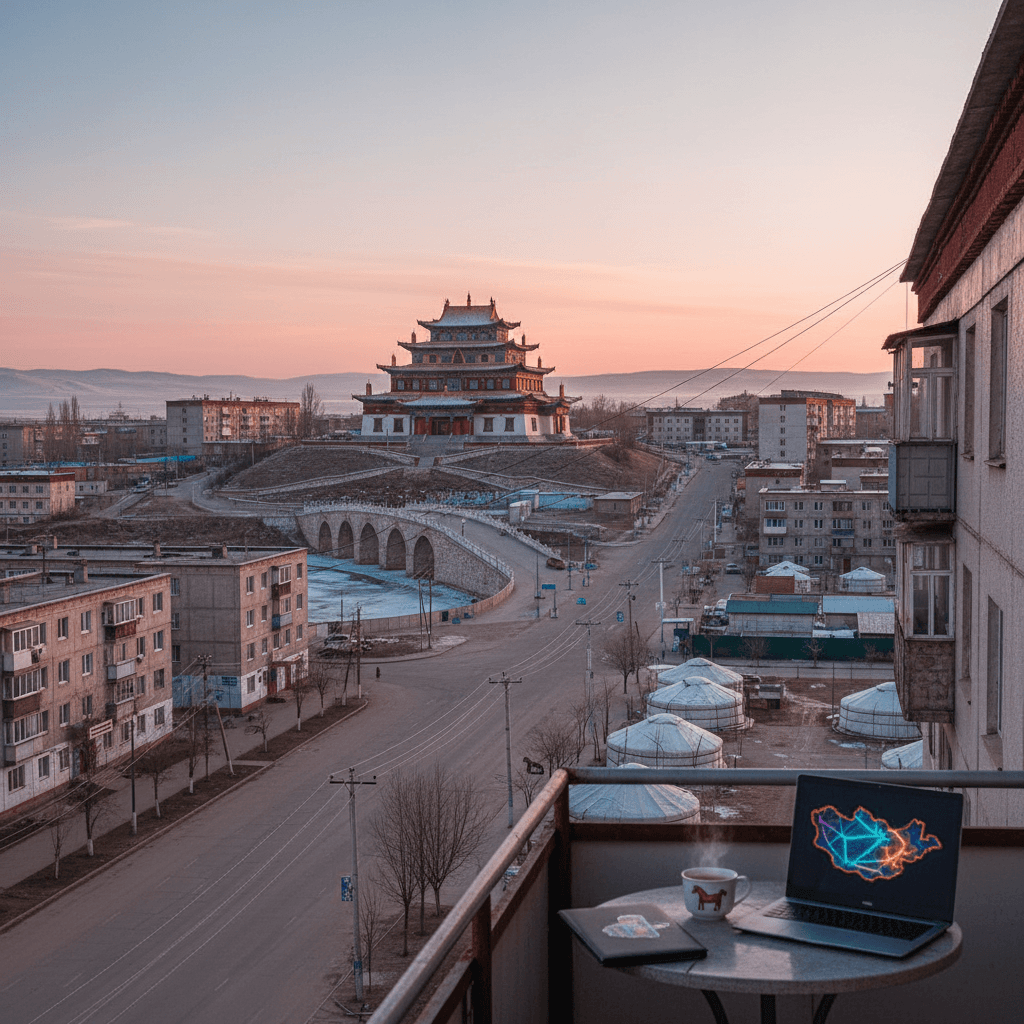
If you're looking for a digital nomad hub with artisanal lattes and high speed fiber optics, Baruun Urt will be a massive reality check. Located in the far reaches of eastern Mongolia, this is a place defined by its isolation and functional simplicity. It isn't a city built for tourism; it is a provincial administrative center designed to service the vast, windswept plains of Sukhbaatar Province. The vibe here is quiet, utilitarian, and deeply authentic to the modern Mongolian steppe experience.
Living here feels like being at the edge of the world. The architecture is a mix of Soviet style apartment blocks and sprawling districts of traditional gers fenced into private lots. You won't find a "nomad scene" here in the digital sense, but you'll be surrounded by the original nomads. Life moves at a pace dictated by the weather and the livestock cycles rather than a 9 to 5 grind. It is a destination for the extreme minimalist or the writer who needs absolute silence and zero distractions.
The Realities of Remote Work
Connectivity is the primary hurdle for anyone trying to work from Baruun Urt. While the town has basic infrastructure, you won't find dedicated coworking spaces or "laptop friendly" cafes. Most travelers and few expats who pass through rely on mobile data hotspots. While 4G exists, it can be spotty, especially during the frequent dust storms or heavy winter snows. You'll want to secure a local SIM card immediately upon arrival in Ulaanbaatar before heading east, as English support for tech issues is nonexistent here.
The climate has been shifting noticeably. Local data shows the mean annual temperature has climbed to 2.7°C in recent years, a significant jump from the historical average of 0.4°C. This warming trend means the spring snowmelt arrives much earlier, often in March, which can turn the unpaved outskirts of town into a muddy challenge. If you're planning a stay, late summer and early autumn provide the most stable weather for keeping your gear dry and your sanity intact.
Cost and Lifestyle
Because there is no established expat market, prices are geared toward locals. While specific 2025 data for rental listings isn't available on international platforms, you can expect costs to be a fraction of what you'd pay in Ulaanbaatar. However, the trade off is the lack of "western" amenities. Shopping is done at local markets and small grocery stores where the selection is heavy on meat, dairy, and flour. Fresh produce can be scarce and expensive due to the remote location.
- Housing: Expect to negotiate directly with locals or stay in basic guesthouses. There are no luxury lofts here.
- Food: Dining out usually means hearty Mongolian fare like buuz (dumplings) or tsuivan (noodles). It is affordable, filling, and very meat centric.
- Transport: The town is compact and mostly walkable, though you'll need a sturdy 4x4 if you plan to explore the surrounding Shiliin Bogd volcano or the sand dunes.
Why Choose Baruun Urt?
The draw of Baruun Urt is the total absence of the "traveler bubble." You are forced to engage with the local culture on its own terms. Most people find the locals to be incredibly hospitable but reserved. You'll need a translation app or a decent grasp of Mongolian to get anything done, as English proficiency is very low among the general population.
It is a place of stark, haunting beauty. The "vibe" is one of resilience. People here live in harmony with a landscape that can be brutal. If you can handle the lack of infrastructure and the social isolation, the reward is a front row seat to the genuine eastern steppe, far away from the curated experiences of more popular provinces. It is a destination for those who want to disappear for a while and see a side of Mongolia that hasn't been polished for Instagram.
The Cost of Authenticity
Living in Baruun-Urt is an exercise in extreme budget minimalism. Because this isn't a destination tailored for digital nomads or the international expat crowd, you won't find the inflated "tourist prices" common in Ulaanbaatar. You're looking at a cost of living that reflects the local reality of a provincial administrative hub. It's incredibly cheap, but that low price tag comes with a trade-off in infrastructure and modern conveniences.
Since there's no formal rental market for serviced apartments or Western-style studios, most long-term visitors negotiate directly with locals or stay in provincial guesthouses. You can expect to pay significantly less than the national average found in the capital. For a basic, functional living space, budgets often hover around $200 to $350 per month, though you'll need to be comfortable with very modest amenities.
Daily Expenses and Food
Your daily spend will mostly go toward food and basic supplies. Street food and local canteens, known as guanz, are the backbone of the dining scene here. These spots serve hearty, meat-heavy Mongolian staples like buuz (steamed dumplings) or khuushuur (fried meat pastries) for just a few dollars. A filling meal rarely exceeds $3 to $5.
- Mid-range meal for two: $12 to $18
- Local beer (0.5L): $1.50 to $2.20
- Loaf of fresh bread: $0.60
- Monthly grocery haul: $150 to $200
Shopping is limited to local markets and small convenience stores. Imported goods are rare and carry a premium because of the logistics involved in trucking them out to eastern Mongolia. If you have specific dietary needs or cravings for international brands, you'll want to stock up in Ulaanbaatar before making the trek east.
Connectivity and Transport
There are no coworking spaces in Baruun-Urt. If you're working remotely, your "office" will be your guesthouse or a local cafe, provided you can find one with a stable plug point. Most nomads rely on mobile data hotspots rather than dedicated fiber lines. A local SIM card with a generous data package is affordable, usually costing around $10 to $15 per month, but speeds can be temperamental, especially during peak hours or bad weather.
Getting around the town itself is mostly free because it's so compact. It's a highly walkable place, though the harsh continental climate might make you rethink a long stroll in the middle of winter. For longer trips or reaching the outskirts, local unofficial taxis are the standard. A quick ride across town usually costs less than $2. There are no ride-hailing apps here; you'll do things the old-fashioned way by waving down a car or asking your host for a contact.
The Hidden Costs
While the baseline expenses are low, you should budget for "comfort" extras. The climate in this part of the steppe is shifting, with mean annual temperatures rising to 2.7°C recently. This means springs are arriving earlier, but the winters remain brutal. You'll spend more on high-quality gear and heating than you might expect. Proper winter clothing and reliable tech equipment are expenses you should handle before arrival, as specialized gear isn't readily available in local shops.
Healthcare is another variable. While there are local clinics for basic issues, any serious medical situation will require a trip back to the capital. Most travelers keep a "contingency fund" of at least $500 specifically for emergency transport or private consultations in Ulaanbaatar.
Monthly Budget Summary
- Total estimated monthly spend: $500 to $750
- Rent (estimate): $250
- Food and Drink: $220
- Transport and Misc: $80
- Mobile Data: $15
Living here is about as "off-grid" as you can get while still having a roof over your head. It’s a place for those who value cultural immersion and the silence of the steppe over high-speed internet and specialty coffee. You won't spend much money, but you'll spend a lot of energy adapting to the local pace.
Need visa and immigration info for Mongolia?
🇲🇳 View Mongolia Country GuideOff the Radar
Pioneer territory