Barranquilla
🇨🇴 Colombia
The Caribbean’s Unfiltered Heart
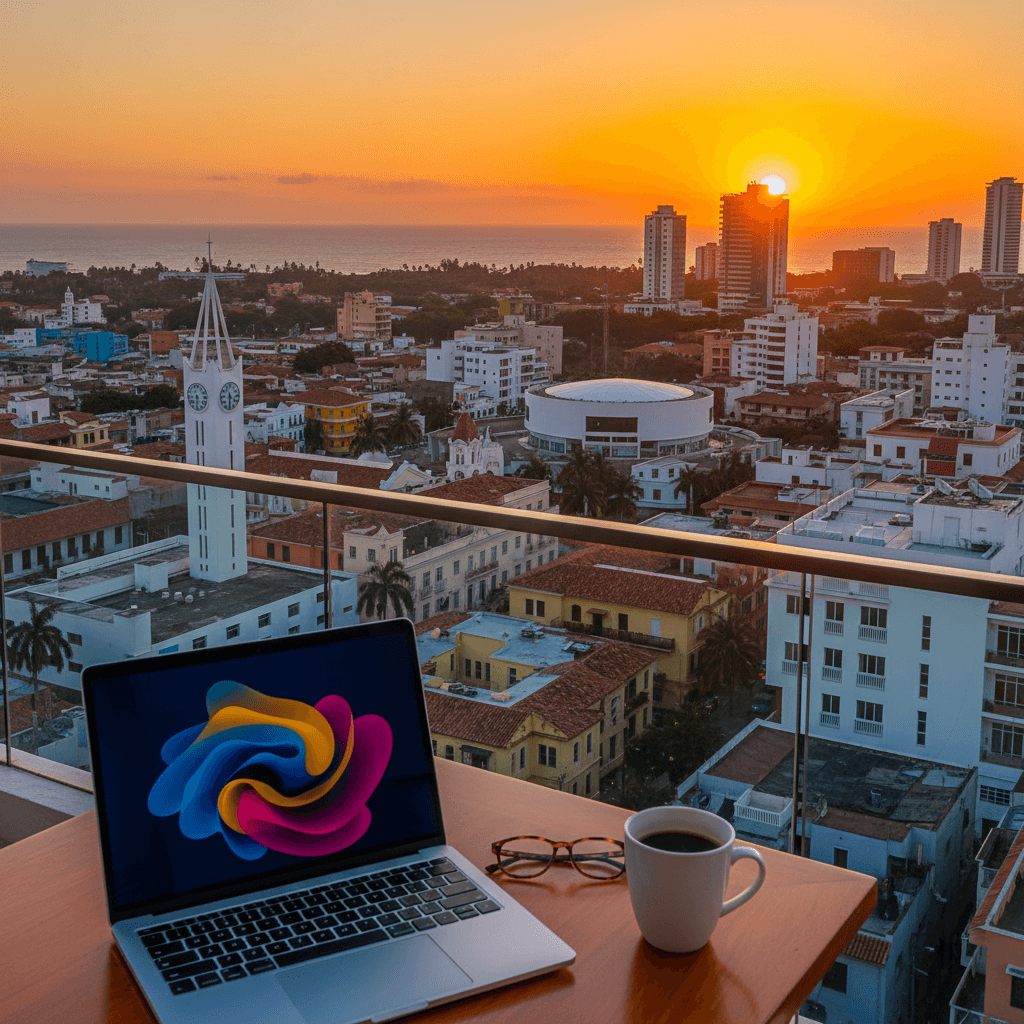
If Medellin is the spring-like darling of the nomad world and Cartagena is the polished colonial postcard, Barranquilla is the gritty, soulful engine room of the Colombian Caribbean. Known as the Golden Gate, this isn't a city that tries to impress you with curated cobblestone streets or mountain vistas. Instead, it wins you over with an infectious, high-decibel energy that feels more authentic than its more famous neighbors. It is a place of industry, heat, and an obsession with music that peaks during its world-famous Carnival but never truly sleeps.
Living here feels like being let in on a secret. Most travelers skip it, which means the locals are genuinely curious and welcoming rather than weary of tourists. You'll find yourself in a city that balances a modern, business-heavy skyline in the north with a raw, tropical rhythm everywhere else. It is loud, the air is thick with humidity, and the scent of fried arepas and salty sea air is constant. It is the kind of place where a quick trip to the grocery store can turn into a thirty-minute conversation with a neighbor about the local Junior football team.
The Nomad Lifestyle and Cost
The biggest draw for remote workers is the cost-to-quality ratio. You can live a lifestyle here for $1,300 a month that would cost double in Bogotá or triple in Miami. While the city lacks a massive "nomad bubble," the community is growing around hubs like Lyd House and WeWork in the northern districts. Most expats find that the lack of English proficiency isn't a barrier so much as an invitation to finally get serious about their Spanish.
Daily life revolves around dodging the midday sun and finding the best air conditioning. You'll likely spend your mornings working from a cafe in Alto Prado, your afternoons cooling off in a mall or a shaded park, and your evenings at a estadero, those open-air bars where salsa and reggaeton are the only acceptable soundtracks. It is a social city; if you stay inside, you're doing it wrong.
What to Expect: The Practical Breakdown
- The Carnival Factor: Everything in Barranquilla is measured by its proximity to Carnival. For four days in mid-February (Feb 14-17 in 2026), the city becomes the second-largest party on earth. Prices spike, work stops, and the streets turn into a sea of foam and feathers. If you're here during this time, don't expect to get much deep work done.
- The Heat: It is tropical and unforgiving, usually hovering between 28°C and 32°C. You’ll learn to value a building with good ventilation and a desk that isn't in direct sunlight.
- Connectivity: Unlike the remote beach towns nearby, Barranquilla offers stable fiber optic internet. You can reliably hit speeds of 100 Mbps in the northern neighborhoods, making it a better home base for those with heavy Zoom schedules than Santa Marta or Palomino.
- Safety: It requires a level of "no dar papaya," a local phrase meaning don't give anyone an easy opportunity. Stick to the north, use apps like Uber or Cabify after dark, and keep your phone tucked away on the street.
Monthly Budget Estimates
Budget Tier
- Studio Rent: $300 to $500
- Daily Meals: $10 to $15
- Coworking: $100 a month
Mid-Range Tier
- 1BR Apartment in Alto Prado: $500 to $800
- Daily Meals: $20 to $35
- Coworking: $200 a month
Comfortable Tier
- Luxury Flat in Riomar: $800+
- Daily Meals: $40+
- Private Office: $300+
Ultimately, Barranquilla is for the nomad who wants to feel the "Real Colombia." It is for the person who prefers a local salsa club over a craft beer bar and chooses a city based on its soul rather than its Instagrammability. It’s a place that demands you participate in its rhythm, and once you do, it’s hard to leave.
The Bottom Line
Barranquilla stands out as one of the most wallet-friendly hubs on Colombia's Caribbean coast. While Cartagena and Santa Marta often see prices spiked by heavy tourism, the "Golden Gate" maintains a more grounded cost of living. Most nomads find they can live comfortably on about $1,300 a month, though locals often get by on roughly half that. It is a city where your dollars or euros stretch far without forcing you to sacrifice modern amenities like reliable fiber-optic internet or high-end dining.
Housing and Neighborhoods
Your biggest expense will be rent, and prices fluctuate based on how much "western" comfort you need. Northern neighborhoods like Alto Prado and Riomar are the go-to spots for expats because they're walkable and packed with cafes. If you're looking for a modern studio or a one-bedroom apartment in these areas, expect to pay between $500 and $800 per month.
For those on a tighter budget, El Prado offers a more historic, residential feel with plenty of green space. You can often find decent spots here starting around $300. If you are staying long-term, skip the nightly Airbnb rates after your first week. Travelers recommend booking a hotel for the first few days and then negotiating monthly rates or looking for local rentals to avoid the "tourist tax" on short-term platforms.
Dining and Groceries
Food is where Barranquilla really shines for the budget-conscious. You can grab a quick street-side arepa or a fresh fish plate for $2 to $5. A mid-range meal at a sit-down restaurant in the North usually lands between $7 and $15. If you want to splurge at places like Harry Sasson, you'll still rarely spend more than $30 for a high-end experience.
- Budget Tier: $2 to $7 per meal (street food and local "corrientazo" lunches)
- Mid-Range: $10 to $20 per meal (seafood spots and trendy cafes)
- Groceries: $200 to $300 per month if you shop at local markets and chains like Olimpica
Work and Connectivity
Unless you're staying in a high-end building with dedicated lines, you'll likely want a coworking membership for those high-stakes Zoom calls. Lyd House and WeWork are the most popular choices. A hot desk typically costs between $10 and $15 for a day pass, while a dedicated monthly desk runs about $200 to $300.
For mobile data, don't rely on roaming. Expats suggest picking up a local SIM from Claro or Tigo immediately. A monthly plan with plenty of data will only set you back about $10 to $20. If you prefer the convenience of an eSIM, Holafly is a solid backup, though it costs a bit more than local physical cards.
Getting Around
The city is spread out, so you'll likely use a mix of transport. The Transmetro bus system is incredibly cheap at about $0.70 per ride, but it gets packed during rush hour. Most nomads prefer ride-hailing apps like Uber, DiDi, or Cabify for the safety and air conditioning. A typical cross-town trip usually costs between $3 and $5. If you're staying in the North, many errands are walkable, but keep an eye on the midday heat before deciding to trek ten blocks.
Monthly Budget Summary
- Total Estimated Spend: $1,100 to $1,500 for a mid-range lifestyle
- Coworking: $150 to $250
- Transport: $50 to $80 (using apps frequently)
- Entertainment/Nightlife: $150 to $300 (higher during Carnival season in February)
Keep in mind that prices for everything, especially accommodation and transport, skyrocket during the weeks surrounding Carnival. If you plan to be in town during January or February, you should book your housing months in advance and expect to pay a significant premium.
For Nomads: Alto Prado and Northern Districts
If you're coming to Barranquilla to work, you'll want to head straight for Alto Prado or the surrounding northern sectors. This is the city's modern heartbeat where the infrastructure actually keeps up with a remote workload. Most nomads find this area the most walkable part of the city, filled with leafy streets and a high density of cafes where nobody will look at you sideways for opening a laptop.
You'll be close to the best coworking spots like Lyd House and WeWork, which are the gold standard for reliable 100+ Mbps speeds. Living here puts you in the center of the action for social meetups and the best gym options. It's the safest part of town to walk around during the day, though you should still grab a Cabify or Uber after dark.
- Monthly Rent: Expect to pay $500 to $800 for a modern one bedroom.
- Vibe: Professional, upscale, and convenient.
- Top Perk: Proximity to Viva Barranquilla mall and the best coffee shops.
For Long-Term Expats: Riomar
Expats who plan on staying for six months or more often gravitate toward Riomar. It's further north and feels more like a residential suburb than a city center. It’s quiet, secure, and offers some of the most luxurious apartment buildings in the city. You'll find plenty of expats here who have traded the "nomad" life for a more settled routine.
The trade-off is that Riomar is very car-dependent. You won't find yourself walking to many places, so you'll become best friends with the InDrive or Didi apps. It’s the area where you'll find the highest concentration of international schools and high-end grocery stores like Carulla that stock imported goods you might miss from home.
- Monthly Rent: High-end units start at $800 and can easily cross $1,200 for luxury amenities.
- Vibe: Quiet, exclusive, and suburban.
- Top Perk: The safest streets in the city and easy access to the highway for weekend trips to Puerto Colombia beaches.
For Families: El Prado
El Prado is arguably the most beautiful neighborhood in the city, characterized by historic mansions and wide, tree-lined avenues. It’s a designated heritage zone, so it lacks the sterile feel of the newer northern high-rises. Families love it for the green space and the slower pace; it feels like a genuine community rather than a transit hub.
It’s home to several parks and the famous Hotel El Prado, which serves as a local landmark. While it’s slightly further from the main coworking offices, the neighborhood is peaceful and has a "neighborhood watch" feel that parents appreciate. It’s also close to Clínica del Caribe, one of the top healthcare facilities in the region.
- Monthly Rent: Ranges from $400 to $700 for older, more spacious floor plans.
- Vibe: Historic, traditional, and lush.
- Top Perk: Large houses with gardens and a classic Caribbean architectural aesthetic.
For Solo Travelers and Budget Seekers: Centro and Sur
If you're on a tight budget or just passing through for Carnival, the downtown areas (Centro) offer the lowest prices. It's chaotic, loud, and quintessentially Barranquilla. You can find street food like arepas or fresh fish for $2 to $5, and the local markets are an experience in themselves. However, this isn't the place to stay if you need a quiet environment for Zoom calls.
Safety is a bigger factor here. Travelers often say they love the energy during the day but prefer to be in the north by sunset. If you choose to stay here, stick to well-lit main roads and don't carry your laptop openly. It’s best for those who want to save money on housing to spend more on experiences and travel to nearby Santa Marta or Tayrona Park.
- Monthly Rent: Budget studios can be found for $300 to $450.
- Vibe: Gritty, energetic, and very loud.
- Top Perk: Walking distance to the Malecón del Río and the cheapest cost of living in the city.
Connectivity on the Ground
Barranquilla provides a solid backbone for remote work, though it lacks the sheer density of nomad infrastructure you might find in Medellin. Modern fiber optic connections in Barranquilla now offer speeds up to 900 Mbps, though typical speeds range from 50-100 Mbps depending on provider and location. It is always smart to ask for a speed test screenshot before signing a month long lease.
Mobile data is your best safety net here. Claro is the heavy hitter for coverage, followed closely by Movistar and Tigo. You can grab a local SIM at the airport or any major mall like Buenavista for about $10 to $20 a month for a generous data package. If you want to skip the physical card, Holafly eSIMs are a popular choice for immediate data upon landing, though they usually cost a bit more than local options.
Top Coworking Spaces
If your apartment WiFi flickers or you just need to escape the Caribbean humidity, the city has a few reliable hubs. The northern neighborhoods are where you will spend most of your working hours.
- Lyd House: This is arguably the most nomad friendly spot in the city. It has a modern design, ergonomic seating, and a community that actually talks to one another. Expect to pay around $10 to $15 for a day pass or $200 to $300 for a monthly membership.
- WeWork: Located in the upscale Riomar area, this is the consistent, corporate choice. It is air conditioned to the point of being chilly, so bring a sweater. Prices are standard for the brand, usually landing in the $250 range for a monthly hot desk.
- Global Working: A solid local alternative for those who want a professional environment without the premium price tag of international chains.
Café Culture and Remote Work Vibes
The coffee shop scene is growing, but Barranquilla is a loud, social city. If you plan to work from a café, noise canceling headphones are mandatory. Locals recommend sticking to the northern districts like Alto Prado for the best work friendly atmospheres.
- Juan Valdez: The Starbucks of Colombia is everywhere. The larger branches in the north have decent WiFi and plenty of outlets, though they get crowded during peak afternoon hours.
- Café de la Casa: A quieter, more boutique feel where you can actually get through a deep work session. The coffee is excellent and the staff won't mind if you stay for a few hours.
- Malls: It sounds unconventional, but malls like Viva Barranquilla have massive food courts and dedicated seating areas with strong AC. They are surprisingly popular spots for a quick hour of emails between errands.
Tech Logistics and Power
Power outages aren't a daily occurrence, but they happen more often during the heavy rain peaks in October. Most high end apartment buildings in Riomar or El Prado have backup generators, but it's worth confirming this with your host. For a truly professional setup, expats often carry a portable power bank and a local hotspot device.
If you need tech repairs or extra monitors, head to the specialized electronics shops in the northern malls. Prices for hardware are slightly higher than in the US or Europe due to import taxes, so try to bring your essential gear with you. For everyday digital needs, apps like Rappi are a lifesaver; they can deliver anything from a new charging cable to a hot lunch directly to your coworking desk for a few dollars.
Staying Safe in the Golden Gate
Barranquilla doesn't have the same gritty reputation as some other major Colombian hubs, but it still demands a level of street smarts. Most nomads find the city manageable if they stick to the northern sectors. The general rule of thumb here is avoiding "dar papaya," a local expression that basically means don't give anyone an easy opportunity to take advantage of you.
In neighborhoods like Alto Prado, Riomar, and El Prado, you can generally walk around during the day with little worry. However, as the sun goes down, even locals switch to ride-hailing apps rather than walking long distances. Expats recommend staying away from the Centro (downtown) and southern districts after dark, as these areas become significantly more unpredictable once the shops close.
- Ride-Hailing: Use apps like Uber, DiDi, or Cabify. They provide a digital trail and upfront pricing, usually costing between $3 and $5 for a cross-town trip. Avoid hailing yellow taxis on the street at night.
- Personal Belongings: Keep your phone tucked away while walking. If you need to check a map, step into a cafe or a shop first.
- Local Emergency Number: Dial 123 for immediate police or ambulance assistance.
- Carnival Safety: During the peak festival weeks in February, crowds are massive. Pickpocketing spikes during parades, so use a front-facing fanny pack or a money belt under your clothes.
Healthcare and Medical Services
If you get sick, you're in good hands in the north. Barranquilla serves as a regional medical hub, and the private clinics here are excellent. Many doctors in the top-tier hospitals studied abroad and speak decent English, though you'll still want Google Translate handy for administrative staff.
For high-end care, most expats head to Clínica del Caribe or Clínica Portoazul. These facilities are modern, clean, and equipped for everything from minor infections to major surgeries. If you're here on the Digital Nomad Visa, you'll likely need to show proof of private health insurance, which gives you access to these premium networks.
Pharmacies are everywhere. Look for Farmatodo or Droguería La Rebaja. Farmatodo is particularly convenient because many locations stay open 24/7 and look more like a mini-market, stocking everything from snacks to prescription meds. You can even get many medications over the counter that would require a prescription in the US or Europe, often at a fraction of the price.
Health Tips for Nomads
- Hydration: The heat in Barranquilla is relentless, often hitting 32°C (90°F). Stick to bottled or filtered water. While the tap water in Barranquilla is technically treated and better than in many other Colombian cities, most long-term nomads still use a LifeStraw or buy large jugs to avoid any stomach upset.
- Zika and Dengue: Since this is a tropical coastal city, mosquitoes are a reality, especially during the rainy season from May to November. Use repellent if you're spending time in parks or near the river.
- Sun Protection: The Caribbean sun is deceptively strong. A high-SPF sunscreen is a daily requirement, not an option.
Overall, your experience will depend on your environment. By basing yourself in the more affluent northern pockets and using common sense with your electronics, you'll find Barranquilla to be a welcoming, high-energy home base.
Getting Around the Golden Gate
Barranquilla isn't a city where you'll want to spend all day on foot. While northern pockets like Alto Prado are breezy and walkable, the city's layout and the Caribbean heat mean you'll quickly become familiar with the local transport apps and the Transmetro system.
Ride-Hailing and Taxis
Most nomads rely heavily on ride-hailing apps for safety and convenience. Using Uber, DiDi, or Cabify is standard practice here. It takes the guesswork out of pricing and ensures you aren't fumbling with cash on a street corner. A typical trip across the northern neighborhoods usually runs between $3 and $5.
- Safety Tip: If you take a traditional yellow taxi, always agree on the price before you get in. There are no meters here.
- Airport Runs: A ride from Ernesto Cortissoz International Airport to the city center takes about 20 minutes and costs roughly $10 to $15. Stick to official airport taxis or app-based rides rather than unofficial drivers.
Public Transit: The Transmetro
For a more local experience, the Transmetro is the city's bus rapid transit system. It has dedicated lanes, so it's often faster than a car during the notorious rush hour traffic. A single ride is incredibly cheap at about $0.70.
The buses can get very crowded, especially during the humid afternoons. Expats usually recommend using the Transmetro for daytime travel to specific hubs but switching to apps once the sun goes down. If you're heading toward the Centro or the stadium, it's the most efficient way to bypass gridlock.
Micromobility and Walking
Barranquilla is making strides in bike-friendliness, but it's not quite Bogotá yet. Electric scooter services may be available through apps, though availability varies by neighborhood. These can be useful for zipping between a coffee shop in Riomar and your coworking space at Lyd House.
Walking is pleasant in the Northern Barranquilla districts where sidewalks are wider and shaded by trees. Outside of these areas, the infrastructure gets patchy. Between December and February, the "Locos" trade winds blow through, making walking much more enjoyable, but during the rainy season in October, you'll want to be safely inside a car when the downpours start.
Driving and Regional Travel
If you're planning on staying long-term and want to explore the coast, your foreign driver's license is valid for 3 months. However, local driving can be aggressive. Most nomads find it easier to use the Berlinas or Marsol van services for trips to Santa Marta or Cartagena. These shuttles are air-conditioned, reliable, and cost about $10 to $15 for a two-hour journey.
Transport Budget Estimates
- Budget Traveler: $20 to $40 per month by sticking to Transmetro and walking.
- Mid-Range Nomad: $40 to $60 per month using a mix of buses and occasional evening Ubers.
- Comfortable Expat: $60+ per month by exclusively using ride-hailing apps for door-to-door service.
The Coastal Accent and Local Vibe
In Barranquilla, language is more than just a tool for communication; it is the heartbeat of the city's identity. Locals, known as Barranquilleros, speak with a distinct Caribbean flair. It is fast, rhythmic, and often drops the "s" at the end of words. If you have studied Spanish in Bogotá or Mexico City, the coastal "Costeño" accent might catch you off guard at first. Most nomads find that while the pace is quick, the people are incredibly patient and eager to help you understand.
English proficiency sits at a moderate level within the northern neighborhoods like Alto Prado and Riomar. In these pockets, you will find younger professionals and staff at places like WeWork or Lyd House who speak English well. However, once you step into local markets or head toward the downtown Centro area, Spanish becomes the only currency. If you plan to stay more than a week, learning the basics isn't just helpful, it is how you unlock the best parts of the city.
Essential Phrases for the Street
You do not need to be fluent to get by, but having a few specific phrases in your back pocket will change how locals treat you. Instead of a standard "Hola," try "Buenas" when entering a shop or "Todo bien?" to ask how things are going. Here are the basics that expats recommend mastering early:
- ¿Tiene [item]?: Use this to ask if a shop has what you need.
- ¿A cómo sale?: A local way to ask "How much is this?"
- La cuenta, por favor: Essential for the end of your meal at seafood spots.
- ¿Me regala...?: This literally means "Will you gift me...?" but it is the standard, polite way to order anything from a coffee to a $2 arepa.
Staying Connected: SIMs and Data
Reliable communication starts with a local SIM card. While your home carrier might offer roaming, it is rarely fast enough for a nomad lifestyle. Most travelers head straight for Claro or Tigo. You can pick these up at the Ernesto Cortissoz International Airport or at any major mall like Viva Barranquilla. Expect to pay around $10 to $20 for a month of generous data. If you prefer a digital approach, Holafly offers eSIMs, though they tend to be pricier than local physical cards.
For day to day communication, WhatsApp is the undisputed king. Whether you are booking a hair appointment, messaging a landlord about an Airbnb, or ordering delivery, it all happens through this app. Most local businesses do not even use email for customer service. If you need to translate on the fly, keep Google Translate downloaded for offline use, especially the camera feature for reading menus at traditional restaurants.
Navigating Professional Spaces
When you are working from cafes or coworking spaces, the etiquette is relaxed but social. If you are in a Zoom meeting, be aware that Barranquilla is a loud city. Between the music and the street vendors, high quality noise canceling headphones are a non negotiable investment here. In professional settings, a little bit of Spanish goes a long way in building rapport with the local nomad community and staff. Many expats suggest joining local InterNations or Facebook groups to find language exchange partners, which is a great way to bridge the gap between "tourist" and "local."
Practical Language Tips
- Download Duolingo or Babbel: Spend 15 minutes a day focusing on Caribbean Spanish specifically.
- Use Ride Hailing Apps: Apps like Uber, DiDi, or Cabify allow you to set your destination digitally, which removes the stress of explaining directions in Spanish to a taxi driver.
- Carry Cash: While cards are accepted in the north, smaller shops and street food vendors expect pesos, and knowing your numbers in Spanish is vital for these $3 to $7 transactions.
- The "No" Rule: If someone offers you something on the street you don't want, a polite "No, gracias" with a smile is usually enough to move things along.
The Tropical Reality
If you're planning a stint in Barranquilla, prepare for the heat. This is a true Caribbean climate, meaning it stays hot year round with average temperatures hovering between 28°C and 32°C (82°F to 90°F). You won't find the "eternal spring" of Medellín here; instead, you get a tropical intensity that defines the local pace of life. Most nomads find that AC isn't just a luxury in their Airbnb, it's a requirement for staying productive during the afternoon slump.
The humidity can be heavy, especially when the breeze from the Magdalena River dies down. You'll want to pack light, breathable fabrics and keep a high quality water bottle on hand. While the heat is constant, the rainfall is not, and the city's personality shifts significantly depending on whether it's the dry or wet season.
Dry Season: The Sweet Spot
The main Carnival event in 2026 runs from February 14-17, with pre-Carnival festivities starting weeks earlier in January. The trade winds, known locally as "los vientos de diciembre," kick in during this period, providing a much needed breeze that makes walking through neighborhoods like Alto Prado or Riomar much more pleasant. This is also the peak of the high season, and for good reason.
- The Carnival Factor: This period leads up to the world famous Carnival.
- Outdoor Living: This is the best time for weekend trips to nearby beaches or taking your laptop to a cafe patio without melting.
- Higher Prices: Expect short term rental prices to spike during these months. A studio that usually goes for $500 might double in price if you're booking last minute for the festival dates.
Rainy Season: What to Expect
The rains typically arrive in May and last through November. Unlike the misty drizzles you might find in Bogotá, Barranquilla experiences heavy, dramatic tropical downpours. October is historically the wettest month, and it's the one time of year many expats suggest avoiding if you're looking for an active social life.
A unique quirk of Barranquilla during heavy rain is the "arroyos." These are fast moving rain currents that turn certain streets into temporary rivers. Long term residents know to stay put during a storm; most businesses and even Uber drivers will wait out the rain before heading back onto the roads. If you're staying in the northern areas, the infrastructure is better, but it's still a good idea to check the weather before heading to a coworking spot like Lyd House.
Timing Your Move
If you want the best balance of weather and value, aim for late November or early March. You'll miss the peak crowds and the highest rental markups of Carnival season, but you'll still enjoy the drier air. For those on a tight budget, the "shoulder" months of June and July offer lower prices on accommodation, though you'll have to navigate the occasional afternoon thunderstorm.
- Best for Festivals: January and February.
- Best for Budget: May through August.
- Best for Weather: December and January.
Regardless of when you arrive, the social scene remains vibrant. Barranquilleros are known for their festive spirit regardless of the forecast. Just make sure your phone has a reliable weather app and your apartment has a functional air conditioner, and you'll settle into the coastal rhythm just fine.
Getting Connected
Staying online is straightforward in Barranquilla, but you should have a backup plan. Most nomads find that Claro or Tigo offer the most reliable mobile data. You can pick up a physical SIM card at the airport or local shops for about $10 to $20 a month for unlimited data. If you prefer the convenience of an eSIM, Holafly is the go-to choice for most travelers arriving in the city.
For deep work, skip the noisy cafes and head to established coworking spots. Lyd House and WeWork are the favorites in the northern neighborhoods. Expect to pay between $10 and $15 for a day pass, or around $200 to $300 for a monthly membership. While home internet in Alto Prado usually hits speeds of 50 to 100 Mbps, occasional outages happen, so keep that hotspot ready.
Budgeting for the Coast
Your money goes much further here than in Bogota or Cartagena. A comfortable lifestyle usually costs around $1,300 per month. To get the best value, expats recommend booking a hotel for your first few days and then hunting for long-term Airbnb deals, which often drop to $500 or $800 a month for a modern one-bedroom in a good area.
- Daily Meals: Budget $2 to $5 for street food like arepas or fish, and $15 to $25 for a high-end dinner at places like Harry Sasson.
- Transport: Rideshare apps like Uber, DiDi, and Cabify are the safest way to get around, with most trips costing between $3 and $5.
- Groceries: Shopping at local markets is cheap, but many nomads use Farmatodo for 24/7 convenience.
Safety and Health
Safety is the most common topic in expat circles. The general rule is to stay in the northern sectors like Alto Prado or Riomar. These areas are walkable and modern, but you should still avoid walking alone late at night. Most residents suggest using apps for all transportation rather than hailing taxis on the street.
If you need medical care, the quality in the north is excellent. Clínica del Caribe is a top-tier facility that handles emergencies well. For minor issues, pharmacies are everywhere. Make sure your health insurance is sorted before you apply for the Digital Nomad Visa, as the government requires proof of coverage for the 6 to 24-month stay.
Navigating the City
The heat is a constant factor, with temperatures averaging 28°C to 32°C. You'll want to pack light, breathable clothing and always carry water. While the Transmetro bus system is cheap at $0.70 per ride, it gets incredibly crowded. Most nomads stick to Uber or Grin scooters for short hops within the northern districts.
Spanish is the primary language here. While you'll find some English in upscale hotels and coworking spaces, it's limited elsewhere. Learning basic phrases for the market or ordering food is a must. Most travelers find that locals are incredibly patient and welcoming, especially if you're trying to learn the local salsa steps.
Timing Your Arrival
The best time to be in Barranquilla is from December to February. The weather is dry, the breeze picks up, and the city gears up for Carnival. This is the high season, so book your housing months in advance if you plan to be here for the festivities. If you want to avoid the rain, stay clear of October, which sees the heaviest downpours of the year.
When you need a break from the city, the coast is your backyard. You can hop on a bus for a 2-hour trip to Santa Marta or the stunning Tayrona National Park. These trips are the perfect weekend escape for anyone feeling the humidity of the "Golden Gate."
Need visa and immigration info for Colombia?
🇨🇴 View Colombia Country GuideHidden Gem
Worth the effort
Monthly Budget Estimates
More cities in Colombia
Cali
🇨🇴 Colombia
Palomino
🇨🇴 Colombia
Sabaneta
🇨🇴 Colombia