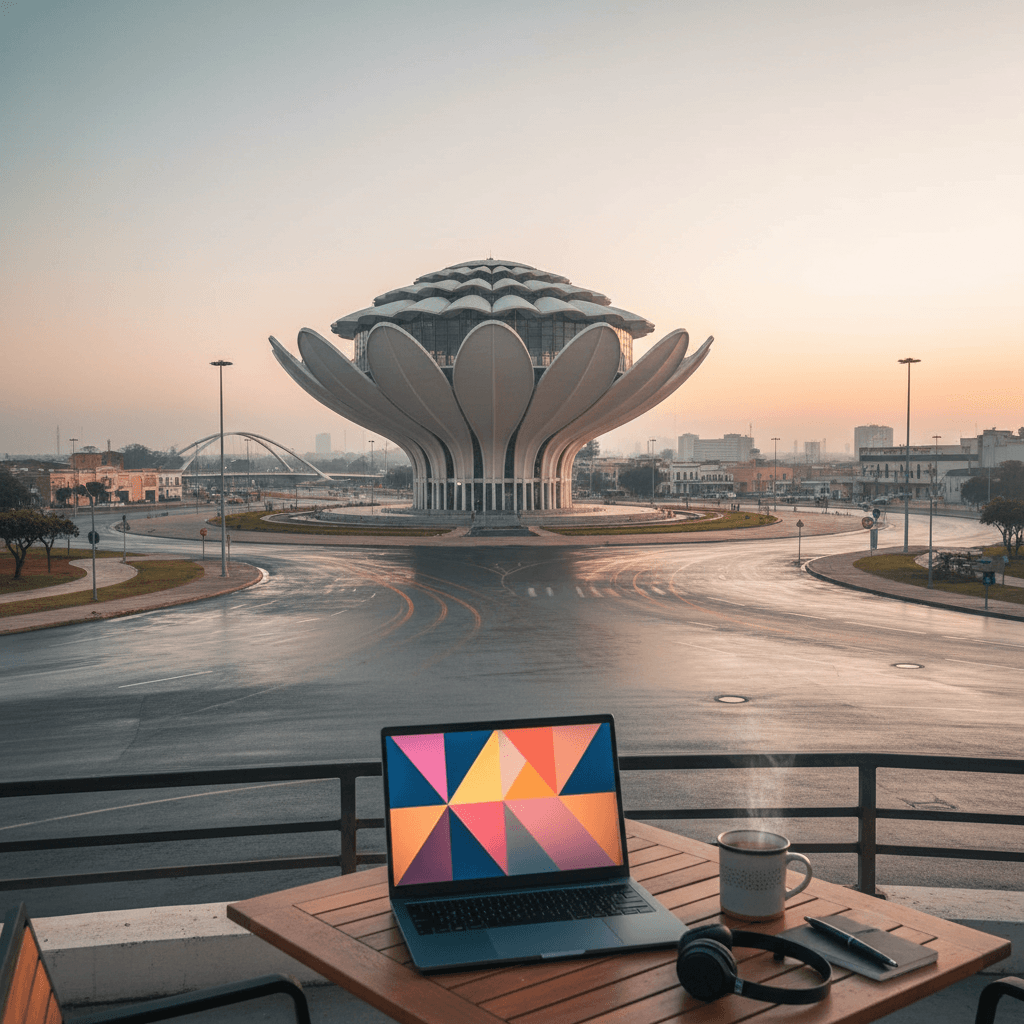
Barquisimeto
🇻🇪 Venezuela
The City of Twilight and Tempos
Barquisimeto doesn't feel like the high-stakes chaos of Caracas or the coastal humidity of Puerto La Cruz. Known as the Musical Capital, there is a rhythmic, melodic quality to life here that slows you down. You'll hear it in the Concha Acústica during live weekend events and feel it during the legendary sunsets that earn the city its other nickname, the Twilight City. For a nomad, the vibe is low-key and authentic; you are here to experience Venezuela without the tourist filters found in neighboring Colombia.
The skyline is defined by bold, geometric architecture. The Catedral de Barquisimeto looks like a futuristic upside-down flower, while the Monumento Manto de María towers over the landscape, offering views that genuinely leave travelers speechless. It is a place where deep-rooted faith meets a surprisingly modern urban layout. You will find yourself hanging out at Pueblo de Santa Rosa for a slow afternoon coffee or joining locals at the Obelisco to watch the sky turn those famous shades of violet and orange.
Cost of Living Breakdown
While Venezuela has seen significant economic shifts, Barquisimeto remains remarkably affordable if you have access to US dollars. Most nomads find that $1,200 to $1,800 per month covers a very comfortable lifestyle, including frequent dining out and a modern apartment.
- Budget Tier ($800 to $1,200/mo): Best for those staying in Centro or older apartments. You'll eat mostly street food like $2 arepas and use public buses.
- Mid-Range ($1,500 to $2,000/mo): This is the sweet spot. It covers a nice 1BR near Sambil Barquisimeto, regular meals at spots like Rodizio Madeira, and daily ride-hailing apps.
- Comfortable ($2,500+ /mo): High-end living in the best neighborhoods, private security, and weekend trips to the surrounding countryside.
Where to Plant Your Flag
Choosing a neighborhood here is about balancing "local feel" with modern convenience. There aren't massive expat enclaves, so you'll be rubbing shoulders with locals wherever you go.
Centro & Obelisco
- Rent: $200 to $400 for basic studios.
- The Vibe: High energy and walkable. You are steps away from historical landmarks and bustling markets.
- Trade-off: It gets noisy, and you need to be more mindful of your phone and belongings after dark.
Sambil / East Side
- Rent: $400 to $700 for modern apartments.
- The Vibe: This is where most digital nomads gravitate. It is close to the Sambil Barquisimeto mall, which acts as a hub for reliable food, shopping, and air conditioning.
- Trade-off: It feels a bit more "sanitized" and less historic than the city center.
The Nomad Reality Check
Lara state is beautiful, but the infrastructure requires a bit of hustle. You won't find a dedicated WeWork here. Instead, you will be scouting for cafes with back-up generators or using the Wiman app to find hotspots in the mall. Most remote workers rely on Digitel SIM cards for data, often tethering to their laptops when the home WiFi dips. If you can, grab an Airalo eSIM for immediate data upon arrival, but a local SIM is better for the long haul.
For payments, the Pago Móvil app is king for locals, but as a visitor, you will be carrying small, crisp USD bills. Larger establishments take international cards, but cash is still the most reliable way to pay for a $5 taxi ride or a quick snack. To get around, skip the crowded microbuses and download Yummi or inDrive. Rides usually cost between $2 and $5 and offer a much safer, climate-controlled experience.
Safety has improved, and the local community is incredibly welcoming to foreigners, often going out of their way to help you find your way. Just stick to the standard rules: don't flash expensive tech in uncrowded areas and use ride-hailing apps instead of hailing cabs on the street at night. If you lean into the local rhythm, Barquisimeto offers a soulful, affordable alternative to the typical nomad circuit.
The Bottom Line
Living in Barquisimeto is a lesson in adaptation. While Venezuela has a reputation for being complicated, the Musical City offers a surprisingly relaxed pace of life for those with access to US dollars. You aren't going to find the high-speed hubs of Medellin here, but your money goes significantly further if you know how to navigate the local systems. Most nomads find that a monthly budget of $1,200 covers a comfortable lifestyle, though those looking for luxury and high-end dining should plan for $2,500 or more.
Monthly Budget Breakdowns
Prices fluctuate, but the following tiers give a realistic look at what you'll spend in 2025 and 2026. These estimates include rent, utilities, food, and local transport.
- Budget Tier: $800 to $1,200. This covers a basic studio near the city center, plenty of street food, and using local buses or the occasional ride-share.
- Mid-Range: $1,500 to $2,000. You'll likely live in a modern apartment near Sambil, eat out at spots like Rodizio Madeira a few times a week, and rely on apps like Yummi for most trips.
- High-End: $2,500+. This includes a premium apartment with backup power/water, daily dining at upscale restaurants, and private transport or car rentals.
Housing and Neighborhoods
Rent is your biggest variable. Most expats recommend looking for "furnished" or "executive" rentals to ensure you have decent furniture and working appliances from day one. Short-term stays are best found through local Facebook groups or Airbnb, though you'll pay a premium for the convenience.
Centro (Near Catedral and Obelisco)
- Rent: $200 to $400 for a 1BR apartment.
- Vibe: High energy and cultural immersion. You're steps away from the markets, but it can get noisy and you'll need to be more alert about your surroundings at night.
Sambil Barquisimeto Area
- Rent: $400 to $600+ for modern units.
- Vibe: This is the nomad sweet spot. It's safer, more polished, and puts you right next to the best shopping and dining. It feels less "authentic" but offers the infrastructure most remote workers need.
Everyday Expenses
Eating out is one of the highlights of living in Lara state. Street food like arepas or pepitos will only set you back $1 to $3. For a sit-down meal at a mid-range spot, expect to pay $10 to $15. If you're heading to a high-end steakhouse or a trendy spot in the mall, prices jump to $20 or $30 per person.
Transportation is remarkably cheap. A ride on a microbus is about $0.50, while a trip across town using the Yummi or inDrive apps usually costs between $2 and $5. If you need a transfer from the airport (BQU), local taxis will charge around $10 to $20 depending on your haggling skills.
Connectivity and Logistics
Internet is the main hurdle. While many hotels and cafes offer free WiFi via the Wiman app, it's often sluggish. Dedicated coworking spaces are rare, so most nomads set up shop in cafes around the Sambil mall. For reliable data, pick up a local Digitel SIM card at an official store. Alternatively, an Airalo eSIM works for data-only needs, costing roughly $10 to $20 for a 5GB to 10GB package.
Handling money requires some prep. While the Pago Móvil app is the standard for local payments, it requires a Venezuelan bank account. Travelers usually rely on small, crisp US dollar bills for daily transactions or use fintech platforms like Payoneer or Zelle to settle larger bills with landlords or businesses.
For Modern Nomads: Near Sambil Barquisimeto
If you're coming to Barquisimeto to work, you'll want to stay close to the Sambil mall area. This is the city's modern pulse where the infrastructure is most reliable. You'll find the best concentration of air-conditioned cafes and restaurants like Rodizio Madeira, which is a favorite for a heavy Brazilian-style lunch between Zoom calls.
While there aren't dedicated coworking hubs yet, nomads gravitate toward the Sambil food court or upscale cafes for the Wiman hotspots. It's the safest part of town for walking around with a laptop bag, and you're more likely to find apartments with stable power backups here. Expect to pay a premium for the convenience, with comfortable 1BR apartments ranging from $400 to $600 per month.
- Rent: $400 to $600 for mid-range units.
- Vibe: Contemporary, convenient, and commercial.
- Internet: Best available in the city, often 10 to 50 Mbps.
For Solo Travelers & Culture Seekers: El Centro
The heart of the city near the Catedral de Barquisimeto and the Obelisco is where you'll feel the "Musical City" energy. It's walkable and packed with lively markets where you can grab street food for $1 to $3. This area puts you right next to the Concha Acústica, which is the place to be for live music events and local gatherings.
Living here is a raw, authentic experience, but it comes with the typical downtown trade-offs. It's noisier, and you'll need to keep your wits about you regarding petty crime after dark. Budget travelers love it because studio rents can drop as low as $80-$100, leaving more cash for exploring the Monumento al Sol Naciente or the Monumento Manto de María.
- Rent: $200 to $400 for budget stays.
- Vibe: High energy, historic, and loud.
- Top Spot: Sunset views near the Obelisco.
For Families & Long-Term Expats: Santa Rosa & Parque Cardenalito
If you prefer a slower pace and some greenery, look toward the eastern entrance of the city near Parque Cardenalito or the village of Santa Rosa. Santa Rosa is the spiritual heart of the region, home to the Divina Pastora, and it feels more like a quiet colonial town than a state capital. Expats often choose this area because it's quieter and feels more like a traditional neighborhood.
The air is a bit fresher here, and the parks provide much-needed space for kids to run around. You'll be further from the nightlife and the big shopping centers, so having a ride-hailing app like Yummi or inDrive is a must. A comfortable family home or a large apartment in these quieter pockets usually starts around $600.
- Rent: $600+ for larger, comfortable spaces.
- Vibe: Peaceful, religious, and residential.
- Transport: $2 to $5 for a quick ride to the city center.
Practical Living Tips
No matter which neighborhood you choose, Barquisimeto requires a bit of local savvy. Most residents use Pago Móvil for daily transactions, but as a visitor, you'll want to carry small USD bills for places that don't take international cards. For data, head to a Digitel store immediately to grab a local SIM, as roaming on an eSIM like Airalo can get expensive if you're using it as a primary hotspot.
Getting around is fairly simple. While the old microbuses are a cheap $0.50, they're often cramped. Most expats stick to the apps for safety and comfort. If you're staying for more than a few weeks, join the Venezuela Code community via the Virtual Venezuela app to connect with other remote workers who can help you navigate the local quirks of Lara state.
Connectivity Realities
Working from Barquisimeto requires a bit of a strategy. You won't find the lightning fast fiber optics of Medellin or Mexico City here. Most hotels and posadas provide Wi-Fi that sits in the 10 to 50 Mbps range, which is fine for emails and basic tasks but might struggle with heavy video calls. If you're staying near Sambil Barquisimeto, you'll have better luck with stability. Many nomads use the Wiman app to find free hotspots around the mall and nearby cafes when their home connection dips.
The smartest move is to set up a local backup immediately. Digitel is the preferred carrier for most remote workers in the city. You can find their official stores in the major commercial centers. For a more immediate fix, Airalo eSIMs are available, though they tend to be more expensive than local options for the amount of data provided. If you plan to stay more than a week, get the local SIM; it's much cheaper and gives you a local number for the apps you'll need to survive.
Coworking and Laptop-Friendly Cafes
You won't find a traditional, dedicated coworking brand like WeWork in Barquisimeto yet. Instead, the local work culture happens in modern cafes and dining spots. The area around Sambil Barquisimeto is the unofficial hub for this. You'll see people with laptops at Rodizio Madeira or the various coffee shops inside the mall where the air conditioning is reliable and the power outlets are more accessible.
If you need a change of scenery, the Santa Rosa neighborhood offers a quieter vibe. It’s less "corporate" and more relaxed, though you should check the signal strength before settling in for a long session. Expect to pay about $5 to $10 for a full day's worth of coffee and snacks while you camp out in a cafe. Most business owners are happy to have you as long as you keep the lattes and empanadas coming.
Digital Tools and Logistics
To live and work here effectively, you need to download a few specific apps. Since the local economy relies heavily on digital transfers, Pago Móvil is the gold standard for payments, though it requires a local bank account. Most nomads stick to Zelle, Payoneer, or Deel for their professional income and carry small USD bills for daily transactions. For getting around between work sessions, inDrive and Yummi are reliable and much safer than hailing a random car on the street.
- Mobile Data: Digitel is the most reliable for 4G coverage in the city.
- Power: Occasional outages happen; a high capacity power bank is a mandatory investment.
- Community: Join the Venezuela Code community via the Virtual Venezuela app to connect with other tech workers and locals.
- Hardware: Buy any specialized gear before you arrive, as high end laptop repairs or replacements are expensive and hard to find.
The Nomad Experience
The pace of life in the "Musical City" is slower than Caracas, which many expats find refreshing. When the sun starts to set, most people head to the Concha Acústica or the Obelisco area. It's not a city with a massive expat enclave, so you'll be rubbing shoulders with locals. This makes for a more authentic experience, but it also means you'll need at least basic Spanish to coordinate with a landlord or explain why you need the router rebooted for the third time today.
Despite the infrastructure quirks, the cost of living makes it an interesting "off the path" choice. A comfortable life here, including a nice apartment and plenty of dining out, usually runs between $1,500 and $2,000 a month. If you're on a tighter budget, you can get by on $800 to $1,200 by sticking to local markets and neighborhoods like Centro, though you'll sacrifice some of the modern conveniences found in the newer districts.
Staying Safe in the Musical City
While Venezuela's reputation often precedes it, the reality on the ground in Barquisimeto has shifted toward a more manageable, relaxed environment. Locals are famously welcoming, but you still need to keep your wits about you. Most people find that sticking to well trafficked areas like the Sambil Barquisimeto mall or the Monumento Manto de María during daylight hours feels perfectly secure. The city has a slower pace than Caracas, which works in your favor as a nomad.
Street smarts are your best friend here. Don't flash expensive tech or large stacks of cash in public. When you're heading out for dinner at a spot like Rodizio Madeira, it is better to call a ride through an app rather than hailing a random car on the street. Expats generally recommend keeping your phone tucked away while walking through the Centro or near the Obelisco, as petty snatch and grab incidents can happen in crowded markets.
- Ride-Hailing: Use Yummi or inDrive for reliable transport. Rides usually cost between $2 and $5.
- Nightlife: If you are heading to the Concha Acústica for a concert, go with a group and pre arrange your ride home.
- Emergency Contacts: Dial 911 for general emergencies or 171 specifically for an ambulance.
Healthcare and Medical Services
The healthcare system in Barquisimeto is a bit of a mixed bag. You will find plenty of pharmacies stocked with basics, and local doctors are often highly skilled, but the infrastructure in public hospitals can be hit or miss. For anything beyond a minor scrape or a cold, you will want to head to a private clinic where the equipment is more modern and the wait times are shorter.
Travelers often say that having a solid insurance policy is the most important part of their prep kit. Make sure your plan covers medical evacuation just in case. If you need a specialist, private facilities near the more upscale residential zones are your best bet. Most nomads find that paying out of pocket for a routine consultation is surprisingly affordable, often ranging from $30 to $60, but costs climb quickly for emergency procedures.
Practical Wellness Tips
Staying healthy in a tropical savanna climate means staying hydrated. Don't drink the tap water; stick to bottled water which you can buy cheaply at any bodega. The sun can be intense, especially between December and February, so high SPF sunscreen is a must if you are spending the afternoon at Parque Cardenalito.
- Pharmacies: Look for large chains in malls for the best selection of international brands.
- Payments: While many places take USD, having the Pago Móvil app set up is the local way to handle smaller transactions if you can get a local account. Otherwise, keep small, crisp $1, $5, and $10 bills on hand.
- Connectivity: Since healthcare info is often shared via WhatsApp, ensure your Digitel SIM or Airalo eSIM is topped up so you can communicate with clinics or your insurance provider.
Overall, Barquisimeto is a city that rewards the cautious but curious traveler. If you stay aware of your surroundings and choose private medical options, you will find the city's "crepuscular" sunsets much easier to enjoy.
The Pulse of the City
Barquisimeto is relatively easy to navigate once you understand the local rhythm. The city layout is more logical than many other Venezuelan hubs, but you'll still need a mix of apps and local knowledge to get around efficiently. Most expats and digital nomads gravitate toward the area around Sambil Barquisimeto, where the streets are more walkable and the services are more reliable.
Ride-Hailing and Apps
For most travelers, ride-hailing is the gold standard for safety and convenience. Forget about flagging down random cars on the street. Instead, download Yummi or inDrive. These apps are the local lifelines for getting from your apartment to landmarks like the Monumento Manto de María or the Obelisco.
- Short hops: A quick trip within the modern sectors usually costs between $2 and $5.
- Airport Transfers: Getting from Jacinto Lara International (BRM) to the city center typically runs between $10 and $20. It is about a 10 to 15 kilometer drive, so it is a quick transition after you land.
- Wait Times: Expect a car within 5 to 10 minutes in central areas, though it might take longer during the peak evening hours when everyone is heading to Rodizio Madeira for dinner.
Public Transit: The "Busetas"
If you want to live like a local and save cash, the microbuses (often called busetas) are everywhere. They are incredibly cheap, usually costing around $0.50 per ride. However, they aren't for the faint of heart. They get crowded, they don't follow a strict digital schedule, and they can be a bit overwhelming if your Spanish isn't sharp.
Most nomads use these for short daytime trips between Centro and the parks. If you are carrying a laptop or expensive camera gear, stick to the ride-hailing apps. It is better to spend the extra few dollars for the peace of mind and the air conditioning.
Exploring on Foot
Barquisimeto isn't a city you can walk from end to end, but specific pockets are very pedestrian friendly. The area around the Catedral de Barquisimeto and the Obelisco is great for a stroll if you want to soak in the "Musical City" vibe. You'll often hear live practice sessions or street performers near the Concha Acústica.
Another great walking spot is the Pueblo de Santa Rosa. It feels like a small village tucked inside the city. It is quiet, scenic, and perfect for a slow afternoon walk. Just keep in mind that the tropical sun is intense. Temperatures regularly hit 32°C (90°F), so plan your walking tours for early morning or late afternoon to avoid the midday heat.
Practical Transport Tips
- Cash is King: Even with apps, keep small USD bills ($1, $5, $10) on you. Change can be hard to find, and having exact amounts for a taxi or a quick snack is a lifesaver.
- Stay Connected: Make sure you have a Digitel SIM or an Airalo eSIM active before you head out. You'll need data to track your ride-hailing driver, as public WiFi isn't common on the streets.
- Safety First: Avoid walking in isolated areas after dark. If you're leaving a bar or restaurant late at night, always call a car through an app rather than walking, even if your destination is only a few blocks away.
Transport Cost Summary
- Ride-Hailing (App): $2 to $5 per trip
- Public Bus: $0.50 per trip
- Airport Taxi: $10 to $20
- Daily Transport Budget: $5 to $10 for a comfortable, app-based lifestyle
The Local Lingo
In Barquisimeto, Spanish isn't just the language; it's the rhythm of the city. As the musical capital of Venezuela, people here speak with a distinct, melodic lilt. While you might get by with English in high end hotels or modern hubs like Sambil Barquisimeto, it's rare to find fluent speakers on the street or in local markets. Most nomads find that a basic grasp of Spanish is the difference between feeling like a tourist and actually integrating into the community.
The locals, known as Guaros, are incredibly welcoming and patient with language learners. If you're struggling to find the right word at a cafe near Parque Cardenalito, they'll usually meet you halfway with a smile and some hand gestures. It's a good idea to keep Google Translate downloaded for offline use, especially when dealing with specific requests at pharmacies or smaller shops in the Centro district.
Key Phrases for the Road
You don't need to be fluent, but mastering these basics will smooth over 90% of your daily interactions:
- ¿Cuánto cuesta? (How much does it cost?): Vital for street food stalls where prices aren't always posted.
- ¿Dónde está el baño? (Where is the bathroom?): Always good to know when you're exploring the Monumento Manto de María.
- Pago Móvil: You'll hear this constantly. It refers to the local mobile payment system. Even if you don't have a local bank account, knowing the term helps you understand how everyone else is paying.
- ¡Na' Guará!: This is the quintessential Barquisimeto expression. Use it to show surprise or admiration, and you'll earn instant respect from the locals.
Digital Communication and Connectivity
WhatsApp is the undisputed king of communication here. Whether you're booking a ride through Yummi, ordering delivery, or chatting with a landlord about an apartment near Santa Rosa, it happens on WhatsApp. Most businesses don't even use email; they'll just put their phone number on the front door or Instagram bio.
For data, don't rely on your home roaming plan. Expats recommend heading to an official Digitel store as soon as you arrive. You can get a local SIM card for a few dollars, and data packages are generally very affordable. If you have a phone that supports it, an Airalo eSIM is a great backup for immediate internet access when you land at the airport, usually costing around $10 to $20 for a decent data bucket. Just keep in mind that local SIMs are better if you need to make actual phone calls to landlines or local businesses.
The Tech Stack for Nomads
To stay connected and handle logistics, make sure your phone is loaded with these specific apps before you head out to lunch at Rodizio Madeira:
- Yummi or inDrive: These are the go to apps for ride hailing. They're safer and more transparent than flagging a random taxi on the street.
- Google Translate: Use the camera feature to read menus or signs at the Obelisco.
- Wiman: This app helps you locate free WiFi hotspots around the city, which is a lifesaver if your data signal drops in older buildings.
- Instagram: In Barquisimeto, Instagram is the primary way to find out about live music events at the Concha Acústica or new cafe openings.
While the infrastructure can be inconsistent, the communication culture is top tier. People are social, digital savvy, and always willing to help a traveler find their way. Use your apps for the logistics, but don't be afraid to put the phone away and practice your Spanish over a coffee; it's the fastest way to turn a short stay into a real experience.
The Sweet Spot: December to April
If you want to experience the "City of Twilights" at its absolute best, aim for the window between December and April. This is the dry season, and it's when Barquisimeto really earns its nickname. The skies are clearer, which makes those famous orange and purple sunsets over the Obelisco even more dramatic. Temperatures during these months hover between 24°C and 33°C (75°F to 91°F), providing that reliable tropical warmth without the constant threat of a downpour ruining your walk to the Monumento Manto de María.
January is particularly special for the city. Every January 14th, millions of people gather for the procession of the Divina Pastora. It is one of the largest religious gatherings in South America. If you are a nomad who enjoys cultural immersion and doesn't mind massive crowds, it is an incredible time to be in the Santa Rosa area. Just keep in mind that accommodation prices spike and availability disappears months in advance for this specific week.
The Rainy Season: May to October
The humidity picks up significantly starting in May. While the temperature stays fairly consistent around 28°C (82°F), the rain can be heavy and sudden. Travelers often find that afternoon storms can lead to localized flooding in the Centro district, which makes getting around via microbus or apps like Yummi a bit more of a headache. If you're working remotely from a cafe in Sambil Barquisimeto, the rain won't bother you much, but it can definitely dampen plans for hiking near Parque Cardenalito.
The "worst" of the weather usually hits between June and August. You'll get plenty of sunshine in the mornings, but the late afternoon deluges are predictable. For budget travelers, this shoulder season can sometimes yield better deals on longer-term apartment rentals through local Facebook groups, as there is less domestic tourism during the wetter months.
What to Pack and How to Prepare
Barquisimeto has a relaxed, musical vibe, so you don't need a high-fashion wardrobe. However, the sun here is intense. Even on cloudy days, the UV index is high. Locals recommend keeping a light jacket or hoodie on hand; not for the outdoors, but because the air conditioning in modern spots like Rodizio Madeira or the Sambil mall is often set to "arctic" levels.
- Sun Protection: High SPF sunscreen and polarized sunglasses are non-negotiable for walking tours of the Catedral.
- Rain Gear: A sturdy, compact umbrella is better than a raincoat, which will likely make you too hot in the 30°C humidity.
- Tech Protection: If you are carrying a laptop between cafes, bring a waterproof dry bag or a rain cover for your backpack. Power fluctuations can occasionally happen during heavy storms, so a small surge protector is a smart addition to your kit.
Seasonal Costs and Availability
Unlike some digital nomad hubs in Colombia, Barquisimeto doesn't have a massive "high season" price hike outside of the Divina Pastora festival. You can generally expect your monthly budget to stay stable year-round.
- Budget Tier: $800 to $1,200 per month. This covers a basic studio in the Centro and plenty of $2 street food.
- Mid-Range: $1,500 to $2,000 per month. This allows for a nicer apartment near Sambil and frequent dinners at mid-range spots where meals run $10 to $15.
- Comfortable: $2,500+ per month. This ensures you are in a high-end building with better infrastructure and private transport for day trips to places like Pueblo de Santa Rosa.
Most nomads agree that the heat is manageable as long as you have a fan or AC for the peak afternoon hours. If you prefer cooler, spring-like weather, you might find the city a bit stifling in July, but for everyone else, the consistent tropical warmth is a major draw.
Getting Around the City
Navigating Barquisimeto is relatively straightforward if you use the right tools. Most travelers rely on ride-hailing apps like Yummi or inDrive. These are significantly safer and more reliable than flagging a random taxi on the street, with typical rides across town costing between $2 and $5.
The local microbuses are an option for those on a tight budget at roughly $0.50 per trip, but they're often crowded and can be confusing for newcomers. If you're staying near the Sambil mall or in the Centro, many landmarks are walkable, though you should stick to the main avenues during daylight hours. For airport transfers from Aeropuerto Internacional Jacinto Lara (BRM), expect to pay between $10 and $20 for a pre-booked car or app-based ride.
Cost of Living Breakdown
While prices in Venezuela fluctuate, Barquisimeto remains more affordable than Caracas. You'll find that $800 to $1,200 per month covers a modest lifestyle, while $2,500 allows for a high-end experience including a modern apartment and frequent dining out.
Centro (Cultural Heart)
- Studio Rent: $200 to $400
- Vibe: High energy, walkable to the Obelisco and the Cathedral, but can be noisy.
- Best for: Short-term travelers and those who want to be near the markets.
Sambil / East Zone (Modern Hub)
- Studio Rent: $400 to $600+
- Vibe: Upscale, safer, and home to the best dining like Rodizio Madeira.
- Best for: Digital nomads who need proximity to reliable cafes and shopping.
Connectivity and Remote Work
Internet infrastructure is the biggest hurdle here. Most local cafes and hotels have WiFi, but speeds usually hover between 10 and 50 Mbps. You won't find dedicated coworking franchises, so most nomads set up shop in the Sambil mall food court or quiet cafes in the eastern districts. Using the Wiman app can help you locate free hotspots in a pinch.
For mobile data, head to an official Digitel store to get a local SIM card. It's much cheaper than roaming and provides the best coverage for the city. If you just need a quick data fix, an Airalo eSIM works for internet-only access, usually priced around $10 for 5GB. For payments, locals use Pago Móvil, but as a visitor, you'll want to carry plenty of small, crisp USD bills and use digital platforms like Payoneer or Zelle for larger transactions.
Safety and Health
The city has seen a steady improvement in safety, but you still need to be smart. Avoid walking alone at night in isolated areas and keep your phone tucked away while on the street. Stick to well-lit, populated spots like the Monumento Manto de María or Parque Cardenalito.
Healthcare facilities are adequate for minor issues, but for anything serious, private clinics are the only way to go. Always have travel insurance that covers medical evacuations. In case of an emergency, you can dial 911 or 171 to reach local authorities.
Climate and Timing
Barquisimeto is nicknamed the city of sunsets for a reason, and the weather is generally warm and breezy. Temperatures stay between 24°C and 32°C throughout the year. The best time to visit is from December to April, when the skies are clear and the humidity is lower. The rainy season hits between May and October, which can lead to occasional street flooding and travel delays.
Social Life and Language
Spanish is the primary language here, and you'll find very little English spoken outside of high-end hotels. Learning a few phrases like "¿Cuánto cuesta?" or using Google Translate is a necessity. To meet people, check out the Concha Acústica for live music or join the Venezuela Code community online. Locals are incredibly welcoming to foreigners, and you'll often find yourself invited for a coffee just by striking up a conversation at a park bench in Santa Rosa.
Need visa and immigration info for Venezuela?
🇻🇪 View Venezuela Country GuideWild Card
Expect the unexpected