Banff
🇨🇦 Canada
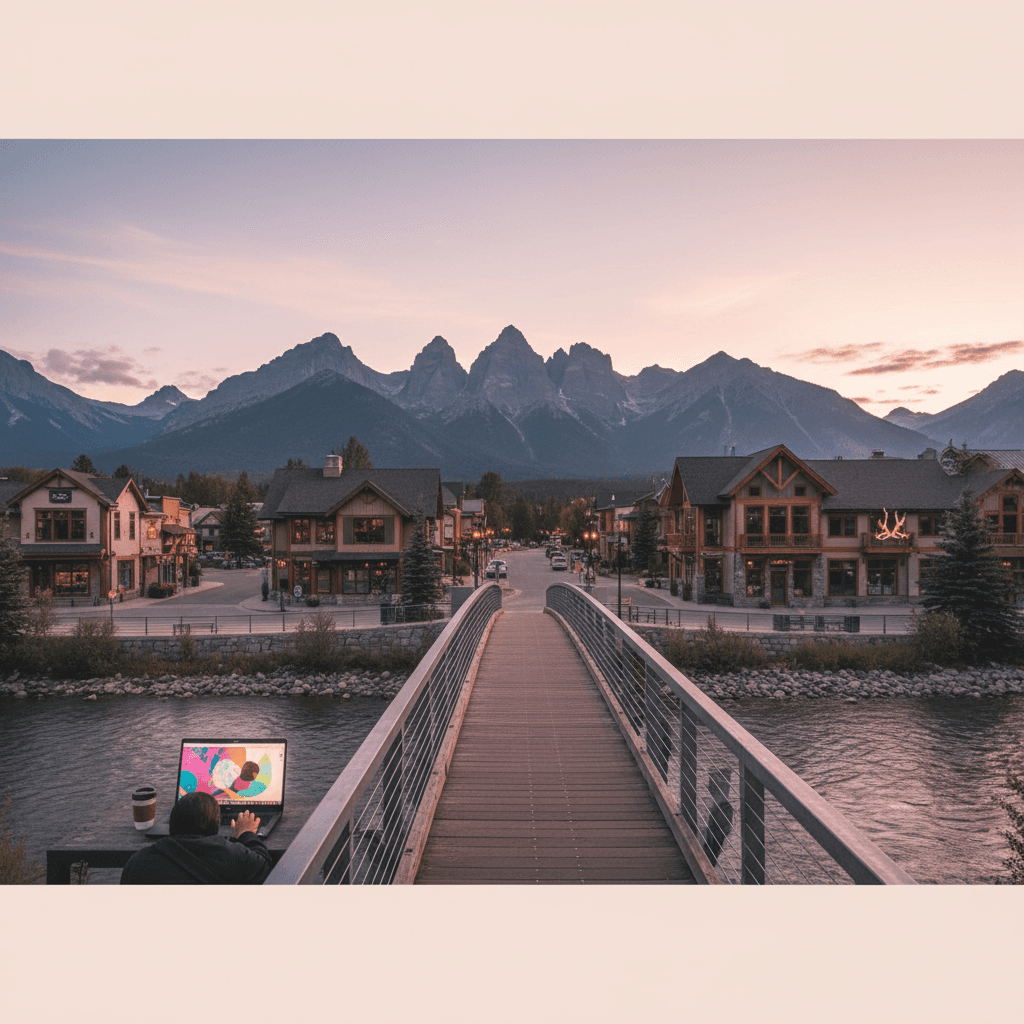
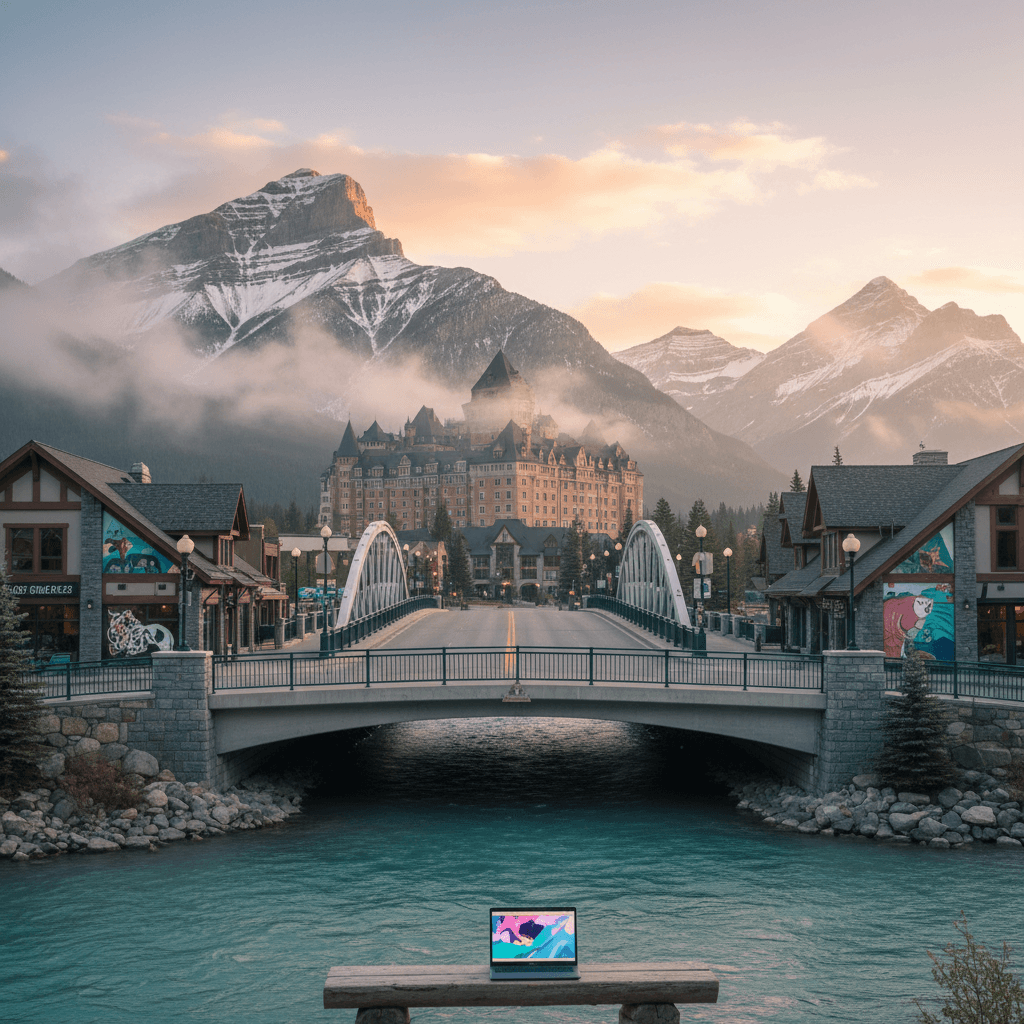
Banff feels like a mountain town that never quite settles down. You get glacier air, elk in the road, ski boots clomping past brunch spots and a steady drip of tourists that turns Banff Avenue into a summer bottleneck, honestly, which can get old fast.
The upside is obvious. The scenery is absurd, the air smells like pine and cold stone and even a coffee run can turn into a detour to the Bow River, but the place is small, pricey and a little chaotic once the day visitors pile in. Not cheap.
Most nomads either love the seasonal social energy or burn out on it. Winter has a work hard, ski hard rhythm, with hostel kitchens full of young workers, pub trivia and that slightly reckless après-ski mood; summer is brighter and prettier, though the crowds, noise and packed patios can make downtown feel cramped.
Where People Actually Stay
- Banff Avenue core: Best for walkability, bars, cafes and quick access to trails, though rents are high and the tourist churn is constant.
- Near Roam stops: Handy if you want easy bus access and a more social setup with workers and expats around.
- Canmore: Better value, more space and calmer streets, but you’ll commute 25 to 30 minutes into Banff.
Budget-wise, Banff bites. A solo monthly setup can run around $1,800 CAD, with rent and utilities eating most of that and if you want your own place in the center, you’ll pay for the privilege, then pay again for groceries and dinner out because restaurant prices climb fast.
Cafes work for a few hours at a time, internet is decent and the town’s tiny scale makes everything feel close, though coworking is thin on the ground, so most people end up in coffee shops or hostel common rooms. Weirdly, that makes it easier to meet people, because everyone keeps running into the same faces.
Banff is very safe, but the mountains don’t care about your schedule. Bears are a real thing, weather flips quickly and the town’s party scene can get messy around seasonal workers, so the smart move is simple, stay alert, keep your hike group chat active and don’t leave the trailhead too late.
Banff isn’t cheap. A one-person budget lands around $1,801 CAD a month and that’s with fairly modest spending, not a cushy lifestyle. Rent eats the biggest chunk, then groceries, then the little stuff that somehow adds up fast, like coffee, transit and the odd pub night when the mountain air makes you feel more social than you planned.
If you want to live here without bleeding money, you need to be picky. Central Banff is handy, walkable and expensive, while Canmore, 25 to 30 minutes away, is usually the saner call if you want more space and less pressure on your wallet.
Typical Monthly Costs
- Single person: about $1,801 CAD, including rent and food
- Family of four: about $4,224 CAD
- Rent and utilities: around $980 CAD
- Food: about $630 CAD
- Transport: roughly $56 CAD
For housing, studio and one-bedroom places in central Banff can sit around $785 to $789 CAD, while three-bed units run roughly $1,313 to $1,455 CAD, which sounds oddly low until you remember how tightly controlled housing is here and how hard it can be to actually snag a place. Staff housing gets snapped up, listings disappear fast and honestly, if you’re not organized, you’ll end up paying more than you expected or commuting in from Canmore.
What Your Money Gets You
- Budget stay: about $1,200 CAD, usually hostel or shared housing
- Mid-range: about $2,000 CAD, often a one-bedroom in Canmore
- Comfortable: $3,000 CAD and up, for central apartments
Eating out isn’t gentle on the budget either. A fast-food meal is around $11 CAD, a cheap lunch menu about $20.50 CAD and a mid-range dinner for two lands near $69.50 CAD, with places like The Maple Leaf pushing higher once you add drinks, tax and tip. Lunch smells like fried food and espresso most days, dinner smells like steak and piney patio air, then your bill arrives and, frankly, the romance fades.
Cafes can work as a cheap office if you buy something and settle in, but dedicated coworking is thin on the ground. WiFi is fine, transit is manageable and the real trick is controlling your housing choice, because that’s where Banff eats your budget alive.
Banff is tiny, loud and expensive. The good news, honestly, is that you can cross town in minutes, hear elk moving through the spruce at dusk and still make it back for a beer before your laptop battery dies.
Nomads
Stay in the town center around Banff Avenue if you want the easiest life, because the cafes, bars, Roam buses and trail access are all close together. It’s touristy and a bit chaotic, with tour buses hissing past in the morning and crowds piling up by noon, but most digital nomads still pick it for walkability and social energy.
- Best for: First-timers, short stays, people who want everything on foot
- Watch for: High rents, noise and summer crush
- Typical move: Use cafes for work, then shift to hostel common areas or a library when the coffee shop fills up
Expats and seasonal workers
Central Banff near Roam bus stops is where a lot of workers end up and turns out that’s where the real social life happens. You’ll meet people in hostel kitchens, pub patios and staff housing, which sounds messy because it's, but it’s also how you find rides, job leads and someone who knows which trail isn’t packed.
- Best for: Community, shift work, car-free living
- Watch for: Party noise, short-term turnover and the weirdly easy drift into only talking about snow conditions
- Better fit than: Quiet residential pockets if you want a built-in crowd
Families
Canmore is the safer bet for families, especially if you want more space, lower stress and less of the backpacker churn. It’s 25 to 30 minutes from Banff, so the commute isn’t ideal, but the tradeoff is calmer streets, more practical housing and fewer teenagers shouting outside at 1 a.m.
- Best for: Longer stays, kids, people with a car
- Watch for: The daily drive into Banff and higher total transport costs
- Better fit than: Central Banff if you want groceries, parking and sleep
Solo travelers
If you’re on your own, stay central and keep it simple. Banff Avenue puts you near hostels, late food and easy social spots like pubs and brewery patios, so you won’t spend the evening staring at mountain darkness wondering where everybody went.
- Best for: Solo stays, meeting people fast, no car
- Watch for: Tourist prices and a nightlife scene that can get sloppy
- Best strategy: Book central, then use the town’s walkability instead of fighting for parking
Banff’s internet is better than a mountain town has any right to be. In the center of town, you can usually count on stable WiFi, 50 Mbps-ish home plans and enough cafe coverage to get real work done, though summer crowds can make every decent table feel claimed by 9 a.m. honestly, it’s a small town with a lot of laptop traffic.
The catch is coworking. There isn’t a big dedicated scene, so most nomads end up rotating between cafes, hostel common areas and the library, which sounds scrappier than it's, but it also means you’ll sometimes be working beside ski boots, wet jackets and a blender grinding out breakfast smoothies. Not glamorous. Still workable.
Best places to work:
- Starbucks or Second Cup: Standard laptop territory, free WiFi with a coffee, plugs are common and nobody raises an eyebrow if you stay a while.
- Samesun Banff: A solid hostel option for nomads, with enough space to spread out and a built-in crowd of seasonal workers and travelers.
- Banff Public Library: Quiet, practical and better if you need to actually think, instead of listening to espresso machines hiss all afternoon.
- Javalanche Cafe in Lake Louise: Handy if you’re up that way and weirdly fast for a mountain stop, though it’s a trek from Banff proper.
If you need a SIM, the local options are straightforward and honestly a bit pricey for what you get. Rogers, Telus, Chatr and Virgin usually sit around $35 to $55 for 30 days with 1 to 10 GB, so light users are fine, heavy Zoom people should buy more data or use your home plan sparingly. eSIMs like Cellesim can be cheaper for short stays.
Banff works best if you’re flexible. You can’t treat it like a big-city coworking hub, because it isn’t one, but if you’re happy working mornings in a cafe, taking calls early before the lunch rush, then heading out for a trail walk with pine smells and cold air biting your face, the setup makes sense, turns out, more often than people expect.
Quick reality check:
- Good enough for remote work: Yes, if your job doesn’t need constant high-bandwidth calls.
- Dedicated coworking: Rare, so don’t expect polished office options.
- Best strategy: Split your day between cafes, hostel common areas and mobile data.
Banff feels very safe in the day and honestly, the bigger risk is a distracted tourist stepping into traffic or a bear showing up where you didn’t expect one. The town center is small, walkable and well lit, with plenty of people around, so violent crime isn’t what keeps people on edge here. What does matter is the mountain setting, because wildlife, weather and overconfident hikers can turn a normal afternoon into a mess fast.
Bear safety is the big one. Make noise on trails, hike in groups when you can and carry bear spray if you’re heading into the woods, because quiet switchbacks and berry patches are where bad surprises happen and the smell of pine doesn’t mean you’re alone. Trails around Banff can feel calm one minute, then weirdly empty the next, so pay attention to signs, closures and fresh tracks in mud or snow.
Emergency care: Banff has access to local healthcare, including Mineral Springs Hospital, plus pharmacies in town for prescriptions, cold meds and basic supplies. For serious problems, 911 is the number to call and that response system is straightforward, which is a relief when you’re dealing with altitude headaches, ski injuries or something more urgent.
What to expect
- Crime: Low overall, especially in central Banff.
- Wildlife: Bears are the main concern, not street crime.
- Health services: Good local access for a small mountain town.
- Pharmacies: Easy to find for minor issues and refills.
Tourist season changes the feel of town. Summer crowds can make the streets noisy and a bit frazzled, with shuttle buses hissing past and people wandering into bike lanes, while ski season brings a young worker crowd and the occasional party scene that, frankly, can get sloppy late at night. Most nomads still feel comfortable here, but the common-sense stuff matters, don’t leave valuables in your car, don’t hike alone in remote areas and don’t ignore local advice just because the view looks harmless.
If you’re the cautious type, Banff suits you. It’s clean, people look out for each other and the air feels sharp and cold in a good way, but the mountains don’t care if you’re on vacation, so keep your guard up outdoors and you’ll be fine.
Banff is small, walkable and honestly a little too easy to overspend in if you’re not paying attention. Most of the action sits on Banff Avenue, where you can hear tour buses idling, smell espresso and fry grease from the cafes and get almost anywhere in town on foot in ten or fifteen minutes.
Not cheap. But simple.
The town runs on Roam, the local bus system and that’s the move if you’re heading to Lake Louise, Johnston Canyon or just don’t want to haul groceries uphill in slushy boots. A single fare is about $1.47, monthly passes are around $22 and there are seasonal routes too, so you can get by without a car if you’re staying local, which, surprisingly, is how a lot of workers do it.
- Best for walkability: Banff Avenue and the downtown grid, close to cafes, pubs, the grocery stores and the trailheads.
- Best for bus access: Anywhere near Roam stops, especially if you’re commuting to work or heading out toward the park gates.
- Best for quieter living: Canmore, about 25 to 30 minutes away, if you can handle the drive or bus ride.
There’s no Uber or Lyft here, so don’t open your app and expect magic, because it won’t happen. Taxis are the backup, with fares around $27 for 8 km and people do use informal rideshares, especially in winter when the sidewalks are crunchy with snow and the air feels sharp enough to sting your nose.
Biking works in summer, though the roads can feel narrow and impatient, with RVs, delivery trucks and the occasional elk making things awkward fast. E-bikes are a smart shout if you want to cover more ground without arriving sweaty and you’ll find rentals in town for trails like Bow Valley Parkway.
If you’re flying in, Calgary International is the main gateway, about 84 km away and the shuttle or bus is the least annoying option unless someone’s picking you up. For nomads, the real rhythm is this, walk when you can, use Roam when you should and skip the fantasy that Banff is a car town, because it really isn’t.
English gets you through everything in Banff, from ordering a coffee on Banff Avenue to arguing with a landlord about a heater that clicks all night. The town is tourist-heavy and seasonal, so staff, guides, hostel crews and shop workers are used to hearing accents from everywhere, honestly, nobody blinks if your English is rough or your French is rusty.
That said, Banff isn’t just English-speaking in a flat, generic way. You’ll hear Indigenous words and place names in tours and public events, plus the odd Cree or Stoney greeting and those moments matter because the park sits on Treaty 7 territory, not some empty postcard. Hello and thank you go a long way and if you hear "miigwech" or "tawâw," don’t fake it, just ask what it means.
- Main language: English, used everywhere for daily life, work, transit and healthcare.
- Helpful local phrases: Bear safety talk is more common than slang, so listen for "make noise," "carry spray," and "stay together."
- Indigenous language context: You’ll sometimes hear Stoney, Cree or Nakoda in cultural programming and on signage.
- Translation apps: Google Translate is enough for the rare awkward moment, which, surprisingly, doesn’t come up much.
Communication in Banff is practical and a little blunt, which I like. Staff will tell you straight if a cafe’s WiFi is weak, if the bus is packed or if a trail’s closed because a bear was spotted and that directness saves time, especially when the wind’s howling down the valley and everybody wants to get indoors fast.
If you’re living here for a while, keep your messages simple and specific. Ask for the exact shift time, the Roam bus stop, the room size or the monthly rate, because casual small talk can drift into tourist mode fast and frankly, nobody wants a vague answer when housing is expensive and cold floors make your socks feel useless at 7 a.m.
Useful communication tips:
- At work: Confirm details in writing, shift timing and housing terms can get fuzzy.
- In town: Don’t assume ride-hailing exists, locals usually say taxi, shuttle or bus.
- On trails: Make noise, keep your group together and say it out loud if you spot wildlife.
- With locals: A short, polite greeting beats overexplaining, every time.
People are friendly, but they’re busy. Banff runs on weather, tourism and seasonal work, so the best communication style is simple, direct and patient, with a little humility thrown in when you ask where the nearest pharmacy or bus stop is.
Banff’s weather is mountain weather, which means it changes fast and sometimes gets plain rude. July is the warmest month, with average highs around 16°C, while January can sink to about -11°C and the wind off the peaks makes both numbers feel sharper than they look.
Summer feels lovely at first, then the tourist crush kicks in, parking gets annoying and the air smells like sunscreen, dust and pine needles after a dry spell. Winter is quieter and better for skiing, though the cold is real, the sidewalks can turn crunchy and slick and you’ll need proper boots or you’ll hate your life by 4 p.m.
Best Time to Visit
- June to September: Best for hiking, lake days, patio drinks and long daylight, but expect crowds, higher prices and that constant shuttle-bus shuffle around town.
- December to March: Best for snow sports, hot springs and ski-town energy, honestly, but you’re signing up for short days, frozen eyelashes and more layers than you think you need.
- April to May, October to November: Cheaper and calmer, weirdly good for people who hate lines, though some trails, lifts and attractions can be patchy or closed.
If you’re working remotely, shoulder season is the smartest play. Cafes are less jammed, rents can feel slightly less absurd and you can actually hear the hiss of the espresso machine instead of a dozen loud tour groups dragging suitcases over the pavement.
For snow lovers, January and February have the strongest ski-town vibe, plus that clean, cold air that stings your nose in a good way, but daylight is limited and you’ll spend more on heating, transit and spontaneous hot chocolate runs. Summer wins for scenery, though frankly it can feel like the whole planet showed up at once.
Quick Climate Notes
- Warmest month: July, with average highs near 16°C.
- Coldest stretch: January, when lows hover around -11°C.
- Rain and snow: Be ready for both, sometimes in the same week, because the mountains don’t care about your outfit planning.
Pack layers no matter when you come, because mornings can feel icy, afternoons might warm up fast, then the temperature drops once the sun slips behind the peaks. If you want Banff at its easiest, come in early fall or late spring, when the town breathes a little and you’re not elbowing through every viewpoint for a photo.
Banff is easy to love and annoyingly expensive. The town center is tiny, so you can walk most places, hear trail chatter on Banff Avenue and smell bacon from café patios, but you’ll also fight summer crowds and rent that feels way too high for a place this small.
Budget: A single person usually lands around $1,800 CAD a month if they’re living simply and central one-bedrooms can still be pricey for what you get. Honestly, a lot of nomads cut costs by staying in shared housing or pushing out to Canmore, where the commute is longer but the sticker shock is a little less brutal.
Where to Base Yourself
- Banff Avenue: Best for walkability, bars, cafés and quick access to the Roam bus, though it gets touristy fast and noise can bleed in late.
- Staff housing or central worker areas: Good for community and easy social life, but the vibe can feel transient, with people arriving and leaving every few months.
- Canmore: Better for space, quieter nights and family life, though you’ll be commuting in for Banff days and that gets old if you do it daily.
WiFi is decent in town and cafés like Starbucks or Second Cup are the default office for a lot of remote workers, just buy a coffee and don’t hog the table forever. Coworking is thin on the ground, weirdly, so people end up typing with ski boots by the door, rain tapping the windows and the smell of espresso drifting around them.
Internet: Local plans can hit 50 Mbps or more and mobile service is usually fine with Rogers, Telus, Chatr or Virgin. If you’re staying a while, grab a Canadian SIM or eSIM before you arrive, because roaming in the Rockies gets expensive fast.
Getting Around
- Roam buses: Cheap and useful for town, Lake Louise and Johnston Canyon, with year-round service and seasonal extras.
- Walking and biking: The town is compact, so most errands are easy on foot and e-bikes are handy for longer trail days.
- Taxis: Available, but there’s no Uber or Lyft, so late-night rides can be a hassle and a little overpriced.
Safety is one of Banff’s biggest selling points. Crime is low, the air feels clean and locals are used to helping lost visitors, though wildlife is the real risk, so make noise on trails and don’t act casual around bears, because that’s how people get stupidly close to trouble.
Healthcare: You’ve got local medical care and pharmacies in town, plus emergency services if you need them. For food and nights out, keep it simple, hit Banff Hospitality Collective spots and skip the junky party scene unless you actually want to be surrounded by very loud, very young ski workers at 1 a.m.
Need visa and immigration info for Canada?
🇨🇦 View Canada Country GuideNomad Haven
Your home away from home
Monthly Budget Estimates
More cities in Canada
Vancouver
🇨🇦 Canada
Kitchener-Waterloo
🇨🇦 Canada
Toronto
🇨🇦 Canada