Bandipur
🇳🇵 Nepal
The Himalayan Reset
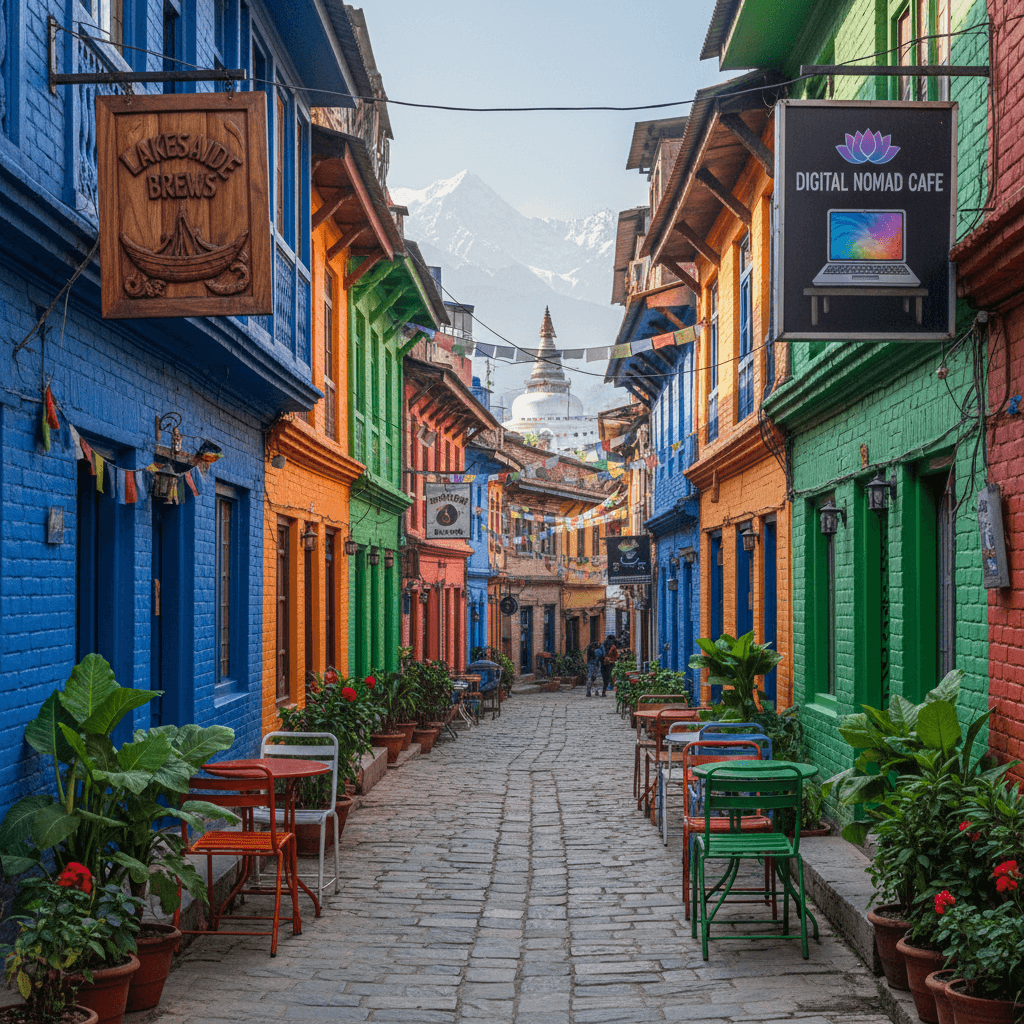
Bandipur isn't a place you go to hustle. It's where you go when the noise of Kathmandu or the social pressure of Pokhara starts to grate. Perched on a high ridge in Gandaki Province, this car-free village feels like a living museum of 18th-century Newari architecture. The main street, known simply as the Bazaar, is a pedestrian-only stretch of red-brick houses with intricately carved wooden windows. There are no honking horns or aggressive souvenir sellers here; just the sound of footsteps on stone and the distant chime of temple bells.
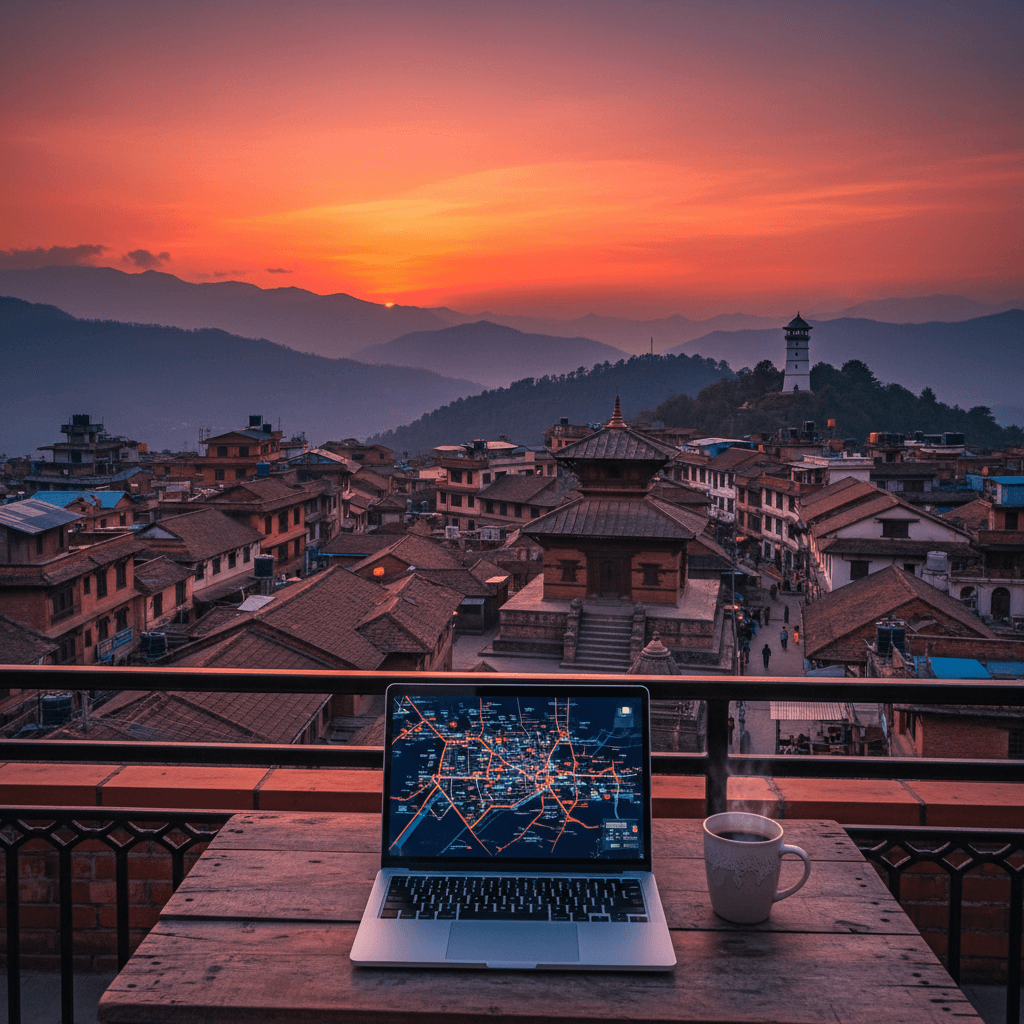
For a digital nomad, the vibe is intensely focused and meditative. Most travelers find that the lack of modern distractions makes it an ideal spot for deep work or creative projects. You'll spend your mornings watching the sunrise over the Dhaulagiri and Annapurna ranges and your afternoons working from a balcony with a view that puts any office cubicle to shame. It's a slow-paced life where the biggest event of the day might be a walk to Tundikhel to watch the clouds roll into the valley below.
Cost of Living
Living here is remarkably affordable, though you'll trade luxury for authenticity. Since there aren't many dedicated "nomad" apartments, most people opt for long-term stays in family-run homestays or small hotels along the Bazaar. This makes Bandipur an excellent choice for those who want to set up a semi-permanent base in the hills while keeping expenses low.
- Budget ($400 to $600/month): Living like a local in a simple homestay, eating dal bhat, and spending your time on the free hiking trails.
- Mid-range ($700 to $1,000/month): A private room in a traditional Newari house, eating at cafes daily, and taking occasional guided trips.
- Comfortable ($1,200+/month): Staying in the best rooms with prime Himalayan views and frequent trips to nearby cities for supplies.
Village Layout and Living Areas
Bandipur is compact enough that you can walk from one end to the other in fifteen minutes. There aren't neighborhoods in the traditional sense, but your choice of location changes your experience significantly.
- The Bazaar: This is the heart of the village. It's where you'll find the most social interaction, the best coffee, and direct access to the few shops available. Rent for a basic room here usually lands between NPR 15,000 and 25,000 ($110 to $185) per month.
- The Outskirts: If you head toward the trails leading to Ramkot or Siddha Cave, the guesthouses get even quieter. It's more secluded, but you'll have a longer walk to get a decent meal or a stable Wi-Fi signal.
The Remote Work Reality
Don't expect fiber-optic speeds here. Most guesthouses and cafes offer speeds between 10 and 30 Mbps, which is plenty for emails, Slack, and the occasional Zoom call, but might struggle with heavy 4K video uploads. There aren't any formal coworking spaces, so nomads usually colonize the quiet cafes along the Bazaar. You can grab a coffee and a doughnut for about NPR 100 to 200 and work for hours without being moved along.
Reliability can be an issue during the monsoon season from June to September when heavy rains sometimes disrupt the local infrastructure. Smart nomads always keep a local SIM card from Ncell or NTC as a backup. It’s best to buy your data packs in Dumre or Pokhara before heading up the hill, as options in the village itself are limited.
Safety and Daily Life
Safety is almost a non-issue in Bandipur. It’s one of the few places where you can walk alone at night with total peace of mind. The community is tight-knit and welcoming, though English proficiency is lower than in the bigger cities. Learning a few phrases like Namaste or Dhanyabad goes a long way with the locals. For healthcare, there are basic clinics for minor issues, but for anything serious, you'll need to head 45 minutes down the mountain to the Prithvi Highway or a few hours further to Pokhara. Always ensure you have comprehensive travel insurance that covers medical emergencies in remote areas.
The social scene is quiet. There is no nightlife to speak of, and the village generally goes to sleep by 9:00 PM. You'll meet people at communal dinners in homestays or while hiking to the Mountain View Hotel in Ramkot. It’s a destination for those who prefer a meaningful conversation over a gin and tonic to a loud club. If you need a "reset button" from the digital world while still staying connected enough to earn a living, Bandipur is unrivaled.
Living Like a Local in Bandipur
Bandipur isn't your typical digital nomad hub. It's a preserved slice of Newari history where the streets are made of slate and the cars are parked far away at the village entrance. Because it's so small, your cost of living depends entirely on how much you're willing to lean into the local lifestyle. If you're happy with a simple room in a traditional house and a steady diet of dal bhat, you'll find your bank account barely takes a hit.
Most nomads who settle here for a month or two manage quite well on a mid-range budget of $700 to $1,000 USD. This covers a private room with a decent view, plenty of cafe sessions, and the occasional guided hike to places like Siddha Cave. If you're on a tighter budget, you can get by on $400 to $600 USD by sticking to homestays and local eateries. For those wanting a more comfortable setup with the best Himalayan vistas and frequent trips to Pokhara, plan for $1,200 USD or more.
Monthly Budget Estimates
- Housing: Expect to pay between NPR 15,000 and 25,000 ($110 to $185 USD) for a basic studio or a private room in a central homestay. Prices are flexible if you're staying for more than 30 days.
- Food and Drink: A standard plate of dal bhat at a local spot costs NPR 250 to 400 ($1.90 to $3.00). Western-style cafes along the Bazaar charge about NPR 300 to 500 ($2 to $4) for a meal, while a nice dinner at a guesthouse might run NPR 800 ($6).
- Connectivity: A 20GB data pack from Ncell or NTC costs around NPR 500 to 1,000 ($4 to $7). Since village WiFi can be hit or miss during the monsoon, a solid data plan is your best insurance policy.
- Transportation: There's no ride-hailing here. Local buses from the base of the hill at Dumre cost about NPR 200 to 500 ($1.50 to $4). Once you're in the village, your only transport cost is a good pair of walking shoes.
Settling In: Neighborhoods and Housing
The village is too compact for distinct neighborhoods, so your choice is really between the Bazaar and the outskirts. The Bazaar is the heart of the action. It's where you'll find the cafes and the most reliable power. It’s pedestrian only, so it stays remarkably quiet despite being the "center." Nomads usually prefer this area because everything is within a five minute walk.
The outskirts, near the trails leading to Ramkot, offer more seclusion. You'll get incredible mountain views and absolute silence, but you'll be walking further for your morning coffee. Most housing is found through word of mouth or by booking a few nights at a homestay and negotiating a monthly rate in person. There aren't many formal rental listings online for Bandipur, so showing up and talking to locals is the standard move.
The Practicalities of Remote Work
Internet speeds usually hover between 10 and 30 Mbps. It’s enough for emails, Slack, and the occasional Zoom call, but don't expect to upload 4K video files without a struggle. There are no dedicated coworking spaces, so the cafes along the Bazaar become your de facto office. Most owners are happy to let you linger for the price of a coffee or a plate of Newari doughnuts.
Banking is another quirk of village life. ATMs are sparse and often unreliable, so most travelers recommend stocking up on cash in Dumre or Pokhara. For long-term stays, using apps like IME Pay or Khalti for local transfers is much easier than carrying stacks of cash.
Safety and Wellness
Bandipur is incredibly safe. The lack of cars and the tight-knit community mean crime is almost nonexistent. For healthcare, there are basic clinics for minor issues, but for anything serious, you'll need to head to the highway towns or Pokhara. The real "wellness" here is the pace; most nomads find the clean air and mandatory uphill walks do more for their health than any gym could.
The Bazaar (Village Core)
For most nomads and solo travelers, the Bazaar is the only place to be. It is a preserved 18th-century Newari street that feels more like a living museum than a transit hub. Because the entire core is car-free, you can walk out of your guesthouse and immediately start working from a cafe without the sound of motorbikes or horns. It is the heart of the village's social life, such as it is, and where you will find the most reliable homestays and the few spots capable of brewing a decent coffee.
- Monthly Rent: $110 to $185 (NPR 15,000 to 25,000)
- Daily Meal Cost: $4 to $10
- Pros: Pedestrian-only, best access to shops, and reliable Himalayan views from rooftop terraces.
- Cons: Can get busy with day-trippers on weekends; stone paths are steep and can be slippery when it rains.
Village Outskirts (Nature & Silence)
If you are looking for absolute seclusion or are traveling with a partner and want more space, look toward the edges of town near the trails to Ramkot or the Siddha Cave. These areas offer traditional farmhouses and quieter homestays. You will trade the convenience of the Bazaar for deeper immersion in the hills. It is perfect if your work requires deep focus and you do not mind a 15-minute hike to grab a meal or a SIM card top-up.
- Monthly Rent: $80 to $140 (NPR 10,000 to 19,000)
- Daily Meal Cost: $3 to $7
- Pros: Total silence, immediate trail access, and lower prices.
- Cons: Limited lighting at night, fewer food options, and further from the strongest mobile signals.
Best for Digital Nomads
Stick to the Bazaar. Since there are no dedicated coworking spaces, your room or a local cafe is your office. Most nomads prefer staying near the main street to stay connected to the few places with decent WiFi, typically 10 to 30 Mbps. If the connection drops during a storm, you are close enough to the local shops to find a backup. The new 2025 digital nomad visa makes staying here for several months a breeze if you earn over $1,500 a month, and the Bazaar offers the most "urban" comforts you can find in this rural pocket.
Best for Solo Travelers
The Bazaar homestays are the safest and most social bet. While Bandipur is incredibly safe with almost zero crime, solo travelers often appreciate being where the people are. You will likely meet others at communal dinners where dal bhat is served for around $1.50. It is easy to find hiking partners for the trek to Ramkot or the descent to Siddha Cave just by hanging out at the local doughnut shops in the morning.
Best for Families
Families usually thrive in the central homestays just off the main street. The lack of cars makes it one of the few places in Nepal where kids can run around without constant supervision. Many families opt for "Comfortable" tier stays, which run about $1,200 a month and include private bathrooms and better views. The hospitality is warm, and locals are famously welcoming to children, often treating guests like extended family.
Best for Long-Term Expats
Because Bandipur is so small, there is no "expat neighborhood." Most long-termers choose the quiet outskirts to save on rent while maintaining a 10-minute walk to the center. If you are staying for more than a month, try to negotiate a rate in person. You can often land a private room for $120 a month if you commit to a longer stay. For banking and more robust healthcare, you will need to head down the hill to Dumre or take a bus to Pokhara, which is about 3 hours away.
Connectivity and Speeds
Bandipur is a place for deep work and creative resets rather than high stakes video conferencing. While the village is slowly modernizing, the internet is typical of rural Nepal. You can generally expect speeds between 10 and 30 Mbps in most guesthouses and cafes along the main Bazaar. It’s enough for emails, Slack, and standard web browsing, but it often struggles with high bandwidth tasks like 4K video uploads or seamless screen sharing during the monsoon rains.
Most nomads find that the connection is stable enough for a morning of focused writing or coding, but having a backup is mandatory. Power outages happen, though many local lodges now use solar backups or small generators. If you need to be online for a specific meeting, always check your guesthouse's backup situation before booking a long stay.
Mobile Data and SIM Cards
Don't wait until you arrive in Bandipur to sort out your mobile data. There aren't major telecom shops in the village center. Most expats recommend picking up a prepaid SIM from Ncell or NTC in Pokhara or the nearby highway town of Dumre. A starter pack with 10 to 20 GB of data will usually cost you between NPR 300 to 400.
- Ncell: Generally offers better data speeds in tourist areas and is easier for foreigners to register.
- NTC (Nepal Telecom): Often has better coverage in the deeper mountain trails and rural outskirts.
- Top-ups: You can buy recharge cards at small kiosks along the Bazaar, or use local apps like IME Pay or Khalti if you have a local bank account.
Where to Work
There are no formal coworking spaces in Bandipur. The village is too small for dedicated desks and neon lighting. Instead, the working culture revolves around the cafes lining the stone paved Bazaar. Most spots are happy to let you linger for a few hours if you're ordering coffee or food. The vibe is quiet and respectful, and you'll often be working alongside the sound of distant temple bells rather than office chatter.
- Bazaar Cafes: Several spots serve decent espresso and local doughnuts for about NPR 100 to 200. These are the go to for a morning session with a view of the street life.
- Homestay Balconies: Many nomads prefer working from their own guesthouses. Places like the Old Inn or various family run homestays offer wooden balconies with direct views of the Himalayas. On a clear day, there isn't a better office in the world.
- Ramkot: If you want total isolation, hike out toward a quiet guesthouse in Ramkot. It’s a bit of a trek, but the silence is perfect for "monk mode" productivity.
The Digital Nomad Visa
Nepal’s new digital nomad visa, rolling out through 2025, is a game changer for those wanting to stay in Bandipur long term. To qualify, you’ll need to prove an income of at least $1,500 per month. The visa allows for stays up to five years and provides perks like the ability to open a local bank account, which makes paying for monthly rent and utilities much smoother. Travelers note that the $100,000 health insurance requirement is strictly enforced for this visa category, so make sure your policy is up to spec before applying.
Practical Realities
While the lack of infrastructure can be a hurdle, most remote workers here view it as a feature, not a bug. It forces a slower pace of life. If you have a deadline that requires 100 Mbps fiber, you might want to finish it in Pokhara before heading up the hill. But for those who can manage on 20 Mbps and a mobile hotspot, the trade off is fresh mountain air and a car free environment that's hard to find anywhere else in Asia.
Safety and Security
Bandipur is remarkably safe, even by the high standards of rural Nepal. Since the village center is entirely pedestrian, you won't have to dodge the chaotic traffic or aggressive honking typical of Kathmandu. Most nomads find the atmosphere here incredibly relaxed; there is no aggressive sales culture or "tourist tax" hustle. You can walk the main Bazaar street at night without a second thought, as the community is tight knit and crime is rare.
The primary safety concerns are environmental rather than social. If you're heading out on the two hour hike to Ramkot or down to Siddha Cave, stay on the marked trails. The terrain is steep and can get slippery, especially during the monsoon months of June through September when landslides are a real risk in the Gandaki Province. While the village is safe, it's smart to let your homestay host know if you're planning a solo trek into the hills.
- Emergency Numbers: Dial 100 for police and 102 for an ambulance.
- Walking Safety: Stick to the Bazaar after dark; while safe, the outskirts lack street lighting and the terrain is uneven.
- Local Scams: Virtually nonexistent here, though it's always polite to agree on jeep prices from Dumre before starting the climb.
Healthcare and Medical Services
Healthcare in the village is limited to basic needs. You'll find small pharmacies and a local clinic along the Bazaar that can handle minor ailments like "Delhi belly," respiratory infections, or small cuts. For anything more serious, you'll need to head down the hill. The nearest reliable medical facilities are located in the towns along the Prithvi Highway, about a 30 to 60 minute drive away. For major emergencies or specialized care, nomads usually travel to Pokhara or Bharatpur.
If you're applying for the new digital nomad visa, keep in mind that the government requires proof of health insurance with at least $100,000 in coverage. This is a steep requirement for a small village, but it reflects the high cost of medical evacuations in mountainous regions. Most expats recommend carrying a personalized first aid kit with antibiotics and hydration salts, as specific brands of medication can be hard to find locally.
Pharmacies and Supplies
- Village Pharmacies: Located in the Bazaar; best for bandages, paracetamol, and basic cold meds.
- Prescriptions: Bring a 90 day supply of any chronic medications, as local stock is unpredictable.
- Water Safety: Never drink the tap water. Use a filtered bottle or buy large 20 liter jugs to minimize plastic waste.
Insurance and Evacuation
Because Bandipur is relatively isolated, your travel insurance should specifically cover trekking and emergency medical transport. If you have a serious accident on a trail, a jeep ride to Pokhara isn't always the fastest or safest option. Many long term travelers use providers like SafetyWing or World Nomads, but ensure your policy specifically mentions Nepal and the altitudes you plan to visit, even though Bandipur sits at a moderate 1,030 meters.
Expats often mention that the biggest health hurdle here isn't disease, but the lack of immediate specialized care. If you have a pre-existing condition that requires regular monitoring, the isolation of Bandipur might be a challenge. However, for the average healthy nomad, the clean mountain air and daily uphill walks usually result in a significant health boost rather than a decline.
Walking the Village
Bandipur is a rare find in Nepal because the village core is entirely car-free. The main Bazaar is paved with slate and lined with 18th-century Newari buildings, creating a pedestrian sanctuary where the only traffic you'll encounter is the occasional goat or a group of school kids. For nomads, this means your daily commute from a homestay to a cafe involves zero exhaust fumes and plenty of Himalayan views.
The village is compact enough that you can walk from one end to the other in about 15 minutes. While the main street is flat, keep in mind that any exploration outside the Bazaar involves steep stone steps and dirt paths. If you're heading toward the outskirts or the trails leading to the Buddha Monastery, wear shoes with decent grip. Most residents simply walk everywhere, and you'll quickly find yourself falling into that same slow rhythm.
Getting to Bandipur
Since there are no vehicles allowed in the center, getting here requires a bit of a climb. Most travelers arrive via the Prithvi Highway, which connects Kathmandu and Pokhara. You'll want to jump off the bus at Dumre, the dusty junction town at the base of the hill.
- Local Bus: From Dumre, small local buses and public jeeps depart regularly for the 8km winding climb up to Bandipur. Expect to pay around NPR 100 to 200. It's a bumpy, crowded 30-minute ride, but it's the most authentic way to arrive.
- Private Taxi: If you've got heavy luggage or just want some personal space, a taxi from Dumre usually costs between NPR 600 and 1,000 depending on your bargaining skills.
- Long Distance: Tourist buses running between Kathmandu and Pokhara can drop you at Dumre. From Kathmandu, it’s a 6 to 8 hour journey, while Pokhara is a much shorter 2 to 3 hour trip. Prices for these seats usually range from NPR 800 to 1,500.
Transport Apps and Rentals
Don't bother looking for Pathao or InDrive here. While those ride-hailing apps are life-savers in Kathmandu or Pokhara, they don't operate in Bandipur. There are no scooter or bike rentals in the village either; the terrain is simply too vertical and the village too small to make them practical. If you need to head back down to the highway for errands or to find an ATM, your best bet is to catch a departing jeep or ask your homestay host to call a local driver they trust.
Onward Travel
When it's time to move on, most nomads head toward Pokhara to get back to high-speed internet and coworking spaces. You can catch the local bus back down to Dumre starting early in the morning. If you're planning to catch a specific tourist bus on the highway, give yourself at least an hour of lead time to account for the "mountain timing" of local transport. For those looking for a more adventurous exit, many hikers choose to trek the 2 hour trail down to the highway rather than taking the bus, though you'll want to send your main bags down with a driver.
Regional Access
- Pokhara Airport (PKR): This is your nearest flight hub. It's about 80km away, and a private car transfer will usually set you back NPR 5,000 to 7,000.
- Siddha Cave: If you're visiting the famous cave, it's a 90-minute hike down from the village. Many people hike down and then catch a local bus from the highway back up to Bandipur to save their knees.
- Ramkot: This traditional Magar village is a popular 2 to 2.5 hour walk from the Bazaar. There are no roads for cars here, so your feet are your only option.
The Local Lingo
In Bandipur, you'll mostly hear Nepali echoing through the car free streets, though the village is historically a Newari settlement. Locals often speak their own Newari dialect at home, but they'll switch to Nepali to chat with you. Don't expect high levels of English proficiency here. While homestay hosts and younger shopkeepers along the Bazaar can handle basic requests, the language barrier is part of the territory in rural Nepal.
Most nomads find that a few key phrases go a long way. Starting a conversation with "Namaste" isn't just a greeting; it's a sign of respect that opens doors. If you're asking for the price of a coffee or a bus ticket to Dumre, use "Kati?" (How much?). To show appreciation for a particularly good plate of dal bhat, "Dhanyabad" (Thank you) is your best friend. For anything more complex, you'll likely be relying on gestures or translation apps.
Tech and Translation
Since English isn't widely spoken outside the main tourist path, you'll want to have Google Translate ready on your phone. Travelers often recommend downloading the Nepali offline pack before you arrive, as the WiFi in Bandipur can be spotty during the monsoon rains. It's a lifesaver when you're trying to explain a dietary restriction or navigating a trail toward Ramkot and need directions from a local farmer.
For digital nomads, communication also means staying connected. You won't find many places to buy SIM cards in the village itself. Expats recommend picking up an Ncell or NTC prepaid card in Pokhara or at the base of the hill in Dumre. You can usually get a starter data pack with 10GB to 20GB for around NPR 300 to 400. This is your safety net for when the homestay internet inevitably dips below its usual 10 to 30 Mbps.
Social Etiquette and Customs
Communication in Bandipur is as much about what you do as what you say. The culture is conservative and deeply rooted in tradition. Travelers emphasize the importance of modest dress; keep your shoulders and knees covered to avoid unwanted attention or causing offense. When you're entering a temple or someone's home, always remove your shoes and leave them by the door.
A few small habits will help you blend in:
- Use your right hand: Whether you're handing over cash at a shop or eating with your hands, always use your right. The left hand is traditionally considered unclean.
- Respect the quiet: Bandipur isn't a party town. The social vibe is centered around slow conversations over tea or evening meals at homestays. Keep your volume down, especially after dark.
- Ask before photos: While the Newari architecture is stunning, always ask for permission before snapping photos of locals or their private courtyards.
Networking and Meeting People
If you're looking for a structured nomad community, you might find Bandipur a bit lonely. There aren't any formal coworking spaces or weekly meetups. Most nomads meet each other organically at places like the Mountain View Hotel or while grabbing a doughnut at the cafes along the Bazaar. It's a "nod and smile" kind of town where you'll start recognizing the same three or four remote workers within a couple of days.
For more robust networking, you'll need to head to the Nepal digital nomad forums or Facebook groups based in Pokhara. However, the lack of a "scene" is exactly why people come here. It's a place for deep focus and quiet reflection rather than constant social climbing. If you're staying for the long haul on a long-term tourist visa extension or business visa, you'll likely find your social circle consists more of friendly locals and the occasional hiker than a massive expat bubble.
The High-Altitude Sweet Spot
Bandipur sits at a comfortable elevation in the Mahabharat Range, creating a subtropical highland climate that avoids the sweltering heat of the Terai plains and the bone-chilling cold of the high Himalayas. For nomads, this means a year-round workspace where you rarely need heavy air conditioning or thick arctic gear.
Most travelers agree the sweet spot for a visit falls between October and May. This window offers the crispest air and the most reliable views of the Annapurna range and Dhaulagiri. During these months, daytime temperatures usually hover between 20°C and 30°C (68°F to 86°F), making it perfect for afternoon hikes to Ramkot or working from a balcony on the Bazaar street.
Peak Season: October to December
If you’re coming for the views, this is your time. After the monsoon rains wash the dust from the air, the visibility is unparalleled. Expect sunny days and cool nights where temperatures can dip to 10°C (50°F). You'll want a solid fleece for the evenings, especially if you're staying in a traditional Newari homestay that might not have central heating.
- Atmosphere: Clear, blue skies and peak trekking energy.
- Nomad Tip: This is the busiest time for the village. If you want a long-term rental near the central Bazaar for under NPR 20,000, book well in advance.
- Cloud Cover: Minimal; the Himalayan panoramas are usually visible from sunrise until dusk.
The Dry Spring: March to May
Spring is the second best window for a long stay. The rhododendrons start blooming on the trails toward Siddha Cave, and the temperatures begin to climb back up. It’s slightly hazier than autumn, but the warmth makes it the best time for digital nomads who prefer working outdoors in short sleeves.
Daytime highs often hit 28°C (82°F). While the mountain views might be obscured by afternoon haze, the village life is at its most active. You’ll find the stone-paved streets full of local life rather than just tourists. It’s a great period for those looking to integrate into the community while the weather remains stable.
The Monsoon Challenge: June to September
Most seasoned nomads suggest avoiding Bandipur during the peak monsoon months of July and August. The village receives heavy rainfall that can turn the steep walking paths into slippery hazards. Landslides along the Prithvi Highway are common, which can turn a three-hour trip from Pokhara into an all-day ordeal.
- Rainfall: Heavy daily downpours, often in the late afternoon or overnight.
- Connectivity: WiFi in rural Nepal is notoriously fickle during storms. Power outages are more frequent, and the 10-30 Mbps speeds you rely on in the Bazaar cafes may drop or disappear entirely.
- Visibility: The mountains usually stay hidden behind a thick curtain of clouds and fog for weeks at a time.
Winter Stays: January and February
Winter is a quiet, contemplative time in the village. While it never gets truly freezing during the day, the nights are brisk. If you’re a writer or a developer looking for deep focus and total silence, the "off-season" offers the best leverage for negotiating monthly rates at guesthouses. You might snag a room with a view for as low as NPR 15,000 per month if you're willing to layer up when the sun goes down.
Quick Climate Reference
- Best Himalayan Views: October, November, December.
- Warmest Months: April, May, June (average 27°C).
- Wettest Months: July and August (expect 400mm+ of rain).
- Coolest Months: January and February (lows of 8°C).
Connectivity and the Remote Work Reality
Working from Bandipur is more about focus and "deep work" than high-speed streaming. Most homestays and cafes along the Bazaar offer speeds between 10 and 30 Mbps. It's enough for emails and basic Zoom calls, but don't expect to upload 4K video during a monsoon downpour. If you need a reliable backup, grab an Ncell or NTC SIM card in Dumre or Pokhara before you head up the hill. A starter pack with 20GB of data usually runs about NPR 500 to 1,000.
You won't find glass-walled coworking spaces here. Instead, nomads set up shop in quiet cafes along the main street. Grab a coffee and a doughnut for NPR 150 and enjoy the Himalayan views. It’s a casual culture where owners don't mind if you linger for a few hours, provided you're buying the occasional snack. Most travelers find the lack of distractions actually boosts their productivity compared to the chaos of Kathmandu.
Cost of Living Breakdown
Bandipur is remarkably affordable, even by Nepal standards. Since it's a car-free village, your transport costs within the town are zero. Your biggest expense will be your long-term stay, which is often negotiated directly with homestay owners.
- Budget Monthly Total: $400 to $600. This covers a basic homestay room, plenty of dal bhat, and local hiking.
- Mid-range Monthly Total: $700 to $1,000. This allows for a private room with a better view, frequent cafe meals, and occasional guided trips to places like Siddha Cave.
- Monthly Rent (Village Center): NPR 15,000 to 25,000 ($110 to $185 USD) for a simple 1BR or studio.
- Daily Meals: Local street food or a filling plate of dal bhat costs NPR 100 to 200, while a dinner at an upscale homestay might hit NPR 800.
The New Digital Nomad Visa
Nepal is rolling out a dedicated digital nomad visa in 2025. It's a game changer for anyone wanting to stay longer than a standard tourist visa allows. The 5-year, multiple-entry visa requires proof of earnings over $1,500 per month. One specific requirement is health insurance coverage of at least $100,000, so make sure your policy is airtight before applying. This visa also makes it easier to open a local bank account and use fintech apps like IME Pay or Khalti.
Navigation and Logistics
The village is entirely walkable. In fact, you have no choice; the central Bazaar is pedestrian-only. To get here, you'll likely take a bus or jeep from Dumre, which is the gateway town on the Prithvi Highway. That ride costs about NPR 200 to 500. If you're coming from Pokhara, expect a 3-hour journey costing around NPR 1,500 by tourist bus.
Banking is a bit of a hurdle. ATMs are sparse in the village and frequently run out of cash or reject foreign cards. It's a good idea to withdraw plenty of Nepalese Rupees in Pokhara or Dumre before arriving. While some larger guesthouses might take cards, cash is king for daily life and market stalls.
Safety and Health
Bandipur is incredibly safe. The "no cars" policy makes the streets peaceful, and the small-town vibe means everyone knows everyone. There aren't any specific neighborhoods to avoid, though you should stick to marked trails if you're hiking toward Ramkot to avoid getting turned around as dusk hits.
For healthcare, there are basic clinics and pharmacies along the Bazaar for minor issues. If something serious happens, you'll need to head down to the highway towns or back to Pokhara. Always carry a basic first aid kit and your own supply of any specific prescriptions, as the village pharmacies stock only the essentials.
Cultural Etiquette
The Newari culture here is traditional and preserved. Always remove your shoes before entering someone's home or a temple. Dress modestly; even though it's a tourist destination, keeping your shoulders and knees covered is respected. When greeting locals, a simple "Namaste" goes a long way. Use your right hand for giving or receiving money, as the left hand is traditionally considered unclean.
Need visa and immigration info for Nepal?
🇳🇵 View Nepal Country GuideHidden Gem
Worth the effort
Monthly Budget Estimates
More cities in Nepal
Lalitpur (Patan)
🇳🇵 Nepal
Kathmandu
🇳🇵 Nepal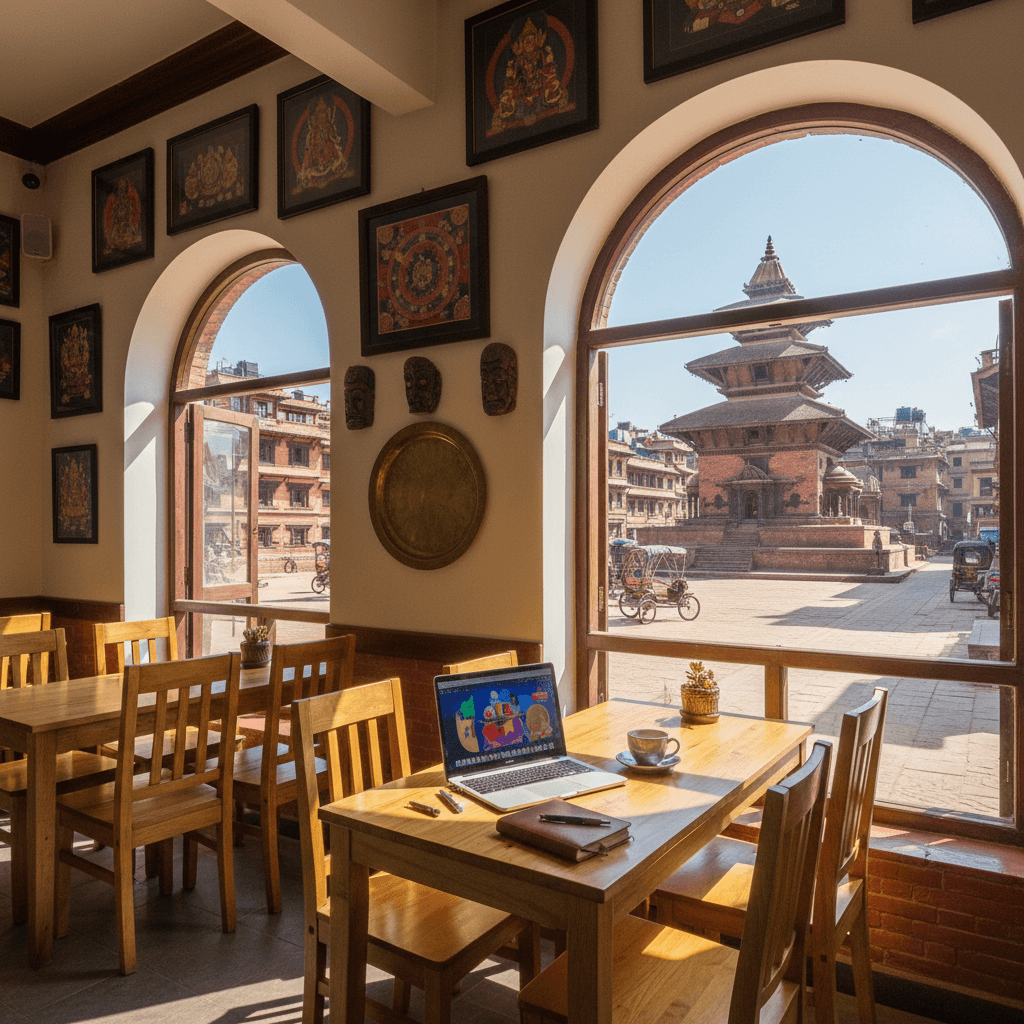
Bhaktapur
🇳🇵 Nepal