Balneário Camboriú
🇧🇷 Brazil
The Dubai of Brazil
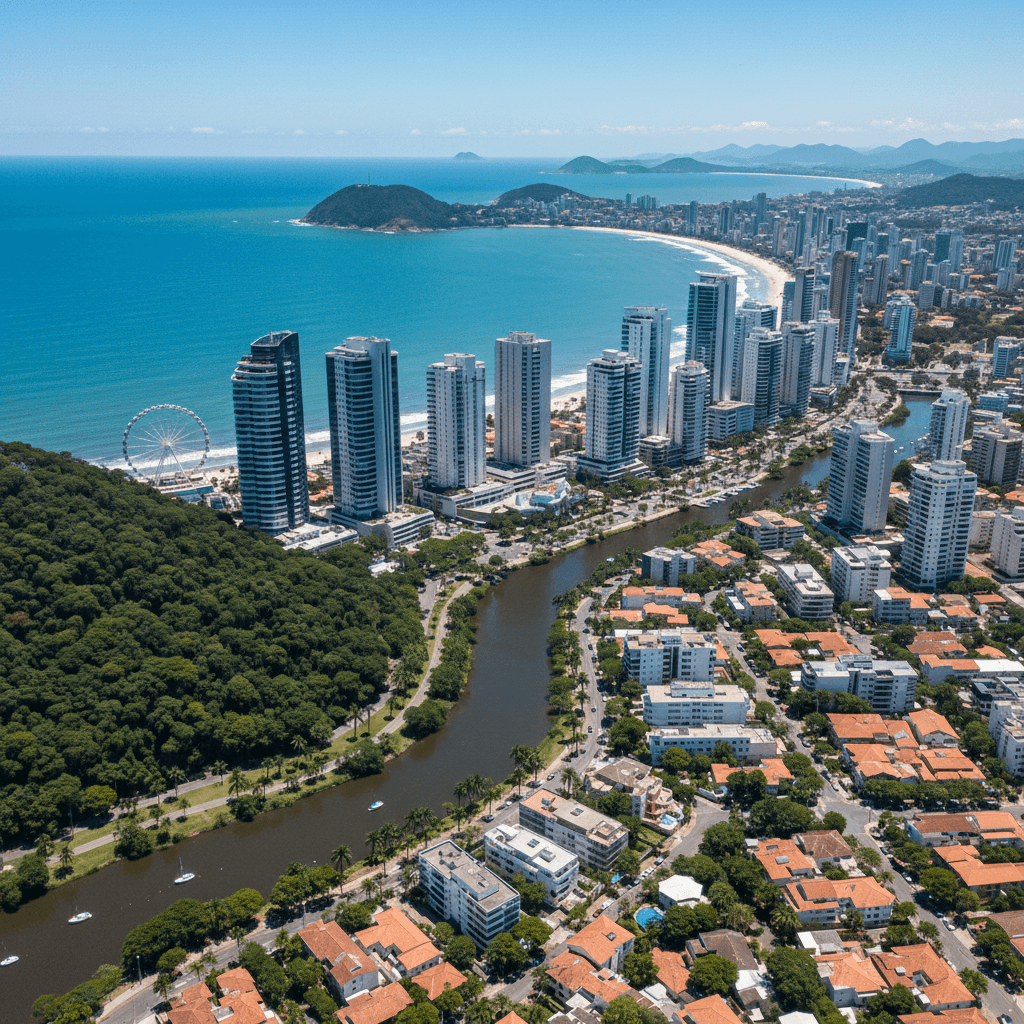
If you've spent any time in the typical Brazilian surf towns of Bahia or the rugged cliffs of Rio, arriving in Balneário Camboriú feels like stepping into a different country. The skyline is the first thing you notice; a wall of supertall skyscrapers that hug the Atlantic coast so tightly they actually cast shadows over the sand by mid afternoon. Local nomads call it the Dubai of Brazil, and the comparison sticks. It is polished, ambitious, and unapologetically upscale.
The vibe here is a unique blend of high stakes real estate and low stress beach living. You'll see Ferraris parked next to juice stands and professionals in business suits grabbing a post work acai bowl while still wearing their flip flops. It is a city that prioritizes security and infrastructure, making it a favorite for digital nomads who are tired of the grit and want a place where they can walk home with their laptop at 11:00 PM without a second thought.
The Nomad Lifestyle
Living here means trading the bohemian "hippie chic" of nearby Florianópolis for a more curated, luxury experience. The social scene revolves around the Avenida Atlântica, a long stretch of boardwalk where everyone from fitness influencers to retired executives gathers for morning runs. Most nomads find the city exceptionally easy to live in because everything is vertical and walkable. You can live in a 40th floor apartment, take the elevator down to a coworking space, and be in the ocean five minutes later.
While the city feels like a playground for the wealthy, the growing remote work community brings a grounded energy. You'll find people working from beachside cafes or modern hubs in the Centro district. It is not the cheapest spot in South America, but you get what you pay for in terms of fast internet, reliable electricity, and a level of safety that is rare in larger Brazilian metros. Travelers often say the emotional experience of being here is one of total relief; you can finally let your guard down and just enjoy the scenery.
Cost of Living Breakdown
Balneário Camboriú is a premium market. While your Brazilian Reais will go further than Dollars or Euros, expect to pay a "luxury tax" for the prime locations. Most expats recommend budgeting at least R$8,000 to R$12,000 per month for a mid range lifestyle.
- Housing: A modern 1BR in Centro or Barra Sul usually runs between R$4,000 and R$8,000. If you want those famous ocean views, prices can easily climb past R$15,000.
- Food and Dining: Street food like pão de queijo or pastéis costs R$10 to R$20. A nice meal at a mid range churrascaria or seafood spot averages R$40 to R$60, while high end dining starts at R$100.
- Work and Connectivity: Coworking desks typically cost R$500 to R$1,500 per month. A prepaid SIM from Claro or Vivo with 50GB of data is a steal at about R$50.
- Transportation: The city is very walkable, but Uber is the go to for longer trips. A typical ride across town is R$15 to R$25.
Where to Plant Your Flag
Choosing a neighborhood depends on how much "action" you want outside your front door. The city is relatively compact, but the atmosphere shifts as you move along the coast.
Centro (The Heart)
- The Draw: This is where the energy is. You are steps away from the best gyms, supermarkets, and coworking spots.
- The Tradeoff: It gets crowded during the summer months (December to February) and can feel quite touristy.
- Walkability: 10/10. You won't need a car.
Barra Sul (The Sophisticated End)
- The Draw: Home to the most iconic high rises and the cable car to Unipraias Park. It feels a bit more residential and quiet than Centro.
- The Tradeoff: Nightlife is more subdued here; you'll be taking an Uber to Centro for the big clubs.
- Safety: Extremely high, with private security and well lit streets.
The Practical Realities
The weather is subtropical, which means summers are hot and humid, often hitting 32°C. Winters are surprisingly mild, staying around 18°C, which is perfect for hiking the nearby trails without melting. While Portuguese is the main language, the heavy tourism and luxury market mean you'll find more English speakers here than in the interior of Santa Catarina. Still, downloading Google Translate and learning basic phrases like "Quanto custa?" will go a long way with the locals.
For money, most nomads use Wise or Nubank to handle transfers. ATMs are everywhere, but you'll rarely need cash; even the smallest beach kiosks take cards or Pix, Brazil's instant payment system. If you need a break from the skyscrapers, Navegantes Airport (NVT) is just 15km away, making it easy to hop over to Rio or down to the mountains for a weekend change of pace.
The Price of the Brazil Dubai
Living in Balneário Camboriú feels different from the rest of Brazil. You aren't just paying for a place to sleep; you're paying for a spot in the most impressive skyline in South America. While Brazil is generally affordable for those earning in Dollars or Euros, this city is the exception that proves the rule. It is a premium market where luxury is the standard, not the outlier.
Most nomads find that their biggest expense here is housing. The city is narrow, squeezed between the mountains and the Atlantic, which has driven property prices through the roof. If you want to be in the heart of the action, expect a price tag that reflects that prestige.
Monthly Budget Breakdowns
Your total spend will depend heavily on how much of that high-rise lifestyle you want to consume. Here is how the monthly costs typically shake out for a solo nomad:
- The Budget Tier: R$5,000 to R$7,000. This covers a modest studio or a one bedroom apartment slightly further from the sand. You'll be eating at local "por kilo" restaurants and keeping your Uber usage to a minimum.
- The Mid-Range Tier: R$8,000 to R$12,000. This is the sweet spot for most digital nomads. It allows for a modern apartment in a building with a pool, regular dinners out at nice seafood spots, and a dedicated coworking membership.
- The Luxury Tier: R$15,000+. This gets you into the iconic towers in Barra Sul with ocean views, high end gym memberships, and frequent nights out at the city's upscale beach clubs.
Housing and Neighborhoods
Where you park your laptop matters. The city is highly walkable, but each zone has a distinct price point and vibe.
Centro (Central Beach)
This is the heartbeat of the city. You're steps away from the sand, the main shopping strips, and the best WiFi cafes. It is convenient, but it is also the loudest and most expensive area.
- Monthly Rent: R$4,000 to R$8,000 for a modern 1BR.
- Vibe: High energy, touristy, and very safe.
Barra Sul
Located at the southern end of the main strip, this area is home to some of the tallest residential buildings in the world. It feels a bit more exclusive and residential than Centro.
- Monthly Rent: R$7,000+ for premium units.
- Vibe: Sophisticated, quieter at night, and close to the scenic cable car.
Food and Daily Expenses
Groceries at local supermarkets like Angeloni or Koch are reasonably priced, but the social scene will tempt your wallet. A quick street snack like a coxinha or a pastel will only set you back R$10 to R$20. A solid mid-range meal with a drink usually lands between R$30 and R$50. If you head to the upscale waterfront restaurants, expect to pay R$100 or more for a high end dinner.
For connectivity, don't rely solely on your Airbnb WiFi. Most expats recommend grabbing a local SIM card from Claro or Vivo. You can get a prepaid plan with 20GB to 50GB of data for roughly R$30 to R$50 per month. If you need a professional environment, coworking spaces in the city typically range from R$500 to R$1,500 a month depending on whether you want a hot desk or a private office.
Getting Around
You likely won't need a car if you stay in the central areas. The city is flat and perfect for walking or biking along the boardwalk. When you need to go further, Uber is the gold standard. It is reliable and cheap; most rides within the city cost between R$15 and R$30. Budget around R$200 to R$400 a month for transport if you're exploring nearby beaches or heading to the mall regularly. If you're arriving from Navegantes Airport (NVT), an Uber will cost you about R$50 to R$100 for the 30 minute trip.
For Digital Nomads: Centro
If you want to be in the middle of the skyscraper madness, Centro is your base. This is where Balneario Camboriu earns its "Dubai of Brazil" nickname. You are steps away from the sand and surrounded by the highest concentration of coworking spaces and cafes with reliable 100 to 200 Mbps fiber internet. It is the most walkable part of the city, meaning you can ditch the car and move between your desk, the gym, and the beach on foot.
Living here comes with a premium. Expect to pay between R$4,000 and R$8,000 for a modern studio or one bedroom apartment. While it is the most convenient spot, it can get loud during the peak summer months of December through February. Most nomads use apps like Zap Imoveis to find mid term rentals or stick to Airbnb for the security of high rise building amenities like rooftop pools and modern fitness centers.
- Rent: R$4,000 to R$8,000 per month
- Vibe: High energy, urban, and ultra modern
- Best for: Networking, fast WiFi, and nightlife
For Expats and Long-Term Residents: Barra Sul
Barra Sul is the sophisticated older brother to the central district. It sits at the southern tip of the main beach strip and feels noticeably more residential and polished. Expats often choose this area because it offers a better balance of luxury living without the constant swarm of day trippers. It is home to some of the most iconic residential towers in South America, offering incredible views of the Atlantic and the river.
The price point here remains high, often starting at R$7,000 for units with ocean views. You will find better grocery stores and high end dining options here compared to the tourist heavy center. It is also the gateway to the Molhe da Barra Sul, a pier perfect for sunset walks. While there are fewer dedicated coworking offices here, the apartment buildings usually feature business lounges that are quiet enough for deep work.
- Rent: R$7,000+ for premium views
- Vibe: Exclusive, quiet, and scenic
- Best for: Luxury seekers and those staying 6+ months
For Families: Barra Norte and Surrounding Areas
Families usually gravitate toward the northern end of the beach or the quieter pockets just behind the first line of skyscrapers. Barra Norte is slightly more relaxed and provides easier access to green spaces and the Ferris wheel area, which is a hit with kids. The streets are wider and the pace feels less frantic than the heart of Centro.
Safety is the biggest draw for families in Balneario Camboriu. It is consistently ranked as one of the safest cities in Brazil, allowing for a level of freedom you won't find in Sao Paulo or Rio. You can comfortably walk the boardwalk at night with strollers. Monthly costs for a family sized three bedroom apartment typically range from R$10,000 to R$15,000 depending on how close you are to the water.
- Rent: R$10,000 to R$15,000 for 3BR units
- Vibe: Safe, active, and family oriented
- Best for: Security and proximity to parks
For Solo Travelers and Budget Seekers: Bairro das Nacoes
If the R$5,000 price tag for a central studio makes you wince, look a few blocks inland to Bairro das Nacoes. This is a traditional neighborhood where the locals live. You lose the immediate ocean view, but you gain a more authentic Brazilian experience and much lower prices. You can often find comfortable apartments for R$3,000 to R$4,500 here.
Solo travelers like this area because it is easy to find local "PF" (Prato Feito) lunches for R$30 instead of the R$100 you might spend at a beachfront tourist trap. You are still only a R$15 to R$20 Uber ride away from the beach or the main social hubs. It is a smart way to enjoy the safety and infrastructure of the city without the "skyscraper tax."
- Rent: R$3,000 to R$5,000
- Vibe: Local, authentic, and affordable
- Best for: Budget conscious travelers and solo explorers
Connectivity and Speed
In Balneário Camboriú, the internet isn't just a utility; it's as high-end as the skyline. Because the city caters to a wealthy demographic and a growing tech sector, fiber optic connections are the standard. You can easily find speeds ranging from 50 Mbps to 200 Mbps in most modern apartments and cafes. It's one of the few places in Brazil where "island time" doesn't apply to your upload speeds.
For mobile backup, local SIM cards are cheap and reliable. Expats usually lean toward Vivo or Claro for the best coverage. You can pick up a prepaid starter pack for around R$10 to R$50 at most pharmacies or shopping malls. Expect to pay roughly R$30 to R$50 per month for a data plan offering 20GB to 50GB, which is more than enough for hotspotting during a beachside work session.
Top Coworking Spots
The coworking scene here is evolving quickly, shifting from basic shared desks to sophisticated hubs that feel more like private clubs. While the city is compact, most of the action is concentrated in the Centro district. Prices typically range from R$500 to R$1,500 per month for a dedicated desk, depending on the level of luxury and amenities provided.
Cafe Culture and Laptop Friendly Zones
If you prefer the hum of a coffee shop over a structured office, the Avenida Atlântica area and its side streets are packed with options. Brazilian cafe culture is generally welcoming to laptop users, provided you aren't camping out for six hours on a single espresso. Most nomads recommend sticking to the mid range cafes where the WiFi is stable and the power outlets are accessible.
Look for spots in Centro or Barra Sul. These areas have the highest density of specialty coffee shops where the staff is used to seeing people work. Just keep an eye on the time during the lunch rush between 12:00 PM and 2:00 PM; it's polite to clear out or order a full meal when the tables start filling up with hungry locals.
Practical Remote Work Tips
The biggest challenge you'll face isn't the tech, it's the lifestyle. The city is built for leisure, so the temptation to close the laptop and head to the sand is constant. Many nomads find that a "split shift" works best here, hitting the gym or the beach early, working through the midday heat, and then joining the social scene in the evening.
- Power Stability: While the grid is modern, summer storms can occasionally cause flickers. Most high rise buildings have backup generators, but it's worth asking your host before booking a long term stay.
- Community: Join local Facebook groups or WhatsApp communities for nomads in Santa Catarina. While Balneário is its own hub, there is a lot of crossover with the digital nomad scene in nearby Florianópolis.
- Security: This is one of the safest cities in the country. You'll see people working on MacBook Pros in public cafes without the constant "look over your shoulder" anxiety common in larger Brazilian metros.
Safety in the Dubai of Brazil
Balneário Camboriú has earned a reputation as one of the safest urban environments in Brazil. For nomads who might be cautious about security in South America, this city feels like a breath of fresh air. You'll notice a heavy police presence and advanced surveillance systems that keep the high rise districts feeling secure around the clock.
Most expats feel comfortable walking the Avenida Atlântica at night or carrying a laptop in the Centro district. While you should always keep your wits about you, the localized "street smarts" required here are much lower than in Rio or São Paulo. The city is compact and wealthy, which naturally discourages the petty crime often found in larger Brazilian hubs.
- Emergency Contacts: Dial 190 for Military Police and 192 for SAMU (ambulance).
- Solo Travel: It is widely considered safe for solo female travelers, especially in the Barra Sul area.
- Beach Safety: Stick to the main stretches where lifeguards are present, as currents can be surprisingly strong.
Healthcare Infrastructure
The quality of medical care in Santa Catarina is some of the highest in the country. If you have international health insurance, you'll likely be directed to private hospitals like Hospital do Coração or Hospital Unimed. These facilities are modern, clean, and equipped with the latest technology. You'll find that many specialists in the private sector speak at least functional English, though having a translation app ready is still smart.
For minor issues, pharmacies (Farmácias) are on almost every corner in the Centro. Popular chains like Droasil and Panvel are reliable and often stay open late. Many medications that require a strict prescription in the US or Europe can be bought over the counter here after a quick consultation with the pharmacist.
Public vs. Private Care
Brazil has a universal healthcare system called SUS (Sistema Único de Saúde) which is free for everyone, including foreigners. While it's great for emergencies or basic vaccinations, most nomads prefer the private system to avoid long wait times. A typical private consultation with a specialist will run you between R$300 and R$600 if you are paying out of pocket.
Practical Wellness Tips
The sun in Southern Brazil is intense. Expats often underestimate the UV index during the summer months from December to February. High quality sunscreen is actually quite expensive in Brazil, often costing R$70 to R$120 per bottle, so it's one of the few things worth packing in bulk before you arrive.
Tap water is generally treated, but almost no one drinks it straight. Most apartments come with a built-in filter, or you can buy 20 liter water jugs (galões) for about R$15 to R$25. Staying hydrated is your best defense against the humid subtropical heat that peaks in mid summer.
Insurance Recommendations
While the city is safe, accidents happen, especially if you're taking advantage of the local hiking or kitesurfing. Most nomads here use SafetyWing or World Nomads. If you plan on staying long term, looking into a local Unimed plan can be a cost effective way to access the best private clinics in the state without the high per visit fees.
The Walkability Factor
If you're staying in Centro or Barra Sul, your own two feet will be your primary mode of transport. The city is designed with a linear, coastal layout that makes walking between your high rise apartment, the beach, and a local cafe incredibly easy. The Avenida Atlântica boardwalk is the heartbeat of the city; it's wide, well maintained, and safe for a midnight stroll or an early morning jog.
For those times you need to cover more ground, the city is quite bike friendly. You'll see locals and expats alike cruising along the dedicated lanes on the beachfront. You can easily find rental shops near the main tourist piers, and many long term apartment rentals include a bicycle as part of the amenities package.
Ride-Hailing and Taxis
When the subtropical humidity kicks in or you're heading out for a nice dinner, Uber is the undisputed king of transport here. It's reliable, exceptionally affordable, and generally considered safer than hailing random cars on the street. Most short trips within the city limits will cost you between R$15 and R$30.
- UberX: The standard choice for quick hops around town.
- Uber Comfort: Worth the extra few Reais if you want a newer car with better air conditioning during the peak of summer.
- 99: A local Brazilian competitor to Uber that sometimes offers better rates or localized promotions.
Taxis are available but typically more expensive. They're a solid backup if your phone battery dies or you're leaving a high end club in Barra Sul where drivers are already lined up. Expect to pay a premium compared to app based rides.
Public Transit and Buses
The local bus system is functional but basic. It's not the most intuitive for newcomers, though it's the cheapest way to get around if you're on a strict budget. Most nomads find the bus system a bit cumbersome for daily life when Uber is so cheap, but it's a viable way to reach the outskirts of the city or neighboring areas like Itajaí.
Getting to and from the Airport
Most travelers arrive via Navegantes Airport (NVT), located about 15km north of the city. Since there isn't a direct train link, you have a few specific options to reach your accommodation:
- Uber: The most popular choice for nomads. A ride typically costs between R$50 and R$100 depending on demand and traffic. The trip takes about 30 to 45 minutes.
- Airport Shuttles: Several companies operate vans that drop passengers off at major hotels or central points. These are cost effective if you're traveling solo.
- Ferry Crossing: To get from Navegantes to Balneário, your driver will likely take the ferry across the Itajaí-Açu River. It's a quick 10 minute crossing, and the toll is usually included in your Uber fare, but it's good to keep some small change handy just in case.
If you're coming from Florianópolis (FLN), expect a 2 hour drive. Private transfers or intercity buses are the standard here, with bus tickets usually hovering around R$40 to R$60.
Car Rentals and Parking
Unless you're planning frequent day trips to the mountain towns or distant surf breaks, you probably won't need a car. Traffic in Centro can be a nightmare during the peak summer months of December and January, and finding parking near the beach is notoriously difficult. If you do rent, expect to pay around R$150 to R$250 per day for a standard vehicle. Most luxury high rises include a parking spot, but always double check with your host before signing a lease.
The Portuguese Priority
In Balneário Camboriú, Portuguese is the undisputed king. While the city's skyline might remind you of Dubai, the linguistic landscape is firmly Brazilian. You'll find that most locals, from shopkeepers in Centro to servers at upscale beach clubs, speak little to no English. It's a common hurdle for newcomers, but the locals are famously patient and will usually go out of their way to understand a game of charades or a translated screen.
Expats and long term nomads generally find that while they can survive on "Portunhol" (a mix of Portuguese and Spanish), learning the basics is what truly unlocks the city. Most people here are incredibly social; if you can manage a few sentences at a beach bar, you'll find your social circle expanding much faster than if you stick strictly to English speaking bubbles.
English Proficiency and Where to Find It
If your Portuguese is non existent, you'll find the highest concentration of English speakers in the luxury hotels, high end real estate offices, and the more expensive restaurants along Avenida Atlântica. Younger professionals and staff at the newer coworking spaces are also more likely to be proficient. However, don't expect the average Uber driver or pharmacy clerk to follow a complex English sentence.
Most nomads recommend leaning heavily on Google Translate. The camera feature is particularly useful for reading menus at seafood spots or understanding utility bills. For voice conversations, the app's "Conversation" mode is a lifesaver when you're trying to negotiate a lease or explain a specific haircut you want.
Essential Phrases for Daily Life
Mastering a few key phrases goes a long way in building rapport. Brazilians appreciate the effort, and it often leads to better service and friendlier interactions. Start with these basics:
- Tudo bem?: This is the universal "How's it going?" or "Everything good?" Use it constantly.
- Obrigado/Obrigada: Thank you (use "o" if you identify as male, "a" for female).
- Quanto custa?: How much does it cost? Essential for the local markets.
- A conta, por favor: The bill, please. You'll need this at every sit down meal.
- Fala inglês?: Do you speak English? It's always polite to ask before diving in.
Staying Connected
Communication isn't just about what you say, it's about staying online. In Brazil, WhatsApp is the backbone of all communication. You'll use it for everything: booking a hair appointment, ordering water delivery, or chatting with your landlord. If a business has a phone number, they have WhatsApp.
To keep the data flowing, grab a local SIM card as soon as you arrive. Claro and Vivo are the top choices for coverage in Santa Catarina. You can pick up a starter pack for about R$10 to R$50 at most pharmacies or convenience stores. Expect to pay around R$30 to R$50 per month for a solid data plan of 20GB to 50GB, which is usually enough to handle your Slack messages and maps while you're away from your home fiber connection.
Digital Nomad Social Circles
Since the nomad scene in Balneário is still growing compared to nearby Florianópolis, many travelers rely on Facebook groups and WhatsApp communities to find English speakers. Look for "Expats in Santa Catarina" or "Digital Nomads Brazil" groups to find meetups. Most social life happens on the sand; joining a beach volleyball game or a kitesurfing lesson is often the fastest way to meet bilingual locals and other internationals who share your lifestyle.
The Subtropical Rhythm
Balneário Camboriú doesn't follow the typical tropical heat map of Northern Brazil. Because it sits further south in Santa Catarina, you'll experience distinct seasons that actually allow for a wardrobe beyond just board shorts and flip flops. The climate is humid subtropical, which means summers are steaming and winters are surprisingly crisp.
The mercury usually hovers between 25°C and 32°C during the peak summer months. It's the kind of heat that makes those high-rise shadows on the beach a welcome relief rather than a nuisance. In the winter, things cool down significantly to a range of 15°C to 22°C. You won't see snow, but you'll definitely want a light jacket for those evening walks along the Avenida Atlântica.
When to Touch Down
Choosing your arrival date depends entirely on whether you're here to network and party or to actually get deep work done. Most nomads find the shoulder seasons offer the best balance of productivity and beach weather.
- The Sweet Spot (March to May): This is arguably the best window. The chaotic summer crowds head home, prices for luxury rentals in Centro start to dip, and the weather settles into a gorgeous 22°C to 28°C. The water is still warm enough for a swim, but you won't be fighting for space at the local cafes.
- The Spring Bounce (September to October): Similar to autumn, spring offers mild temperatures and lower humidity. It's a great time for hiking the trails around Barra Sul or taking day trips to Florianópolis before the holiday price hikes kick in.
- The High Season (December to February): Expect high energy and higher prices. This is when the "Dubai of Brazil" persona really comes out. It's humid, rainy, and loud. Rent for ocean view studios can spike well above R$8,000, and the city's population swells with tourists.
- The Quiet Chill (June to August): Winter is the off-season. While it's too cold for a dedicated beach holiday, it's the most affordable time to snag a long-term deal on a high-end apartment. If you're a nomad who prefers a quiet environment and cozy coffee shops over beach clubs, this is your time.
The Rain Factor
Rain is a reality here, especially from November through March. These aren't usually day-long washouts but rather intense afternoon thunderstorms that clear the air. If you're planning on kitesurfing or outdoor activities, keep a weather app handy. Most expats recommend having a "rainy day" coworking spot lined up in Centro so your productivity doesn't tank when the clouds roll in.
Seasonal Cost Breakdowns
Living costs in Balneário Camboriú fluctuate based on the sun. Here is what to expect for a mid-range lifestyle including a nice apartment and regular dining out:
Summer (Peak)
- Estimated Monthly Spend: R$12,000 to R$15,000
- Vibe: High energy, crowded beaches, vibrant nightlife.
- Availability: Luxury rentals book up months in advance.
Winter (Off-Peak)
- Estimated Monthly Spend: R$7,000 to R$10,000
- Vibe: Local, calm, better for deep focus.
- Availability: Plenty of leverage to negotiate monthly rates on Airbnb or Zap Imóveis.
Most long-term travelers suggest arriving in late March. You'll catch the tail end of the summer glow without the "peak season" tax on your wallet, and you'll have several months of perfect weather to settle into the local nomad community.
Getting Settled
Balneário Camboriú is often called the Dubai of Brazil, and you'll feel that ambition the moment you see the skyline. To hit the ground running, grab a SIM card from Claro or Vivo. You can find these at the airport or in small shops downtown for about R$10 to R$50. Use Wise for your daily spending to avoid high bank fees, as most local spots are completely cashless these days.
Most nomads hunt for luxury high-rise apartments on Airbnb or Zap Imóveis. For a long-term stay, expect to pay between R$4,000 and R$8,000 for a mid-range spot, though oceanfront views in the iconic towers can easily climb past R$15,000. It's a premium market, but the security and amenities usually justify the price tag for those coming from North America or Europe.
The Neighborhood Breakdown
Where you live defines your experience here. The city is compact, but each end of the beach has a different energy.
Centro (Central Beach)
- The Vibe: High energy, walkable, and surrounded by the city's tallest skyscrapers.
- Rent: R$3,000 to R$6,000 for a modest studio; much higher for luxury units.
- Best for: Nomads who want to be steps away from coworking spaces, gyms, and the main social scene.
Barra Sul
- The Vibe: More residential and polished, located at the southern tip of the main beach.
- Rent: Starting around R$5,000 for modern apartments.
- Best for: Families or solo travelers who prefer a quieter evening and proximity to green spaces like Unipraias Park.
Internet and Remote Work
Connectivity is rarely an issue in Santa Catarina. Most modern apartments come with fiber optic lines pushing 100 to 200 Mbps. While the city is still building out dedicated coworking brands, the cafe culture is strong. You'll find plenty of laptop-friendly spots along the Avenida Atlântica where you can work with a view of the Atlantic. Prepaid data plans are generous; R$30 to R$50 a month usually gets you 20GB to 50GB of data, which is plenty for tethering if the power flickers during a summer storm.
Budgeting for the Beach
While Brazil is generally affordable, Balneário is a luxury outlier. You'll want to budget accordingly to enjoy the lifestyle here.
- Budget Tier: R$5,000 to R$7,000 per month. This covers a basic apartment a few blocks back from the water and cooking most meals at home.
- Mid-Range: R$8,000 to R$12,000 per month. This allows for a nicer building, frequent Uber rides, and dining out a few times a week.
- Comfortable: R$15,000+ per month. This is the "Dubai" experience: a high-floor apartment with a view, upscale dining at R$100+ per meal, and weekend trips.
Safety and Health
This is arguably the safest urban environment in Brazil. You'll see locals walking with iPhones out and nomads working on laptops in open-air cafes, which isn't always the case in Rio or São Paulo. If you do need a doctor, the private healthcare in Santa Catarina is top-tier. Keep 192 saved for medical emergencies and 190 for the police, though you're unlikely to need them.
Moving Around
The city is very walkable, especially if you stay in Centro. For longer trips or getting home after dark, Uber is the gold standard. It's cheap and reliable, with most rides across town costing between R$15 and R$30. If you're arriving from Navegantes Airport (NVT), an Uber will cost roughly R$50 to R$100 and takes about 30 minutes depending on the ferry traffic.
Weather and Timing
The best time to visit is April to May or September to October. The weather stays between 20°C and 28°C, and the crowds are manageable. Avoid January and February if you hate humidity and packed beaches; this is peak summer, and the city swells with tourists from across South America, sending prices through the roof.
Need visa and immigration info for Brazil?
🇧🇷 View Brazil Country GuideEasy Landing
Settle in, no stress