Ballarat
🇦🇺 Australia
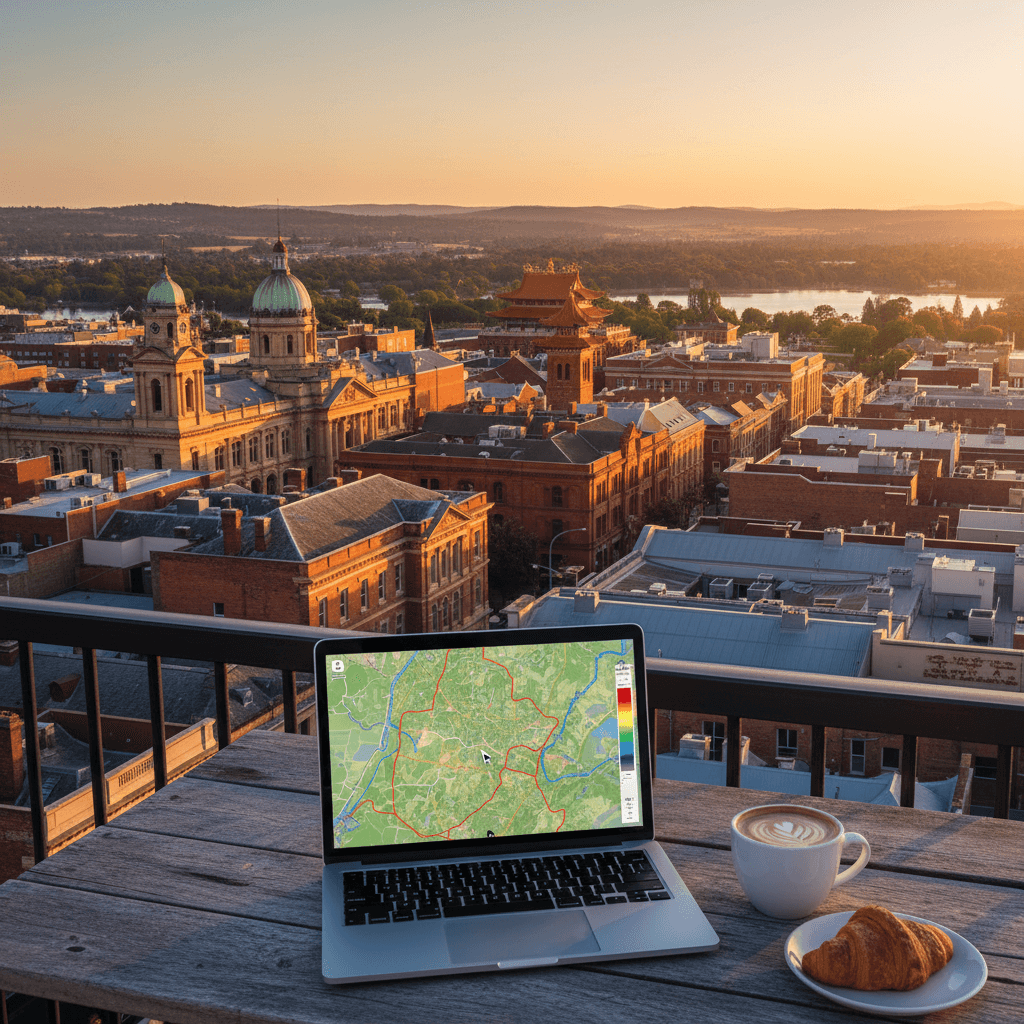
Ballarat feels like a city that still remembers the 1850s and honestly, that’s the point. You get wide streets, bluestone buildings, old pubs and the gold rush mood hanging around Sovereign Hill, plus a pace that’s slower than Melbourne without tipping into sleepy. It’s calm, but not dead.
The vibe suits people who like routine more than chaos. Most nomads land here for the affordability, reliable services and easy access to decent cafes, then stay because life feels organised, the commute is short and the noise level drops fast once you leave the CBD, though the trade-off is a thinner tech scene and less spontaneous nightlife. On cold mornings, the air bites, rain taps on old windows and you’ll smell coffee, wet stone and wood smoke in winter.
Ballarat is, frankly, a city of practical choices. A one-bedroom in the centre usually sits around $843 USD, cheaper places dip closer to $620 and monthly living costs for one person can run from about $1,600 on a tight budget to $2,500 for a more comfortable setup, which makes it easier to plan than bigger Australian cities where rent eats everything.
Areas that work well
- Alfredton: Best for families and settled professionals, with newer homes, parks and good schools, but prices are higher and the feel is more suburban than lively.
- Ballarat North: Leafy and central, good for people who want space and character, though some older houses need work and maintenance can be annoying.
- Soldiers Hill: Close to the station and CBD, walkable and heritage-heavy, with a strong local feel, though a few pockets can feel a bit isolated after dark.
The coworking scene, turns out, is small but workable. Ballarat Business Centre gives you high-speed WiFi, kitchen access and 24/7 entry, while places like RunwayHQ and The Rumpus Room serve people who want a proper desk instead of shouting over espresso machines. Cafes are fine for laptop work too, just don’t expect the endless nomad buzz you’d get in Brunswick or Fitzroy.
Getting around is simple. V/Line trains to Melbourne take about 90 minutes, local transport is cheap and the CBD is walkable, so most people don’t bother with a car unless they’re living farther out. The social scene is quieter, a bit old-school, with pub dinners, Meetup groups and the occasional heritage event, so if you want loud, last-minute plans, Ballarat will test your patience.
Ballarat feels cheaper than Melbourne, but it isn’t dirt cheap. A solo renter can get by on about $1,600 USD a month if they’re careful, though the city center will push you closer to the mid-range bracket, especially once you add heating, coffee runs and the odd pub dinner when the wind bites through your coat.
For a one-bedroom, city-center rent sits around $860-$1,000 USD, while cheaper places can land near $630-$720 USD if you’re happy to trade convenience for a longer walk or an older place with creaky floors. Meals are fairly sane, fast food is about $10.60, a mid-range lunch is $17.70 and dinner for two comes in around $71.90, which feels fair until you’ve had three pub meals in a week, then, honestly, it adds up fast.
Typical monthly budgets
- Budget: About $1,600, with cheaper rent, basic groceries and mostly buses or walking.
- Mid-range: Around $2,500, usually a central one-bedroom, better cafes and more rideshares.
- Comfortable: $3,500+, if you want a larger place, car use and regular dining out.
The grocery bill is manageable, though winter heating can sting because Ballarat gets properly cold and the cold here has teeth. Internet averages about $54.50 a month, transport is around $55 monthly and local public transport is cheap enough that most nomads don’t bother with a car unless they’re regularly heading out to the regional edges.
Neighborhood choice matters more than people expect. Alfredton suits families and professionals who want newer homes and parks, but it’s pricier; Ballarat North gives you leafy streets and space, though some houses need work; Soldiers Hill is the best pick if you want heritage charm and a quick walk to the CBD, just keep an eye out at night in quieter stretches, because some parts feel a bit too empty after dark.
What nomads actually pay for
- 1BR rent, center: About $860-$1,000 USD.
- Transport: Roughly $55 a month.
- Internet: Around $54.50 a month.
- Fast food: About $10.60.
Most nomads settle into a routine quickly here, a cafe laptop morning, a quiet afternoon, then a pub or home-cooked dinner when the sky goes grey and the streets smell like wet stone and exhaust. It’s affordable enough to breathe, but not so cheap that you can switch off and ignore the numbers.
Ballarat feels spread out and calm, with tramless streets, cold mornings and that steady clink of café cups in the CBD. If you want the easiest base for work, school runs or just a quieter life, pick the neighborhood around what you actually do every day, because the wrong side of town gets old fast.
Nomads
- Best pick: Soldiers Hill
- Why: Walkable to the station and CBD, heritage terraces, easy café access and a decent shot at grabbing a quiet morning table with Wi-Fi.
- Watch for: Some pockets feel a bit isolated at night, so don’t expect polished inner-Melbourne energy.
Soldiers Hill works best if you want to roll out of bed, grab a flat white and work without driving everywhere. It’s close enough that you can hear trains humming past and still be back home before the chill really settles in, which, surprisingly, makes daily life feel simpler.
If you’re budget-conscious, Ballarat North can be a smart fallback, honestly, especially if you don’t mind a house with older bones and maybe a drafty window or two. Rent stays more reasonable than the fancier pockets and you get more space for your money.
Expats
- Best pick: Ballarat North
- Why: Leafy streets, central access, character homes and enough room to settle in properly.
- Watch for: Older places often need fixing up, so check heating, insulation and roof condition before you sign anything.
Ballarat North suits people who want a quieter, more settled feel without drifting too far from shops, schools and the city centre. The houses have charm, though sometimes that charm comes with squeaky floors, tired paint and heating that sounds like it’s fighting for its life in July.
Alfredton is the pricier, more polished choice and expats with kids or longer leases often prefer it because the estates feel new, the parks are tidy and the schools have a solid local reputation. It’s less scrappy than the older suburbs, but you’ll pay for that neatness.
Families
- Best pick: Alfredton
- Why: Modern homes, playgrounds, schools and a more predictable suburban setup.
- Watch for: Higher rents and you’ll usually need a car for the school run and errands.
Alfredton is the obvious family choice if you want space, newer builds and fewer headaches with maintenance, though it isn’t cheap. The streets are quieter, the footpaths are better kept and there’s less of the old-house hassle that can eat weekends alive.
Solo Travelers
- Best pick: Soldiers Hill
- Why: Easy access to cafés, the station and the CBD, plus enough heritage character to feel like you’re staying somewhere with a pulse.
- Watch for: Don’t wander unlit back streets late at night, especially if the area feels empty.
Solo travelers usually do best near the centre, where you can walk to dinner, catch a train and avoid the dead quiet that creeps in once the pubs thin out. Soldiers Hill gives you that balance, with enough people around to feel lively, but not so much noise that you’re hearing sirens and revellers till midnight.
If you want pure convenience, stay close to the CBD. Everything’s easier there and that matters in Ballarat more than people expect.
Ballarat’s internet is solid enough for remote work and most people don’t have to think about it much, which is kind of the point. Telstra, Optus and Vodafone all have decent coverage and 4G is usually fine for calls and light video work, while 5G can get much faster in the right spots, often over 200Mbps. Internet runs about $51.70 USD a month on average, so it’s cheaper than many bigger Australian cities.
The coworking scene, honestly, is small but functional. Ballarat Business Centre is the most practical pick if you want high-speed WiFi, kitchen access and 24/7 entry and it’s the one locals tend to mention first when they need a proper desk and a quiet room. The market feels more office-like than buzzy, so don’t expect a flood of networking events or startup chatter.
Best Work Spots
- Ballarat Business Centre: Best all-rounder, good WiFi, kitchen and long access hours.
Cafes can work if you’re respectful and in Ballarat people do notice if you camp for hours over one flat white. The better ones usually have stable WiFi, decent power points and that low hum of espresso machines, clinking cups and rain tapping on the window in winter, though some get cramped fast at lunch. Honestly, if you need deep focus, a coworking desk beats a cafe here every time.
For mobile data, grab a SIM from Telstra, Optus or Vodafone at the airport or in town or use an eSIM like Jetpac if you want to land already connected. That’s handy because Ballarat isn’t the kind of place where you want to waste a morning hunting for a plan and the coverage is good enough that you can work from Soldiers Hill or Ballarat North without much drama, though isolated corners can get patchy.
Quick Take
- Best value: Ballarat Business Centre.
- Best backup: Telstra or Optus SIM with hotspot.
- Best low-effort option: A quiet cafe in the CBD.
If you’re staying a while, set yourself up with a coworking pass and a local SIM, then stop worrying about it. Ballarat isn’t built for loud digital nomad energy and that’s weirdly part of the appeal, because you get reliable internet, affordable work space and fewer distractions than Melbourne, just with a colder walk home and the occasional squeal of tram brakes in the distance.
Ballarat feels calm on the surface and mostly it's. The CBD, Soldiers Hill and Alfredton are fine in daylight, but isolated pockets in Ballarat North can feel sketchy after dark, especially if the streets are quiet, the streetlights are patchy and you’re the only person hearing footy commentary from a house three doors down.
Petty crime happens, not drama. Keep your wits about you around parked cars, unlocked bikes and empty side streets, because the city’s size means people notice strangers faster than they do in Melbourne and that cuts both ways.
Safety
- Best bets: CBD, Soldiers Hill, Alfredton
- Watch-outs: isolated streets at night, occasional graffiti, bike theft
- Common sense: don’t leave bags in cars, lock everything, stick to lit routes
The local feel is neighbourly, though and that matters. You’ll hear trains at Ballarat Station, kids yelling near the parks and the occasional car crunching over gravel drives, which usually means the area is more lived-in than unsafe.
Ballarat Base Hospital is the main public hospital and its redevelopment is pushing services in the right direction, with a modern emergency department, more beds and better surgical capacity on the way. That said, regional healthcare can still mean slower waits, so don’t expect Melbourne-level speed when the waiting room is full and the air smells like disinfectant and weak coffee.
Healthcare
- Main hospital: Ballarat Base Hospital
- Emergency: 000
- Pharmacies: easy to find across the city
- For routine care: book GP appointments early, clinics fill up
Pharmacies are spread around the centre and suburbs, so grabbing antihistamines, sunscreen or a basic remedy isn’t a mission. Honestly, that part works well and most nomads just pair a local GP with a pharmacy chain and get on with life.
If you’re staying in Ballarat for more than a few weeks, set up your basics early, because that saves headaches later. Keep your Medicare or private cover details handy, save the nearest emergency department in your phone and don’t get lazy about night walks in quieter areas, especially when winter fog rolls in and everything feels colder, darker and a bit too still.
Ballarat’s center is small enough to walk and that’s the move most days. The CBD, Soldiers Hill and the station area are all close together, so you can get from a cafe to a coworking desk to a pub without messing around with transport, though winter mornings can feel raw, with cold wind off the streets and wet feet if you’ve misjudged the weather.
Public transport is decent, not dazzling. V/Line trains and buses link Ballarat to Melbourne in about 90 minutes, with fares around $25 and local tickets are cheap enough that you won’t feel robbed, honestly, unless you’re commuting every day. A local one-way ticket is approximately $1.71 USD, monthly passes sit near $66 USD and that makes sense for short hops, but the service pattern can feel thin once you’re off the main corridor.
Most nomads don’t bother with a car unless they’re planning regular regional trips. Uber and taxis are available, bike carriage is allowed on trains and if you’re staying central you can usually skip driving altogether, which, surprisingly, is one of Ballarat’s nicer traits because parking in heritage streets can be a pain and the roads aren’t built for constant rush-hour stress.
Best ways to get around
- Walk: Best for the CBD, Soldiers Hill and quick cafe runs.
- Train: The easiest Melbourne link, fast enough for day trips and office runs.
- Bus: Fine for local errands, though schedules can feel patchy.
- Ride-share: Useful late at night or when the weather turns ugly.
- Bike: Handy on flatter streets, but winter wind is brutal.
If you’re flying in, plan ahead. Ballarat doesn’t have a major airport, so most people use Melbourne or Avalon, then take a shuttle or bus transfer, usually around $20 to $25. That extra leg isn’t glamorous, but it’s predictable and predictability matters here more than spontaneity.
The biggest win is how compact everything feels once you’re settled. You’ll hear train horns near the station, see cyclists cutting past terrace houses and catch the smell of coffee and exhaust mixing near the main roads, then realize you’ve probably spent less on transport all week than you would in Melbourne in one night.
Ballarat is English-first, plain and simple, with a strong local accent that can flatten vowels and chew up syllables if you’re not used to it. Most people speak clearly enough, though and in shops, cafes or coworking spaces, you’ll get by without any drama. G'day and no worries still do a lot of work here.
The city feels easy to communicate in, which, surprisingly, is one reason nomads settle in faster than they expect. You’ll hear casual Aussie shorthand, quick jokes at the counter and the occasional “How ya going?” instead of a formal hello, so don’t overthink it, just answer normally and move on. Honestly, trying too hard sounds stranger than a mild accent ever will.
There are small migrant communities too, including Vietnamese speakers and some Indian languages, but don’t expect the multilingual churn you’d get in Melbourne. If you need help with menus, forms or medical stuff, Google Translate is the backup most travelers actually use and it’s handy in a pinch when the wording gets bureaucratic or weirdly specific.
How communication feels day to day
- In cafes: Friendly, direct, a bit chatty if the place isn’t slammed.
- In shops: Fast and efficient, nobody wants a long story.
- In coworking spaces: Professional but relaxed, with less startup chatter than Melbourne.
- On the street: Quiet enough, though local traffic can be noisy near the CBD.
Ballarat’s communication style is low-drama, but it can feel a little closed compared with bigger nomad hubs. People are polite, though not always outwardly warm and if you’re hoping for instant social momentum, you may find it takes a few repeat visits to the same cafe before anyone really opens up. That’s just the pace here.
Practical tip, keep your English simple and your requests direct. If you need SIM setup, internet help or directions to the station, Telstra, Optus, Vodafone and most reception desks will sort you out without fuss and the phrasing doesn’t need to be fancy. The trick is sounding calm, not clever.
Useful local phrases:
- G'day: Hello, usable anywhere.
- No worries: You’re welcome, all good.
- How ya going?: How are you?
- Ta: Thanks, quick and casual.
Frankly, the only real communication hassle is the small-city effect, fewer international voices, fewer spontaneous meetups and not much of a safety net if your English is weak. Still, for most nomads, that’s manageable and the trade-off is a city where people answer the phone, show up on time and don’t waste your afternoon with endless back-and-forth.
Ballarat’s weather is cool, dryish in summer and properly cold in winter, so pack for mood swings, not just averages. January and February usually sit around 25°C in the day, then drop to about 10°C at night, while July can feel bleak at 11°C by day and close to freezing after dark. Not beach weather.
If you hate damp mornings and grey skies, skip midwinter. July and August bring the most rain, around 104mm and 12 rainy days and the wind can sting your face when you’re walking past Lake Wendouree or waiting for a train with a coffee that goes cold too fast, honestly. The upside is quieter streets, cheaper accommodation and fewer tourists around Sovereign Hill.
Best time to go: late spring through early autumn, especially November to March. That’s when Ballarat feels easiest, with long daylight, lighter rain and enough warmth for outdoor markets, day trips and pub lunches without that icy little shock when you sit on a metal chair.
Season-by-season
- Summer: Warm days, low rainfall in January, good for wandering the CBD, gardens and lakeside walks.
- Autumn: Crisp air, fewer heat spikes and the plane trees around town turn gold, which, surprisingly, makes the heritage streets look even better.
- Winter: Cold, damp and a bit grim after sunset, though the old pubs, thick soups and heated coworking spaces help.
- Spring: Changeable, with sharp showers and bright afternoons, so keep a rain jacket in your bag.
For digital nomads, summer and early autumn are the sweet spot because getting around is easier and your heating bill won’t bite. The town runs at a slower pace than Melbourne and that suits some people, but if you want constant street noise, late-night energy or warm evenings on the footpath, Ballarat can feel quiet, frankly a little too quiet.
My pick: aim for February, March or November. You’ll get decent weather, practical daylight for errands and side trips and less of the cold tile-floor misery that hits when Ballarat turns wintery, which it does fast.
Ballarat’s practical side is pretty straightforward, which is part of the appeal. It feels orderly, a bit old-school and a lot less chaotic than Melbourne, but don’t mistake that for excitement, because the place can feel sleepy after dark and the cool weather hangs around longer than you’d think.
For most nomads, the sweet spot is a modest budget with decent housing and a few café days each week, because rent is the big swing factor. A one-bedroom in the centre sits around $843 USD a month, cheaper places drop closer to $620 and a comfortable setup with more space can push you past $3,500 overall if you’re paying for a car, nicer meals and a larger place.
- Best budget move: Look at Ballarat North if you want space and still want to stay close to the centre.
- Best walkable pick: Soldiers Hill, but keep an eye on your street at night, frankly, some blocks feel better than others.
- Best for families or longer stays: Alfredton, though the prices are higher and the housing stock skews newer.
Internet’s decent, honestly better than plenty of regional towns and business-grade WiFi shows up in coworking spots like Ballarat Business Centre, RunwayHQ and The Rumpus Room. If you’re working from cafés, the setup’s usually fine for a few hours, with coffee smell, clinking cups and the occasional tram-like rumble of traffic outside, but don’t expect the endless laptop crowd you get in bigger cities.
- SIMs: Telstra, Optus and Vodafone all work fine for most people.
- eSIM: Jetpac is handy if you want to land and get online fast.
- Banking: CommBank is the easy local choice, Wise is what most nomads use to keep fees down.
Getting around is simple. V/Line into Melbourne takes about 90 minutes and costs roughly $25, local public transport is cheap and you can walk the CBD without much drama, though winter mornings can be sharp enough to sting your face.
Safety is generally good, but don’t be careless just because the city feels calm. Avoid isolated spots in Ballarat North late at night, keep your bag zipped on trains and if something goes wrong, 000 is the emergency number.
Day-to-day life runs on routine, not spontaneity and that can be annoying if you like constant novelty. Queue properly, tip around 10% if the service deserves it and expect people to be direct, polite and a little reserved, which turns out to be refreshing after a while.
Need visa and immigration info for Australia?
🇦🇺 View Australia Country GuideEasy Landing
Settle in, no stress