Austin
🇺🇸 United States
Keep Austin Weird, Stay for the BBQ
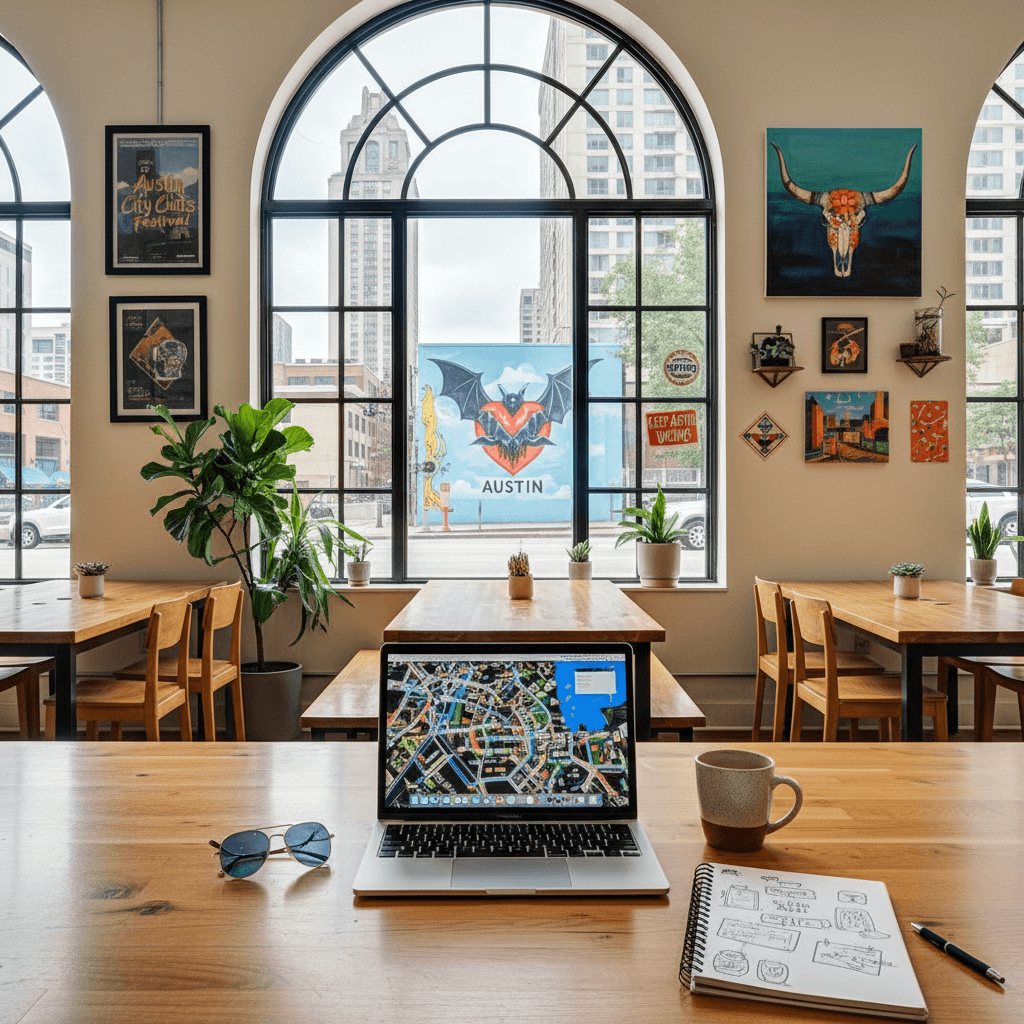
Austin is a bit of an anomaly in the Texas landscape. It manages to feel like a high energy tech hub while maintaining a laid back, small town soul that prioritizes live music and outdoor recreation over the corporate grind. Most nomads describe the vibe as creative and entrepreneurial, anchored by the "Keep Austin Weird" motto that protects the city's independent shops and quirky character from being swallowed by its rapid growth.
The emotional experience of living here revolves around the balance of work and play. You might spend your morning at a high tech coworking space downtown and your afternoon cooling off in the 68 degree waters of Barton Springs Pool. It is a city where people are genuinely friendly; expect a "howdy" or a "y'all" from strangers, and do not be surprised if a quick coffee run turns into a networking opportunity or a tip about a local band playing that night.
The Cost of Living
Austin has become significantly more expensive over the last few years, but it remains accessible if you choose your neighborhood wisely. A typical monthly budget for a single nomad ranges from $2,800 to $3,500. This covers a comfortable lifestyle including rent, food, and coworking fees.
- Budget Tier ($2,500): Involves shared housing in North Austin, relying on food trucks for meals, and working from cafes rather than dedicated offices.
- Mid-Range Tier ($3,200): Allows for a private studio in East or South Austin, a mix of dining out and cooking, and a part time coworking membership.
- Comfortable Tier ($4,500+): Includes a modern downtown apartment, frequent upscale dining at spots like Odd Duck, and a full time desk at a premium space like WeWork.
Where to Plant Your Flag
Choosing the right neighborhood defines your Austin experience. While downtown is the most central, many nomads find the surrounding districts offer more personality and better value.
East Austin
- Best for: Creatives and nomads who want an edgy, local feel.
- Rent: Roughly $1,800 to $2,300 for a 1BR.
- The Vibe: This is the heart of Austin's transformation. It is packed with breweries, food truck parks, and some of the best coffee shops for working. It is highly walkable and feels truly lived in, though it is gentrifying quickly.
South Austin (Bouldin Creek & Travis Heights)
- Best for: Families and nomads seeking a quieter, greener pace.
- Rent: Roughly $1,600 to $2,200.
- The Vibe: Laid back and leafy. You are close to the hike and bike trails at Lady Bird Lake. It feels more residential but remains walkable to the iconic shops and eateries on South Congress Avenue.
Downtown
- Best for: Short term stays and those who want to avoid renting a car.
- Rent: High end, usually $2,000 to $2,800.
- The Vibe: Fast paced and loud. You are steps away from the nightlife on Rainey Street and the 6th Street music venues. It is convenient but can feel very touristy.
Working and Connecting
The internet infrastructure is world class, with average download speeds hitting 200+ Mbps. If your home Wi-Fi fails, the city is littered with dedicated workspaces. Common Desk day passes start at $30 for groups or $50 individual, while WeWork has locations across the city for $29-$39 per day. For a more community focused environment, nomads recommend FiberCove or Impact Hub.
Socializing is easy if you show up. Between SXSW in March and the constant stream of tech meetups, the networking scene is aggressive but welcoming. Most expats use Facebook Groups or the Outsite WhatsApp community to organize weekend trips to the Texas Hill Country or sunset paddles on the lake.
Practical Realities
The biggest hurdle for most newcomers is the climate and the transit. July and August are brutal, with temperatures frequently topping 100 degrees. If you visit during this window, expect to stay indoors or in the water. Public transit is limited to the CapMetro bus system and a small rail line, so unless you stay strictly downtown, you will likely need a car or a reliable bike.
For food, do not waste four hours in the Franklin BBQ line unless you love the spectacle; locals often suggest La Barbecue for a similar experience with less wait. When dining out, remember that tipping 15 to 20 percent is the standard. It is a casual city, so leave the formal wear behind; jeans and a t-shirt will get you into almost any venue in town.
The Bottom Line on Austin Living
Austin isn't the bargain it used to be. While it remains more affordable than San Francisco or New York, the tech boom has pushed prices up significantly. A single nomad should budget between $2,800 to $3,500 per month to live comfortably. This covers a decent apartment, plenty of tacos, a desk at a coworking space, and enough left over for live music on weekends.
If you are on a tighter budget, you can scrape by on $2,500 if you opt for shared housing and stick to the city's legendary food truck scene. On the flip side, those wanting a luxury high-rise downtown and frequent upscale dinners at spots like Odd Duck should expect to spend $4,500 or more.
Where to Plant Your Flag
Your neighborhood choice will be the biggest factor in your monthly burn rate. Austin is a collection of distinct "vibes," and your rent will reflect how close you are to the action.
- Downtown: This is for the solo traveler who wants to walk to everything. It is loud, central, and expensive. Expect to pay $1,800 to $2,500 for a studio or one bedroom. You can ditch the car here, but you will pay for the convenience in rent and noise.
- East Austin: This is the nomad favorite. It is the heart of the creative scene, packed with breweries and food trucks. Rents run $1,500 to $2,000. It is gentrifying fast, so while some blocks feel polished, others still have an edgy, industrial feel.
- South Austin (Bouldin Creek & Travis Heights): This area feels like the "old Austin" people talk about. It is walkable, leafy, and laid-back. You will find one bedrooms for $1,600 to $2,200. It is perfect if you want to be near Barton Springs for a midday dip.
- North Austin (Hyde Park & Allandale): These spots are quieter and more residential. Rents are more manageable at $1,400 to $1,900. You will almost certainly need a car here, as public transit is sparse and the nightlife is a trek away.
Fueling Your Workday
Austin is a city that lives on caffeine and smoked meats. Most nomads find that eating out is part of the social fabric here, so plan your budget accordingly. A meal at a food truck will set you back $8 to $12, while a mid-range sit-down dinner costs about $15 to $25. If you are chasing the world-famous brisket at Franklin BBQ, be prepared to wait three hours; local expats often suggest skipping the line and hitting La Barbecue instead.
For your "office," coworking spaces are plentiful but pricey. A day pass at WeWork usually runs around $47. Common Desk is a popular alternative at $30 per day, or you can grab a pack of 8 passes for $150. If you prefer the cafe route, Austin has a thriving coffee shop culture with reliable WiFi, though some popular spots can get crowded with students from UT Austin.
Transport and Tech Logistics
Unless you stay strictly in the Downtown or South Congress areas, you will likely need wheels. A monthly bus pass with CapMetro exists, but most travelers find the system frustratingly limited. Budget $50 to $100 for bikes and scooters if you are staying central, or $150 plus for gas and car rentals if you plan to explore the Hill Country.
Internet is rarely an issue here. You will find speeds averaging 200 Mbps, with many apartments offering Google Fiber. For your phone, nomads recommend Mint Mobile or Ultra for prepaid plans starting as low as $10 per month. It is an easy city to get connected in, provided you avoid the blistering 100 degree heat of July and August when even the best WiFi can't tempt you away from the air conditioning.
Safety and Practicalities
Austin generally feels safe, though locals advise keeping your wits about you on 6th Street late at night or in isolated parts of East Austin. Petty theft can happen in crowded areas, so keep an eye on your laptop when working in cafes. When it comes to tipping, 15 to 20 percent is the standard for service. Also, remember the local mantra: Don't Mess with Texas. It is actually an anti-littering slogan, and locals take their clean parks and lakes seriously.
The Central Nomad: Downtown
If you want to be in the thick of it, Downtown is where the action lives. It is the best choice for solo travelers who want to step out of their apartment and be seconds away from a live music venue or a high rise coworking space. You won't need a car here because most things are reachable by foot or a quick scooter ride. WeWork has a massive presence here, and you'll find plenty of other nomads working from hotel lobbies or cafes like Fareground.
- Rent: Expect to pay between $2,000 and $2,800 for a studio or one bedroom.
- Vibe: High energy, loud, and very urban.
- Pros: No car required; immediate access to the Rainey Street bar scene.
- Cons: It is expensive and can feel touristy, especially on weekends when 6th Street gets rowdy.
The Creative Professional: East Austin
East Austin is the city's creative heart and the go to spot for digital nomads who prefer a grit meets glam aesthetic. It is less polished than downtown but packed with personality, featuring some of the best food trucks and craft breweries in Texas. Most expats recommend this area for its entrepreneurial spirit and networking opportunities. You will find a lot of folks working out of Common Desk, where a day pass runs about $30.
- Rent: Slightly more accessible at $1,500 to $2,000 for a decent apartment.
- Vibe: Artistic, hip, and rapidly evolving.
- Pros: Incredible food scene; home to La Barbecue (a great alternative to the long Franklin lines).
- Cons: It is gentrifying quickly; some blocks can feel a bit edgy late at night.
The Laid Back Resident: South Austin
For those staying a few months, Bouldin Creek and Travis Heights offer a perfect middle ground. This area captures the classic "Keep Austin Weird" soul with its bungalow style homes and walkable streets. It is ideal for nomads who prioritize lifestyle over nightlife. You can start your morning with a walk around Lady Bird Lake or a dip in Barton Springs before heading to a local coffee shop to catch up on emails.
- Rent: Typically ranges from $1,600 to $2,200 for a one bedroom.
- Vibe: Relaxed, leafy, and quintessentially Austin.
- Pros: Very bike friendly; easy access to groceries and outdoor recreation.
- Cons: A bit further from the downtown core; you might want a car for errands.
The Quiet Professional & Families: North Austin
If you need quiet to focus or you are traveling with family, look toward Hyde Park, Northloop, or Allandale. These neighborhoods feel like proper residential communities rather than tourist hubs. You are closer to the University of Texas and The Domain, which is a massive tech and shopping district. Many families prefer this area for the larger yards and proximity to high quality healthcare facilities like Seton.
- Rent: The most budget friendly option at $1,400 to $1,900.
- Vibe: Peaceful, suburban, and established.
- Pros: Less noise; more space for your money; great local parks.
- Cons: A car is non negotiable here; nightlife is limited to a few local pubs.
Connectivity and Speed
Austin is a legitimate tech powerhouse, so you can expect the internet infrastructure to match the hype. Most nomads find speeds consistently hitting 200 Mbps for downloads, while uploads usually hover between 50 and 80 Mbps. Whether you are taking Zoom calls from a South Austin bungalow or a high rise downtown, the connection is rarely an issue. Standard home plans typically run between $50 and $100 per month if you are staying long term.
For mobile data, travelers recommend picking up a prepaid SIM from Mint Mobile or Ultra. You can find plans starting as low as $10 per month. Coverage is seamless across the city, though like any major metro, you might see a slight dip if you head deep into the Hill Country for a weekend hike.
Top Coworking Spaces
The coworking scene here is massive and caters to everyone from solo developers to creative startups. If you want reliability and multiple locations, WeWork is the dominant player with seven spots across the city. A day pass costs about $47 and gets you the standard perks like phone booths and unlimited coffee.
- Common Desk: A local favorite with a more community focused vibe. They offer a day pass for $50 (individual), a $30-$40 group rate, or a flexible 8 pass bundle for $150. Students can even snag a monthly rate for $50.
- FiberCove: Located in South Lamar, this spot is perfect if you need serious bandwidth and a professional, quiet atmosphere.
- Impact Hub: Great for those looking to network within the social impact or creative sectors; it is centrally located and hosts frequent events.
Cafe Culture and Remote Work
If you prefer the buzz of a coffee shop, Austin is arguably one of the best cities in the country for it. East Austin is packed with laptop friendly spots where the WiFi is fast and the staff won't glare at you for staying a few hours. Many of these cafes double as event spaces in the evening, making it easy to transition from work to social hour.
Keep in mind that some of the more popular shops in Hyde Park or Bouldin Creek can get crowded by mid morning. Expats recommend arriving early to snag a table near an outlet. Most spots offer free WiFi with a purchase, and the quality is usually high enough for standard administrative tasks and light video streaming.
Community and Networking
Finding your tribe is easy here because the city is built on an entrepreneurial spirit. You won't have to look hard for networking events, hackathons, or casual meetups. Most nomads stay connected through Facebook Groups or Meetup.com, which are very active for the Austin tech and creative scenes.
- Outsite WhatsApp: If you are staying in nomad specific housing, this is a goldmine for finding lunch buddies or weekend plans.
- SXSW: If you are in town during March, the entire city becomes a networking hub, though be prepared for prices to skyrocket during this window.
- Industry Mixers: Many coworking spaces like Common Desk host weekly happy hours that are perfect for meeting locals and fellow expats.
The general consensus among the remote work community is that Austin offers a perfect balance. You get the professional infrastructure of a major tech hub without the stuffy, corporate feel of older cities. Just remember to book your coworking desks in advance if you are visiting during major festivals, as the city reaches capacity quickly.
Keeping Safe in the Silicon Hills
Austin is generally a relaxed and welcoming place for nomads, earning a solid 4/5 safety rating from the community. Most visitors feel perfectly comfortable walking through residential areas or the major tech corridors during the day. However, like any rapidly growing city, it has its quirks. Local nomads suggest staying alert around 6th Street after midnight, especially on weekends when the crowds get rowdy and petty theft or opportunistic crimes are more common.
While Downtown and the Rainey Street Historic District are well lit and heavily trafficked, some edges of East Austin can still feel a bit isolated at night. If you are heading home late from a brewery or a late night work session, skip the walk and use Uber or Lyft. It is the standard way to get around after dark, and rides within the city core usually cost between $10 and $20. Most travelers report that violent crime is low, but keeping your laptop bag out of sight in your car is a must to avoid the occasional "smash and grab" common in high traffic areas.
- Emergency Services: Dial 911 for police, fire, or medical emergencies.
- Safe Areas: Bouldin Creek, Travis Heights, and the Domain are favorites for their low stress environments.
- Caution Zones: Exercise extra awareness around the I-35 underpasses and the "Dirty 6th" bar stretch during late hours.
Healthcare for Nomads and Expats
The quality of care in Austin is top tier, with facilities that rival any major global hub. If you have a medical issue, you won't be searching long for a specialist. Major hospital systems like Ascension Seton and St. David’s have multiple locations throughout the city. Most nomads find that for non-emergencies, urgent care clinics are the most efficient route. They are everywhere and usually take walk-ins for minor illnesses or prescriptions.
Pharmacies are incredibly accessible. You will find a CVS or Walgreens on almost every major corner, often open 24/7. If you are coming from abroad, keep in mind that US healthcare costs are high without insurance. Always ensure your nomad insurance covers private hospital visits here, as a simple ER trip can easily run into the thousands of dollars without it.
Health and Wellness Essentials
- Urgent Care: Look for "CareSpot" or "Texas MedClinic" for quick, out of pocket visits.
- Pharmacies: CVS and Walgreens are the standard; HEB grocery stores also have excellent pharmacies inside.
- Fitness Culture: Staying healthy is easy here. Most locals spend their mornings at Barton Springs Pool or running the 10 mile loop at Lady Bird Lake.
The biggest health risk you will likely face is the Texas sun. From June through August, temperatures regularly soar past 100°F (38°C). Dehydration and heat exhaustion are real threats for those not used to the climate. Expats recommend carrying a reusable water bottle everywhere and doing your outdoor activities before 10:00 AM or after sunset during the peak of summer.
If you have seasonal allergies, be prepared for "Cedar Fever" in the winter months. The local juniper trees release massive amounts of pollen, which can catch newcomers off guard. A quick trip to a local pharmacy for antihistamines usually does the trick, but it is a rite of passage for almost every long term resident.
The Austin Transit Reality
Austin is a city that moves at its own pace, but that pace usually involves a steering wheel. While the downtown core is surprisingly walkable, most nomads quickly realize that the city's sprawling layout makes a car the primary way to get around. If you are staying in South Austin or East Austin, you can manage day to day life on foot or by bike, but reaching those legendary BBQ spots in the Hill Country or North Austin suburbs requires some horsepower.
For those determined to skip the rental car, CapMetro runs the bus and rail system. It is reliable enough for commuting between major hubs, though it lacks the density you would find in New York or Chicago. Most locals and long term travelers rely on ride hailing apps like Uber and Lyft when they are heading out for a night on Rainey Street or 6th Street. A typical ride from Austin-Bergstrom International (AUS) to downtown will set you back between $20 and $40 depending on the time of day.
Two Wheels and Electric Power
If you prefer the wind in your hair, Austin has embraced the micro mobility trend with open arms. You will see clusters of electric scooters on almost every corner in the central neighborhoods. They are perfect for ziping between coworking spaces or grabbing a quick lunch without losing your parking spot.
- Austin BCycle: This is the city's bike share program. You can grab a day pass $10 for unlimited 30min rides, which is a great way to cruise the Lady Bird Lake hike and bike trail.
- E-Scooters: Apps like Lime and Bird are everywhere. They are capped at 15mph, making them a fast, albeit sometimes chaotic, way to navigate the downtown grid.
- Bike Lanes: The city has invested heavily in protected bike lanes recently, especially in East Austin and near the UT campus. Many nomads find that a sturdy bicycle is the best middle ground between a car and walking.
The Best Neighborhoods for Walkability
Your need for a car depends entirely on where you plant your flag. If you choose your neighborhood wisely, you might only need a vehicle for weekend getaways. Here is how the most popular nomad hubs stack up for getting around:
Downtown
- Walkability: High. You can reach WeWork, grocery stores, and dozens of bars on foot.
- Car Necessity: Low. You can easily survive here with just a pair of sneakers and an occasional Uber.
- Vibe: Fast paced and loud, but you are in the heart of the action.
East Austin
- Walkability: Moderate. It is very bike friendly and full of food trucks and breweries.
- Car Necessity: Medium. It is great for local hangouts, but you will want a car for errands or heading west.
- Vibe: Creative and entrepreneurial; this is where you will find the most digital nomads.
South Austin (Bouldin Creek & Travis Heights)
- Walkability: High. This is one of the most pleasant areas to walk, with shaded streets and easy access to South Congress.
- Car Necessity: Medium. You can walk to cafes and boutiques, but the grocery stores are a bit more spread out.
- Vibe: Laid back and residential, feeling more like a neighborhood than a city center.
Practical Transit Tips
Even if you are a dedicated walker, keep a few things in mind. The Texas sun is no joke from June through August; walking even three blocks in 100 degree heat can be exhausting. Many expats recommend scheduling your outdoor movement for the early morning or late evening during the summer peaks. If you do decide to drive, be prepared for traffic. Austin's infrastructure is still catching up to its massive growth, so I-35 and Mopac often turn into parking lots during rush hour. For a smoother experience, stick to the surface streets when you can.
The Local Lingua Franca
You will have zero trouble getting around Austin if you speak English. It is the primary language for everything from tech meetups to BBQ lines. While the city feels like a global hub, the linguistic vibe is distinctly Texan, meaning people are generally chatty and quick to strike up a conversation while you are waiting for your morning cold brew.
Spanish is the second most common language you will hear. It is widely used in service industries, construction, and within the city's large Hispanic community. If you have some Spanish skills, they will certainly come in handy, but you won't need them to navigate daily life or professional settings. Most nomads find that a friendly attitude goes much further than any specific linguistic gymnastics.
Decoding the Austin Vernacular
Even though it is an English speaking city, Austin has its own rhythmic slang and social cues. You will hear "y'all" used constantly by locals and transplants alike. It is the efficient, gender neutral way to address any group, and you will likely find yourself adopting it within a week. Another staple is "Howdy," which serves as a standard, friendly greeting in almost any casual setting.
The city's unofficial slogan, "Keep Austin Weird," isn't just a bumper sticker. It represents a specific local pride in supporting small businesses and eccentricity over corporate polish. When people talk about "The Drag," they are referring to the section of Guadalupe Street bordering the University of Texas. If someone mentions "Town Lake," they are talking about Lady Bird Lake; locals often use the old name out of habit.
Digital Communication and Connectivity
Austin is a Tier 1 tech city, so the digital infrastructure is top tier. You can expect reliable, high speed internet virtually everywhere. Most nomads report average download speeds of 200+ Mbps, making it a dream for video calls or heavy data uploads. If you are setting up a home office, plans typically run between $50 and $100 per month.
- SIM Cards: For short term stays, nomads recommend Mint Mobile or Ultra. You can grab prepaid plans starting as low as $10 per month for basic data.
- Coverage: 5G is standard across the city. You won't find many dead zones until you head deep into the Hill Country for a weekend hike.
- Apps: Ensure you have Uber and Lyft downloaded. For micro mobility, the Austin BCycle app is great for bike sharing, while Lime and Bird cover the e-scooter market.
Social Nuances and Etiquette
Communication in Austin is famously laid back. The professional dress code is "Austin casual," which usually means a nice pair of jeans and a t-shirt, even in tech offices or coworking spaces like Common Desk or WeWork. People are generally approachable, and networking often happens organically at places like Barton Springs or over tacos at a food truck.
One non-negotiable part of the local "language" is tipping. In the US, and especially in service heavy Austin, tipping 15% to 20% at restaurants and bars is the standard expectation. If you are grabbing a quick coffee at a shop like Caffé Medici, leaving a dollar or two is a common courtesy that locals appreciate.
If you are looking to plug into the community, join the Austin Digital Nomads Facebook group or check the Outsite WhatsApp threads. These are the primary channels for finding out about pop up events, hackathons, or just meeting up for a drink on Rainey Street. People here are happy to share advice, provided you don't mind a little "Keep Austin Weird" spirit in the conversation.
The Sweet Spots: Spring and Fall
If you want to experience Austin at its peak, aim for March through April or October through November. During these windows, the Texas humidity takes a backseat, and the afternoon highs hover between 74°F and 82°F. It is perfect weather for taking your laptop to the patio at a coffee shop or grabbing a post-work dip at Barton Springs Pool, where the water stays a constant 68°F year round.
March is arguably the most famous time to visit because of SXSW. The city transforms into a massive networking hub, which is great for digital nomads looking to make connections. However, you will pay a premium for it. Rent prices for short term stays often triple during the festival, and you will need to book your accommodation at least six months in advance to snag anything central.
October and November are the locals' favorites. The air is crisp, the 71°F to 82°F days are ideal for hiking the Greenbelt, and the crowds are thinner than during the spring festival rush. It is arguably the best time to live the outdoor lifestyle that Austin is famous for without breaking a sweat while walking to your coworking space.
Survival Guide for the Summer Heat
Most nomads find July and August to be the most challenging months. Temperatures regularly soar past 100°F (38°C), and the humidity can make a short walk feel like a marathon. If you are sensitive to heat, this is the time to lean heavily on Austin's indoor infrastructure. You will spend most of your time moving between air conditioned apartments and coworking spaces like WeWork or Common Desk.
During these peak summer months, life shifts to the early morning and late evening. Expats recommend hitting the trails at Lady Bird Lake by 7:00 AM and sticking to the water once the sun is up. If you are living in South Austin or Downtown, you will likely find yourself taking an Uber or a Lime scooter for even short distances to avoid the midday sun.
The Mild Winter Reset
Winter in Austin is generally mild and short lived. January and February see average highs of 62°F to 67°F, though you should be prepared for occasional "Blue Northers" where the temperature can drop 30 degrees in a single afternoon. It rarely snows, and the city stays green enough to keep the winter blues at bay.
For budget conscious travelers, December and January are excellent times to find better deals on mid range housing in neighborhoods like East Austin or Hyde Park. While it is too cold for the lake, the live music scene on Rainey Street and the food truck parks remain active, offering a more authentic, less touristy version of the city.
Monthly Temperature Breakdown
- January: 62°F / 42°F (Mild, occasional cold snaps)
- February: 67°F / 46°F (Spring starts peaking through)
- March: 74°F / 53°F (Peak season, SXSW, perfect weather)
- April: 81°F / 60°F (Ideal for outdoor activities)
- May: 87°F / 68°F (Warm and the wettest month)
- June: 92°F / 73°F (Summer begins in earnest)
- July: 95°F / 75°F (Extreme heat, stay near the AC)
- August: 95°F / 75°F (Hottest month, high humidity)
- September: 90°F / 71°F (Still hot, but starts cooling late month)
- October: 82°F / 62°F (Second peak season, very comfortable)
- November: 71°F / 51°F (Crisp and pleasant)
- December: 64°F / 43°F (Quiet, cool, and affordable)
Rainy Season and Hazards
Austin does not have a traditional "monsoon" season, but May and September typically see the most rainfall. Storms can be intense but usually pass quickly. Travelers often say that having a car is a lifesaver during these months, as the limited public transit makes getting around in a downpour difficult. Keep an eye on local weather apps for flash flood warnings, which are common in Central Texas due to the rocky terrain.
Making the Move
Austin is a city that feels like a massive tech campus dropped into the middle of a Texas backyard. Most nomads find that while the spirit of "Keep Austin Weird" remains, the reality of living here requires a bit of planning, especially regarding your budget. You should expect a monthly burn rate between $3,159 and $3,500. This covers a decent apartment, plenty of tacos, and a desk at a solid coworking space.
The city operates on a tiered system. If you're on a budget of $2,500, you'll likely be sharing a house in North Austin and eating at food trucks. A mid-range budget of $3,200 gets you a private one-bedroom in South Austin and more frequent cafe visits. If you're looking for the high-rise life downtown with upscale dinners, budget at least $4,500 per month.
Where to Set Up Base
Choosing the right neighborhood defines your Austin experience. Expats and creatives often gravitate toward East Austin for its breweries and entrepreneurial energy. It's one of the more affordable areas for a studio, usually ranging from $1,500 to $2,000, though it's gentrifying quickly.
- Downtown: Best for those who want to skip the car. It's loud, touristy, and puts you right at the heart of the music scene. Rent for a one-bedroom hits $2,000 to $2,800.
- South Austin (Bouldin Creek): This is the classic Austin vibe. It's walkable and bike-friendly with a laid-back feel. Expect to pay between $1,600 and $2,200.
- North Austin (Hyde Park): A quiet, residential choice popular with families and those seeking a slower pace. It's the most affordable at $1,400 to $1,900 but necessitates a car for almost everything.
Connectivity and Workspace
Internet is rarely an issue here. You'll find reliable speeds averaging 200 Mbps, and most coffee shops are work-friendly as long as you keep the caffeine flowing. For a dedicated desk, Common Desk is a local favorite at $30 for a day pass. If you prefer a more corporate setup with unlimited coffee and phone booths, WeWork has seven locations across the city for around $47 a day.
For mobile data, travelers recommend picking up a Mint Mobile or Ultra SIM card. You can find these for as low as $10 a month. Most nomads stay connected through the Outsite WhatsApp groups or local Facebook groups to find weekend meetups and networking events.
Getting Around
Public transit is the city's Achilles' heel. CapMetro buses exist, but they aren't always efficient for cross-town trips. Most nomads recommend renting a car or using ride-hailing apps like Uber and Lyft. A trip from the airport (AUS) usually costs between $20 and $40.
For shorter distances, Austin BCycle offers bike rentals for $10 a day. You'll also see electric scooters from Lime and Bird scattered on every corner. They're capped at 15 mph and are perfect for ziping between meetings downtown or in East Austin.
Survival Tips
The weather is your biggest hurdle. July and August are brutal, with temperatures regularly soaring above 100°F. The sweet spots are March, April, October, and November. If you plan to be here in March, book your housing six months in advance to avoid the massive price hikes caused by the SXSW festival.
- Tipping: Standard practice is 15% to 20% for dining and services.
- Safety: Austin is generally safe with a 4/5 rating. Just be cautious on 6th Street late at night and stick to well-lit areas in East Austin.
- Food: Skip the three-hour line at Franklin BBQ and head to La Barbecue instead. For a cheap lunch, hit the food trucks where a meal costs $8 to $12.
- Banking: Apps like Wise and Revolut work perfectly, but Chase is the most convenient physical bank for locals.
Need visa and immigration info for United States?
🇺🇸 View United States Country GuideNomad Haven
Your home away from home
Monthly Budget Estimates
More cities in United States
Miami
🇺🇸 United States
Las Vegas
🇺🇸 United States
Phoenix
🇺🇸 United States