Atyrau
🇰🇿 Kazakhstan
The Industrial Frontier on Two Continents
Atyrau isn't your typical digital nomad postcard. You won't find the lush mountain backdrop of Almaty or the futuristic, glass-and-steel skyline of Astana here. Instead, this is Kazakhstan's gritty, oil-soaked heart. It’s a city that feels like a frontier town that grew up too fast, fueled by the massive energy reserves of the Caspian basin. The vibe is unapologetically functional and surprisingly international, thanks to the massive expat community working for global energy giants.
The city's most famous quirk is its geography. The Ural River slices right through the center, marking the traditional border between Europe and Asia. You can literally walk across a footbridge from one continent to the other in five minutes. While it lacks the "digital nomad" infrastructure of more popular hubs, it offers a raw, authentic look at the engine room of the Kazakh economy. It’s a place for those who prefer industrial aesthetics and off-the-beaten-path exploration over curated coworking cafes.
The Expat Influence and Local Life
Because of the oil industry, Atyrau has a strange, bifurcated personality. On one hand, you have high-end hotels and restaurants catering to Western engineers and executives. On the other, you have the dusty, sprawling suburbs and traditional markets that feel deeply Central Asian. This creates a unique safety net for remote workers; while English isn't common on the street, you'll find plenty of pockets in the city center where it’s the primary language of business.
The pace of life here is dictated by the river and the weather. Summers are punishingly hot and dry, while winters are biting and windy. When the weather is fair, the riverfront promenade becomes the city’s living room. It’s where everyone ends up for a sunset stroll, providing a much-needed breath of fresh air in an otherwise industrial landscape. People here are direct and hardworking, but once you break the ice, you’ll find the legendary Kazakh hospitality is very much alive.
Practical Realities for Remote Workers
Living here requires a bit more self-sufficiency than in Almaty. You won't find a dedicated "Nomad House" or a dozen trendy coworking spaces. Most remote workers set up shop in high-end apartment rentals or hotel lobbies like the Renaissance or the Marriott. The Neo Nomad Visa, launched in November 2024, makes staying here legally simple for a full year, provided you earn at least $3,000 a month from sources outside the country.
- Internet: Expect speeds around 50 Mbps. It’s reliable enough for video calls, but you’ll want a local SIM card from Kcell or Beeline for backup.
- Getting Around: Forget the bus system unless you speak Russian or Kazakh. Use Yandex Go or InDrive. A ride across town usually costs between ₸800 and ₸1,500.
- Daily Costs: While cheaper than Western Europe, Atyrau is one of the most expensive cities in Kazakhstan due to the oil money. A decent dinner for two will run you about ₸15,000 to ₸20,000.
Why Choose Atyrau?
You come to Atyrau if you’re bored with the "Bali-to-Lisbon" circuit. It’s a place for the curious traveler who wants to see how a massive portion of the world’s energy is actually produced. There is a certain quiet satisfaction in finding a corner of a local coffee shop, watching the tankers on the river, and knowing you’re likely the only person in the building working on a laptop for a company ten time zones away. It’s lonely, it’s fascinating, and it’s completely different from anywhere else you’ve likely stayed.
The Price of an Oil Town
Atyrau is a bit of a wildcard in Kazakhstan. Unlike the cultural hub of Almaty or the futuristic skyline of Astana, Atyrau is an industrial powerhouse fueled by the oil and gas sector. This means the cost of living doesn't always follow the standard "cheap Central Asia" script. While it remains affordable by Western standards, you'll find that prices for high-end housing and imported goods can be surprisingly steep because of the expat community working for the major energy firms.
Most nomads should budget between $1,500 and $1,700 per month to live comfortably here. This covers a modern apartment, frequent dining out, and getting around via ride-hailing apps. If you are living more like a local, you could easily shave $400 off that total, but you might sacrifice some of the western comforts that make a long-term stay in western Kazakhstan easier.
Housing and Neighborhoods
Rent will be your biggest expense. The city is split by the Ural River, and most nomads prefer the European side for its proximity to better supermarkets and riverside walks. Prices have fluctuated with the introduction of the Neo Nomad Visa in 2025, as more remote workers look for alternatives to the crowded Almaty market.
- The European Side (Satpayev Street area): Rent for a modern one-bedroom apartment here typically runs between $600 and $850. This is the heart of the city where you'll find the most expat-friendly amenities.
- The Asian Side: This area is generally more residential and traditional. You can find decent flats for $400 to $550, but you'll spend more on transport to reach the better cafes and gyms.
- Utilities: Expect to pay around $50 to $80 a month for heating, water, and electricity. Heating is usually centralized and very cheap during the brutal winters.
Food and Dining
Eating out in Atyrau is a tale of two price points. You can grab a quick shawarma or a plate of local lagman for about $4 to $6. If you head to the more upscale spots frequented by the oil crowd, a three-course dinner with a drink will likely land between $25 and $40.
- Groceries: A weekly shop for one person usually costs about $45 to $60. Look for local markets for fresh produce, but stick to supermarkets like Ideal or Leader for imported staples.
- Coffee: A latte at a decent cafe costs roughly $2.50 to $3.50.
- Beer: A local pint is about $2, while imported craft options or premium spirits at hotel bars can go for $8 or more.
Connectivity and Transport
Internet is reliable and affordable, which is a relief if you're working on the Neo Nomad Visa. A mobile plan with plenty of data through providers like Kcell or Beeline will set you back about $10 to $15 a month. Home fiber optics are generally around $15 for speeds that handle video calls without a hitch.
Getting around is best done through apps. Don't bother with traditional taxis on the street; download Yandex Go or InDrive. A typical ride across town usually costs around 1,000 to 1,500 Tenge, which is roughly $2 to $3. If you're feeling adventurous, the local buses are incredibly cheap at about $0.20 per trip, usually managed through the Onay app or card system.
The Neo Nomad Advantage
The 2025 Neo Nomad Visa has simplified things for those staying long-term. The application is done through the AstanaHub portal, and once approved, you're set for a year. While there isn't a dedicated coworking brand like WeWork in Atyrau yet, many nomads work from hotel lobbies or quiet cafes along the river. The lack of local income tax for those on this specific visa helps keep your effective cost of living lower than in many European digital nomad hubs.
The European Side (West Bank) for Nomads
Atyrau is uniquely split between two continents by the Ural River. Most remote workers and digital nomads gravitate toward the European side, specifically the area surrounding Satpayev Street. This is the city's pulse where you'll find the highest concentration of cafes with reliable Wi-Fi and English-speaking staff. It feels more compact and walkable than the rest of the city, which is a major plus when the Caspian winds pick up.
Living here puts you near the Baizaar Mall and various upscale supermarkets. While dedicated coworking spaces are still a rarity in Atyrau, nomads often set up shop in spots like Coffee Boom or Traveler's Coffee. You can expect to pay around $700 to $900 for a modern one-bedroom apartment in a newer build. The internet speeds typically hover around 50 Mbps, which is plenty for video calls and uploading files to the cloud.
- Rent: $700 to $1,000 per month
- Vibe: Urban, accessible, and social
- Top Spot: The riverfront promenade for evening walks
The American Village and Avangard for Expats
If you're moving here for a contract in the energy sector, you'll likely end up in the European Village or American Village compounds. These are gated communities located slightly away from the city center, designed to feel like a slice of home. They offer high security, gym facilities, and a built-in social circle of fellow expats. It's the most frictionless way to transition into life in Western Kazakhstan.
For those who want a more local feel without sacrificing comfort, the Avangard micro-districts are a solid alternative. It's a massive residential area with everything you need within a ten-minute walk. Expats here rely heavily on the Yandex Go app for getting around, as a ride across town rarely costs more than 1,200 Tenge, roughly $2.50. It's a practical, no-frills neighborhood that gets the job done.
- Rent: $1,200 to $2,500 for compound housing
- Vibe: Secure, suburban, and community-oriented
- Transport: Heavy reliance on taxis and private drivers
The Asian Side (East Bank) for Families
Cross the bridge to the Asian side and the pace slows down significantly. This area is more residential and traditionally Kazakh. Families often prefer the newer developments near Alash Road because the air feels a bit clearer and there's less traffic congestion than the central business district. You get more square footage for your money here, which is vital if you need a home office and play area.
Grocery shopping is easy with several Ideal or Leader supermarkets scattered around. While it lacks the trendy brunch spots of the West Bank, it's much quieter at night. Most families find that the cost of living is slightly lower on this side of the river, with large three-bedroom apartments going for about $1,100. Just keep in mind that you'll be crossing the bridge frequently for international schools or major shopping trips.
- Rent: $800 to $1,300 for family-sized units
- Food: $400 to $600 per month for a family of three
- Pros: Quiet nights and better value for space
City Center for Solo Travelers
If you're only in town for a few weeks to scout the area or wait for your Neo Nomad Visa approval, stay near Isatay and Makhambet Square. This is the heart of Atyrau. You're within walking distance of the Regional Museum and the grand Imangali Mosque. It's the best place to soak up the local atmosphere and see the city's transition from an old fishing port to a global oil hub.
Solo travelers usually find that staying in a serviced apartment is better than a hotel. You'll have a kitchen to cook local produce from the Dina Bazaar, which is a must-visit for cheap, fresh food. A meal at a mid-range restaurant will run you about 4,500 Tenge or $10, making it very affordable to eat out every night if you want to avoid the kitchen. Use the 2GIS app to find your way around; it's far more accurate for Atyrau's bus routes and building entrances than other map services.
- Daily Budget: $40 to $60 including accommodation
- Vibe: Historical and central
- Must-try: Fresh fish from the Ural River at local markets
Connectivity and Speed
Atyrau isn't Almaty or Astana, so don't expect a flashy tech hub on every corner. However, the city's role as the oil capital of Kazakhstan means the infrastructure is reliable. You'll find average fixed broadband speeds around 80-100 Mbps or higher. Fiber optic connections are standard in newer apartment complexes along Satpayev Avenue and the European side of the city.
For mobile data, grab a SIM card from Beeline or Kcell at the Baizaar Mall. A monthly plan with plenty of data usually costs around 4,500 KZT to 6,000 KZT, which is roughly $10 to $13. 4G coverage is solid throughout the city center, though it gets spotty once you head toward the industrial outskirts or the salt flats.
Remote Work Spaces
The coworking scene in Atyrau is still catching up to the demand. You won't find the massive, community-focused hubs common in Southeast Asia. Instead, the "coworking" culture here is often tied to business centers or quiet corners in high-end hotels. Many nomads find themselves working from the Renaissance Atyrau Hotel or the Marriott Executive Apartments lobby areas when they need a professional atmosphere and a stable connection.
If you prefer a dedicated desk, look into local business incubators or small-scale offices near the Ural River. Prices for a hot desk are generally lower than in the capital, often around 5,000 KZT ($11) for a day pass. Always call ahead to check availability, as these spaces sometimes prioritize local corporate clients or startups.
The Cafe Office Scene
Since dedicated coworking is limited, the city's thriving cafe culture fills the gap. Most digital nomads gravitate toward the European side of the river, specifically around Satpayev Street and Vladimirsky Street. These areas are walkable and packed with spots that don't mind you lingering over a laptop for a few hours.
- Costa Coffee: Located in the Baizaar Mall, it's the most reliable spot for fast Wi-Fi and power outlets. It's predictable, but it works when you have a deadline.
- Local Coffee Shops: Check out the smaller boutiques along the riverfront. They offer a quieter vibe and better espresso than the chains.
- Hotel Lounges: Many expats use the bars and lounges in the bigger hotels for afternoon meetings. They are usually quiet during the day and have the most consistent power backup systems.
Logistics and Apps
Working remotely here requires a few digital tools to keep life moving. You'll want to download 2GIS immediately. It's far more accurate than Google Maps for finding specific building entrances and seeing which businesses have public Wi-Fi. For getting between your apartment and a cafe, Yandex Go or InDrive are the standards. A cross-town ride rarely exceeds 1,200 KZT ($2.50).
The Neo Nomad Visa, launched in January 2025, is the game-changer for staying here long term. It allows you to stay for up to one year if you earn at least $3,000 a month from sources outside Kazakhstan. While most visa holders head to Almaty, Atyrau is a strategic choice if you want a lower cost of living and a front-row seat to the country's industrial engine. Just remember that the application is handled through the AstanaHub portal, and you'll need to prove your remote employment status.
Survival Tips for Digital Nomads
- Power Surges: While the grid is generally good, it's smart to use a surge protector for expensive gear, especially during the heavy summer thunderstorms.
- VPN: You'll want a reliable VPN for accessing certain Western services or maintaining a secure connection on public Wi-Fi networks.
- The River Divide: Choose your accommodation based on where you plan to work. Crossing the bridge during rush hour can turn a five-minute trip into a thirty-minute crawl, eating into your productivity.
Staying Safe in the Oil Capital
Atyrau isn't your typical tourist hub like Almaty or Astana. It is an industrial powerhouse fueled by the oil and gas sector, which means the city is generally safe but carries a distinct, blue-collar energy. Most expats and nomads find the city center and the areas along the Ural River very secure, especially near the major international hotels and residential compounds where the oil industry workers live.
Walking around at night is usually fine in well-lit areas like Satpayev Street or the riverbank promenade. However, like any industrial city, it's smart to avoid the more remote, poorly lit outskirts after dark. Petty crime like pickpocketing is rare but can happen in crowded markets. Most travelers find that the biggest safety "threat" is actually the weather; winter temperatures regularly drop to -20°C or lower, and the wind off the Caspian steppe can be brutal. Proper gear isn't just a suggestion here, it's a survival requirement.
- Emergency Number: Dial 112 for general emergencies or 103 for an ambulance.
- Ride-Hailing: Use Yandex Go or InDrive instead of hailing random cars on the street. It provides a digital trail of your trip and fixed pricing, usually starting around ₸800 to ₸1,200 for a cross-town ride.
- Language: Russian and Kazakh are the main languages. While oil industry professionals speak English, having Google Translate downloaded for offline use is a lifesaver when dealing with local police or shopkeepers.
Healthcare and Medical Services
The healthcare landscape in Atyrau is a bit of a mixed bag. For minor issues or routine check-ups, the local private clinics are affordable and efficient. However, for anything serious or surgical, most expats and high-level nomads head to Astana or even fly to Istanbul or Dubai. The city’s medical infrastructure is improving, but it still lags behind the capital.
Expats living in the city often recommend Interteach or Medical Assistance Group (MAG). These clinics are accustomed to dealing with international patients and often have English-speaking staff on hand. A standard consultation at a private clinic will usually set you back between ₸10,000 and ₸20,000.
Pharmacies and Prescriptions
You'll find pharmacies (called Apteka) on almost every street corner. Most are open late, and many operate 24/7. While many medications that require a prescription in the US or UK are available over the counter here, it's always better to bring your own supply of specific chronic medications.
- Water Safety: Do not drink the tap water. Even locals stick to bottled or filtered water. A 5-liter jug costs about ₸500 at any small grocery store.
- Air Quality: Because of the refineries, the air quality can occasionally dip. If you have asthma or respiratory issues, check local sensors during the summer months when the air can get heavy.
- Insurance: If you are entering on the Neo Nomad Visa, you are required to have health insurance that covers you within Kazakhstan. Make sure your policy includes medical evacuation just in case.
Practical Tips for a Smooth Stay
The local police are generally professional but might occasionally ask for your passport. Always carry a high-quality photocopy of your passport and your registration card if you are staying long-term. Since the Neo Nomad Visa, launched in November 2024, the process for remote workers has become much clearer, but local officials in smaller cities like Atyrau might still be getting used to the new digital nomad status. Keeping a digital copy of your AstanaHub approval on your phone is a smart move.
Overall, Atyrau is a functional, gritty, and safe place to base yourself if you want to see a different side of Kazakhstan. Just keep your wits about you, dress for the extreme cold, and keep a stash of bottled water in your apartment.
Mastering the Apps
In Atyrau, your smartphone is your most important travel tool. You won't see many people waving down cars on the street anymore because the digital shift has taken over. Download 2GIS immediately. It is the gold standard for maps in Kazakhstan, far more accurate than Google Maps for local business entries and specific building entrances. It even shows you exactly which bus is approaching your stop in real time.
For getting around by car, Yandex Go is the dominant player. It works just like Uber or Lyft. You'll find that a standard ride across the city center usually costs around 700 to 1,200 KZT, which is roughly $1.50 to $2.50. If you are heading out to the industrial zones or the airport, expect to pay closer to 2,500 KZT. Most nomads prefer Yandex because the price is fixed in the app, preventing any awkward haggling.
InDrive is the secondary option and is great for longer distances or if Yandex prices are surging during a rainstorm. With InDrive, you propose your own fare and a driver accepts it. It is also the go-to platform for finding "shared taxis" to other cities like Aktau or Dossor if you feel like a rugged road trip across the steppe.
Public Transit and the River Divide
The city is famously split by the Ural River, physically dividing the "European" side from the "Asian" side. While the geography sounds epic, the bus system is fairly modest. Most routes run along the main arteries like Satpayev Avenue and Azattyk Avenue. A single bus fare is typically 120 KZT (about $0.25) if you pay via the Onay app or a local transport card. Paying in cash usually costs double, so it pays to set up the app on day one.
- Frequency: Buses run often between 7:00 AM and 8:00 PM, but service drops off sharply after dark.
- The Bridges: Traffic can get heavy on the central bridge during peak oil industry shift changes, usually around 8:00 AM and 6:00 PM. Plan your movements accordingly if you need to cross the river.
- Walking: The central riverfront has a decent promenade. If you stay near the Renaissance or Marriott areas, many restaurants and offices are within a 15 minute walk.
Arrival and Long Distance
Atyrau International Airport (GUW) is located about 8 kilometers from the city center. It is a small, functional hub primarily serving oil workers and connecting flights to Almaty, Astana, and Istanbul. A taxi from the airport to the city center via Yandex Go should cost about 1,500 to 2,000 KZT. Don't use the unofficial drivers shouting at the arrivals gate; they will charge you triple the local rate.
If you are arriving by train, the Atyrau Railway Station sits on the northern edge of the city. Kazakhstan's rail network is reliable but slow. The journey from Almaty can take over 30 hours, so most nomads opt for the Talgo high speed trains when available or simply stick to flying. If you do take the train, it is a great way to see the vast, empty beauty of the western Kazakh landscape for a very low price.
Driving and Safety
Renting a car in Atyrau isn't usually recommended for short term stays. The driving style is aggressive, and parking in the older residential courtyards can be a nightmare. Stick to ride hailing apps. If you do decide to drive, keep your Neo Nomad Visa documents and international driving permit handy, as traffic police are active. The roads within the city are generally paved, but once you head into the suburbs or toward the Caspian Sea, the potholes and unpaved sections become frequent and deep.
The Local Linguistic Landscape
In Atyrau, you are stepping into a city where the language dynamic is slightly different than the cosmopolitan hubs of Almaty or Astana. While Kazakh is the state language and deeply tied to the local identity, Russian remains the primary lingua franca for business, especially in the massive oil and gas sector that drives this city. If you speak a bit of Russian, you will find daily life significantly easier. Kazakh is increasingly prominent in government and social circles, so learning a few basic greetings like "Salemetsiz be" (Hello) will go a long way in earning respect from the locals.
English proficiency is hit or miss. Because of the heavy presence of international companies like Tengizchevroil, you will find a pocket of high level English speakers around the European Village area and high end hotels like the Renaissance. However, once you step into a local pharmacy or a grocery store in the Avangard neighborhood, English becomes a rarity. Most expats and nomads rely heavily on translation apps to get by.
Essential Apps for Getting Around
You cannot survive in Atyrau without a few specific pieces of software on your phone. Digital communication here is fast, and people rarely use standard SMS or email for casual business.
- WhatsApp: This is the undisputed king of communication. From booking a haircut to asking a landlord about an apartment on Krisha.kz, everything happens over WhatsApp.
- Yandex Go: Do not try to hail a cab on the street. Use Yandex for ride hailing. It allows you to set your destination in English, avoiding the need to explain directions to a driver who likely won't speak your language. A typical ride across the Ural River bridge usually costs around 800 to 1,200 Tenge.
- 2GIS: While Google Maps is okay, 2GIS is the local gold standard for navigation. It shows you exactly which door to enter for a specific business and provides offline maps that are far more detailed for Atyrau's specific layout.
- Google Translate: Specifically, the camera feature is a lifesaver for reading menus at local spots or deciphering utility bills.
The Digital Nomad Connection
The Neo Nomad Visa, launched in November 2024, is the primary gateway for remote workers looking to base themselves here. While Atyrau does not have the established nomad "scene" you will find in larger cities, it offers a gritty, industrial charm and a very high concentration of high speed fiber internet. Most modern apartments in the city center offer speeds around 100 Mbps or higher, which is more than enough for Zoom calls or heavy uploads.
If you need a professional environment, coworking spaces are still a developing concept here. Most nomads tend to work from laptop friendly cafes. Coffee Boom and Traveler's Coffee on Satpayev Avenue are the reliable go to spots. They offer stable Wi-Fi and a Western style cafe culture where you won't be bothered for sitting with a laptop for a few hours. Expect to pay about 1,500 to 2,500 Tenge for a decent latte and a snack.
Communication Etiquette
People in Atyrau are generally direct but polite. When entering a small shop or a shared space, a simple "Zdravstvuyte" (Russian) or "Salem" (Kazakh) is expected. It is also common for locals to ask where you are from as soon as they hear an accent. They aren't being nosy; they are genuinely curious why a foreigner has chosen Atyrau over the more famous Kazakh cities. Being open and sharing your story often leads to better service and even local tips you won't find in any guide.
For official matters or when dealing with the AstanaHub portal for visa renewals, keep digital copies of everything. Kazakhstan is pushing hard for a "digital government" model, so having your documents on your phone is often preferred over physical paper. If you are staying long term, getting a local SIM card from Beeline or Kcell is one of the first things you should do. You will need a local number to access public Wi-Fi networks and the Onay transport app.
Brace Yourself for the Extremes
Atyrau doesn't do "mild." Sitting right on the edge of the Caspian depression where the Ural River splits Europe from Asia, this city deals in climatic extremes. You're looking at a desert climate that swings from bone-chilling winds in January to blistering, dry heat in July. If you're planning a stint here on a Neo Nomad visa, your wardrobe needs to be as versatile as your workstation.
The winters are long and can feel pretty bleak. Temperatures often dip to -10°C (14°F) or lower, and the wind coming off the steppe makes it feel much colder. It isn't just the cold, though; it's the dryness. You'll want a heavy parka and serious skin moisturizer. On the flip side, summer is a different beast. By June, you're looking at daily highs of 35°C (95°F), frequently peaking above 40°C (104°F) in July and August. Most nomads find themselves hopping from one air-conditioned cafe to another just to stay productive during the day.
The Sweet Spots: Spring and Autumn
If you want to actually enjoy the city without your eyelashes freezing or your laptop overheating, aim for the shoulder seasons. These windows are short but beautiful.
- May to June: This is arguably the prime time. The city shakes off the winter gray, the riverfront becomes walkable, and the temperatures sit comfortably between 20°C and 28°C. It's the best time to explore the riverbanks near the Satpayev Avenue area.
- September to October: The summer heat breaks quickly. You'll get crisp, clear days and cool evenings. It's perfect for long walks across the footbridges that connect the European and Asian sides of the city.
Seasonal Survival Tips
Living in an oil town means the infrastructure is built for the weather, but you still have to play it smart. During the peak summer months, the mosquitoes near the Ural River can be relentless. Locals suggest staying indoors or using heavy-duty repellent if you're hanging out near the water at dusk. If you're here in the winter, the "black ice" on the sidewalks is no joke. Invest in boots with good grip before you arrive.
One thing to keep in mind is that Atyrau is a working city. Unlike Almaty, which has a mountain-resort vibe, Atyrau’s rhythm is dictated by the energy sector. This means that even in the "best" weather, the city doesn't transform into a tourist playground. It stays functional and industrial, which some nomads actually prefer for deep-work phases.
The Nomad Calendar
If you're looking to time your arrival with local life, consider these periods:
- Nauryz (March 21-23): The Kazakh New Year. Even if it's still a bit chilly, the city comes alive with outdoor yurts, traditional food like Nauryz Kozhe, and street performances. It’s the best cultural immersion you'll get all year.
- Republic Day (October 25): Usually accompanied by public events and a general sense of celebration before the winter doldrums set in.
Most expats and long-term travelers recommend avoiding a first-time arrival in January or February. The landscape is fairly colorless then, and the biting wind can make a move-in day pretty miserable. Aim for a late April arrival to catch the best weather window for finding an apartment and getting your bearings before the summer heatwave hits.
Getting Around and Staying Connected
Atyrau is a compact city, but its layout is split by the Ural River. Most expats and oil industry professionals stick to the European side, specifically around Satpayev Avenue. To get around, download Yandex Go or InDrive immediately. These are the gold standards for ride-hailing here. A typical trip across the city costs about 1,000 to 1,500 Tenge, which is roughly $2 to $3. If you want to save money, the local buses use the Onay app for payments. A single ride is only 120 Tenge, or about $0.25.
Internet speeds are surprisingly reliable for a city that feels so remote. You can expect average speeds of around 52 Mbps. For mobile data, pick up a SIM card from Beeline or Kcell at the airport or near the Baizaar Mall. Data is cheap, and 5G is starting to roll out in the city center. While dedicated coworking spaces are rare compared to Almaty, nomads usually set up shop at the Renaissance Atyrau lobby when they need a quiet afternoon of deep work.
The Neo Nomad Visa
Kazakhstan recently stepped up its game with the Neo Nomad Visa, launched in November 2024. This is a game changer if you want to base yourself in Atyrau long-term. It allows you to stay for one year, and you can renew it up to three times for a total of four years. You apply online through the AstanaHub portal, so there is no need to hunt down a consulate.
To qualify, you need to show you work for a company outside of Kazakhstan and earn a stable income. You aren't allowed to take local jobs on this visa. Most nomads find the process straightforward, especially since the government is eager to attract remote talent to its western energy hub.
Budgeting for the Oil Capital
While Atyrau is an industrial powerhouse, your daily costs will stay relatively low compared to Western Europe or the US. Most nomads budget between $1,400 and $1,600 per month for a comfortable lifestyle. Here is a breakdown of what to expect:
- One-Bedroom Apartment: $500 to $800 per month in the city center.
- Dinner for Two: $30 to $50 at a mid-range spot like Petrova or The Guns & Roses Pub.
- Monthly Groceries: $250 to $350 depending on how many imported goods you buy at Galmart.
- Gym Membership: $40 to $70 per month.
Daily Life and Navigation
Atyrau uses 2GIS for maps. Do not rely on Google Maps here; it often misses small businesses or has outdated street names. 2GIS will show you exactly which bus to take and which entrance of a building to use. For housing, check Krisha.kz. It is the main platform for rentals. Be aware that many listings are in Russian or Kazakh, so keep a translation app handy or ask a local colleague for help.
The city has a distinct vibe. It is more of a "work hard" town than a "party hard" town. Because of the heavy presence of international oil companies, you will find more English speakers here than in other provincial Kazakh cities. However, knowing a few basic phrases in Russian or Kazakh goes a long way when you are shopping at the Dina Bazaar or talking to taxi drivers.
Weather and Gear
The climate is extreme. Summers are scorching and dry, often hitting 40°C (104°F). Winters are the opposite, with bitter winds coming off the steppe and temperatures dropping to -20°C (-4°F). If you are arriving in winter, invest in a high-quality parka and thermal layers. Most apartments have excellent central heating, but the wind chill near the river is no joke. If you visit in the spring, be prepared for dust storms; it is just part of life in the Caspian depression.
Need visa and immigration info for Kazakhstan?
🇰🇿 View Kazakhstan Country GuideHidden Gem
Worth the effort
Monthly Budget Estimates
More cities in Kazakhstan
Almaty
🇰🇿 Kazakhstan
Shymkent
🇰🇿 Kazakhstan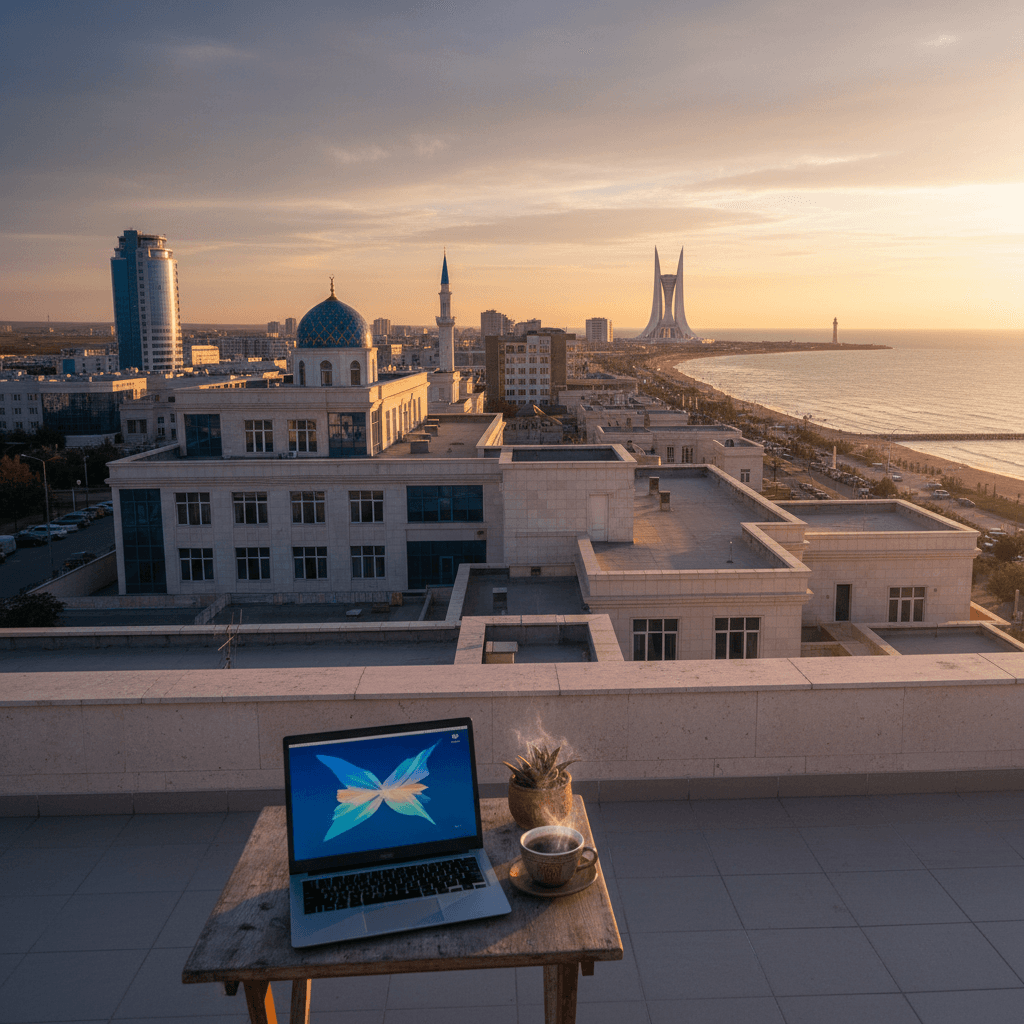
Aktau
🇰🇿 Kazakhstan