Ataco
🇸🇻 El Salvador
The Aesthetic Heart of the Ruta de las Flores
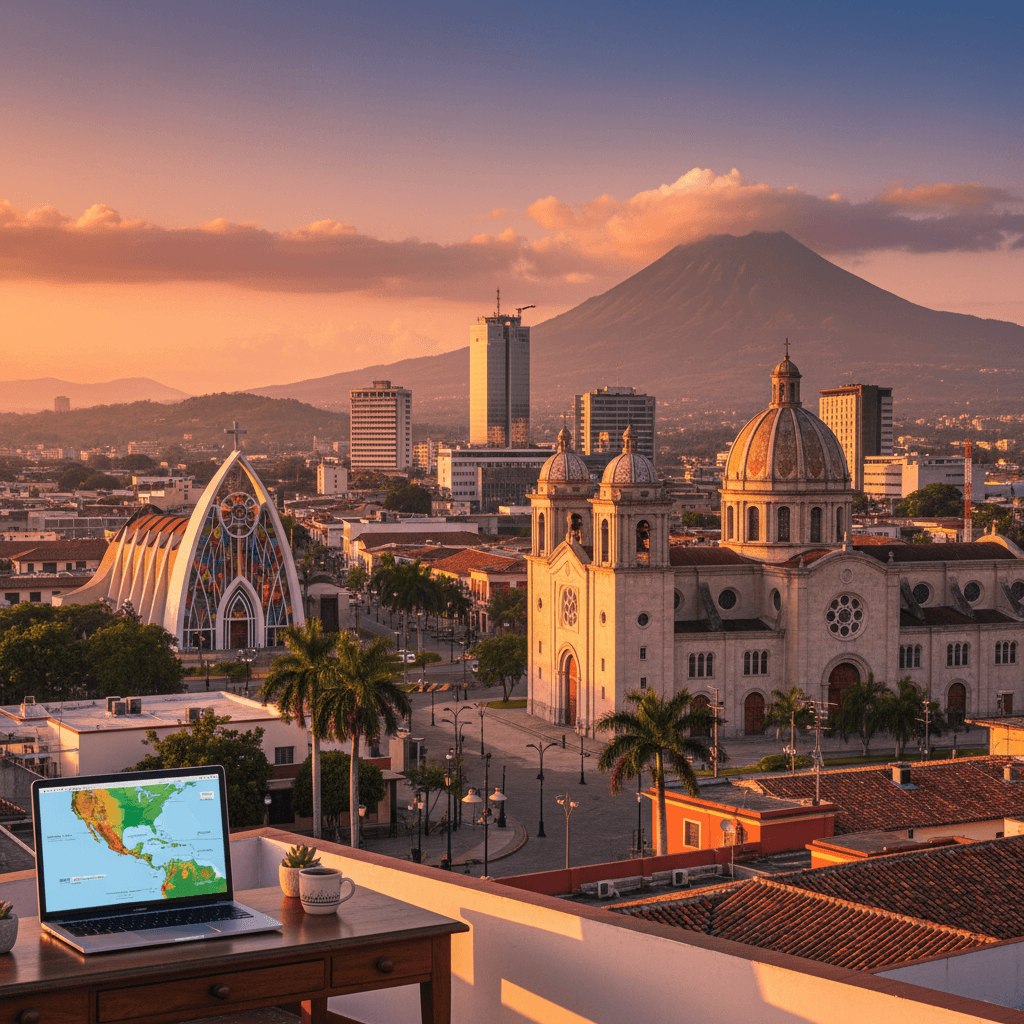
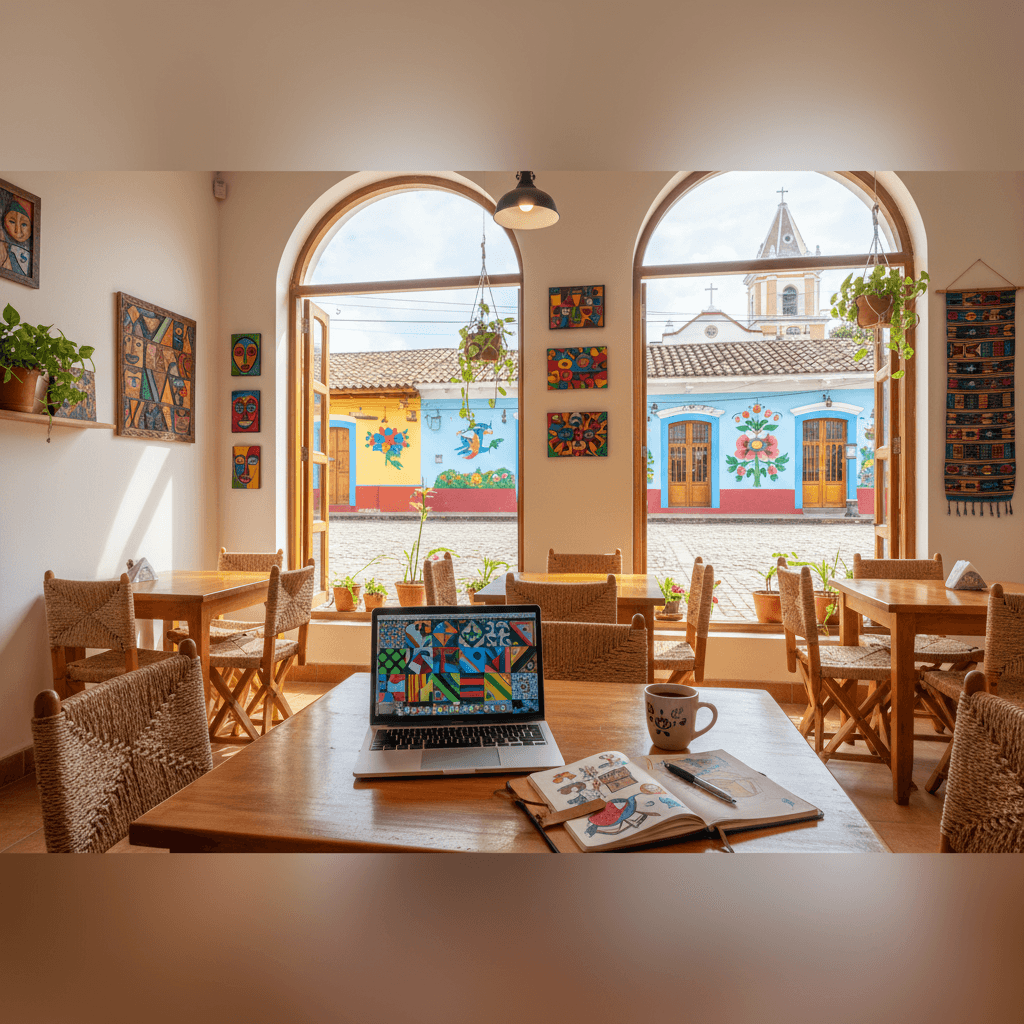
Concepción de Ataco, or simply Ataco, feels like walking through a living gallery. Perched in the cool, coffee-rich highlands of western El Salvador, this town trades the humid heat and surf-bro energy of the coast for cobblestones and mist-covered volcanoes. It is the kind of place where you wake up to the smell of roasting beans and spend your afternoons dodging the local tuktuks on narrow streets lined with floor-to-ceiling murals.
The vibe here is deeply creative and unhurried. While places like El Tunco are built for the party, Ataco is built for the pause. You will find a community that blends indigenous Pipil heritage with a modern, artistic flair. It is quiet enough to actually hear yourself think, which is exactly why it is gaining traction for "workations" among those who don't mind trading high-speed fiber for high-altitude scenery.
What Nomads Love (and Loathe)
The draw for remote workers is the affordable authenticity. You can snag a pupusa for $1, wander through a flower festival, and live in a colonial-style villa for a fraction of what you would pay in Antigua, Guatemala. It is walkable, safe, and visually inspiring at every turn. Travelers often rave about the "eternal spring" weather, which keeps things comfortable while the rest of the country swelters.
However, the trade-off is the infrastructure. This is not a tech hub. Internet can be hit-or-miss, falling between 10 and 40 Mbps, and there are no dedicated coworking spaces yet. Most nomads find themselves working from the courtyards of spots like Casa Victoria Ataco or local coffee shops. If your job requires constant, high-definition video calls, the occasional power flicker or lag might test your patience. It is a destination better suited for writers, developers, and creatives than for those tethered to a corporate Zoom room eight hours a day.
The Daily Rhythm
Life in Ataco revolves around the central plaza. On weekdays, the town is sleepy and peaceful, perfect for deep work. On weekends, it transforms as locals from San Salvador arrive for the food fairs and live music. You'll likely spend your mornings at a café like Axul, your afternoons hiking to nearby viewpoints, and your evenings eating at a local comedor where the bill rarely hits $10.
It is worth noting that the social scene is intimate rather than explosive. You won't find a massive nomad meetup every Tuesday night. Instead, you'll meet people naturally at the markets or through Facebook groups like Digital Nomads El Salvador. It is a place for the self-sufficient traveler who prefers a glass of local wine and a view of the forest over a crowded nightclub.
Cost of Living Breakdown
- The Budget Nomad ($800 to $1,200/month): You'll stay in a hostel or a modest private room for $200 to $400. You'll eat mostly street food and local "platos del día," use the public bus for $0.50, and rely on free café WiFi.
- The Mid-Range Professional ($1,200 to $1,800/month): This gets you a central one-bedroom apartment or a nice Airbnb for $350 to $600. You'll eat out at mid-range restaurants for $5 to $10 per meal and use apps like inDrive for comfortable transport.
- The High-End Resident ($1,800+ /month): You can rent a private luxury villa or a sprawling finca on the outskirts for $800 or more. You'll have enough in the budget for private drivers to the Santa Ana volcano and upscale dining in the larger nearby cities.
Essentially, Ataco offers a rare chance to live in a postcard-perfect setting without the "tourist tax" found in more famous Latin American colonial towns. It is a slow-burn destination that rewards those who stay long enough to learn the names of the people behind the murals.
Ataco is one of those rare spots where your bank account can finally take a breath. While the coastal surf towns like El Zonte have seen prices climb alongside their popularity, this mountain enclave remains refreshingly affordable. You aren't paying a "nomad tax" here yet; you're paying local prices for a high quality of life surrounded by coffee plantations and murals.
Monthly Budget Tiers
Most nomads find they can live comfortably here for a fraction of what they’d spend in the States or Europe. Here is how the monthly math usually breaks down for a solo traveler:
- Budget ($800 to $1,200): This covers a bed in a social hostel or a modest shared room, plenty of $1 pupusas, and using local buses to get between towns on the Ruta de las Flores.
- Mid-range ($1,200 to $1,800): You’ll land a private studio or a small one-bedroom apartment in the center of town, eat out at nice cafes daily, and have plenty of room for weekend trips to the nearby hot springs.
- Comfortable ($1,800+): This gets you a premium villa or a high-end Airbnb like Casa Victoria, frequent upscale dining, and private transport when you don't feel like walking.
Housing and Utilities
Rent is your biggest variable. If you're looking for a short-term "workation" setup, Airbnb is the standard tool, with central apartments ranging from $350 to $600 per month. For those staying longer, expats often recommend checking local Facebook groups like "El Salvador Expats and Nomads" to find better deals on traditional leases. Keep in mind that while the mountain air keeps things cool, you'll want to confirm your rental has a solid backup for power, as the occasional highland storm can knock out the grid for an hour or two.
Food and Dining
Eating in Ataco is a highlight for the budget-conscious. You can easily find a filling meal of pupusas and a drink for $3 to $5 at local comedores. If you prefer a sits-down cafe with WiFi, expect to pay between $5 and $10 for a main course and a world-class local coffee. Groceries are inexpensive if you stick to the local markets for produce, though imported goods from the city will carry a premium. Most travelers find that $300 to $450 a month covers a very healthy mix of cooking at home and dining out.
Transport and Connectivity
Since the town center is entirely walkable, your daily transport cost is often zero. When you do need to move, the inDrive app is the go-to for fair pricing on longer trips, usually costing between $5 and $10 for local runs. For regional travel, the colorful public buses are a steal at $0.50 to $1 per ride.
Data is a non-negotiable expense. Expats suggest picking up a Claro or Tigo SIM card immediately. A monthly plan with plenty of data typically runs between $10 and $30. Since dedicated coworking spaces don't really exist in Ataco yet, you'll likely spend a bit extra on coffee while working from local shops, though most don't charge a "desk fee" as long as you're ordering.
Staying Long Term
If you decide to make Ataco a long-term base, note that El Salvador has no dedicated digital nomad visa. Remote workers with foreign income use the rentista temporary residence, which requires at least $1,635.20 a month and is granted for one year at first, giving you plenty of time to soak in the highland culture without constant border runs.
Solo Travelers and Remote Workers
If you're heading to Ataco to work while surrounded by street art, the Centro Histórico is your best bet. This is the heart of the town where the famous murals cover nearly every colonial wall. It's incredibly walkable, meaning you can jump from a morning Zoom call to a pupusa stand in under three minutes.
Most nomads aim for the blocks immediately surrounding the Parque Central. While there aren't any dedicated coworking spaces yet, you'll find the best WiFi stability in this cluster. Travelers frequently recommend Casa Victoria Ataco for a "workation" setup because it balances reliable internet with that specific highland aesthetic. Expect to pay between $350 and $600 for a decent studio or one bedroom apartment in this area.
- The Vibe: Social, artistic, and convenient. You'll meet other travelers at the weekend food festivals.
- Internet: Best in town, usually averaging 10 to 40 Mbps, but still keep a Claro SIM card handy as a backup.
- Noise Level: High on weekends when the Ruta de las Flores crowds arrive, but peaceful on weekdays.
Expats and Long-Term Residents
Expats looking for a permanent base often gravitate toward the Finca Areas on the town's outskirts. These neighborhoods are carved into the coffee plantations and offer significantly more privacy than the town center. Living here feels like being in a mountain retreat, with cooler air and sweeping views of the highlands.
Rental prices for larger private villas or traditional homes usually start around $800. While the tranquility is a major draw, you'll likely need a car or the inDrive app to get into town for supplies. Many retirees appreciate the slower pace here, though the expat community is smaller and more spread out compared to the beach scenes in El Zonte or the urban sprawl of San Salvador.
- The Vibe: Quiet, secluded, and surrounded by nature.
- Connectivity: Can be spotty. If you're working from a finca, check the signal strength before signing a long term lease.
- Social Life: Centered around private gatherings or trips into town for coffee at local roasteries.
Families
Families generally find the residential pockets just south of the Centro to be the sweet spot. These areas offer a bit more breathing room and larger patios than the historic core without being as isolated as the coffee farms. It's safe enough for kids to walk around during the day, and the local community is famously welcoming to newcomers.
The main trade off for families is the lack of international schools within Ataco itself. Most expat families here are either homeschooling or prepared to commute to larger hubs like Santa Ana for more robust services. For a comfortable family lifestyle, a monthly budget of $1,800 or more allows for a spacious home and frequent dining out.
- Safety: Very high. Ataco is one of the more relaxed towns in the region, with a strong "look out for your neighbor" culture.
- Amenities: Basic pharmacies and small markets are everywhere, but you'll head to Santa Ana for major hospital visits or big box shopping.
- Cost: Mid range meals for a family of four typically run between $20 and $40 at local comedores.
Connectivity Realities
If you're coming from San Salvador or El Tunco, manage your expectations. Ataco is a highland retreat first and a tech hub second. You'll find speeds ranging from 10 to 40 Mbps in the town center, which is enough for Zoom calls and standard workflows, but it can be hit or miss. The connection is generally stable, but mountain storms during the rainy season from May to October can cause occasional flickers.
Most nomads rely on a mix of local fiber and cellular backup. Since there isn't a dedicated coworking space in town yet, your best bet is a "workation" setup at a rental like Casa Victoria Ataco. They're known for having reliable setups for remote workers. If you need a professional office environment with backup generators and high-speed fiber, you'll have to head to Tunco Work on the coast or the corporate hubs in San Salvador, both of which are a few hours away.
The Best Work-Friendly Cafés
The café culture here is incredible, though not every shop wants you camping out with a laptop for four hours on a Saturday afternoon. Stick to weekdays and always buy a few rounds of local Bourbon or Pacamara coffee to keep the staff happy. These spots are the go-to choices for the laptop crowd:
- The Local Coffee Scene: Several small roasteries along the Centro Histórico offer free WiFi and plenty of outlets. It's a quiet, artistic atmosphere that suits deep work better than loud meetings.
- Hostel Common Areas: Backpacking spots near the murals often have the most consistent "nomad" energy. They’re used to travelers needing to book their next leg or finish a project, so the vibe is generally more permissive for long stays.
- Garden Restaurants: On the outskirts of town, you'll find eateries with massive garden views. These are great for light admin work, though the WiFi signal usually gets weaker the further you sit from the main counter.
Mobile Data and SIM Cards
Don't rely solely on hotel WiFi. A local SIM is your safety net. Claro is the undisputed king of coverage in the Ruta de las Flores region. You can pick up a SIM at the airport or any small "tienda" in the town center for about $10 to $30 depending on your data needs.
- Claro: Best for regional coverage and consistent 4G speeds in the mountains.
- Tigo: A solid second choice with competitive budget plans, often used by locals.
- eSIMs: If your phone supports it, Airalo or Holafly work well for the transition period, but they're significantly more expensive than just grabbing a local card.
Practical Digital Nomad Tips
Security is a major factor when working in public. While Ataco is safe, don't leave your $2,000 MacBook unattended while you grab a refill. Use a VPN at all times, especially when connecting to open networks in the central plaza or public cafés. Many nomads also recommend using the Chivo Wallet for Bitcoin transactions, as El Salvador’s tech-forward payment system is integrated into many local businesses.
If your work requires massive uploads or ultra-low latency, consider staying in the Centro. As you move toward the Finca areas or the coffee plantations on the outskirts, the infrastructure drops off quickly. You'll get better views of the volcanoes, but you might find yourself tethering to a weak mobile signal just to send an email.
A Changing Safety Narrative
El Salvador has undergone a massive transformation in recent years, and Ataco sits comfortably in one of the safest pockets of the country. Locals and long term expats describe the vibe here as a sleepy mountain village where the biggest "danger" is usually a uneven cobblestone street. While the national crime rate has dropped significantly since 2020, the standard rules for Latin American travel still apply. You'll want to keep your phone tucked away while walking and avoid wandering into isolated coffee plantations or outskirts alone after dark.
Most nomads feel perfectly fine walking the central mural lined streets during the day. The town center is compact and well lit, but once you head toward the rural Finca areas, the lighting gets spotty. If you're heading back to a remote Airbnb late at night, skip the walk and call a taxi or use the inDrive app. It usually costs between $5 and $10 and saves you from navigating dark, unfamiliar paths.
Healthcare Essentials
For minor issues like a stomach bug or a scrape from a hike, Ataco has several small pharmacies (farmacias) scattered around the main plaza. You can pick up most basic medications for $5 to $10 without much hassle. The pharmacists are helpful, though you'll likely need to use a translation app if your Spanish isn't fluent.
If you need more serious medical attention, you'll have to head out of town. The nearest reliable facilities are in Santa Ana or Chalatenango. For high end, Western style hospitals with English speaking staff, most expats make the 90 minute drive to San Salvador. Hospitals like Hospital de Diagnóstico in the capital are excellent but expect to pay out of pocket if you don't have international insurance.
Insurance and Emergency Info
Carry proof of international health insurance. Even for a one month visit, it's a smart move given the distance to the nearest major hospital. Keep these numbers saved in your phone just in case:
- Universal Emergency (police, fire, ambulance): 911
- Medical Emergencies: 132
- Local Assistance: Check with your hostel or Airbnb host for the direct number of the nearest clinic, as they often have faster local contacts.
Practical Tips for Staying Well
The altitude in Ataco is roughly 1,200 meters, which means the sun is stronger than you think even when it feels cool. Stay hydrated, but don't drink the tap water. Stick to bottled water or filtered dispensers provided by your accommodation. Most nomads find that the mountain air is a welcome break from the humidity of the coast, but the temperature drops quickly at night, so pack a light jacket to avoid catching a chill.
Lastly, keep a small amount of USD cash on you for emergencies. While Bitcoin is legal tender and many spots take cards, smaller clinics or pharmacies in the highlands often prefer physical dollars. Having $20 to $50 in small bills tucked away is a simple safety net that most travelers recommend.
The Walkability Factor
In the heart of Ataco, your best assets are a sturdy pair of shoes and a sense of direction. The town center is remarkably compact and almost entirely walkable. Most nomads find that staying within the Centro Histórico means they rarely need a vehicle for daily life. The cobblestone streets are lined with murals and cafes, making the stroll to your morning coffee part of the experience rather than a chore.
If you choose a villa or a finca on the outskirts, like the popular coffee farm stays, the dynamic changes. These areas offer peace and mountain views but aren't pedestrian-friendly at night. You'll likely want a car or a reliable contact for a local taxi if you’re living further out in the highlands.
Public Transit and the Ruta de las Flores
For exploring the neighboring towns along the Ruta de las Flores, the local bus system is the most authentic and affordable way to move. These colorful buses run frequently between Ataco, Juayúa, and Apaneca. Expect to pay between $0.50 and $1.00 per ride. While they can get crowded on weekends, they are a reliable lifeline for nomads who want to see the region without the expense of a private driver.
- Route 249: This is the main artery connecting Ataco to Sonsonate and the other flower route towns.
- To Santa Ana: Frequent buses head this way for about $1.50 to $2.00, perfect for a day trip to the volcanoes.
- To San Salvador: The journey takes about 2 to 3 hours and usually costs under $5.00 on a standard bus.
Apps and Taxis
Don't bother opening Uber here; the service hasn't effectively reached Ataco yet. Instead, download inDrive. It is the go-to app in El Salvador for negotiating fares directly with drivers. It’s widely used by expats and travelers to ensure a fair price before the car even arrives.
For quick trips within the town or to nearby hot springs, local taxis are available. A typical short hop within the vicinity will set you back $5 to $10. It’s standard practice to agree on the price before you get in, as meters are nonexistent in this part of the country.
Wheels for Rent
If you prefer more autonomy, informal rentals are the way to go. Many hostels and guesthouses offer mountain bikes or small scooters for $5 to $10 per day. Given the hilly terrain and the winding roads of the Ruta de las Flores, a scooter is a fantastic way to hop between coffee plantations at your own pace. Just be mindful of the rainy season from May to October, when the roads can get slick and visibility drops quickly in the afternoon.
Getting to Ataco from the Airport
Most nomads arrive via San Salvador International Airport. You have three main ways to reach the mountains:
- Private Shuttle: The most comfortable and fastest option. Expect to pay $50 to $80 for a direct door-to-door transfer, which takes about 2 hours.
- Rental Car: Available at the airport. It's a great choice if you plan on living in a remote finca, but parking in the narrow town center can be a headache.
- Public Bus: For the budget-conscious, you'll need to take a bus from the airport to the city terminal in San Salvador, then catch a second bus to Ataco. It’s a 4-hour mission but costs less than $10 total.
The Spanish Standard
In Ataco, Spanish isn't just the official language; it’s the only one you’ll hear on a daily basis. Unlike the surf hubs of El Zonte or the business districts of San Salvador, this mountain town maintains a traditional pace. You won’t find a high density of bilingual locals here. While hotel staff and some younger cafe owners might speak basic English, most interactions at the local market or with your taxi driver will happen entirely in Spanish.
Most nomads find that a "survival" level of Spanish is the bare minimum required to live comfortably. Being able to order your $1 pupusas, ask for the WiFi password (la contraseña), and negotiate a ride via inDrive makes a massive difference in your daily stress levels. If you’re coming with zero Spanish, expect to rely heavily on translation apps to get through basic errands.
Digital Communication and Apps
WhatsApp is the undisputed king of communication in El Salvador. Whether you’re booking a room at Casa Victoria, messaging a local guide for a coffee tour, or ordering delivery, you’ll do it through WhatsApp. Local businesses often don't check their emails, but they’ll reply to a text within minutes. Make sure you have a local number or a data plan that supports it.
- Google Translate: Download the Spanish dictionary for offline use. The mountain terrain can cause spotty data, and you don't want to be stuck at a bus stop unable to ask for directions.
- inDrive: Since there is no Uber in Ataco, this app is your best bet for finding rides to nearby towns like Juayúa or Ahuachapán.
Connectivity and SIM Cards
Don't rely on your home country's roaming plan; it’s usually slow and expensive. Expats recommend grabbing a local SIM card immediately upon arrival at the airport or at a small shop in the Centro Histórico. Claro generally offers the most reliable coverage in the highlands of the Ruta de las Flores, with Tigo being a solid secondary choice. You can usually get an unlimited data plan for $10 to $30 per month.
Travelers often say that while the town's artistic vibe is inspiring, the internet is its Achilles' heel. Speeds usually hover between 10 and 40 Mbps. If your work involves heavy video uploading or constant Zoom calls, always test the WiFi at a cafe before settling in for the day. Stable connections are more common in the town center than in the isolated fincas on the outskirts.
Social Etiquette and Basic Phrases
The culture in Ataco is warm but polite. It’s common practice to greet people you pass on the cobblestone streets with a quick "Buenos días" or "Buenas tardes." Ignoring people is often seen as cold. When entering a small comedian or shop, a general greeting to the room is standard. Here are a few phrases that nomads use most often:
- ¿Cuánto cuesta? (How much does it cost?): Essential for the weekend craft markets.
- ¿Tienen WiFi? (Do you have WiFi?): Your most asked question in cafes.
- La cuenta, por favor (The check, please): Use this to wrap up your meal.
- Con permiso (Excuse me): Use this when walking through a crowded market or past someone’s table.
If you’re looking to improve your skills, look for language exchanges in San Salvador or Santa Ana before heading up to the mountains. Ataco is a place where locals are patient with learners, making it a great spot to practice what you’ve picked up on Duolingo without the pressure of a fast-paced city.
The Highland Climate
Unlike the sweltering tropical heat found in coastal hubs like El Tunco, Ataco sits at a high elevation in the Apaneca-Ilamatepec mountain range. This means you can trade your board shorts for light sweaters once the sun goes down. The town enjoys a perpetual spring-like atmosphere that keeps the air crisp and the coffee plants happy. Most nomads find this climate far more conducive to productivity than the humid lowlands, though you should be prepared for the occasional morning mist that rolls through the cobblestone streets.
Temperatures generally hover between 18°C (64°F) and 28°C (82°F). While the afternoons get warm enough for a t-shirt and a cold horchata, the evenings are famously cool. If you are staying in a traditional colonial house or a finca on the outskirts, don't be surprised if there is no air conditioning; you simply won't need it. Instead, you will likely want a light jacket for your evening walks to the central plaza.
Dry Season: The Peak Window (November to April)
If you want the quintessential Ruta de las Flores experience, aim for the window between November and April. This is the dry season, characterized by bright blue skies and plenty of sunshine. It is the best time for hiking the nearby Santa Ana volcano or exploring the local coffee fincas without getting caught in a downpour.
- November and December: These are arguably the best months to visit. The landscape is still lush and green from the recent rains, but the weather has settled into a predictable, sunny pattern. The winds pick up slightly, making the air feel even fresher.
- January to April: This is the height of summer. It is the driest period, meaning dusty trails and peak visibility for mountain viewpoints. Travelers often say this is the easiest time for digital nomads to get around, as you don't have to worry about power outages or internet hiccups caused by heavy storms.
Rainy Season: The Green Season (May to October)
The rainy season kicks off in May and lasts through October. While "rainy season" sounds intimidating, it rarely means constant rain. Typical days involve clear mornings followed by intense, short-lived thunderstorms in the late afternoon or evening. For many remote workers, this is actually a cozy time to be in Ataco. There is nothing quite like sitting in a cafe with a hot cup of local bourbon coffee while watching a tropical storm roll over the mountains.
However, there are practical trade-offs during these months. The humidity rises, and the mountain roads can become slick or prone to small landslides. If your work requires 100% uptime, be aware that heavy lightning can occasionally knock out the local power grid for an hour or two. Expats recommend having a backup battery and a Claro SIM card with plenty of data, as cellular towers often stay active even if the WiFi drops.
Timing Your Visit for Festivals
If you can time your stay to coincide with local traditions, you will see Ataco at its most energetic. The town is famous for its festivals, which bring a burst of color and light to the highland nights.
- September 7th: The National Day of the Lanterns (Día de los Farolitos). This is a massive event where the entire town is illuminated by thousands of handmade candles and lanterns. It is beautiful, but expect accommodation prices to spike and crowds to fill the streets.
- Easter (Semana Santa): Like much of El Salvador, Ataco takes Holy Week seriously. You will see intricate sawdust carpets (alfombras) laid out on the streets. It is a culturally rich time to visit, but many shops and services may close for the holidays.
- Coffee Harvest (December to March): For caffeine enthusiasts, this is the prime time to visit. You can watch the harvest in action at nearby plantations and taste the freshest roasts of the year.
What to Pack
Because of the elevation, your packing list for Ataco should look different than a beach trip. Locals and long-term travelers suggest a "layering" strategy. Bring breathable cotton for the sunny midday hours, but keep a hoodie or a denim jacket handy for the evenings. If you are visiting during the green season, a sturdy rain shell and waterproof shoes are non-negotiable for navigating the slippery cobblestones. Don't forget a decent pair of trail runners if you plan on taking the local bus to the nearby hot springs or waterfalls.
Connectivity and Tech Setup
Internet in the mountains is notoriously fickle. While you can find speeds between 10 and 40 Mbps in the town center, it is rarely stable enough for high stakes video calls without a backup. Most nomads rely on Claro for mobile data as it has the most reliable coverage in the highlands. You can pick up a SIM card at the airport or a local shop for about $10, but make sure to top it up with an unlimited data plan for roughly $30 a month.
There are no dedicated coworking spaces in Ataco yet. You will be working from your accommodation or local coffee shops. Casa Victoria Ataco is a favorite for those on a workation because it offers a more stable environment than the budget hostels. Always use a VPN, especially when hopping between cafe networks, and keep your Chivo Wallet or a crypto app ready. While the USD is the primary currency, El Salvador is a bitcoin-friendly nation and having digital payment options is helpful.
Safety and Health
Ataco is one of the safest spots in the country. The small town vibe means locals look out for one another, and the violent crime rates associated with the past have plummeted. That said, do not get too comfortable. Stick to well lit areas in the Centro Histórico at night and avoid wandering into the isolated coffee plantations or outskirts after dark. Keep your phone and expensive camera gear tucked away when you are not actively using them.
For medical needs, you will find basic pharmacies on almost every block where common meds cost between $5 and $10. If you have a serious emergency, you will need to head to Santa Ana or San Salvador for a modern hospital. Most expats recommend having international health insurance that covers medical evacuation. In an emergency, dial 132 for the police.
Money and Budgeting
Life here is affordable if you live like a local. A solo nomad can get by on $800 to $1,200 a month by eating at pupuserias and staying in shared housing. If you want a private villa and upscale meals, plan for $1,800 or more. Cash is king for street food and small markets, so keep small denominations of USD on you. ATMs are available, but they often run out of cash on festival weekends, so plan ahead.
- Pupusas: $1 to $3 per meal.
- Mid-range dinner: $5 to $10.
- Local bus (Chicken bus): $0.50 to $1.
- Private shuttle from San Salvador: $50 to $80.
Navigation and Logistics
The town center is incredibly walkable. You won't need a car if you stay near the murals and the main plaza. For trips to nearby towns like Juayúa or Apaneca, the local buses are frequent and dirt cheap. There is no Uber here, so download the inDrive app or negotiate a price with a local taxi driver before you get in. A typical ride within the immediate area should cost between $5 and $10.
For a long term stay, note that El Salvador has no dedicated digital nomad visa. Remote workers use the rentista temporary residence, which requires a monthly foreign income of at least $1,635.20. For most travelers, the standard 90 day tourist permit is plenty. When you arrive, it is customary to greet people with a "Buenos días" or "Buenas tardes." Even a little bit of Spanish goes a long way here, as English proficiency is quite low once you step away from the main tourist counters.
When to Go
The best weather hits between January and April. It is dry, sunny, and perfect for hiking the nearby volcanoes. The rainy season runs from May to October. During these months, expect heavy afternoon downpours that can knock out the power or the internet for a few hours. Pack layers regardless of the season; the mountain air gets surprisingly chilly once the sun goes down.
Need visa and immigration info for El Salvador?
🇸🇻 View El Salvador Country GuideOff the Radar
Pioneer territory
Monthly Budget Estimates
More cities in El Salvador
Santa Ana
🇸🇻 El Salvador
Suchitoto
🇸🇻 El Salvador
El Zonte
🇸🇻 El Salvador