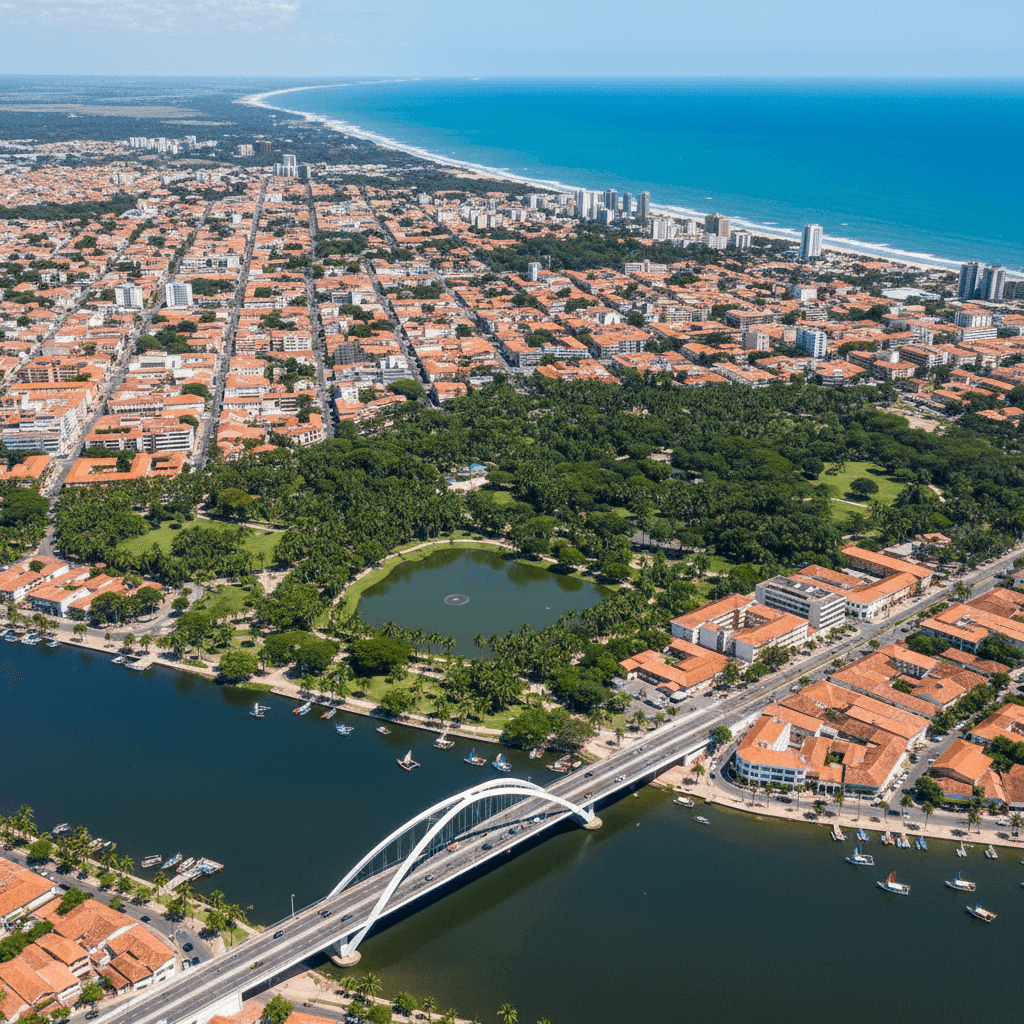
Aracaju
🇧🇷 Brazil
The Slower Side of the Northeast
Aracaju is the city for nomads who want to disappear into the Brazilian Northeast without the chaos of Rio or the high price tag of Florianópolis. It’s a capital city that feels like a beach town, where the rhythm of life is dictated by the tide and the afternoon heat. You won't find a high-stress startup scene here. Instead, you'll find a blend of African, Indigenous, and Portuguese influences that manifest in the smell of grilled shrimp at the market and the sound of forró music drifting from beachfront kiosks.
The emotional appeal of Aracaju lies in its lack of pretension. It’s a place where locals are genuinely curious about visitors and where the "Orla de Atalaia" promenade serves as the city’s communal backyard. Most nomads find that the city offers a rare sense of seclusion; it’s quiet enough to actually get deep work done, but beautiful enough to make your lunch breaks feel like a genuine escape. If you’re looking for a "hidden gem" (though we don't use that word), this is the spot where you can live well on a modest budget while exploring the dramatic landscapes of the nearby Xingó Canyon.
Cost of Daily Life
Living here is significantly more affordable than in Brazil’s southern hubs. While prices fluctuate, your dollars or euros go a long way in Sergipe. Expats recommend budgeting based on these general tiers for a comfortable stay:
- Budget Tier: R$4,000 to R$6,000 per month. This covers a basic studio and plenty of street food like acarajé or pastéis.
- Mid-Range: R$6,000 to R$9,000 per month. This allows for a nicer apartment in Atalaia and frequent dinners at the Crab Catwalk (Passarela do Caranguejo).
- Comfortable: R$10,000+ per month. This is the "no-compromise" lifestyle, including a high-end condo, private health clinics, and weekend trips to the São Francisco River.
The Neighborhood Breakdown
Choosing your base is straightforward because the city is geographically divided by lifestyle. Most remote workers stick to the coast for the breeze and the views.
Atalaia
- Rent: R$1,500 to R$3,500 for a 1BR.
- Vibe: The heart of the nomad experience. It’s home to the best beaches, the Projeto TAMAR turtle sanctuary, and the main social scene.
- Pros: Highly walkable, great food options, and constant ocean breezes.
- Cons: Can feel a bit touristy on weekends; standard safety rules apply after dark.
Centro
- Rent: R$1,000 to R$2,000.
- Vibe: Gritty, authentic, and historic. This is where you go for the Mercado Municipal and regional crafts.
- Pros: Deeply cultural and very affordable food.
- Cons: It gets very quiet and potentially risky at night; not much of a nomad community.
Jardins & Taquari
- Rent: R$2,000 to R$4,000.
- Vibe: Upscale residential. This is where local families and long-term expats live.
- Pros: Modern shopping malls, safer streets, and quieter nights.
- Cons: You’ll need an Uber to get to the beach; lacks the "vacation" feel of Atalaia.
Connectivity & Logistics
Don't expect a coworking space on every corner. While cities like Jericoacoara have dedicated hubs like Flow, Aracaju is still catching up. Most nomads work from their apartments using fiber optic setups or find a corner in laptop-friendly cafes near the malls. For mobile data, grab a Claro or Vivo SIM card; you can get 20GB to 50GB for about R$30 to R$50, though you'll likely need a CPF (tax ID) to register the best plans.
Getting around is easiest with Uber or the local 99 app. Rides are cheap, usually costing between R$10 and R$30 for most trips within the city. It’s a much safer and faster alternative to the public bus system, which can be inconsistent. English proficiency is low here, so download the Portuguese pack on Google Translate. A little effort goes a long way with the locals, who are famously friendly but rarely speak more than a few words of English outside the higher-end hotels.
Safety is better than in Rio, but you still need to be smart. Use rideshare apps after the sun goes down, keep your phone tucked away while walking, and stick to well-lit areas like the Orla. If you can handle the tropical heat (it stays between 25°C and 32°C year-round), Aracaju offers a balanced, low-cost lifestyle that most of the digital nomad world hasn't discovered yet.
The Price of the Quiet Life
Aracaju is arguably one of the most affordable coastal capitals in Brazil. While cities like Rio or Florianópolis saw prices spike recently, this corner of the Northeast remains a budget friendly haven for those who don't mind a slower pace. You won't find the high energy chaos of a major metropolis here; instead, you'll find a city where your remote income stretches significantly further than you might expect.
Most nomads living here comfortably spend between R$6,000 and R$9,000 per month. If you're on a tighter budget, you can get by on R$4,000 if you cook at home and choose a modest apartment away from the immediate beachfront. For those wanting a high end lifestyle with a modern condo in a prime area and frequent dining out, R$10,000 covers just about everything.
Monthly Budget Breakdown
- Studio or 1BR Apartment: Expect to pay R$1,500 to R$3,000 in popular areas like Atalaia. Prices fluctuate based on how close you are to the Orla.
- Coworking Membership: While dedicated spaces are still emerging, regional rates hover between R$300 and R$500 per month.
- Groceries and Dining: A casual meal at a local spot costs R$30 to R$50, while a high end dinner will run R$80 or more.
- Transportation: Rideshare apps like Uber and 99 are the standard. Most cross town trips cost between R$10 and R$30.
Where to Plant Your Roots
Choosing the right neighborhood is the biggest factor in your daily costs and quality of life. Most nomads gravitate toward the coast, but there are distinct vibes depending on what you're looking for.
Atalaia
- The Vibe: This is the heartbeat of the city for travelers. It's home to the Orla de Atalaia promenade and the best beaches.
- Rent: R$2,000 to R$3,500 for a decent furnished flat.
- Pros: Extremely walkable, plenty of restaurants, and easy access to the Projeto TAMAR turtle sanctuary.
- Cons: It's the most touristy area, and you should avoid walking alone on quiet stretches at night.
Centro
- The Vibe: Historic and busy. This is where you'll find the Mercado Municipal and the Sergipe Museum.
- Rent: R$1,200 to R$2,000.
- Pros: Very affordable and close to cultural landmarks.
- Cons: It gets deserted and feels less safe after business hours.
Jardins
- The Vibe: Upscale and residential. This is where local professionals and families live.
- Rent: R$2,500 to R$4,000 for larger, modern apartments.
- Pros: Safer, quieter, and home to the city's best shopping malls.
- Cons: You'll need an Uber to get to the beach.
Staying Connected
Internet reliability is generally good, with fiber optics becoming the standard in modern apartment buildings. You'll find laptop friendly cafes along the beachfront, though the culture is more about relaxation than grinding. If you need a consistent spot, look for regional coworking brands or utilize your home setup. For mobile data, grab a prepaid SIM from Claro or Vivo. You can get 20GB to 50GB of data for roughly R$30 to R$50 per month, though you'll typically need a CPF (Brazilian tax ID) to register the best deals.
Practical Spending Tips
Cash is still useful for beach kiosks or small stalls at the Mercado Municipal, but Pix (the local instant payment system) and credit cards are accepted almost everywhere. If you're staying long term, opening a Wise or Nubank account will save you a fortune in transaction fees. Keep in mind that English isn't widely spoken outside of major hotels. Using Google Translate and learning basic Portuguese phrases for "How much?" (Quanto custa?) will go a long way in ensuring you aren't paying "tourist prices."
The Nomad Hub: Atalaia
If you're coming to Aracaju to work with a view, Atalaia is where you'll likely land. It's the heartbeat of the city's tourism and the most practical base for anyone relying on a laptop. The neighborhood is defined by the Orla de Atalaia, a massive six kilometer waterfront promenade that houses everything from the Projeto TAMAR turtle sanctuary to the Passarela do Caranguejo, a famous stretch of seafood joints and bars.
- The Vibe: Relaxed, beach oriented, and walkable during the day.
- Rent: Expect to pay between R$1,500 and R$3,000 for a solid one bedroom apartment or studio.
- Pros: You're steps away from the sand, the best dining options are right there, and it's the easiest place to find decent WiFi.
- Cons: It can feel a bit touristy, and like most Brazilian beach zones, you shouldn't wander through quiet side streets alone after the sun goes down.
Most nomads spend their afternoons at local cafes along the Orla. While dedicated coworking spaces are still a bit thin on the ground compared to Sao Paulo, the "cafe culture" is catching up. You can usually grab a coffee for R$8 to R$12 and settle in for a few hours. For reliable connectivity, locals recommend picking up a Claro or Vivo prepaid SIM card with a 50GB data plan for around R$50 as a backup.
The Solo Traveler: Centro
For those who want to be immersed in the history and daily grit of Sergipe, Centro is the place. It's not as polished as the beach districts, but it puts you within walking distance of the Mercado Municipal, where you can find regional crafts and cheap, authentic meals. It's a great spot if you're on a tighter budget and want to see the "real" Aracaju before the sun sets.
- The Vibe: Busy, historical, and unpretentious.
- Food: Street food like acarajé or Tapioca will cost you R$10 to R$20.
- Pros: Close to museums like the Museu da Gente Sergipana and easy access to the main bus terminals.
- Cons: The area gets deserted and sketchy at night; you'll want to take an Uber or 99 back to your accommodation after dinner.
Expats and Long-Stay Professionals: Jardins and Treze de Julho
If you're planning to stay for six months or more, look into Jardins or the neighboring Treze de Julho. These are the upscale residential lungs of the city. You won't find many tourists here, but you will find the best infrastructure, including the Shopping Jardins mall and several private clinics. It's where the city's middle and upper class live, offering a much quieter, more "local" experience.
- The Vibe: Polished, safe, and residential.
- Rent: Prices for a comfortable apartment start around R$3,000 and can go up significantly depending on the amenities.
- Pros: Leafy parks, better security, and close to high end grocery stores.
- Cons: You're a 15 to 20 minute Uber ride away from the beach, which can cost R$20 to R$30 depending on traffic.
Families: Aruana
South of Atalaia lies Aruana, an emerging area that's perfect for families who want more space and a quieter environment. The beaches here are less crowded and the water is generally calmer, making it ideal for kids. Many houses here are located in gated communities, providing an extra layer of peace of mind.
- The Vibe: Suburban and beachy.
- Pros: Large homes, cleaner air, and a very "vacation home" feel.
- Cons: Public transport is almost non existent here; you'll absolutely need a car or a healthy Uber budget to get into the city center.
Regardless of where you stay, remember that Aracaju moves at its own pace. It's significantly more affordable than Rio or Florianópolis, with a comfortable lifestyle achievable on R$6,000 to R$9,000 a month. Most expats recommend staying in Atalaia for your first month to get your bearings before committing to a longer lease in the quieter residential zones.
Connectivity and Infrastructure
Aracaju doesn't have the hyper-connected, high-tech infrastructure of Sao Paulo, but it holds its own for most remote work needs. Fiber optic internet is standard in the modern apartment buildings of Atalaia and Jardins. You can generally expect speeds between 50 Mbps and 200 Mbps in residential rentals, though it's always smart to ask for a speed test screenshot before booking an Airbnb.
For mobile data, Vivo and Claro are the most reliable carriers here. You can pick up a prepaid SIM at the Shopping Jardins or RioMar Aracaju malls. Expect to pay between R$30 and R$50 for a monthly plan that gives you 20GB to 50GB of data. It's a solid backup for those occasional beachfront power flickers or when you're working from a kiosk on the Orla.
Coworking Spaces
You won't find a massive variety of dedicated coworking brands in Aracaju like you would in the south. The scene is more functional and local. Most nomads gravitate toward shared office setups in the business districts rather than dedicated "nomad hubs." Prices are very reasonable compared to global standards, typically ranging from R$20 to R$50 for a day pass or around R$300 to R$500 for a monthly hot desk.
- Jardins District: This is where you'll find the most professional environments. It's the city's commercial heart, so the internet is stable and the desks are ergonomic.
- Atalaia: While there are fewer formal offices here, this is the preferred spot for the "laptop on the beach" crowd. Many nomads choose to work from their balconies overlooking the ocean or from the various cafes lining the Orla.
- Innovation Hubs: Keep an eye out for local tech incubators or university-linked spaces, which often offer temporary desks for a small fee and better networking with local Sergipe entrepreneurs.
Laptop-Friendly Cafes
The cafe culture in Aracaju is laid-back and welcoming. Unlike busy European hubs, staff here generally won't rush you out if you've finished your coffee. However, English isn't widely spoken, so having Google Translate ready on your phone is a lifesaver when asking for the WiFi password (a senha do Wi-Fi).
The Orla de Atalaia has several spots with decent connectivity, but the mid-day heat can be intense. Most expats recommend heading to the air-conditioned cafes inside the major malls or the boutique coffee shops in the Salgado Filho neighborhood for a longer deep-work session. The vibe is usually quiet during the morning, picking up significantly after 4:00 PM when the locals head out for their late afternoon coffee.
Practical Remote Work Tips
- Power Backups: While the grid is generally stable, coastal storms can cause brief outages. A decent power bank and a mobile hotspot are non-negotiable if you have back-to-back meetings.
- The CPF Factor: To get the best deals on long-term internet contracts or even some prepaid SIM registrations, you'll need a CPF (Brazilian tax ID). You can apply for this at a Receita Federal office or sometimes online before you arrive.
- Noise Levels: Brazilians love music and socializing. If you have important calls, avoid working from open-air beach bars during lunch hours or weekends when the Caranguejo (crab) spots get lively.
- Security: If you're working in a public cafe, keep your tech close. While Aracaju is safer than many larger Brazilian capitals, it's best not to leave your laptop unattended while grabbing a second espresso.
Staying Safe in Aracaju
Aracaju is often cited by travelers as one of the more relaxed and safer capitals in Northeast Brazil. It lacks the intense edge of larger hubs like Rio or Salvador, but you still need to keep your wits about you. Most nomads feel comfortable in the Atalaia district, especially along the Orla, which is well policed and active into the evening. However, once you move a few blocks away from the main beachfront lights, the streets get quiet quickly.
The golden rule for getting around after dark is to use ride-hailing apps. Uber and 99 are incredibly cheap here, with most cross-town trips costing between R$10 and R$30. Even if your destination is only a ten minute walk away, expats recommend calling a car if it's past 9:00 PM. It’s a small price to pay for peace of mind.
Petty crime, like phone snatching, is the most common issue. Keep your smartphone tucked away when you're walking on the sidewalk, and avoid carrying large amounts of cash. When you need to withdraw Brazilian Reais, stick to ATMs located inside shopping malls like Shopping Jardins or RioMar Aracaju. These are much safer than standalone street kiosks.
- Emergency Police: Dial 190
- Ambulance (SAMU): Dial 192
- Avoid: Walking alone on deserted stretches of beach at night or exploring the far outskirts of the city without a local guide.
Healthcare and Medical Services
If you have a minor ailment, you'll find a pharmacy (farmácia) on nearly every corner. Chains like Drogasil and Pague Menos are reliable and often have basic medical supplies and over-the-counter meds. For anything more serious, the quality of care depends on whether you're using the public or private system.
The Hospital de Urgência de Sergipe (HUSE) is the main public facility. While it's capable of handling emergencies, it's often crowded and wait times can be long. Most nomads and expats carry private international insurance and head to private clinics or hospitals for a more efficient experience. Private facilities in the Jardins neighborhood generally offer higher standards and shorter waits.
Medical costs for private consultations are quite reasonable compared to North American or European prices. A visit to a specialist might run you between R$200 and R$400 out of pocket if you don't have local insurance. Keep in mind that English proficiency among medical staff is hit or miss, so having a translation app ready or bringing a Portuguese-speaking friend is a smart move for complex appointments.
Health Tips for the Coast
The sun in Sergipe is intense year-round, with temperatures frequently hitting 32°C (90°F). Dehydration and heat exhaustion are the most frequent health complaints from newcomers. Drink plenty of bottled water or fresh coconut water, which you can find for about R$5-7 at any beach stall.
Mosquito-borne illnesses like Dengue can occasionally flare up during the rainy season between March and July. Use a good repellent, especially if you're staying near wooded areas or standing water. While malaria isn't a concern in this part of Brazil, those pesky bites can still ruin a week of work if you're not careful.
- Tap Water: Do not drink it. Always use filtered or bottled water, even for brushing your teeth if you have a sensitive stomach.
- Private Hospitals: Look for facilities in the Jardins or Salgado Filho districts for the best care.
- Sun Protection: Buy high-SPF sunscreen locally; brands like La Roche-Posay and Vichy are widely available in pharmacies but can be pricey.
Getting Around Aracaju
Aracaju is one of those rare state capitals where the pace actually slows down as you get closer to the water. While it lacks the high tech transit systems of Sao Paulo, its compact size and the layout of the coastal areas make it relatively easy to navigate once you understand the local rhythm. Most nomads find that a mix of ride hailing apps and strategic walking is the best way to handle the city.
Ride Hailing and Apps
For almost every trip that isn't a five minute stroll, you'll want to use Uber or 99. These apps are the gold standard for safety and convenience here. They're incredibly affordable compared to North American or European prices, with most cross city trips costing between R$10 and R$30. Expats recommend keeping both apps on your phone; 99 often has better coverage in the Northeast, while Uber is more predictable with pricing.
- Uber: Reliable and familiar, best for mid day trips.
- 99: Often cheaper and sometimes has more drivers available during peak hours.
- Safety Tip: Always use these apps after sunset rather than walking, even for short distances in tourist areas.
Public Transportation
The local bus system connects the entire city, including the main beaches and the Terminal Rodoviario de Aracaju. It's the most budget friendly option, but it comes with a steep learning curve. Buses can be slow, especially during the afternoon heat, and they don't always stick to a strict timetable. If you're determined to use them, Google Maps is fairly accurate for real time routes, but most travelers find the lack of air conditioning and the indirect routes a bit taxing for daily use.
Walkability and Neighborhoods
Aracaju is a tale of two cities when it comes to walking. If you're based in Atalaia, you'll love the Orla de Atalaia. This beachfront promenade is exceptionally walkable and serves as the social heart of the city. You can easily reach the Projeto TAMAR turtle sanctuary, various kiosks, and the Passarela do Caranguejo (Crab Catwalk) on foot. However, once you leave the Orla or the immediate Centro area, the city becomes much more car dependent. The Jardins neighborhood is safe and modern, but you'll find yourself booking an Uber every time you want to hit the beach.
Arrival and Regional Travel
Getting into the city from Aeroporto Santa Maria is straightforward. It's located quite close to the main nomad hubs. An Uber from the airport to an Airbnb in Atalaia usually costs between R$30 and R$50 and takes about 10 to 15 minutes. If you're planning day trips to the Xingo Canyon or the Sao Francisco River, you'll likely need to book a spot on a regional tour bus or rent a car, as public transit to these natural sites is limited.
Practical Transport Tips
- Avoid the buses during rush hour if you value your personal space and sanity.
- If you're heading to the Mercado Municipal for crafts or food, go in the morning and take a car directly to the entrance.
- Keep your phone out of sight while waiting for your ride on the street; it's better to wait inside a lobby or restaurant until your driver is one minute away.
- Traffic is generally light, but the heat is the real factor that will stop you from walking long distances between 11:00 AM and 3:00 PM.
Language Barrier Realities
In Aracaju, Portuguese isn't just the official language; it's the only one you'll hear in most daily interactions. Unlike the international hubs of Rio or São Paulo, English proficiency here is quite low. While staff at high end hotels in Atalaia or tour operators heading to Xingó Canyon might speak some English, your local barista, Uber driver, or vendor at the Mercado Municipal almost certainly won't.
Most nomads find that getting by requires a mix of patience and technology. You'll want to have Google Translate downloaded for offline use. The camera feature is a lifesaver for translating menus full of regional seafood terms or signs at the Projeto TAMAR sanctuary. Locals are generally patient and friendly, often going out of their way to help even if the conversation is mostly hand gestures and broken phrases.
Communication Tools & Apps
To navigate the city smoothly, you'll need a few specific apps on your phone. Communication in Brazil happens almost exclusively on WhatsApp. Whether you're booking a table at a restaurant on the Crab Catwalk or messaging an Airbnb host about the WiFi, don't bother with emails or phone calls. If a business has a phone number listed, it's a WhatsApp number.
- WhatsApp: For everything from business inquiries to making friends.
- Uber and 99: Essential for getting around safely, especially at night. 99 is a local favorite that often has slightly lower rates.
- Google Translate: Essential for daily survival.
- iFood: The go-to app for food delivery when you don't feel like practicing your Portuguese at a restaurant.
Connectivity and SIM Cards
Staying connected is relatively easy if you have the right setup. You can pick up a prepaid SIM card from Claro or Vivo at the Aeroporto Santa Maria or at shopping malls like Shopping Jardins. Expect to pay between R$30 and R$50 for a monthly plan that gives you 20GB to 50GB of data. These providers have solid 4G and 5G coverage throughout the urban areas of Aracaju.
The catch for long term nomads is the CPF (Brazilian tax ID). Many kiosks will ask for one to register a SIM card. If you don't have one, some travelers suggest looking for larger official stores in the city center where staff might be more familiar with registering passports. For a smoother experience, you can apply for a CPF online before you arrive, which also makes things like opening a Nubank account or buying bus tickets much easier.
Essential Phrases for Nomads
Learning a few basics will change how locals perceive you. Brazilians appreciate the effort, even if your accent is way off. Start with these:
- Bom dia / Boa tarde: Good morning / Good afternoon. Use these constantly; it's considered polite to greet everyone.
- Tudo bem?: How's it going? (The standard follow up to any greeting).
- Obrigado (m) / Obrigada (f): Thank you.
- Quanto custa?: How much does it cost?
- A conta, por favor: The bill, please.
- Você fala inglês?: Do you speak English? (Don't be surprised if the answer is "não").
The Social Context
Communication here is high context and social. In the Northeast, people are famously warm. At the Orla de Atalaia, it's common for strangers to strike up a conversation. While the language barrier can feel isolating at first, the relaxed pace of life means people aren't usually in a rush to end a conversation. If you're staying for more than a few weeks, expats highly recommend taking a few basic Portuguese lessons online. It turns Aracaju from a beautiful place to look at into a place where you can actually belong.
The Tropical Rhythm
Aracaju is defined by a consistent, tropical warmth that makes the heavy winter coats of the northern hemisphere feel like a distant memory. You can expect temperatures to hover between 25°C and 32°C (77°F to 90°F) throughout the year. The humidity is real, but the constant sea breeze along the Orla de Atalaia keeps things comfortable for laptop work, provided you have a fan or a decent AC unit in your rental.
The city operates on a distinct wet and dry cycle. While the Northeast of Brazil is generally sun-drenched, the timing of your visit dictates whether you'll be spending your afternoons at a beach kiosk or watching tropical downpours from your balcony. Most nomads find the climate easy to adapt to, especially if they're fans of an outdoor, beach-centric lifestyle.
When to Book Your Stay
The prime window for visiting is from September to February. This is when the Sergipe coastline truly shines. The skies are a deep blue, the water is warm, and the rain is minimal. If you want to maximize your time at the Projeto TAMAR turtle sanctuary or take boat trips to the Xingó Canyon, this is the time to do it. Keep in mind that December and January are peak local holiday months; prices for Airbnbs in Atalaia will spike, and the beaches get significantly more crowded with Brazilian families.
The rainy season typically lands between March and July, though some years see the heaviest showers lingering into August. Unlike the drizzly, gray winters of Europe, rain here often comes in intense, short-lived bursts. You might get a torrential downpour for an hour followed by bright sunshine. However, May and June can be particularly wet, which might dampen your plans for outdoor excursions or weekend trips to the São Francisco River.
Seasonal Highlights
- The Summer Peak (December to February): Perfect for those who want the full "Brazilian Summer" experience. The vibe is lively, the sun is relentless, and the water is crystal clear.
- The Shoulder Season (September to November): Many expats recommend this window as the sweet spot. You get the dry weather and sunny days without the peak season price tags on accommodation.
- Festivals: While Rio has its massive Carnival, Aracaju is famous for its "Forró Caju" celebrations in June. Even though it's the rainy season, the city comes alive with traditional accordion music and dancing. It's a fantastic cultural immersion if you don't mind the occasional puddle.
Practical Weather Planning
If you're planning a stay longer than a month, try to arrive in late September. This allows you to settle into your workspace and find a rhythm before the summer heat and holiday crowds arrive in December. For those on a tighter budget, visiting in August can yield better deals on long-term rentals, as you're catching the tail end of the cooler, wetter months just before the sun returns in full force.
Regardless of when you arrive, the sun in Sergipe is powerful. A high-SPF sunscreen is a non-negotiable expense, and you'll want to stay hydrated with R$4-6 coconut waters from the street vendors. Most digital nomads find that the heat is manageable for deep work during the mornings, leaving the late afternoons free for a swim or a walk along the promenade when the temperature dips slightly.
Getting Settled
Aracaju is one of those rare Brazilian state capitals where the pace actually slows down. Most nomads head straight for Atalaia. It is the heart of the city's coastal life, featuring the famous Orla de Atalaia promenade. If you want to be near the action but in a more residential setting, look at Jardins or Tirol. These areas are safer and more polished, though you will be trading beach proximity for better access to shopping malls and modern apartments.
For housing, Airbnb and Booking.com are your best bets for short stays. If you are staying longer than three months, try to negotiate a local rate. A decent studio in a prime spot like Atalaia usually runs between R$1,500 and R$3,000 per month. Most expats recommend staying within a few blocks of the Orla to keep life walkable.
Cost of Living
Your money goes significantly further here than in Sao Paulo or Rio. A comfortable life usually costs between R$6,000 and R$9,000 per month, though budget travelers can get by on R$4,000 if they stick to local markets and street food.
- Street food (Pastel or Acaraje): R$10 to R$20
- Mid-range dinner for two: R$80 to R$120
- Monthly Coworking Desk: R$300 to R$500
- Short Uber ride: R$10 to R$15
Internet and Connectivity
Fiber optic internet is standard in most modern apartments, but don't count on every cafe having stable WiFi. While there isn't a massive, dedicated nomad hub like you would find in Medellin, the city is catching up. You will find laptop-friendly spots near the beachfront and in the malls. For a mobile backup, grab a Vivo or Claro SIM card. You can get 20GB to 50GB of data for about R$30 to R$50. Just keep in mind that buying a SIM card as a foreigner often requires a CPF (Brazilian tax ID), which you can apply for online or at a local Receita Federal office.
Navigation and Safety
Public buses are available but they are often slow and lack air conditioning. Most nomads rely almost exclusively on Uber or the local competitor 99. These apps are affordable, reliable, and significantly safer than walking alone at night. If you are heading to the Mercado Municipal for crafts or the Passarela do Caranguejo for dinner, a rideshare is the way to go.
Safety in Aracaju is better than in many other large Brazilian cities, but you still need to be smart. Don't walk on the beach after dark and keep your phone tucked away when you are on the street. Use ATMs inside banks or shopping centers like Shopping Jardins rather than standalone machines on the sidewalk.
Language and Local Life
English proficiency is low here. You will get by in high-end hotels, but you will need Google Translate for the pharmacy, the supermarket, and most restaurants. Learning basic Portuguese phrases isn't just helpful; it changes how locals treat you. Brazilians are incredibly welcoming, and even a clumsy "Obrigado" goes a long way.
Social life revolves around the water. On weekends, join the locals at the Projeto TAMAR turtle sanctuary or take a boat trip to Xingo Canyon. There aren't many formal nomad meetups yet, so your best bet for meeting people is through local beach bars or Brazil-wide expat groups on Facebook.
Healthcare and Emergencies
Pharmacies are on almost every corner and can help with minor ailments. For anything serious, the Hospital de Urgencia de Sergipe is the main public facility, but most expats prefer private clinics for faster service. Make sure you have travel insurance that covers private hospital stays. In an emergency, dial 190 for police or 192 for an ambulance.
Need visa and immigration info for Brazil?
🇧🇷 View Brazil Country GuideHidden Gem
Worth the effort