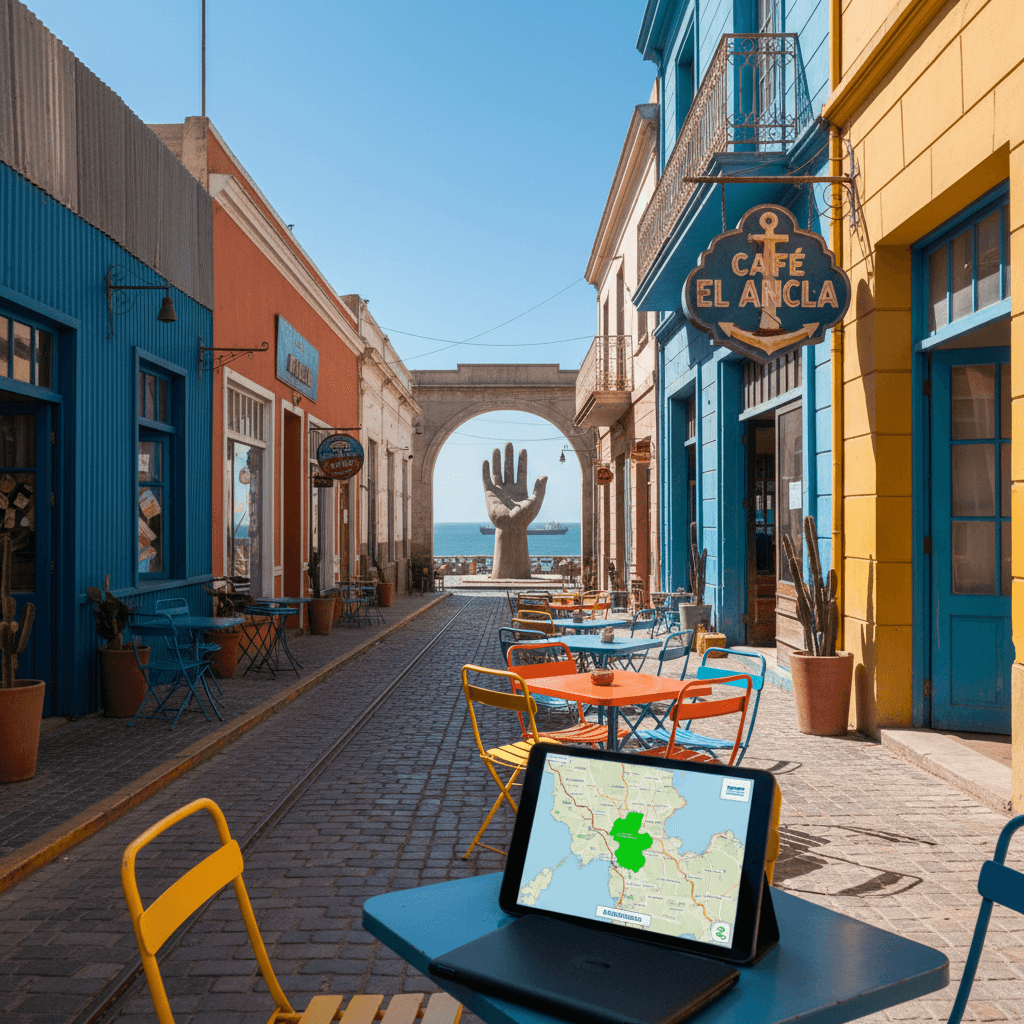
Antofagasta
🇨🇱 Chile
The Coastal Desert Frontier
Antofagasta is a city that thrives on contradictions. Perched between the towering cliffs of the Atacama Desert and the deep blue of the Pacific, it doesn't feel like the polished tourist hubs of the south. It has a rugged, industrial soul fueled by the northern mining boom, yet the daily rhythm is surprisingly laid-back. You'll find a community that prioritizes work-life balance, where the dry desert air meets a refreshing sea breeze.
Most nomads find the city a refreshing alternative to the frantic energy of Santiago. It’s a place for those who want to trade skyscraper views for coastal sunsets and weekend trips into the driest desert on earth. The vibe is decidedly local; you won't find crowds of digital nomads here yet, which makes the connections you do make feel more authentic and less transactional.
Cost of Living Breakdown
Living here is notably more affordable than in North America or Europe, though the mining influence keeps prices slightly higher than in some other Chilean towns. A comfortable monthly budget sits between $1,250 and $1,500 USD.
- Housing: A studio or one-bedroom apartment in the central coastal areas typically runs between $400 and $700 USD.
- Food and Dining: Budget around $5 to $8 for street food like empanadas or a completo. A mid-range dinner for two costs about $25 to $30, while upscale seafood spots on the waterfront can go over $50.
- Connectivity and Workspace: Expect to pay between $150 and $300 for a monthly coworking desk.
- Transport: Local rides are cheap at about $1, while an Uber across town usually costs between $5 and $10.
Where to Plant Your Flag
While the city is sprawling, most expats and remote workers gravitate toward the Central Coastal Zones. These areas offer the best walkability and immediate access to the beaches. You'll pay a bit more in rent here, but the trade-off is being close to the best cafes and the social heart of the city. During the high season from December to February, these spots get lively and a bit crowded with local vacationers.
If you prefer a quieter, more residential atmosphere, the Suburban Edges offer better value for your money. These neighborhoods are safe and very affordable, though you'll rely more on ride-hailing apps like Uber or inDrive to get to the action. Nightlife and coworking options are scarce in these areas, making them better suited for those who prioritize a focused work environment.
The Digital Infrastructure
Reliable internet is the backbone of the Antofagasta experience. Urban speeds are impressive, ranging from 49 to 219 Mbps, which is more than enough for video calls and heavy uploads. For mobile data, locals recommend Entel or Movistar for the best coverage. If you want to skip the store visit, a Holafly eSIM is a popular choice for unlimited data right upon arrival.
The cafe culture is growing, and you'll often see people working from laptops in the central districts. While there aren't many big-name global coworking chains, several local hubs provide professional environments for about $15 daily. Just keep in mind that English proficiency is relatively low, so having Google Translate or DeepL handy is a must for setting up your utilities or navigating lease agreements.
Safety and Wellness
Antofagasta is generally considered safe for daily life, often ranking better than other regional hubs. You should exercise the usual urban caution, especially at night, but most nomads feel comfortable walking in the central zones. For healthcare, the city has several well-equipped hospitals and pharmacies are on almost every corner. In case of an emergency, remember 131 for an ambulance and 133 for the police.
When to Go
The weather is one of the city's biggest draws. It’s a mild desert climate, meaning it almost never rains. The best window to visit is from October to April, when temperatures hover between 19°C and 24°C (66°F to 75°F). The winter months from May to September are cooler and often bring in a thick coastal fog known as camanchaca, which adds a moody, atmospheric layer to the desert landscape.
The Bottom Line
Antofagasta is a breath of fresh air for nomads who find Santiago too frantic or expensive. It sits in a sweet spot where you get the infrastructure of a major mining hub alongside a relaxed Pacific coastline. Most digital nomads find they can live comfortably here on a budget of $1,000 to $1,500 USD per month. This covers a private apartment, eating out a few times a week, and keeping a dedicated desk at a coworking space.
The local currency is the Chilean Peso (CLP), and while card payments are becoming more common in supermarkets and malls, you'll want to keep cash on hand for street food or smaller markets. Expats often use apps like Wise or Revolut to manage transfers, as local bank accounts can be notoriously difficult for short term residents to open.
Monthly Budget Breakdown
- Budget Nomad: Around $1,000 USD. This covers a modest studio, home cooked meals, and public transit.
- Mid Range Comfort: Approximately $1,250 USD. This includes a better location, frequent dining out, and a coworking membership.
- High End Living: $1,500 USD or more. This gets you a modern high rise apartment with ocean views and more frequent weekend trips to the desert.
Housing and Neighborhoods
Rent is your biggest variable. For a central one bedroom apartment, expect to pay between $400 and $700 USD. Most nomads gravitate toward the central coastal zones. These areas are walkable and keep you close to the beaches and the best cafes, though prices do creep up during the high season from December to February.
If you prefer peace and quiet, the suburban edges offer more space for your money, but you'll sacrifice walkability. To find a place, locals recommend browsing Yapo.cl or PortalInmobiliario.cl rather than relying solely on Airbnb, which carries a heavy premium here.
Food and Dining
Eating in Antofagasta is a highlight if you love seafood, though prices are slightly higher than in rural Chile due to the city's desert location. You can grab quick street food for $5 to $8 USD. A decent lunch at a mid range spot usually lands between $10 and $15 USD, while a high end dinner at a beachfront restaurant will start around $25 USD.
When dining out, it is standard practice to tip 10%. Groceries are manageable if you stick to local markets, though imported goods will quickly inflate your grocery bill.
Connectivity and Workspace
Reliable internet is the backbone of the city. Fiber connections in urban apartments typically range from 49 to 219 Mbps. If you need a professional environment, coworking spaces usually cost between $150 and $300 USD per month. While there are not as many "laptop cafes" as you would find in Medellin or Buenos Aires, the local cafe culture is growing and generally welcomes remote workers for a few hours at a time.
For mobile data, travelers recommend picking up a SIM from Entel or Movistar. If you want to skip the store visit, a Holafly eSIM is a popular choice for unlimited data, costing between $12.90 (3 days) and $64.90 (30 days) depending on your stay length.
Transportation
Getting around is relatively cheap. A single ride on public transport is about $1 USD. For late nights or convenience, ride hailing apps like Uber and inDrive are the standard, with most city trips costing between $5 and $10 USD. If you are coming from the airport, a taxi or app ride will take about an hour and cost between $10 and $20 USD.
Health and Safety
Antofagasta is generally considered safe for daily life, especially in the central and coastal districts. It is always smart to stay aware of your surroundings in crowded areas, but nomads often report feeling more secure here than in other regional hubs. Healthcare is professional, with plenty of pharmacies and several hospitals in the city center. For emergencies, you can dial 131 for an ambulance or 133 for the police.
The Coastal Core (Nomads)
If you're coming to Antofagasta to work with a view, you'll want to stick to the central coastal zones. This area is the heartbeat of the city for remote workers because it balances accessibility with that laid back Pacific atmosphere. You can walk to the shore for a sunset break and find the highest concentration of cafes with reliable WiFi. Most nomads find this the best spot to build a routine without needing a car.
- Rent: expect to pay between $400 and $700 for a decent studio or one bedroom apartment.
- Coworking: monthly memberships run about $150 to $300, though many people save cash by hopping between coffee shops.
- Vibe: active, social, and breezy.
The main trade off here is the price and the noise. During the high season from December to February, these streets get crowded with domestic tourists. It's the most expensive part of the city, but the 219 Mbps internet speeds and proximity to the seafood markets make it the logical choice for a short to medium term stay.
The Residential South (Expats)
Expats looking for a long term home often migrate toward the southern districts. This area feels more established and polished than the center. It's where you'll find modern high rise apartments and better infrastructure, though you'll sacrifice a bit of that grit and character found downtown. It's quieter, safer, and feels less like a tourist hub and more like a proper neighborhood.
- Rent: slightly higher than the center, often $600 to $850 for modern units.
- Groceries: easy access to larger supermarkets where a weekly shop for one person costs around $50 to $70.
- Transport: you'll likely want to use Uber or inDrive to get around, as it's less walkable than the coast.
Living here requires a bit more Spanish. While the center has a few English speakers, the southern residential pockets are purely local. Expats recommend using apps like Yapo.cl or PortalInmobiliario.cl to find rentals here, as most of the best spots aren't listed on international platforms.
The Suburban Fringes (Families)
For families, the northern and inland suburban edges offer a much slower pace and more space for your money. These areas are far removed from the nightlife and the beach crowds, providing a secure environment for kids. You'll find larger houses here rather than cramped apartments, which is a huge plus if you're homeschooling or need a dedicated home office.
- Rent: $800 to $1,200 for a multi bedroom house.
- Safety: generally considered the safest zones, though standard urban caution still applies.
- Commute: a taxi or ride share to the city center takes about 20 to 30 minutes and costs roughly $10.
The downside is the isolation. You won't find many nomad meetups or trendy cafes out here. Most families find they need to plan their days around trips into the city for social interaction or specialized healthcare. It's the best choice for tranquility, but you'll need to be comfortable with a more traditional Chilean lifestyle.
Central Urban Pockets (Solo Travelers)
Solo travelers on a tighter budget often gravitate toward the older urban pockets just a few blocks back from the water. These areas are gritty but full of life, offering the best access to cheap street food where a meal costs just $5 to $8. It's easy to meet people in the local bars or at the communal areas of smaller guesthouses.
- Daily Budget: you can get by on about $35 to $45 a day including a hostel bed and local food.
- Connectivity: 4G coverage is excellent, so a Holafly eSIM or a local Entel SIM card is usually enough to stay connected.
- Social: high, with plenty of opportunities to join weekend trips to the Atacama Desert.
While these areas are affordable, they can feel a bit rougher at night. Travelers often say it's best to stick to well lit main streets and avoid carrying expensive gear openly. If you want to be in the thick of the action and don't mind a bit of city noise, this is your zone.
Connectivity in the Coastal Desert
Antofagasta is a pleasant surprise for anyone worried about desert connectivity. While it feels worlds away from the frantic energy of Santiago, the infrastructure here is surprisingly robust thanks to the city's role as a major mining hub. Urban speeds are generally reliable, with fiber connections commonly available in central areas.
Mobile data is equally reliable. Local giants Entel and Movistar provide excellent 4G and 5G coverage throughout the urban core. If you want to skip the hassle of visiting a physical store with your passport, most nomads recommend grabbing a Holafly eSIM before landing. It gives you unlimited data and saves you from hunting for a local SIM card while you're still trying to find your bearings.
Coworking Spaces and Productive Corners
The coworking scene in Antofagasta is smaller than what you'll find in the capital, but it's functional and community focused. You won't find a dozen WeWorks here; instead, you'll find independent hubs where the local startup scene mingles with remote workers. Most spaces charge between $150 and $300 for a monthly hot desk. If you only need a spot for a day or two, expect to pay around $15 to $25 for a drop in pass.
While specific names of spaces can shift, the central coastal zones are your best bet for finding a desk. These areas cater to the professional crowd and usually offer the most stable backup power and high speed routers. Most nomads find that these spaces are the easiest way to meet people, especially since English isn't widely spoken on the streets. It's in these offices where you'll find the bilingual locals and fellow travelers.
The Cafe Office Culture
If you prefer a more casual "laptop and latte" setup, Antofagasta has a growing cafe culture that's friendly to remote workers. The best spots are located along the waterfront or near the central plazas. While the vibe is relaxed, it's always polite to check the WiFi strength before ordering your first round and to move on after a couple of hours if the place gets crowded.
- Reliability: WiFi is generally stable in mid range and upscale cafes, but it's always smart to have your phone hotspot ready as a backup.
- Etiquette: Look for places with "WiFi" stickers on the window. In the smaller, more traditional spots, people might stay for hours chatting, so a laptop isn't always out of place.
- Peak Times: Avoid working from cafes during the lunch rush between 1:00 PM and 3:00 PM when tables are in high demand for diners.
Practical Tech Tips for the North
Living in a desert city means you need to be mindful of your gear. Dust can be an issue if you're working near the windows or outside, so keep your ports covered. Also, while the city is generally safe, keep an eye on your tech in public places. Most expats recommend sticking to the more populated central zones when working from a cafe.
For payments and logistics, download the Uber or inDrive apps. They are the most reliable ways to get around without having to negotiate fares in Spanish. For banking, many nomads use Wise or Revolut to manage their funds, though you should always carry some local pesos for smaller shops and street food vendors who might not have card readers.
- Standard Speeds: Urban speeds are generally reliable, with fiber connections commonly available in central areas.
- Monthly Coworking Cost: $150 to $300.
- Top Carriers: Entel, Movistar, and Holafly for eSIMs.
- Best Apps: Google Translate and DeepL are your best friends here to bridge the language gap.
Antofagasta is generally considered a safe harbor for remote workers in northern Chile, especially when compared to other major South American mining hubs. The city has a moderate safety profile that favors the prepared traveler. Most nomads feel comfortable walking the central coastal areas during the day, where the atmosphere is active and public. However, like any urban center, you should keep your wits about you after dark and stick to well lit, populated streets.
Staying Secure
Street crime in "La Perla del Norte" is mostly opportunistic. Pickpocketing can happen in crowded markets or on public buses, so keep your phone and wallet tucked away. Expats recommend staying in the central coastal zones or the more affluent southern neighborhoods to minimize risks. If you are heading out for a late dinner or drinks, using ride hailing apps like Uber or inDrive is much smarter than wandering through unfamiliar side streets. It usually costs between $5 and $10 for a cross-town trip, which is a small price for peace of mind.
- Emergency Police: Dial 133 (Carabineros)
- Emergency Ambulance: Dial 131 (SAMU)
- Valuables: Leave expensive jewelry at home and avoid flashing high end laptops in open air cafes that aren't specifically designated coworking spots.
Healthcare Access
The healthcare system in Antofagasta is dual layered, consisting of public (Fonasa) and private (Isapre) providers. As a digital nomad, you will almost certainly want to use private clinics. These facilities offer significantly shorter wait times and modern equipment that rivals what you would find in North America or Europe. While many doctors in the private sector have a high level of training, English proficiency remains low to moderate. Having a translation app like DeepL or Google Translate ready on your phone is a lifesaver during a consultation.
Pharmacies are everywhere in the city center, often staying open late. You can find most over the counter basics easily, but bring a copy of your prescriptions for anything specific. For major medical issues, local expats often suggest seeking care in Santiago if the situation allows, as the capital has the most specialized facilities in the country.
Environmental Health
The air quality in Antofagasta is generally good, thanks to the coastal breezes that sweep through the desert landscape. However, the sun in the Atacama region is incredibly intense. The UV index frequently hits extreme levels, so high SPF sunscreen and hydration are mandatory, not optional. The tap water is technically drinkable, but it has a high mineral content that can be tough on your stomach if you aren't used to it. Most nomads stick to filtered or bottled water for daily consumption.
Quick Reference for Emergencies
- Private Clinics: Look for "Clínica" in your maps app rather than "Hospital" for faster, private service.
- Pharmacy chains: Cruz Verde, Ahumada, and Salcobrand are the most reliable spots for meds.
- Fire Department: Dial 132 (Bomberos).
Overall, the city provides a stable environment for those who practice basic urban common sense. Its reputation for safety is better than regional averages, making it a solid choice for solo travelers and digital nomads who want to explore the northern coast without the constant stress found in larger metropolitan areas.
Navigating the Pearl of the North
Antofagasta is a long, narrow city squeezed between the Pacific Ocean and the steep mountains of the Cordillera de la Costa. Because of this unique geography, getting around is fairly straightforward; you're usually moving either north or south along the coast. While it isn't the most walkable city in Chile due to its sheer length, the central coastal zones are easy enough to manage on foot if you've secured a spot near the water.
Public Transit and Micros
The backbone of local transport is the "micro," the colorful public buses that crisscross the city. They are remarkably affordable, usually costing around $1 per ride. You'll find they run frequently during daylight hours, though they can get crowded during the morning and afternoon rush when mining industry commuters are on the move.
- Cost: Approximately CLP 800 ($1 USD) per trip.
- Payment: Usually cash based, so keep small coins or bills handy.
- Reliability: High in urban areas, though routes can be confusing for newcomers. Most nomads use apps like Moovit to figure out which line to hop on.
Ride-Hailing and Taxis
For late night trips or when you're carrying groceries, ride-hailing is the go-to for most expats and nomads. Uber is widely available and generally considered the safest and most transparent option for foreigners. Another popular local choice is inDrive, which allows you to negotiate the fare before the driver arrives.
Standard taxis and "colectivos" (shared taxis that follow fixed routes) are also everywhere. Colectivos look like regular sedans but have signs on the roof indicating their destination. They're a bit faster than the bus and only slightly more expensive, making them a favorite for locals who want to avoid the micro crowds.
- Uber/inDrive: Expect to pay $5 to $10 for most trips within the city.
- Colectivos: These usually cost between $1.50 and $2.50 depending on the distance.
Cycling and Walking
If you stay in the central districts or near the southern beaches, you'll find the walkability much better than in the industrial north. There is a scenic promenade along the coast that is perfect for walking or jogging, but moving inland often means dealing with steep hills. Bikeability is moderate; there are some dedicated paths along the shoreline, and you can occasionally find rentals through local apps or small shops near the waterfront.
Getting to and from the Airport
Andrés Sabella Gálvez International Airport (ANF) sits about 10 kilometers north of the city center. It's a short trek, usually taking 20-30 minutes depending on traffic. You have a few options for the transit:
- Transfer Vans: Companies like Transvip offer shared or private shuttles. A shared seat is often the most economical way to reach your accommodation.
- Ride-hailing: Uber works for airport pickups, typically costing between $15 and $25.
- Official Taxis: Available at the arrivals hall, though they usually charge a premium compared to apps. Expect to pay around $20 to $30.
Practical Transit Tips
Most nomads find that they don't need a car if they stay central, but if you plan on exploring the nearby Atacama Desert or remote beaches like Juan López, a rental is your best bet. Traffic in the city can be surprisingly heavy during shift changes for the mines, so try to avoid cross-city travel between 7:00 AM and 9:00 AM or 6:00 PM and 8:00 PM. Finally, keep your phone tucked away while using public transport; while generally safe, opportunistic pickpocketing can happen in crowded spaces.
The Local Linguistic Landscape
In Antofagasta, Spanish isn't just the official language; it’s the primary rhythm of daily life. Unlike the more international hubs of Santiago or Valparaiso, English proficiency here remains low to moderate. You'll find that while younger professionals or staff at high end hotels might speak some English, the local shopkeepers, bus drivers, and market vendors almost certainly won't.
The Chilean dialect is famous throughout Latin America for its speed and unique slang, often called "Chilenismos." Locals tend to drop the "s" at the end of words and speak with a melodic, rapid fire cadence. Don't be surprised if your classroom Spanish feels a bit shaky at first. Most nomads find that a few weeks of immersion in the city's cafes and markets helps them tune their ears to the local frequency.
Digital Tools for Seamless Living
Since you can't rely on English for most transactions, having a solid tech stack on your phone is a requirement. Travelers recommend downloading Google Translate or DeepL for real time conversations. The camera feature on Google Translate is particularly helpful for reading menus at seafood spots along the coast or deciphering signs at the bus terminal.
For data, expats often suggest grabbing a local SIM from Entel or Movistar to ensure you have a connection for translation apps while on the move. If you prefer to hit the ground running, an eSIM from Holafly is a popular choice, providing unlimited data so you're never stuck without a way to communicate.
Essential Phrases to Know
Even a little effort goes a long way with the locals. Starting a conversation with "Hola" (hello) and ending with a sincere "Gracias" (thank you) sets a respectful tone. If you're looking for a specific spot, use "¿Dónde está...?" (where is...?).
- "¿Cachai?": You'll hear this constantly. It means "Do you understand?" or "You know?" it's the ultimate Chilean filler word.
- "Bacán": This is the local way to say "cool" or "awesome."
- "¿A cuánto está?": Use this at the street markets to ask for the price.
- "La cuenta, por favor": Essential for when you're finished with your ceviche and ready to head back to work.
Social Integration and Networking
The expat and nomad community in Antofagasta is growing but still relatively small. This means social circles are tight knit and welcoming. Most nomads connect through Facebook groups or Meetup, though these groups often operate in a mix of Spanish and English. If you're looking to meet people, the coastal beaches and central cafes are the natural social hubs.
While the language barrier can be a hurdle, it’s also an opportunity. Many travelers say that because the city isn't overrun with tourists, the locals are often genuinely curious and patient with those trying to learn the language. Engaging in the local "siesta" pace of life and showing an interest in the northern mining culture will win you points and likely lead to a few "bacán" friendships.
Practical Communication Tips
When it comes to formal settings or business, a handshake is the standard greeting. In more casual social circles, a single kiss on the right cheek is common between women or between men and women. In restaurants, remember that a 10% tip is the standard expectation, and you'll often be asked "propina?" when the bill comes. Having a Wise or Revolut card can help with payments, but keep some cash on hand for smaller spots where language and tech might both be limited.
The Desert Meets the Sea
Antofagasta is a bit of a weather anomaly. Sitting right on the edge of the Atacama Desert, you might expect scorching heat, but the Pacific Ocean keeps things remarkably steady. Most nomads find the climate here to be one of the city's biggest draws. It’s a dry, coastal environment where the sun shines almost every day, but the sea breeze prevents the temperatures from ever feeling oppressive.
Average daily highs usually hover between 19°C and 24°C (66°F to 75°F). You won't have to deal with much rain at all; in fact, it's one of the driest places on earth (the driest non-polar desert). Instead of storms, you'll occasionally see the camanchaca, a thick coastal fog that rolls in from the ocean during the cooler months, giving the shoreline a moody, atmospheric look before the sun burns it off by midday.
When to Touch Down
If you're looking for the absolute best conditions to balance deep work with outdoor adventure, aim for the window between October and April. This is the prime season when the days are long, the sky is a crisp blue, and the air is warm enough for afternoon sessions at the beach. Expats recommend this period because the city feels most alive, and the water temperatures are at their most tolerable for a quick dip.
The peak of summer hits from December to February. This is when the high season officially kicks off. You’ll notice more crowds around the central coastal zones and the Balneario Municipal, as locals and domestic tourists flock to the water. While it’s the most social time to be in town, keep in mind that short term rental prices might tick up slightly during these months.
The "winter" months from May to September are far from harsh. It gets a bit cooler and the fog becomes more frequent, but you’ll rarely need more than a light jacket. It’s a great time for nomads who prefer a quieter vibe and want to avoid the summer humidity, though the lack of central heating in many older apartments can make the nights feel a bit crisp.
Seasonal Breakdown
- Spring (September to November): A favorite for many. The weather is warming up, the crowds haven't arrived yet, and the air is incredibly clear. It’s the best time for day trips into the desert.
- Summer (December to February): The social peak. Expect temperatures around 24°C (75°F), plenty of beach volleyball, and lively outdoor dining. Great for networking but busier than usual.
- Autumn (March to May): The heat fades into a very comfortable mildness. This is a solid shoulder season where you can often find better deals on monthly rentals.
- Winter (June to August): The quietest time. Highs stay around 17°C to 19°C (63°F to 66°F). It’s perfect for those who want to focus on a big project without the distraction of beach weather, though the coastal fog is most persistent now.
What to Pack
Because of the desert climate, temperatures can drop quickly once the sun goes down, even in the summer. Travelers often suggest the "onion method" of dressing. Bring light, breathable fabrics for the daytime sun, but always have a reliable sweater or a windbreaker ready for the evening. Since the sun is intense here, high SPF sunscreen and good sunglasses aren't optional; they're daily requirements for anyone planning to work from a terrace or walk the coastal paths.
Getting Settled and Staying Connected
Antofagasta is a surprisingly affordable alternative to Santiago, with most nomads spending between $1,000 and $1,500 USD per month. To hit the ground running, download Uber or inDrive for reliable transport, though the central areas are walkable if you stay near the coast. Public buses cost about $1 per ride and are great for short hops along the shoreline.
For your phone, local providers like Entel and Movistar offer the best coverage in the north. If you want to avoid the hassle of visiting a physical store, many travelers recommend a Holafly eSIM for unlimited data (starting at $12.90 for 3 days). Internet speeds in the city are impressive, often ranging from 49 to 219 Mbps, making it a reliable spot for video calls and heavy uploads.
- Coworking: Expect to pay between $150 and $300 per month for a dedicated desk. While specific brand names change, the central business district near the coast has the highest concentration of workspaces.
- Cafes: The local cafe culture is growing. Look for spots along the Avenida Costanera where you can snag a table with a view of the Pacific.
- Banking: Use Wise or Revolut for better exchange rates. While cards are common in malls, keep some Chilean Pesos (CLP) for street food and smaller shops.
Where to Live
Since the city is tucked between the mountains and the sea, the layout is long and narrow. Most nomads stick to the central coastal zones to stay close to the action and the beaches. If you are looking for long term rentals, check Yapo.cl or PortalInmobiliario.cl, but be ready to use your Spanish skills as English proficiency is generally low here.
Central Coastal District
- Rent: $400 to $700 USD for a studio or one bedroom apartment.
- Vibe: High energy, walkable access to seafood restaurants, and close to the main community hubs.
- Drawbacks: Can get crowded during the peak summer months of December through February.
Suburban Edges
- Rent: $350 to $550 USD for larger spaces.
- Vibe: Quiet, family oriented, and very safe.
- Drawbacks: You will likely need to rely on ride hailing apps to get to coworking spaces or nightlife.
Health and Safety
The city is generally safe for daily life, but it pays to stay aware in the downtown core after dark. For any emergencies, dial 133 for the police or 131 for an ambulance. Healthcare in the city is decent, though for specialized treatments, many expats still head to Santiago. Pharmacies are everywhere and easy to find on almost every major corner.
Language and Local Customs
Spanish is the heartbeat of Antofagasta. While you can get by with Google Translate or DeepL, learning basic phrases like "¿Dónde está?" will go a long way. Locals are friendly but keep a relaxed, desert pace. When dining out, it is standard practice to leave a 10% tip. Don't be surprised if shops close up for a few hours in the afternoon; it is just part of the local rhythm.
Weather and Timing
The best time to visit is from October to April when the weather is warm and dry, averaging 19 to 24°C (66 to 75°F). The winter months from May to September are cooler and often bring a thick coastal fog known as camanchaca. Because it is a desert climate, it almost never rains, so you can leave your umbrella at home.
Eating and Socializing
Seafood is the star here. You can grab a quick meal from a street vendor for $5 to $8, while a nice dinner at a mid range restaurant will run you about $10 to $15. For a splurge, beachfront dining usually starts around $25. To meet people, head to the beaches or join local expat groups on Facebook, though be prepared to practice your Spanish as the nomad community is still growing compared to the bigger hubs down south.
Need visa and immigration info for Chile?
🇨🇱 View Chile Country GuideHidden Gem
Worth the effort