Antalya
🇹🇷 Turkey
The Coastal Balance
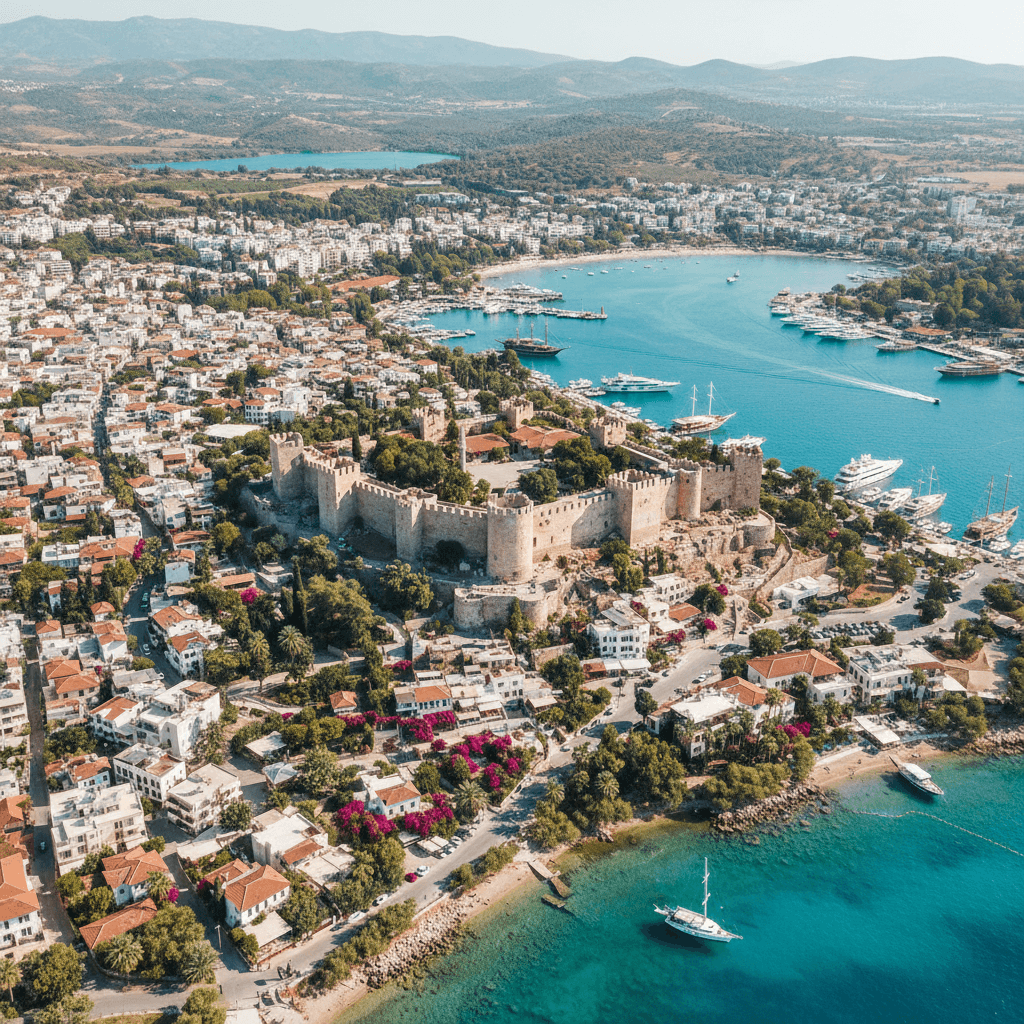
Antalya hits a sweet spot that few Mediterranean hubs manage to nail. It is a place where you can spend your morning answering emails from a cliffside cafe in the old town and your afternoon swimming in the turquoise waters of the Konyaaltı coast. While Istanbul is all about the frantic energy of a megacity, Antalya moves at a pace that actually lets you breathe. Most nomads find the city offers a high quality of life for a fraction of the cost of Western Europe; it is roughly 30 to 40 percent cheaper than Istanbul.
The city is defined by its dramatic geography. You have the Taurus Mountains as a backdrop and the Mediterranean at your feet. It is not just a summer destination, either. With winter temperatures averaging a mild 15°C (59°F), it has become a year-round sanctuary for remote workers from Russia, Germany, and Eastern Europe looking to escape the northern cold. The emotional experience here is one of relief. There is less hustle, more sunlight, and a genuine sense of community that centers around the shared love of the outdoors.
What to Expect on the Ground
Life here is easy, but it has its quirks. You will love the affordable beach access and the fact that you can get an AntRay tram from the airport to the city center for about 20 TL (€0.60-0.70). However, peak summer in July and August is intense. The heat can hit 35°C (95°F) and the crowds in the historic center become thick. Many long-termers head for the mountains or stay indoors during these months.
- The Connectivity: Fiber internet is standard in modern apartments, with speeds typically ranging from 49 to 70 Mbps. If you need a rock-solid backup, Turkcell or Vodafone 4G/LTE is reliable, with tourist packages costing around €40-56 per month.
- The Beach Scene: Konyaaltı is a massive pebble beach with a free public area and modern promenades. East of the center, Lara offers sandy shores but many are "deck" beaches where you might pay a 30 to 40 Lira entry fee for a sunbed and service.
- The Social Pulse: Coworking Antalya in the old town is the heartbeat of the nomad scene. It is more than a desk; they host yoga, game nights, and group hikes to the Phaselis ruins.
The Neighborhood Breakdown
Choosing where to plant your flag depends on whether you want historic charm or modern convenience. Most nomads gravitate toward these three zones:
Kaleiçi (Old Town)
- Best For: Solo travelers and history buffs who want everything walkable.
- Rent: Expect to pay €600 to €830 for a 1BR with character.
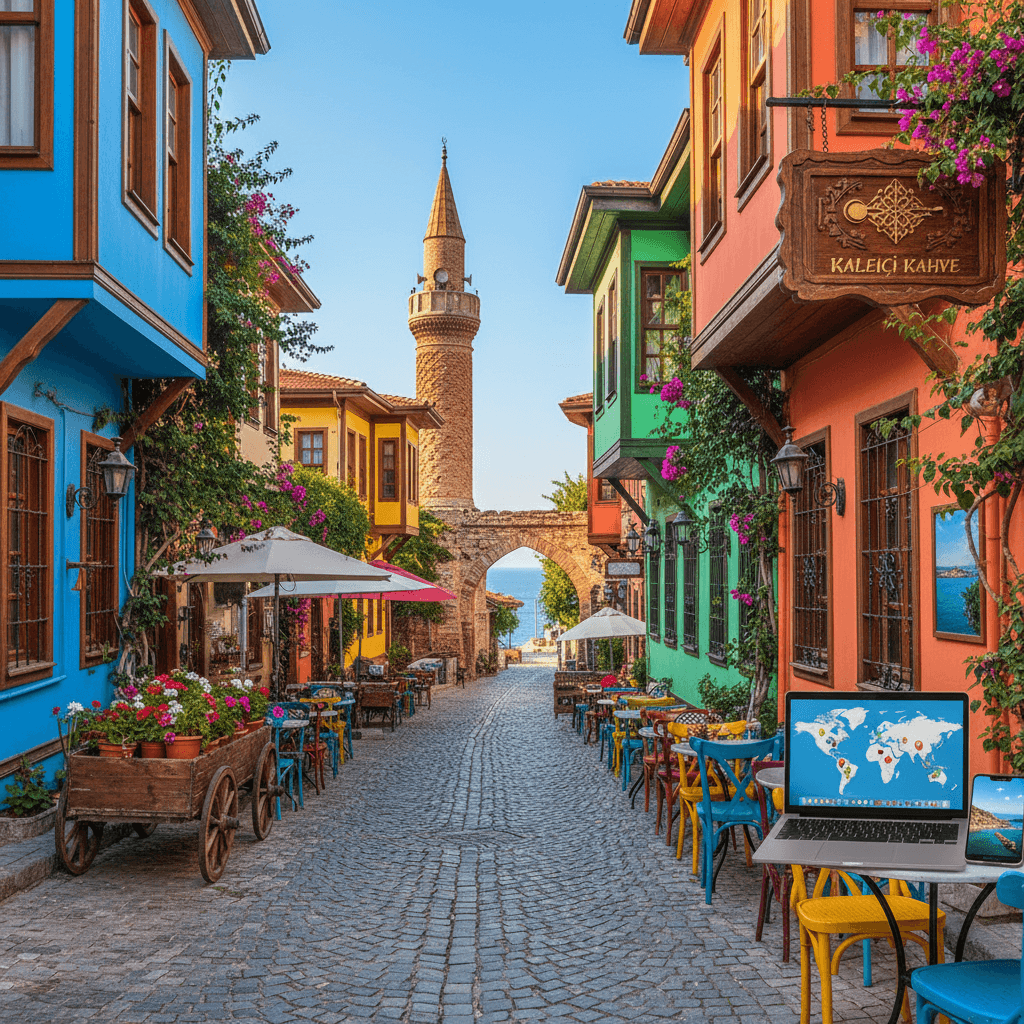
- Vibe: Cobblestone streets, Ottoman era architecture, and stunning sea views. It is the most touristy area, but it is also where the best cafes and the main coworking hub are located.
Konyaaltı
- Best For: Long-term expats and families who want the beach at their doorstep.
- Rent: Modern apartments range from €600 to €800.
- Vibe: This is a newer part of town with wide sidewalks, great gyms near the Migros shopping center, and a massive beach promenade. It feels more like a residential resort than an ancient city.
City Center
- Best For: Budget-conscious nomads and those who want local authenticity.
- Rent: Inland districts are significantly cheaper, often €370 to €550.
- Vibe: It is busy and lacks the "vacation" feel of the coast, but you are close to the tram, local markets, and the cheapest grocery stores.
The Cost of Staying
Your monthly burn rate in Antalya is highly flexible. A single nomad can live quite well on €1,100 to €1,500, covering a nice apartment, coworking fees, and plenty of meals out. If you are on a tight budget, €750 is doable if you stay inland and stick to street food like €2 to €4 kebabs. For those wanting a comfortable, "no-sacrifices" lifestyle with upscale dinners and frequent weekend trips, budget €1,500 or more. Local transport is a bargain; most ride-hailing trips via BiTaksi or Uber within the city will only set you back €3 to €5.
The city is generally very safe, though it is smart to avoid isolated beach areas late at night. For healthcare, the Antalya Training and Research Hospital provides high-quality care, and pharmacies are everywhere. If you need a late-night prescription, look for the "nöbetçi" sign on pharmacy windows, which indicates they are the designated 24/7 shop for that night.
The Bottom Line
Antalya is a breath of fresh air for your bank account, especially compared to the skyrocketing prices in Istanbul or Western Europe. Most digital nomads find they can live a high quality life here for 30% to 40% less than in Turkey's largest city. You're looking at a monthly spend of €750 to €1,100 if you're on a budget, while €1,500 or more gets you a premium lifestyle with a modern apartment and daily meals out.
The city operates on a tiered pricing system. You'll pay a premium for the historic charm of Kaleiçi or the beach proximity of Konyaaltı, but moving just a few tram stops inland can slash your rent by nearly half. Keep in mind that while the cost of living is low, summer brings crowds and slightly higher "tourist prices" at the beach clubs, where entry to the rocky deck beaches usually costs around 30 to 40 Lira.
Monthly Budget Estimates
- Budget Nomad: €750 to €1,100 (Inland apartment, local markets, public transport)
- Mid-Range: €1,100 to €1,500 (Konyaaltı flat, frequent dining, coworking membership)
- Comfortable/Luxury: €1,500+ (Kaleiçi villa or sea-view penthouse, private transport, upscale dining)
Housing Costs by Neighborhood
Rent is your biggest variable. Most expats recommend looking for long term stays on platforms like Sahibinden, though Airbnb remains the easiest route for shorter stints. Expect to pay more for any place with reliable fiber internet and air conditioning, which is a non-negotiable for the July and August heat.
Kaleiçi (Old Town)
- Best For: History buffs and solo nomads who want to be in the heart of the action.
- Monthly Rent: €600 to €830 for a 1BR or studio.
- Lifestyle: You're steps away from Coworking Antalya and the best cafes, but it gets loud and crowded during peak season.
Konyaaltı
- Best For: Beach lovers and those who want a modern, residential feel.
- Monthly Rent: €600 to €800 for a modern apartment.
- Lifestyle: Wide promenades, waterfront cafes, and a more relaxed expat community. It's quieter than the center but farther from the historic hub.
City Center (Near Tram Line)
- Best For: Budget-conscious travelers and short stays.
- Monthly Rent: €370 to €550 for a standard flat.
- Lifestyle: You'll have easy access to Migros supermarkets and the AntRay tram, which gets you to the airport in 35-40 minutes for only 20 TL (€0.60-0.70). It's less scenic but very practical.
Eating, Drinking, and Moving Around
Food is where Antalya shines. You can grab street food like a hearty tantuni or pide for €2 to €4. A mid-range sit-down dinner with mezes and a main course typically runs €6 to €10. If you're feeling fancy, upscale restaurants in the Old Town cliffs will cost €20 or more.
Getting around is remarkably cheap. The tram is the local favorite for its efficiency and low price tag. For late nights or grocery runs, ride-hailing apps like BiTaksi or Uber are reliable, with most cross-town trips costing between €3 and €5. If you're heading to the airport, a taxi will set you back about €15 to €20, though the tram is the smarter play for solo travelers.
Work and Connectivity
Budgeting for work is straightforward. A dedicated desk at Coworking Antalya costs between €100 and €200 per month, which includes 24/7 access and community events like yoga or game nights. For your phone, a Turkcell or Vodafone SIM with a healthy data pack runs about €10 to €20. Many nomads also use ZetSIM for eSIM flexibility if they're hopping between cities.
Kaleiçi: The Heart of the Nomad Action
If you want to be where the community is, Kaleiçi is your home base. This is Antalya's historic old town, a labyrinth of Ottoman-era houses and Roman ruins perched right above the marina. It's the most walkable part of the city, which is a major win if you don't want to deal with traffic or buses every day.
Most nomads gravitate here because it houses Coworking Antalya. This spot is the undisputed social hub of the city, offering 24/7 access and a reliable fiber connection that hits between 49 and 70 Mbps. Beyond the desks, they organize the kind of events that make a city feel like home, from yoga sessions to Friday evening drinks and group hikes to the Phaselis ruins.
- Best For: Digital nomads, solo travelers, and history buffs.
- Rent: Expect to pay a premium for the charm, usually €600 to €830 for a 1BR.
- The Vibe: High energy and scenic, though it gets crowded with tourists during the July and August peak.
- Insider Tip: Work from the cliffside "deck" cafes for incredible sea views, but keep 30 to 40 Lira handy for the entry fee.
Konyaaltı: Coastal Living for Expats
For those planning a longer stay or moving with a partner, Konyaaltı offers a more polished, modern lifestyle. It's famous for its long, pebbly beach and a massive waterfront promenade that's perfect for morning runs or sunset bike rides via the Martı scooter app. The area feels more like a residential neighborhood and less like a tourist trap.
Expats often choose this district because the apartments are newer and the streets are wider. You'll find plenty of high-end gyms and modern cafes with reliable Wi-Fi where you can comfortably park your laptop for a few hours. It’s quieter than the old town, but you’re still only a short €3 to €5 ride-hail away from the center.
- Best For: Long-term expats and remote workers who prioritize fitness and beach access.
- Rent: Prices are similar to the old town, ranging from €600 to €800 for modern units.
- The Vibe: Relaxed, Mediterranean, and clean.
- Pro Tip: Head to the Migros area for the best grocery shopping and well-equipped gyms.
City Center: The Budget-Friendly Hub
If your priority is keeping costs low while staying connected, the central districts near the AntRay tram line are the smart play. You'll sacrifice the sea views, but you'll gain proximity to the best transport links and local prices. This area is the most "Turkish" part of the city, filled with authentic lokantas where a solid meal costs just €6 to €10.
Living here makes logistics a breeze. You're 30 minutes from the airport by tram for only €1, and you can reach the beach just as easily. It's a pragmatic choice for nomads who prefer to spend their money on weekend trips rather than high rent.
- Best For: Budget-conscious nomads and short-term visitors.
- Rent: Significantly cheaper than the coast, often between €370 and €550.
- The Vibe: Busy, authentic, and functional.
- Practicality: You're surrounded by 24/7 pharmacies and the main hospitals, which is great for peace of mind.
Lara: Sophisticated Family Living
Lara is the upscale alternative to Konyaaltı, located on the eastern side of the city. It’s known for its dramatic cliffs and sandy beaches further down the coast. Families tend to prefer this area because of the high concentration of private schools, parks, and large shopping malls. It’s a bit more spread out, so you might find yourself using BiTaksi more often here than in other neighborhoods.
The dining scene in Lara is excellent, featuring everything from quick €3 street food kebabs to high-end seafood restaurants where dinner might run €20 or more. It’s a comfortable, safe environment with a well-established international community.
- Best For: Families and nomads who want a "big city" feel with beach proximity.
- Rent: Varies widely, but expect comfortable 2BR apartments to start around €800.
- The Vibe: Affluent, suburban, and safe.
- Social Scene: Great for meeting other international families at the local parks or beach volleyball courts.
Connectivity Overview
Antalya has evolved into a reliable hub for remote work, moving past its reputation as just a summer resort. You can expect fiber optic speeds averaging between 49 and 70 Mbps in most modern apartments and cafes, with some high end spots hitting the 100 Mbps mark. While the infrastructure is solid, it is always smart to have a backup plan for those rare moments when a local router decides to take a siesta.
For your primary data, Turkcell and Vodafone are the local heavyweights. Most nomads pick up a prepaid SIM for around €10 to €20 per month, which usually covers more data than you will actually need. If you prefer to hit the ground running, consider purchasing an eSIM before arrival or visiting a local operator's kiosk at the airport to ensure immediate connectivity. Check the signal strength if you are staying deep in the stone buildings of Kaleiçi, as those ancient walls can occasionally block 4G signals.
Coworking Spaces
The nomad scene here revolves around Coworking Antalya. Located in the heart of the Old Town (Kaleiçi), it is more than just a place to plug in; it serves as the community headquarters. It is one of the few spots offering 24/7 access, which is vital if you are syncing with North American time zones. The space features ergonomic chairs, free flowing coffee, and a terrace with actual sea views.
- Monthly Membership: Expect to pay between €100 and €200 depending on your desk requirements.
- Community Events: They host regular yoga sessions, game nights, and organized hikes to places like Phaselis or Paradise Bay.
- Atmosphere: It is professional but social, attracting a mix of Russian, German, and Eastern European remote workers.
Laptop-Friendly Cafes
If you prefer the background hum of a coffee shop, Antalya has a deep cafe culture. In the Konyaaltı district, modern coastal cafes line the waterfront, offering stable Wi-Fi and plenty of power outlets. Many nomads spend their mornings working from these decks before heading to the beach in the afternoon.
In the Old Town, you will find smaller, character filled spots tucked away in narrow alleys. While these are great for creative tasks, they can get loud during the peak tourist season in July and August. If you need to take a sensitive client call, stick to the dedicated coworking spaces or the quieter libraries in the city center.
Practical Tech Tips
Power outages are rare but can happen during heavy winter storms in January or February. A decent power bank and a local data plan are usually enough to keep you online. Most cafes expect you to order something every few hours if you are camping out with a laptop, but they are generally very accommodating to the "work from anywhere" crowd.
- BiTaksi and Uber: Use these apps for reliable transport between your accommodation and work spots; a typical cross town trip costs about €3 to €5.
- Martı: Download this app for electric scooter rentals, which are perfect for ziping along the Konyaaltı beach promenade between meetings.
- Wise and Revolut: These are widely used for managing Lira and Euro balances without getting hit by massive bank fees at local ATMs.
The balance of cost and quality here is hard to beat. With monthly living expenses for a single nomad often totaling around $1,241 USD, you can afford a high end workspace and a comfortable lifestyle without the price tag of Istanbul or coastal Europe.
Staying Safe in the Sun and Sea
Antalya is widely considered one of the safest hubs for remote workers in the Mediterranean. Most nomads feel perfectly comfortable walking through Kaleiçi or along the Konyaaltı promenade well after sunset. Violent crime is rare, and the local community is generally welcoming and protective of the expat population. That said, petty theft can happen in crowded tourist markets, so keep an eye on your bag when you are browsing for spices or textiles.
The primary safety advice from long term residents is simple: use common sense at night. While the main beaches are safe, avoid isolated, unlit stretches of the coast after dark. If you are heading home late from a bar in the Old Town, stick to well traveled paths or use BiTaksi or Uber for a ride that usually costs between €3 and €5. It is a small price to pay for peace of mind when you are carrying an expensive laptop.
Healthcare and Medical Services
The quality of healthcare in Antalya is a major draw for the nomad community. Turkey has invested heavily in medical tourism, and as a result, the private hospitals in the city center are modern, efficient, and often staffed by English speaking doctors. If you need urgent care, the Antalya Training and Research Hospital is a reliable public option, though most nomads prefer private facilities for faster service and more English support.
- Emergency Number: Dial 112 for all emergency services, including ambulance, police, and fire.
- Pharmacies (Eczane): Standard hours are usually 09:00 to 19:00, but the city operates a nöbetçi (on call) system. Every neighborhood has at least one pharmacy open 24/7 on a rotating schedule. You can find the daily list posted in any pharmacy window or via local tracking apps.
- Costs: Out of pocket costs for basic consultations are significantly lower than in the US or Northern Europe. A typical visit to a private GP might run you €40 to €70 without insurance.
Insurance and Resident Requirements
If you are applying for the Turkish digital nomad visa or a residence permit, you will need valid health insurance. Most nomads opt for a local policy or a specialized nomad provider like SafetyWing or World Nomads. Local insurance is often cheaper and specifically tailored to meet the government requirements for residency, but it may have more limited coverage for international travel compared to global nomad plans.
For minor ailments, don't underestimate the local pharmacists. In Turkey, pharmacists have a high level of training and can often recommend effective over the counter treatments for common issues like "Antalya tummy" or heat exhaustion, saving you a trip to the clinic. Always keep a digital copy of your blood type and any allergy information on your phone, as this is standard practice for expats living in the region.
Water and Environmental Health
While the tap water in Antalya is technically treated and safe for brushing your teeth or cooking, most locals and expats don't drink it because of the high mineral content and taste. You will likely want to stick to bottled water or invest in a high quality filter for your apartment. Large 19 liter water jugs are cheap and can be delivered to your door via apps like Getir for just a few Euros.
The most common health "hazard" for newcomers is the intense summer heat. During July and August, temperatures frequently hit 35°C (95°F) with high humidity. Dehydration and heatstroke are real risks if you are working from a beach cafe without shade. Nomads recommend shifting your outdoor activities to the early morning or after 19:00 during the peak of summer to stay comfortable.
Public Transit and the AntRay
Antalya is surprisingly easy to navigate without a car, thanks largely to the sleek AntRay tram system. It's the gold standard for getting from the airport to the city center or the beach. The AntRay tram from the airport to the city center takes about 35-40 minutes and costs around 20 TL (approximately €0.60-0.70) for a single ticket, making it one of the most affordable airport transfers in the Mediterranean. Most nomads find that if they live near a tram stop in the City Center or Kaleiçi, they rarely need to deal with the chaos of local traffic.
The tram lines are clean, air conditioned, and frequent. While the network doesn't cover every single corner of the sprawling suburbs, it hits the high notes for remote workers. You can hop on in the historic Old Town and be near the modern shopping malls or the terminal in no time. For areas the tram doesn't reach, the local bus network fills the gaps, though it can be a bit more confusing for newcomers to navigate during rush hour.
Ride-Hailing and Taxis
When you're heading home after a late night in Kaleiçi or carrying groceries back to your apartment in Konyaaltı, taxis are the way to go. You won't find a massive fleet of independent Ubers here; instead, use the BiTaksi app or the Uber app to hail yellow cabs. This ensures you get a tracked ride and a fair price.
- Short city trips: Usually cost between €3 and €5.
- Airport via Taxi: Expect to pay between €15 and €20 if you opt for a private car over the tram.
- Payment: Most drivers prefer cash (Lira), though some app-based bookings allow card payments. Always check if the meter is running before the car pulls away.
Micromobility and Walking
Antalya is a city built for the outdoors. If you're staying in Kaleiçi, your own two feet are your best asset. The narrow, winding stone streets of the Old Town are almost entirely pedestrian friendly and far too tight for cars anyway. It's a walkable paradise where your commute to Coworking Antalya or a seaside cafe is rarely more than ten minutes.
For those based in Konyaaltı, the vibe is all about the promenade. The long stretch of beach is lined with wide, flat paths perfect for cycling or scooting. Expats frequently use apps like Martı or Spin to grab electric scooters for quick trips along the waterfront. It's a scenic way to get to a morning meeting while catching the sea breeze.
Driving and Day Trips
You don't need a car for daily life, but you'll want one for weekend escapes. Public transport to ruins like Phaselis or the secluded Paradise Bay can be slow and involves multiple transfers. Renting a car for a day is straightforward, and nomads often group up at coworking events to split the cost of a rental for Sunday hikes.
Just be aware that driving in the city center can be frantic. Turkish drivers are assertive, and parking near the Old Town is a notorious headache. If you do rent, stick to the coastal highways where the roads are wide and the views of the Taurus Mountains are spectacular. For everything else, stick to the tram and your favorite walking shoes.
The Linguistic Landscape
In Antalya, the language barrier depends entirely on your choice of neighborhood. Within the ancient stone walls of Kaleiçi or the waterfront cafes of Konyaaltı, you will find that English is widely spoken. Most nomads and expats find they can navigate daily life, order meals, and handle coworking logistics without knowing more than a few words of Turkish. The local hospitality industry is highly seasoned, so staff at most cafes and boutique hotels are fluent enough to help you troubleshoot a Wi-Fi connection or explain a menu.
Once you step into the more residential City Center or visit local supermarkets like Migros away from the coast, English proficiency drops significantly. While younger Turks often speak some English, you will likely find yourself relying on gestures and translation apps when dealing with local tradespeople, landlords, or older shopkeepers. Most travelers recommend downloading the Google Translate Turkish offline pack immediately upon arrival. The camera translation feature is a lifesaver for deciphering utility bills or grocery labels.
Digital Essentials and Apps
Staying connected is rarely an issue in Antalya, provided you set up your tech correctly. Most nomads opt for a Turkcell or Vodafone physical SIM, which costs around 1,300-1,900 TRY (€40-56) for tourist packages at the airport, though local prepaid plans may be cheaper. For eSIM options, note that Turkey has restricted many international eSIM providers as of 2024-2026. Verify current availability before arrival, or purchase and activate eSIM plans before entering Turkey.
For getting around and communicating your destination to drivers, a few specific apps are non-negotiable:
- BiTaksi or Uber: Essential for booking rides and avoiding the "tourist price" sometimes quoted by independent taxis. Rides usually cost between €3 and €5 within the city.
- Martı or Spin: Used for renting electric scooters and bikes along the scenic coastal paths.
- WhatsApp: This is the primary mode of communication for everything from booking a desk at Coworking Antalya to chatting with your landlord or joining local expat meetup groups.
Cultural Nuances and Etiquette
Communication in Turkey is as much about social cues as it is about words. Even a tiny effort to use the local language goes a long way in building rapport. Starting a conversation with Merhaba (hello) instead of jumping straight into English will noticeably change the tone of your interaction. When you are paying for your €2 street food or €6 mid-range dinner, a quick Teşekkürler (thanks) is always appreciated.
Body language also plays a role. You might see locals use a slight upward nod of the head accompanied by a "tsk" sound, which actually means "no." It is not meant to be rude; it is just a common shorthand. In more traditional settings or when visiting a local home, remember to remove your shoes at the door. While the beach areas are very relaxed, dressing slightly more conservatively when heading into non-tourist districts shows respect for local customs.
Making Connections
If you are worried about social isolation, the nomad community here is incredibly proactive. Coworking Antalya serves as the unofficial headquarters for English-speaking remote workers. Beyond the €100 to €200 monthly membership, the space hosts weekly game nights, yoga sessions, and Friday drinks. It is the easiest way to find people for weekend trips to the Phaselis ruins or Paradise Bay. Outside of work, the gyms near the Migros shopping center and the beach volleyball courts in Konyaaltı are the go-to spots for meeting both locals and the large Eastern European expat community.
The Sweet Spot: Shoulder Season
If you're looking for that perfect balance of sunny beach days and productive work sessions, aim for March through May or the month of November. During these windows, temperatures hover comfortably between 20°C and 25°C (68°F to 77°F). It is warm enough to enjoy a coffee on a Kaleiçi patio but cool enough to walk to your coworking space without needing a second shower. The humidity is low, the rain is sparse, and the tourist crowds haven't yet descended on the narrow streets of the Old Town.
The Summer Sizzle (July and August)
Most long-term nomads try to plan their exit or stay indoors during the peak of summer. July and August see temperatures regularly climbing above 35°C (95°F). While the turquoise water looks inviting, the humidity can make the air feel heavy, and the city swells with vacationers from across Europe. If you're here during this time, you'll want to ensure your apartment rental has high-quality air conditioning. Beach access also becomes more competitive; expect to pay 30 to 40 Lira (around €3 to €4) for entry to the popular "deck" beaches along the cliffs, which get packed quickly on weekends.
The Winter Workation (December to February)
Antalya is a rare Mediterranean find where winter doesn't mean a total shutdown. With average highs of 15°C (59°F), it is significantly warmer than Istanbul or most European capitals. You will see some rain, usually in short, intense bursts rather than weeks of gray drizzle. This is the best time for budget-conscious remote workers.
- Rent prices: Often drop by 20% to 30% compared to summer peaks.
- Atmosphere: The local cafe culture stays alive, and spots like Coworking Antalya remain active with a tight-knit community of year-round expats.
- Attire: You'll need a light jacket for the evenings, but you can still find plenty of sunny afternoons perfect for a walk along the Konyaaltı promenade.
Monthly Temperature Breakdown
Planning your arrival depends on your tolerance for heat and your desire for social activity. Here is what to expect throughout the year:
- January to February: Cool and occasionally rainy. Averages of 12°C to 15°C. Great for deep work and low living costs.
- March to June: The prime window. Everything is green, the sea starts to warm up, and the social calendar fills with hiking trips to Phaselis.
- July to September: Hot and humid. Averages of 30°C to 35°C. Best for those who live for the water and don't mind the crowds.
- October to November: The "second spring." The water remains warm enough for swimming well into November, but the air temperature cools to a pleasant 22°C.
- December: Mild but the wettest month. Perfect for cozying up in a modern cafe with fiber internet.
A Note on Seasonal Costs
Keep in mind that Antalya's economy fluctuates with the sun. While your €100 to €200 monthly coworking membership stays stable, your housing costs in neighborhoods like Konyaaltı or Kaleiçi will spike if you try to book a short-term stay in July. Many nomads recommend signing a six-month lease starting in October or November to lock in "local" rates before the spring rush. If you're on a tight budget, the inland districts near the tram line offer more price stability year-round, even if you lose the immediate sea view.
Connectivity and Workspace
You can expect reliable internet across the city, with fiber speeds typically hitting 49 to 70 Mbps. Most modern apartments in Konyaaltı reach 100 Mbps, making video calls a breeze. For a solid backup, pick up a local SIM from Turkcell or Vodafone. An eSIM via ZetSIM is a popular choice for nomads who need to share a hotspot between devices without the hassle of physical cards. For your phone, a Turkcell or Vodafone SIM with a healthy data pack costs around €40-56 for tourist packages, though local plans may be cheaper.
Coworking Antalya in Kaleiçi is the undisputed hub for the remote community. It offers 24/7 access, ergonomic chairs, and a terrace with actual sea views. Monthly memberships run between €100 and €200, and they host weekly yoga sessions and game nights that make meeting people effortless. If you prefer a laptop-friendly cafe, the coastal spots in Konyaaltı are welcoming to workers year-round.
Cost of Living Breakdown
Antalya remains significantly more affordable than Istanbul, often by as much as 40%. A solo nomad can live comfortably on €1,100 to €1,500 per month, though budget-conscious travelers can make it work for around €750 if they stay inland.
Neighborhood Estimates
- Kaleiçi (Old Town): Best for those who want history and walkability. Expect to pay €600 to €830 for a one-bedroom apartment. It's the heart of the nomad scene but gets crowded during peak summer.
- Konyaaltı: The go-to for long-term expats. Rent for modern apartments averages €600 to €800. You're right by the beach and a long promenade, though it's a bit of a trek to the historic center.
- City Center (Near Tram): Ideal for budget stays. Rent drops to €370 to €550. You'll be close to Migros supermarkets and gyms, though the view is mostly traffic and concrete.
Daily Expenses
- Street Food: Grab a simit or durum for €2 to €4.
- Sit-down Meals: A mid-range dinner costs €6 to €10.
- Transport: The AntRay tram costs 20 TL (€0.60-0.70) per ride and gets you to the airport in 35-40 minutes.
- Beach Access: While many spots are free, the trendy "deck" beaches on the cliffs often charge a 30 to 40 Lira entry fee.
Navigation and Safety
Getting around is straightforward thanks to the AntRay tram and ride-hailing apps like BiTaksi or Uber. Most trips within the city cost between €3 and €5. For a bit of fun, use the Martı app to rent electric scooters for the coastal paths. Antalya is generally very safe, even for solo travelers. Stick to well-lit areas in Kaleiçi at night and avoid isolated beach stretches after dark.
If you need medical care, the Antalya Training and Research Hospital is the main public facility, but private clinics are often preferred by expats for faster service. Look for a "Nöbetçi Eczane" sign on pharmacies if you need medicine after hours or on Sundays; it indicates which shop in the neighborhood is open 24/7.
Local Etiquette and Timing
The best time to visit is March to May or November, when temperatures hover around a perfect 20 to 25°C. July and August are punishingly hot and crowded, with temperatures often soaring past 35°C. Most nomads find the 15°C winters a welcome break from Northern Europe, even if there are occasional rainy days in January.
When you're out and about, remember to remove your shoes before entering someone's home. While the beach areas are very relaxed, dress a bit more conservatively if you're heading into non-touristy residential neighborhoods. A 10% tip at restaurants is standard and appreciated. If you're staying long-term, look into the specific Turkish digital nomad visa requirements, which have become much clearer for remote workers recently.
Need visa and immigration info for Turkey?
🇹🇷 View Turkey Country GuideEasy Landing
Settle in, no stress
Monthly Budget Estimates
More cities in Turkey
Konya
🇹🇷 Turkey
Adana
🇹🇷 Turkey
Mersin
🇹🇷 Turkey