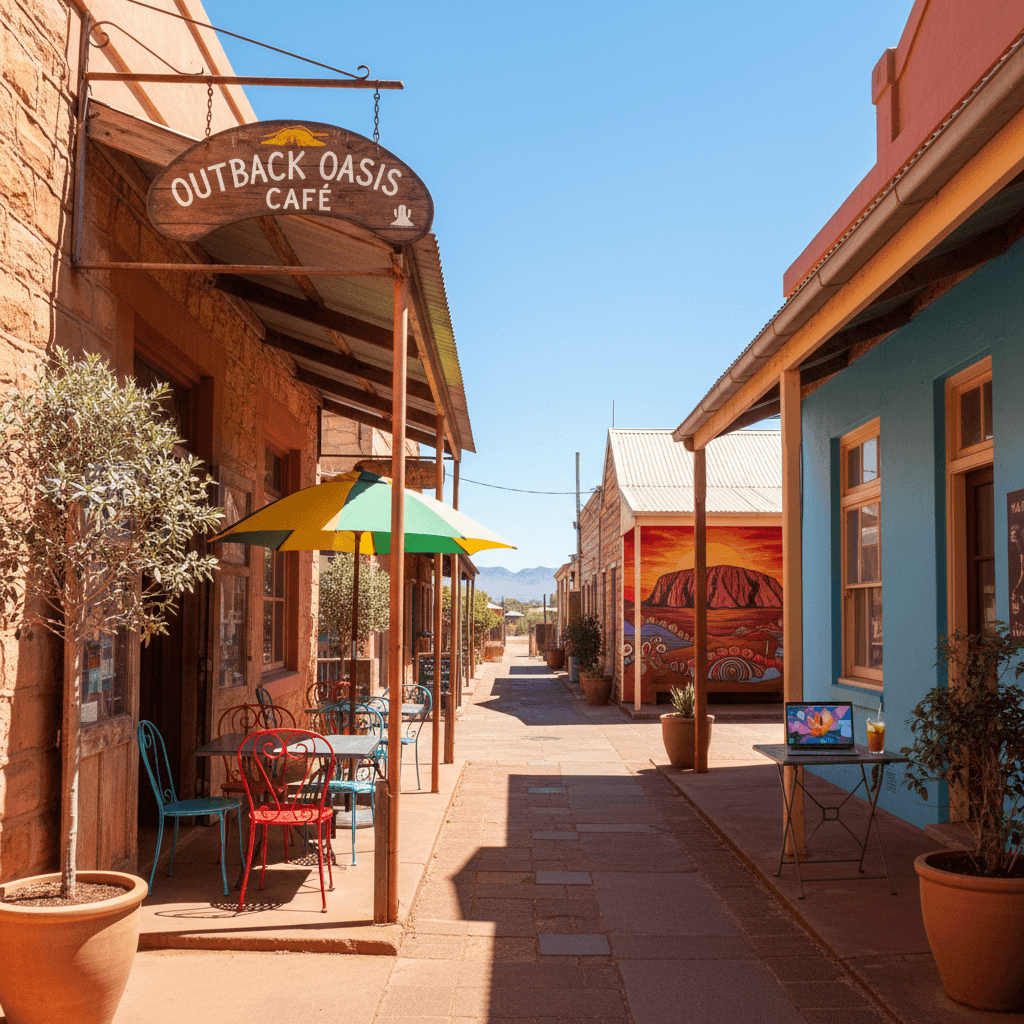
Alice Springs
🇦🇺 Australia
Alice Springs feels like the edge of things. The town sits in the Red Centre, wrapped in red dirt, heat shimmer and a kind of stubborn calm that makes coastal Australia feel very far away and honestly, that’s the appeal for a lot of nomads.
It’s small, around 25,000 people and the pace reflects that. You’ll hear magpies at dawn, trucks rumbling through town and the dry wind worrying at every screen door, then by afternoon the whole place can feel baked and sleepy, with not much to do besides work, walk or get out into the desert.
Best for: travellers who want outback access, nature breaks and a slower rhythm. Not for: people who need nightlife, cheap rents or a polished city feel.
What It Feels Like
- Vibe: Rugged, laid-back and a little raw, with strong Indigenous presence and plenty of local pride.
- Days: Best spent between work sessions, cafe stops, short hikes and stargazing once the sun drops.
- Downsides: Summers are brutally hot, flies can be relentless and the isolation gets old fast.
The upside is the setting, which, surprisingly, makes remote work feel less stale, because you can finish a call and be out near rocky ranges or desert trails ten minutes later. The downside is just as real, flights are expensive, groceries cost more than they should and after dark the town can feel a bit rough around the edges.
Budget reality: about $1,500 to $2,000 AUD a month if you keep it lean. Shared housing, takeaway lunches and buses can work, but a central one-bedroom, regular restaurant meals and the occasional tour push you into mid-range territory fast. Not cheap.
Where Most People Base Themselves
- CBD, Todd Mall: Best for walkability, cafes and staying close to the action, such as it's.
- Araluen: Quieter, greener and popular with expats who want a more residential feel.
- Braitling: Practical for families, with schools and shops, but less going on after hours.
Internet is decent in town, with NBN speeds around 50Mbps and cafes like Epilogue Lounge being a solid option when your apartment WiFi behaves. Coworking exists, but it’s limited, so most nomads end up cafe-hopping or working from a quiet rental, then escaping to Uluru, Standley Chasm or the sanctuary when cabin fever kicks in.
Safe enough in the centre, but don’t drift around the fringes at night. That’s the standard rule here and ignoring it can turn a simple evening walk into a bad call.
Alice Springs isn’t cheap. A solo nomad can expect about 1,590 AUD a month with rent and that number climbs fast if you want a central place, regular cafe lunches and the occasional taxi when the heat is brutal. Honestly, the isolation shows up in the price tag, because everything has to be hauled into the Red Centre.
For housing, the CBD around Todd Mall is the priciest and it’s also the most convenient if you want cafes, shops and a short walk home after dark. A one-bedroom or studio in the centre usually sits around 561 to 608 AUD a week, while the outskirts can drop closer to 300 to 420 AUD a week, which, surprisingly, makes a big difference over a month.
Typical monthly spend
- Budget: 1,500 to 2,000 AUD, shared housing, cheap eats, buses
- Mid-range: 2,500 to 3,500 AUD, one-bedroom place, mid-range restaurants, some rides
- Comfortable: 4,000 AUD+, central apartment, nicer dinners, tours
Food adds up faster than people expect. A street-food feed or fast lunch can run 10 to 15 AUD, a mid-range lunch sits around 14 AUD and a nicer dinner for two at places like Hanuman can hit about 86 AUD, so if you’re eating out often, the bill gets loud very quickly.
Day-to-day costs
- Food: about 606 AUD a month for one person
- Transport: around 55 AUD a month if you lean on buses
- Utilities and internet: roughly 200 AUD combined
Utilities matter here because Alice gets punished by climate, not just rent and air-con in summer isn’t a luxury, it’s survival. Internet is decent in town, with NBN plans often around 72 AUD a month, though once you’re outside the centre the signal gets patchy and, frankly, a bit annoying.
Most nomads stick to the CBD because it’s walkable, noisy in a lived-in way and close to the good cafes, but they also pay for that convenience. If you want to trim costs, share a place in Braitling or Araluen, cook at home and skip the taxi habit, because the savings are real and the town’s quiet enough that you won’t miss much nightlife anyway.
Alice Springs is small, gritty and oddly easy to read, which helps. Most people end up choosing a base by lifestyle, not by postcode, because the town’s compact centre and hard edges make the trade-offs pretty obvious once you’ve spent a day here.
Nomads: CBD, Todd Mall
- Best for: Walkability, cafes, short stays
- Rent: About $561 to $608 a week for a central 1BR
- Why stay: You can grab coffee at Epilogue Lounge, work from the centre, then walk to dinner without fuss
- Downside: Noisy, pricier and the street vibe gets rough after dark
If you’re here to work remotely, the CBD is the sane choice, honestly. You’re close to shops, ATMs, cafes with decent WiFi and the bus routes, so you’re not burning money on taxis every time you need milk or a charger.
It’s also where the town feels most alive, though “alive” here means passing foot traffic, pub chatter and the hum of air conditioners fighting the heat, not nightlife in any big-city sense.
Expats: Araluen
- Best for: Quiet homes, longer stays, a calmer routine
- Rent: Usually cheaper than the centre, often around $300 to $420 a week on the outskirts
- Pros: Quieter streets, easier parking, closer to nature
- Cons: You’ll likely need a car and evenings are very quiet
Araluen suits people who want space and less noise, turns out that matters a lot in Alice Springs because the heat, dust and road noise can wear you down fast. You’re not living in the middle of things, but you’re also not dealing with the CBD’s sharper edges.
Expats who stay a while tend to like the slower pace here, the dry air and the quick access to walking trails once the sun drops, when the red dirt finally cools and the whole place smells faintly of eucalyptus and dust.
Families: Braitling
- Best for: Schools, suburban routines, practical long stays
- Pros: Quiet streets, local shops, easier day to day life
- Cons: Limited nightlife and you’ll need to drive more
Braitling is the straightforward pick for families and frankly that’s the appeal. It feels more settled than central Alice, with less of the after-hours noise and less reason to be wandering around late.
Families usually want predictability and Braitling gives you that, with the trade-off being fewer restaurants, fewer walkable errands and a car-dependent routine that can feel a bit stale if you’re used to city convenience.
Solo Travelers: CBD, avoid the fringes at night
- Best for: First-time visitors, short stays, easy access to transport
- Good pick: Stay near Todd Mall or the main CBD blocks
- Skip: The Gap and town camp fringes after dark
Solo travelers should keep it simple and stay central, because that’s where you’ll find the easiest food, transport and daylight foot traffic. The fringe areas can feel exposed fast and the wrong street at night isn’t worth the risk, no matter how cheap the room is.
The centre’s still rough around the edges, with the occasional siren, shouted conversation and that dry desert wind kicking grit across the pavement, but it’s the safest and most convenient base if you’re new to town.
Alice Springs isn’t a place where you’ll find endless coworking choices or slick, glassy office towers. The internet’s decent for a remote desert town, though and that’s enough for most nomads who only need steady video calls, cloud docs and a place to escape the heat.
NBN home plans usually sit around 50Mbps or better for about $72 a month, which sounds fine until you’re trying to join a call while the afternoon flies are buzzing your ears and the air-con is rattling. In town, WiFi is generally better than people expect, outside town it gets patchy fast, so don’t assume you can work from a gorge or road trip stop without a backup.
Best places to work
- Epilogue Lounge: Probably the best-known laptop spot in town, with reliable WiFi, coffee and enough room to sit for a few hours without feeling rushed.
- Cafes around Todd Mall: Handy for quick work sessions, but speeds can be uneven and the lunch crowd gets noisy, honestly, so bring headphones.
- Your rental or serviced apartment: The safest bet for calls, especially if you’ve got good NBN and want to avoid the pub chatter and clatter of cups.
The coworking scene is thin or nonexistent in Alice Springs itself. Most nomads cafe-hop or work from home and go out later for dinner.
Mobile data and backup plans
- Telstra prepaid: Best coverage overall, especially if you’re heading beyond town and the tourist starter packs are often the smartest pick.
- Optus prepaid: Fine inside Alice for many users, though coverage can drop off faster once you’re out on the open road.
- Airport or retail stores: Easy place to grab a SIM on arrival, which, surprisingly, saves time if your accommodation WiFi hasn’t been sorted yet.
Pack a backup hotspot. Seriously. In the dry season, you can get a solid work rhythm here, then the connection dips, the power hums and the whole town seems to slow down in the heat, so having mobile data and a quiet indoor spot makes life much easier.
Alice Springs feels relaxed on the surface, but safety changes the mood fast. The CBD around Todd Mall is the place most travelers stick to after dark, because the town fringe, The Gap and nearby Town Camp areas see more assaults and theft. Stay alert. Night walks feel dodgy here, with empty streets, barking dogs and the odd shout carrying through the heat.
Crime: Alice Springs has a high crime rate by Australian standards and locals talk about it plainly, not dramatically, just like a fact of life. Most nomads keep their phones away on the street, don’t leave bags in cars and skip wandering around alone at night, especially on the outskirts. Frankly, that’s the smart play.
If you want a simple base, stay central and keep your routine boring. The CBD near Todd Mall, the hospital precinct and well-lit streets around cafes are the safest bet, while isolated motels and edge-of-town rentals can feel a bit exposed, especially when the wind’s up and the streets go quiet. Weirdly, the town can feel friendly and tense at the same time.
Where to stay
- CBD/Todd Mall: Best for walkability, cafes and late check-ins.
- Araluen: Quieter, with a more suburban feel, though you’ll need a car or bus.
- Braitling: Good for families, less convenient for nightlife.
- The Gap fringes: Cheaper sometimes, but not where I’d choose for a solo stay.
Healthcare is decent for a remote town, though you’ll feel the limits if you’re used to big-city systems. Alice Springs Hospital handles emergencies and the Mparntwe Urgent Care clinic is the better first stop for non-emergencies, so you’re not clogging the hospital with a sore throat or a minor cut. Turns out, pharmacies are easy to find, which helps when the dry heat and dust chew you up.
Call 000 for emergencies. Use local clinics for anything else. That’s the rhythm here.
For practical health prep, pack sunscreen, a hat, rehydration salts and any regular meds you rely on, because the heat hits hard and the air can feel like a hair dryer on your face by lunchtime. If you’re staying a while, keep copies of prescriptions and know where the nearest pharmacy is before you need it, because late-night options are limited and nobody wants to hunt around when they’re already sick.
Getting around Alice Springs is pretty simple once you accept the town’s size and pretty annoying once you leave the centre. The CBD around Todd Mall is walkable, taxis are around when you need them and the bus network covers the basics, but this isn’t a place where you can assume a late ride home will be waiting outside.
Buses: NT buses are free (as of 2026). Use the NT Bus Tracker app, because schedules can feel loose and the heat makes standing around at a stop miserable, honestly.
Walking: Stay in the CBD and you’ll manage fine on foot, with cafes, shops and a few work-friendly spots clustered close together. Outside that core, the distances get dull fast, the roads are wide and the sun can feel like it’s leaning on your shoulders.
Taxis and ride-hailing: Taxis are the main backup and a trip to the airport usually runs about $15 to $50 depending on time and traffic. Uber is sparse, so don’t bank on it, especially if you’re heading out early or coming back after dinner when the streets are quiet and a bit eerie.
Best Areas to Stay
- CBD, Todd Mall: Best if you want cafes, basic errands and the easiest access to buses, though rent is higher and the area can feel a little noisy by outback standards.
- Araluen: Quieter and greener, with a more residential feel, which, surprisingly, suits remote workers who’d rather swap bar noise for a slower morning and a proper sleep.
- Braitling: Handy for families and day to day life, but you’ll be driving or bussing in for most social stuff.
Airport runs: The shuttle is about $15, which is decent if you’re arriving with luggage and don’t fancy haggling with a cab driver after a long flight. Book ahead if you can, because service is thinner than in any mainland city and missed connections can turn into a slog.
Bikes and scooters aren’t a real transport fix here. There’s no broad share scheme and the heat, rough shoulders and traffic on wider roads make cycling feel more like a hobby than a commute, though some travelers still rent bikes for short daytime rides.
If you’re here for a longer stay, mix transport habits. Walk in town, use buses for basic errands, grab taxis at night and plan outings around the weather, because a noon errand in January is, frankly, a terrible idea.
English does the heavy lifting in Alice Springs, but the town has a different rhythm from the east coast and you’ll hear it straight away in the slower drawl, the easy jokes, the gaps in conversation. Say hello, ask your question, then pause, because people often take their time before answering and frankly that’s part of the place.
Most everyday stuff happens in English, though you’ll also hear Arrernte, Warlpiri and other Aboriginal languages in cultural tours, community spaces and around town. If you’re chatting with locals, “Werte” is a friendly hello in Arrernte and “Palya” gets used for good or okay, which, surprisingly, goes a long way if you say it with respect.
Don’t fake certainty. If you’re unsure about pronunciation, ask and people usually don’t mind. The bigger issue is tone, because directness reads better here than overly polished tourist-speak and a bit of humility beats blather every time.
What To Expect Day To Day
- Language: English is the default, with strong local accents and plenty of outback slang.
- Indigenous languages: Arrernte and Warlpiri come up in cultural settings, tours, signage and community events.
- Communication style: Friendly, plainspoken and a little dry, so don’t over-explain yourself.
- Best helper app: Google Translate is handy for place names and the odd phrase, though it won’t solve everything.
If you’re working remotely, the language barrier is usually tiny, the real challenge is context. Café staff, taxi drivers and landlords tend to be practical and brief and if you ask a question twice because you missed the first answer, that’s normal, not rude.
For phone calls and bookings, clear English matters more than perfect grammar. Spell your surname slowly, confirm dates out loud and repeat addresses back, because the town is small but services can still be messy, especially when the heat has everyone moving half a step slower.
One more thing, listen before you speak about Indigenous sites or local history. Respect matters here and people will clock it fast if you’re being careless or worse, talking over stories that aren’t yours to own.
Alice Springs has a harsh little weather rhythm and it drives when people stay, when they leave and when they end up regretting their booking. Summers are brutally hot, with daytime highs often hitting 35 to 38°C, the air feels dry until a gust of hot wind hits your face and by late afternoon the town can smell like dust, sun-baked bitumen and exhaust.
Best time to visit: May to September, hands down. Days stay mild, nights get cold enough for a jumper and you can actually hike, sit outside at cafes in Todd Mall or do a sunrise trip without melting in the back seat. Winter mornings are crisp, weirdly quiet and the light over the ranges is superb.
June and July are the coolest months, with daytime highs around 19 to 20°C and nights dropping near 5°C, so pack layers and don’t assume the desert stays warm after sunset. That cold hit is real, especially if you’re in a basic motel room with thin walls and a tile floor.
Season Breakdown
- May to September: Best weather, clear skies, low humidity, strong stargazing and easier day trips to places like Standley Chasm and Uluru.
- October to November: Hotter, busier with pre-summer travel, still workable if you’re fine starting early and hiding indoors by noon.
- December to February: Worst stretch, with 35°C plus heat, sticky afternoons after summer rain and flies that get on your nerves fast.
- March to April: Still warm, but more manageable and you’ll often get better accommodation availability than in peak winter.
Rain doesn’t really come in a neat season here, though summer storms can dump water fast and flash flooding can cut off roads without much warning. If you’re driving out to the gorges or planning long desert legs, check conditions first, because the outback punishes lazy planning.
What to pack: a proper hat, sunscreen, a refillable water bottle, one warm jacket and good walking shoes. Fly nets help in warmer months and honestly, people who forget them usually end up doing that frantic face-swatting dance by lunch.
If you’re working remotely, the sweet spot is shoulder season into winter, because you can work in cafes, step out for a break without feeling cooked and sleep better when the night air turns cool. The town’s pace slows even more then, which some nomads love, though nightlife stays limited and the desert does get a bit too quiet for everyone.
Alice Springs is small, hot and a bit rough around the edges, so plan for a slower rhythm than coastal Australia. The good part is that you can get most errands done fast in the CBD and the bad part is that prices sting, especially if you’re staying longer than a week or two. Not cheap.
For internet and phone coverage, Telstra is usually the safest bet and a prepaid plan with around 10GB for about $30 is common enough to buy at the airport or in town. NBN in apartments often sits around 50Mbps or better, which is fine for calls and uploads, though cafe WiFi can be patchy when the lunch crowd shows up and the air smells like coffee, sunscreen and dust.
- SIMs: Telstra first, Optus second and don’t expect flawless reception once you’re out toward the desert fringes.
- Banking: Use CommBank ATMs if you want the least fuss and keep Wise handy for transfers and card spending.
- Rent: Expect roughly $300 to $750 a week, with central places near Todd Mall costing more and outskirts a bit easier on the wallet.
- Booking: Check Domain, Booking.com and Cozycozy, because listings move and decent furnished places go quickly.
Getting around is straightforward but limited. The bus is cheap at about $3 a ride, taxis fill the gaps and Uber is sparse enough that people often shrug and book a cab instead, then wait in the heat while the road hums and the wind kicks grit against your legs.
If you’re here for the outback, book your side trips early. Uluru tours, Standley Chasm and the Kangaroo Sanctuary all get talked about a lot and for good reason, because they’re the kind of day out that makes the isolation make sense, even if the coach pickups are painfully early.
One thing that catches newcomers out, honestly, is the social code. Respect Indigenous sites, don’t take photos without asking and keep the “no worries” attitude in your back pocket, because people in Alice will be friendly, but they won’t love loud, careless tourists wandering around like the place owes them something.
- Safety: Stick to the CBD after dark, especially away from the fringes of The Gap and Town Camp areas.
- Healthcare: Alice Springs Hospital handles emergencies and Mparntwe Urgent Care is better for smaller problems.
- Food: Mid-range meals are around $14 for lunch, while a decent dinner for two can hit about $86.
Winter is the sweet spot, May through September, because the heat backs off and the nights get crisp enough for a jumper. Summer is brutal and the flies can be maddening, so if you’re sensitive to heat, don’t pretend you’ll tough it out, because the dry air and 40 degree days wear you down fast.
Need visa and immigration info for Australia?
🇦🇺 View Australia Country GuideHidden Gem
Worth the effort