Alexandria
🇪🇬 Egypt
The Mediterranean Soul of Egypt
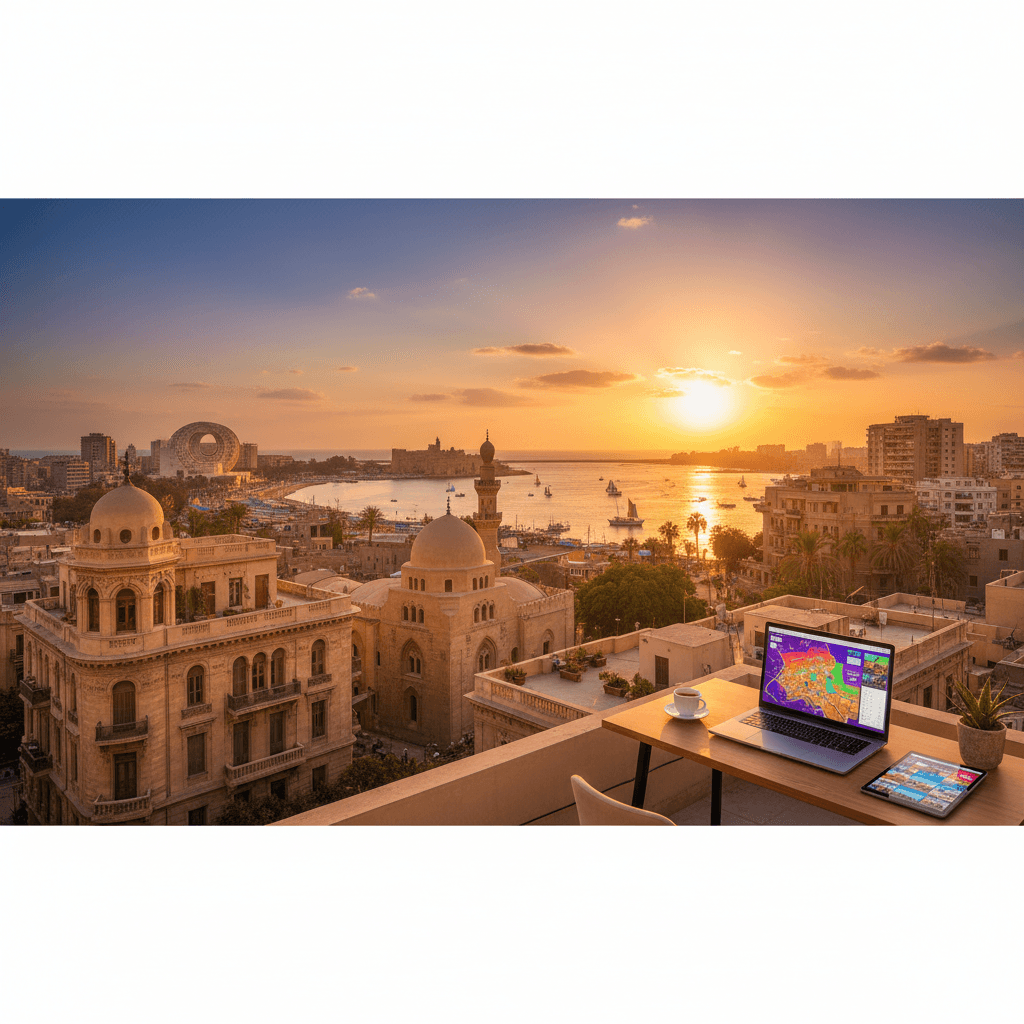
If Cairo is the frantic, caffeinated heart of Egypt, Alexandria is its cool, salt-crusted lungs. Walking along the Corniche, you'll immediately notice a different rhythm. It is a city that trades the desert's heat for a Mediterranean breeze and replacing the chaos of the capital with a faded, nostalgic elegance. For nomads, the draw isn't just the history; it's the ability to work from a 1920s cafe overlooking the sea for the price of a cheap latte back home.
The vibe here is distinctly "Belle Époque" meets modern chaos. You'll see crumbling neoclassical facades standing next to sleek glass libraries. It feels like a city that is still whispering secrets from its days as the intellectual center of the world. Most travelers find that Alexandria doesn't try as hard as the Red Sea resorts to please tourists, which gives it an authentic, lived-in feel that expats tend to prefer for longer stays.
What It’s Like on the Ground
Living here means getting used to a slower pace. You’ll spend your mornings at the Bibliotheca Alexandrina, which is arguably one of the most beautiful places to work in the world, and your evenings eating fresh sea bass at a local grill. The community is still growing, so you won't find the same dense "nomad bubble" you’d see in places like Bali or Lisbon. Instead, you'll be rubbing shoulders with local artists, students, and a small but dedicated group of remote workers who value the low cost of living and the coastal air.
The infrastructure is a bit of a mixed bag. While Internet speeds average 12-15 Mbps in better areas, you might deal with the occasional power flicker or noisy street. It’s a city for the adaptable traveler who prefers a view of the Mediterranean over perfectly paved sidewalks.
The Cost of the Coastal Life
Alexandria is famously affordable, even by Egyptian standards. You can live a very comfortable life here for a fraction of what you’d spend in Europe or North America. A monthly budget of $600-800 covers basics for a single nomad, though if you want a high-end apartment with a sea view and frequent dinners out, you should plan for more.
- Budget Lifestyle: $1,000 to $1,500 per month. This covers a basic local apartment, plenty of incredible street food like foul and falafel, and using the local tram system.
The Neighborhood Breakdown
While the city is sprawling, most nomads and expats gravitate toward the areas that hug the coastline. Being near the water isn't just about the view; it’s about the breeze that makes the Egyptian summer manageable.
Kafr Abdou
- The Vibe: The closest thing Alexandria has to an upscale expat enclave. It’s green, walkable, and filled with boutiques and cafes.
- Pros: Very quiet compared to the rest of the city; great for families and solo female travelers.
- Cons: Further from the beach; higher rents than other districts.
Gleem and Roushdy
- The Vibe: Modern, upscale, and right in the thick of the action. This is where you’ll find the best coworking spots and trendy cafes.
- Pros: Great internet connectivity and easy access to the Corniche.
- Cons: Can be loud and crowded during the summer months.
Manshia and Bahary
- The Vibe: The historic heart of the city. Think old-world charm, fish markets, and the Citadel of Qaitbay.
- Pros: Incredible atmosphere and the cheapest, freshest seafood in town.
- Cons: Very touristy and loud; apartments are often in much older, poorly maintained buildings.
Ultimately, Alexandria is for the nomad who wants to feel like they’re living in a storybook rather than a tech hub. It’s a place where you come for the $5 seafood platters and stay because you fell in love with the way the light hits the Mediterranean at sunset.
The Mediterranean Advantage
Living in Alexandria feels like a breath of fresh air compared to the chaotic energy of Cairo. It is significantly more affordable than the Red Sea hubs like Dahab or Hurghada, mostly because it hasn't been fully "discovered" by the global nomad circuit yet. You can live a high-end lifestyle here for a fraction of what you would spend in Southern Europe, though you have to be comfortable with a slightly more local, less polished infrastructure.
Most expats find that their biggest expense is housing, but even then, the prices are surprisingly low. While a base monthly spend might sit around $442 for the basics, most remote workers aiming for a comfortable setup with reliable AC and high-speed internet should budget between $3,300 and $5,000 per month to cover all bases, including frequent dining out and weekend trips.
Monthly Budget Tiers
- The Budget Traveler ($3,328 to $4,038): This covers a modest apartment, plenty of incredible street food like ful and falafel, and using public transport or the occasional shared van. You'll be living like a local and sticking to free coastal walks for entertainment.
- The Mid-Range Nomad ($4,370 to $4,768): This is the sweet spot. It includes a nicer apartment near the Corniche, regular sessions at coworking spaces, and taking rideshares instead of the bus. You can eat at mid-range seafood spots several times a week without thinking twice.
- The Comfortable Expat ($4,604 to $5,493): At this level, you're looking at a modern, well-furnished flat with the best available internet, upscale dining at places like the San Giovanni Restaurant, and enough extra cash for private tours to Cairo or the North Coast.
Daily Expenses and Lifestyle Costs
Food is where Alexandria really shines. You can grab a hearty local breakfast for less than $2, while a massive seafood feast overlooking the water might only set you back $15 to $20. Grocery shopping at local markets is incredibly cheap, though imported goods in supermarkets carry a premium.
Transportation won't break the bank either. The city is quite walkable if you stay near the seafront, but when you need to cover distance, local taxis and ride-hailing apps are the way to go. Most short trips across town cost just a few dollars. If you are heading to the Borg El Arab Airport, expect to pay a bit more for a private transfer, but it remains affordable by international standards.
Housing and Connectivity
Rent varies wildly depending on how close you are to the Mediterranean. While specific neighborhood price lists shift frequently, nomads generally look for spots near the Bibliotheca Alexandrina or the older, charismatic districts with high ceilings and sea views. Finding a place with "nomad-ready" internet is the real challenge. Average speeds hover between 49 Mbps and 68 Mbps, but you should always verify the connection before signing a lease.
- Coworking: Expect to pay around $10 to $15 for a day pass at a reliable space. These spots are your best bet for consistent 50+ Mbps speeds.
- Data: Local SIM cards are cheap and easy to top up. Most expats recommend getting a large data package as a backup for when home Wi-Fi gets spotty.
- Utilities: If your rent isn't all-inclusive, budget a small amount for electricity and water, though these are typically negligible unless you run the air conditioning 24/7 during the humid summer months.
Overall, Alexandria offers a rare combination of old-world charm and modern affordability. It is a place where you can enjoy a vibrant nightlife and world-class history without the financial stress of a typical digital nomad hotspot.
Digital Nomads
If you're coming to Alexandria for remote work, you'll want to stick to the waterfront areas where the sea breeze keeps the air fresh and the infrastructure is most reliable. Most nomads gravitate toward the neighborhoods surrounding the Bibliotheca Alexandrina. This area serves as the intellectual heart of the city, providing a more academic and quiet vibe than the chaotic streets of central Cairo. You'll find a growing number of cafes with 50+ Mbps speeds, which is the gold standard for getting things done here.
The coastal strip between Sidi Gaber and Stanley is another favorite. It's walkable, filled with modern seafood spots, and has that classic Mediterranean feel. While Alexandria doesn't have the massive nomad hubs you'll find in Dahab, it's becoming a popular alternative for those who want a real city experience without the $5,000 price tag of high end Western hubs. You can live a very comfortable lifestyle here for around $4,400 a month, including a nice apartment and frequent dining out.
Expats
Expats looking for long term stays often seek out the more established residential districts like Kafr Abdu. This neighborhood is known for its greenery, quiet streets, and European architectural influences. It's the kind of place where you'll find boutique shops and upscale cafes that feel a bit more private. It's less about the tourist sights and more about high quality daily living.
Living here puts you in a sweet spot for networking. While the expat community is smaller than Cairo's, it's tight knit. You'll likely spend your weekends at the Alexandria Sporting Club or meeting friends for long lunches in Glim. Monthly costs for a mid range expat lifestyle usually hover around $4,370, which covers a spacious flat and a regular social life. Most expats recommend searching for apartments through local contacts or Facebook groups rather than international platforms to get the best rates.
Families
For families, safety and space are the priorities. The eastern districts, particularly areas like Loran and San Stefano, are popular because they offer proximity to modern malls and better healthcare facilities. You'll be close to the San Stefano Grand Plaza, which serves as a central point for shopping and family entertainment. The streets here are generally wider and the buildings are more modern compared to the cramped alleys of the old city center.
- Rent for family sized flats: Often falls within the $3,300 to $4,000 budget tier depending on proximity to the water.
- Schools and Parks: Most international families look for housing near the private schools in the Smuha district, which is further inland but offers more organized residential layouts.
- Groceries and Services: Large supermarkets and pharmacies are concentrated in these areas, making daily errands much easier with kids in tow.
Solo Travelers
If you're traveling alone, you want to be where the action is. Mansheya and the Old City center are perfect for short term solo stays. This is the historic core where you can walk to the Citadel of Qaitbay and the local markets. It's busy, loud, and incredibly social. You'll find the most affordable street food here, allowing you to keep your daily food budget very low while experiencing the most authentic side of the city.
Solo travelers often prefer the hostels and budget hotels near Raml Station. It's the central hub for the city's vintage tram system, making it easy to explore the coastline for just a few Egyptian pounds. While the internet in budget hotels can be hit or miss, the abundance of historic "grand cafes" nearby provides plenty of places to sit with a laptop or a book and soak in the atmosphere. It's the best way to meet locals and other travelers without needing a formal meetup group.
Connectivity Reality Check
Alexandria is a breath of fresh air compared to the chaotic energy of Cairo, but your workflow will depend on a solid backup plan. Average download speeds around 12-15 Mbps, which is plenty for Zoom calls and standard uploads. However, reliability can be a bit of a gamble during peak evening hours. Most nomads find that while home fiber is improving, the real secret to staying online is a local SIM card.
You'll want to pick up a SIM from WE (Telecom Egypt) or Vodafone as soon as you land. Data is incredibly cheap here, and many expats use their phones as hotspots when the building Wi-Fi gets moody. It's common to see remote workers carrying a portable "MiFi" device to ensure they can work from the stunning seafront corniche without a hitch.
Coworking Spaces and Work-Friendly Cafes
The coworking scene in Alexandria is smaller than in the Red Sea hubs, but it's growing quickly. These spaces are often the best places to meet other nomads and escape the Mediterranean humidity. Most dedicated spaces offer speeds suitable for remote work; test on-site and provide a professional atmosphere that's hard to find in the more traditional parts of the city.
- Flux Coworking: A favorite for its modern setup and reliable backup power. It's a great spot if you need a quiet environment for deep work.
- Icealex: This is more of an innovation hub. It's perfect if you want to connect with local entrepreneurs and techies rather than just sitting in a silo.
- The Bibliotheca Alexandrina: While not a coworking space in the modern sense, the world-famous library offers a majestic (and quiet) place to research and write, though you'll need to rely on your own data for heavy lifting.
If you prefer the "laptop and a latte" lifestyle, Alexandria's cafe culture is legendary. You'll find plenty of spots along the Mediterranean coast where you can work with a view. Just keep in mind that many traditional cafes are more for socializing than spreadsheets, so look for the more modern establishments near the university or the Kafr Abdu district.
Digital Nomad Community
The nomad community here is still in its "early adopter" phase. You won't find the massive digital nomad meetups of Dahab or Bali, but that’s part of the charm. The community is tight-knit and centers around weekly sessions and informal gatherings at seafood spots or the library. Most expats recommend joining local Facebook groups or WhatsApp chats to find out where the current "work hub" is located, as the favorite spots tend to shift seasonally.
Data and Costs
Staying connected won't break your budget. Alexandria remains one of the most affordable Mediterranean cities for digital infrastructure. Here is what you can expect to spend on your tech setup:
- Local SIM Card: $5 to $10 for a generous data package (20GB+).
- Coworking Day Pass: $5 to $15 for day passes.
- Monthly Coworking Membership: $80 to $150 for full-time access.
- Cafe Spend: $2 to $4 for a high-quality coffee and a snack.
Most nomads find that a mid-range budget of $4,370 to $4,768 per month allows for a very comfortable lifestyle that includes a dedicated coworking desk and frequent dining out. If you are on a budget, you can easily get by on $3,328 by working from home and utilizing affordable street food, which is some of the best in North Africa.
Staying Safe in the Mediterranean Capital
Alexandria feels significantly more relaxed than the frantic energy of Cairo. Most nomads find the city manageable as long as they stick to basic common sense. While the city doesn't have a high rate of violent crime, petty theft and scams can happen in crowded areas like the Mansheya market or near the Misr Station. Keep your phone tucked away and be mindful of your bag in these high foot-traffic zones.
Solo travelers often say that the Corniche is generally safe for a stroll, even after sunset, because it stays lively with families and groups of friends until late at night. However, if you're a woman traveling alone, you might deal with some unwanted attention or catcalling. Wearing modest clothing that covers your shoulders and knees helps you blend in and reduces some of the friction. If you ever feel uncomfortable, ducking into a well-lit cafe or a large hotel lobby is a quick way to reset.
Stick to reputable ride-hailing apps rather than flagging down random taxis on the street. It avoids the headache of negotiating fares and ensures your trip is tracked. If you're exploring older neighborhoods away from the coast, try to finish your wandering before it gets too late, as lighting can be hit or miss in the side streets.
Healthcare and Medical Services
If you need medical attention, the quality of care varies depending on where you go. Expats and long-term nomads usually head straight to private hospitals for anything serious. These facilities generally have English-speaking staff and better equipment than public options. Alexandria Medical Center and German Hospital are two names that frequently come up in expat circles for reliable care.
- Pharmacies: You'll find a pharmacy on almost every corner. They're great for minor ailments, and pharmacists can often recommend over-the-counter fixes for "mummy tummy" or heat exhaustion. Look for El Ezaby Pharmacy or 19011 chains for consistent pricing and stock.
- Emergency Numbers: Dial 123 for an ambulance, though in a real emergency, taking a private car or an Uber to the hospital is often much faster.
- Insurance: Don't skip out on a policy that covers medical evacuation. While local private clinics are affordable for a check-up, specialized surgeries or long-term stays can get expensive quickly.
Staying Healthy on the Ground
The most common health hurdle you'll face is the tap water. Don't drink it. Use bottled water for drinking and even for brushing your teeth if you have a sensitive stomach. Most nomads also suggest being cautious with salads or fruit that might have been washed in tap water at cheaper street stalls.
Air quality in Alexandria is generally better than in Cairo due to the sea breeze, but can reach moderate levels (50-100). However, the humidity can be intense during the peak of summer. If you're sensitive to heat, make sure your apartment has a reliable AC unit, as "feels like" temperatures can easily climb into the high 80s or 90s Fahrenheit.
For routine needs, you'll find that many doctors in the Kafr Abdou or Smouha districts cater to a more international crowd. A standard consultation at a private clinic usually costs between $15 and $30, making out-of-pocket care very affordable for those earning in foreign currency.
Getting Around the Pearl of the Mediterranean
Alexandria is a linear city that stretches along the coast, making it relatively easy to get your bearings. Unlike the chaotic sprawl of Cairo, the layout here is dominated by the Corniche, the sweeping waterfront road that connects almost everything you'll want to see. Most nomads find that while the city feels big, the main hubs for work and socializing are clustered within a few key districts.
Walking and Local Vibe
The city is surprisingly walkable if you stick to the seafront. You can easily spend an afternoon wandering between the Bibliotheca Alexandrina and the Citadel of Qaitbay. The sea breeze makes walking much more pleasant than in inland Egyptian cities, though you'll need to stay alert for erratic traffic when crossing the Corniche. Expats often recommend staying in the central or eastern coastal areas to keep the best cafes and historic sites within a 15 to 20 minute stroll.
Ride-Hailing and Taxis
For longer distances, ride-hailing apps are your best friend. They save you the hassle of haggling over fares and ensure you aren't overcharged as a visitor. You'll find that these services are incredibly affordable, with most cross-city trips costing between $2 and $5.
- Uber: The most reliable and widely used app in the city.
- Careem: A popular regional alternative that often has similar pricing and availability.
- Lada Taxis: The iconic yellow and black cars are everywhere. If you use them, agree on the price before getting in, though most nomads prefer the transparency of apps.
The Historic Tram and Microbuses
Alexandria's blue and yellow trams are more than just transport; they are a piece of living history. The blue trams serve the eastern suburbs, while the yellow ones stay in the city center. It is one of the oldest tram systems in the world, and while it isn't the fastest way to get around, it's a great way to see the local neighborhoods for just a few Egyptian pounds. If you're in a rush, microbuses (white minivans) zip through the streets constantly. They don't have fixed stops, so you just wave them down, but they can be intimidating for newcomers until you learn the hand signals for different routes.
Regional Connections
If you're heading back to Cairo or exploring the rest of the country, you have several solid options. Travelers often prefer the high speed trains or comfortable coaches for the 2.5 to 4 hour journey.
- Trains: Departing from Misr Station, the "Special" or "Turbini" trains offer air conditioning and comfortable seating for a low price.
- Private Transfers: Many nomads book private AC vehicles for day trips to the Pyramids, which typically cost around $100 to $150 for a full 12 hour itinerary.
- Borg El Arab Airport: Located about 45 minutes outside the city, this is your main gateway for international flights. A pre-booked car or Uber is the most stress free way to get there.
Nomad Transport Budget
Because transport costs are so low, you won't need to budget much for your daily commute. Even if you take Ubers everywhere, your monthly spend will likely stay under $100.
- Monthly Transport Estimate: Included in the $442 general monthly cost of living.
- Short Uber Trip: Roughly $1.50 to $3.00.
- Tram Fare: Less than $0.25.
Communication Basics
In Alexandria, the local tongue is Egyptian Arabic, specifically a distinct Alexandrian dialect that locals take great pride in. While it sounds similar to the Cairene dialect you might hear in movies, Alexandrians have their own slang and a slightly different melodic lilt. You'll find that English proficiency is generally moderate within the city's intellectual and tourist hubs like the Bibliotheca Alexandrina or upscale seaside cafes, but it tapers off quickly in local markets and residential side streets.
Most digital nomads find that they can get by with English for basic transactions, especially with the younger generation. However, learning a few phrases goes a long way. Locals are incredibly hospitable and usually light up when a foreigner attempts a "Sabahel kheir" (Good morning) or "Shukran" (Thank you). If you're planning a long term stay, consider downloading Google Translate with the Arabic offline pack, as it is a lifesaver for reading menus or signs that aren't bilingual.
Staying Connected
Internet speeds average 12-15 Mbps download, sufficient for most remote work but verify with providers. While this is sufficient for video calls and standard remote work, stability can fluctuate. Most expats recommend having a backup plan, which usually means a robust local SIM card. Mobile data is surprisingly affordable and often more reliable than hotel or apartment Wi-Fi during peak hours.
- Vodafone Egypt: Widely considered to have the best coverage across the city.
- Orange: A strong competitor with competitive data packages for heavy users.
- Etisalat: Good speeds, though coverage can be spotty in older, thick walled buildings.
- WE: The landline provider that also offers mobile data, often used for home internet.
The Coworking Scene
Alexandria doesn't have the massive nomad density of Dahab or Cairo, but a dedicated community is growing. Most work happens in "workspaces" or laptop friendly cafes along the Corniche. Reliable connections for remote work available; speeds typically 10-20 Mbps. You'll likely meet other remote workers at spots near the university or the library district.
Expats often suggest joining local Facebook groups or WhatsApp chats specifically for Alexandria nomads. These groups are the primary way to find out about impromptu meetups or which cafes currently have the most stable power and Wi-Fi. It's a tighter knit community than you'll find in larger hubs, making it easier to build genuine connections quickly.
Practical Language Tips
Navigating the city requires a mix of tech and traditional communication. While ride hailing apps help bridge the gap, knowing how to direct a driver is helpful. Here are a few tips for smoother daily interactions:
- Use Apps for Transport: Rely on ride hailing apps to avoid price negotiations in Arabic, which can be taxing if you're new to the city.
- Numbers Matter: Learning Arabic numerals is helpful for checking prices in local markets where tags might not be in Western digits.
- The "Insha'Allah" Factor: You'll hear this constantly. It means "God willing," but in a social context, it often implies a flexible approach to time and scheduling.
- Voice Notes: Egyptians love WhatsApp voice notes. If you're communicating with a local landlord or service provider, a voice note is often preferred over a long text.
Cultural immersion is one of the highlights of living here. Because Alexandria sees fewer tourists than Luxor or Giza, the interactions feel more authentic. Don't be surprised if a shopkeeper invites you for tea; it's a standard part of the local communication style and a great way to practice your Arabic.
The Mediterranean Sweet Spot
Alexandria doesn't follow the same rules as the rest of Egypt. While Cairo swelters in a dusty heat, this coastal city stays refreshed by the Mediterranean breeze. It is the kind of place where you can actually walk the Corniche without melting, provided you time your visit right. Most nomads and expats find the climate here much more manageable than the interior, with temperatures typically hovering between 21°C and 29°C during the shoulder seasons.
When to Touch Down
If you want the absolute best of Alexandria, aim for March to May or September to November. During these windows, the air is crisp, the sky is a sharp blue, and the "feels-like" temperature sits comfortably around 25°C. You'll avoid the humid wall of heat that hits in mid-summer and the occasional chilly, grey sky of deep winter. These months are perfect for working from a seaside cafe or exploring the Bibliotheca Alexandrina without needing a heavy coat or a constant blast of AC.
- Spring (March to May): Expect mild days and cool evenings. This is prime time for nomads who like to wander the historic streets between deep work sessions.
- Autumn (September to November): The summer crowds thin out, but the water stays warm. It is arguably the best time for seafood dinners on outdoor terraces.
- Winter (December to February): It gets surprisingly brisk. While it rarely freezes, the humidity makes 15°C feel much colder. You will want a solid jacket for those windy nights by the harbor.
- Summer (June to August): This is peak season for local tourism. The city gets crowded, prices for short-term rentals can spike, and the humidity can make focused work a bit of a slog if your apartment lacks good ventilation.
Air Quality and Daily Vibe
One of the biggest perks of living by the sea is the air quality. Alexandria consistently reports better AQI levels than Cairo, often staying in the 0 to 52 range. For remote workers, this means fewer "heavy air" days and more energy to stay productive. You'll notice the city has a distinct rhythm; locals tend to stay indoors during the peak afternoon sun and come alive after sunset when the temperature drops to a perfect 22°C.
What to Pack
Because the weather is variable, your suitcase needs to be strategic. Even in the warmer months, the breeze off the Mediterranean can turn chilly once the sun goes down. Most long-term travelers recommend a mix of light linens for the day and at least one reliable sweater or light jacket for evening strolls along the water. If you're visiting in the winter, don't underestimate the dampness; waterproof shoes and a windbreaker are smart additions for those occasional rainy days when the sea gets choppy.
The Nomad Verdict
If you're planning a three-month stint, try to arrive in late September. You'll catch the tail end of the swimming season, enjoy the most stable internet speeds without summer network congestion, and experience the city at its most relaxed. It is the sweet spot where the cost of living remains low and the weather stays firmly in the "perfection" category.
Connectivity and Tech Setup
While Alexandria is catching up to Cairo's tech infrastructure, you'll still need a solid game plan for internet. Average speeds hover between 49 Mbps and 68 Mbps, which is plenty for Zoom calls, but stability can vary. Most expats recommend grabbing a local SIM card immediately upon arrival. WE, Orange, and Vodafone offer affordable data packages that you can tether to if your apartment's Wi-Fi decides to take a siesta.
For a dedicated work environment, head toward the areas surrounding the Bibliotheca Alexandrina. You'll find a growing number of coworking spaces and laptop-friendly cafes that cater to the city's student and nomad population. These spots usually guarantee speeds of 50+ Mbps and provide a much-needed social anchor in a city where the remote work scene is still finding its feet.
Budgeting for the Mediterranean Life
Alexandria is remarkably easy on the wallet, especially if you're earning in USD or EUR. You can live a very comfortable life here for a fraction of what you'd spend in Europe or North America. To help you plan, here is how the monthly costs usually break down:
Budget Living
- Monthly Estimate: $3,328 to $4,038
- Housing: Basic studios or apartments slightly inland.
- Food: Heavy focus on delicious street food and local markets.
- Transport: Utilizing the tram system and local buses.
Mid-Range Comfort
- Monthly Estimate: $4,370 to $4,768
- Housing: Modern apartments, likely with a partial sea view.
- Food: A mix of home cooking and frequenting mid-range seafood spots.
- Transport: Regular use of rideshare apps for convenience.
High-End Lifestyle
- Monthly Estimate: $4,604 to $5,493
- Housing: Upscale flats in prime coastal locations.
- Food: Frequent fine dining and international cuisine.
- Extras: Full-time coworking memberships and weekend trips to Cairo.
Getting Around Town
The city is surprisingly walkable if you stay near the Corniche, the iconic waterfront promenade. For longer distances, skip the hassle of renting a car. The traffic can be chaotic, and parking is a nightmare. Instead, use rideshare apps to get around safely and for a predictable price. If you're coming from Cairo, the train is the way to go. It takes about 2.5 to 3 hours and drops you right in the heart of the city, avoiding the 5-hour slog that buses sometimes endure during peak traffic.
Navigating Local Customs
Alexandria has a more relaxed, Mediterranean vibe than the capital, but it is still a conservative society. Dressing modestly is the standard, especially when you're away from the beach clubs. Most locals in the service and tourism industry speak decent English, but learning a few Arabic phrases will go a long way in the local markets. Unlike the high-pressure sales tactics you might find at the Pyramids, Alexandrian shopkeepers are generally more laid-back, though a bit of friendly haggling is still part of the culture.
Visas and Logistics
Egypt doesn't have a specific digital nomad visa yet. Most travelers enter on a standard tourist visa, which is easy to obtain. For banking, it's best to rely on international fintech cards for withdrawals, but always keep a stash of Egyptian Pounds on you. Many smaller seafood joints and local shops are cash-only. If you need a break from the city, day trips to Cairo are easy to arrange via private AC vehicles, usually taking about 2.5 hours each way if you time the traffic right.
Need visa and immigration info for Egypt?
🇪🇬 View Egypt Country GuideHidden Gem
Worth the effort
Monthly Budget Estimates
More cities in Egypt
Dahab
🇪🇬 Egypt
Hurghada
🇪🇬 Egypt
Sharm El Sheikh
🇪🇬 Egypt