Akure
🇳🇬 Nigeria
The Rhythm of the Sunshine State
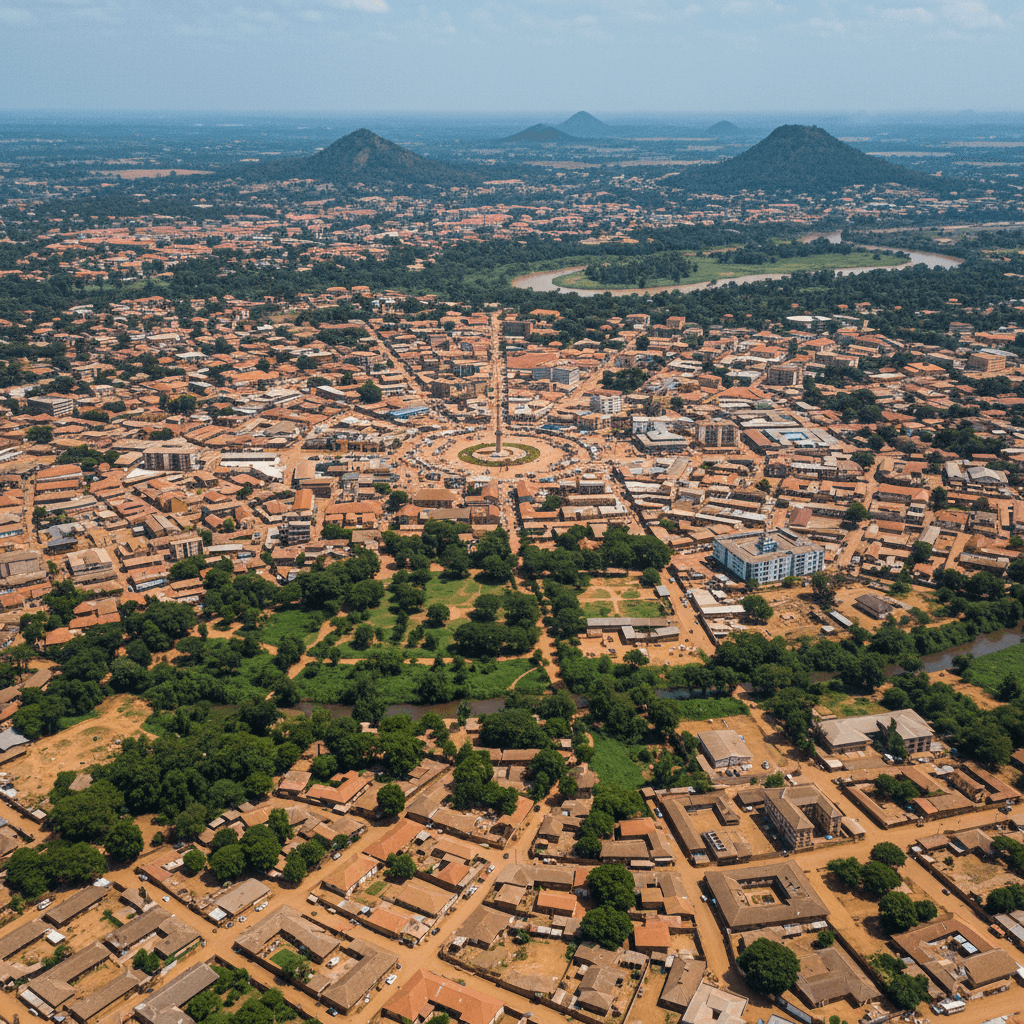
Lagos is a high-speed chase. Akure is a steady jog you can actually sustain. As the capital of Ondo State, it balances the energy of a growing urban hub with a laid-back Yoruba character that most Nigerian cities have long since traded away. The morning air smells of woodsmoke and pounded yam, FUTA students fill the cafes, and locals still stop for a proper greeting.
The draw is specific: you get proximity to both the academic and the ancient. One day you're working from a cafe in Alagbaka; the next you're standing atop the mist-covered Idanre Hills. For nomads who want the Nigerian experience without Lagos-level sensory overload or Lagos-level prices, Akure makes a strong case.
Cost of Living
Living here is affordable even by Nigerian standards. Monthly costs break down across three tiers:
- Budget (NGN 30,000 to 50,000): shared rooms in Araromi, street food, public buses or okadas.
- Mid-range (NGN 60,000 to 90,000): a private one-bedroom in Alagbaka, a mix of local bukas and nicer cafes, frequent ride-hailing.
- Comfortable (NGN 100,000+): upscale private rentals, daily coworking passes, and consistent dining at the city's better restaurants.
Full cost breakdowns, including utilities and groceries, are in the Cost of Living section of this guide.
Picking Your Neighborhood
Your choice here will directly affect your internet reliability and noise levels, so it's worth thinking through before you book.
Alagbaka is the administrative core: organized, relatively quiet, and the safest bet for expats and nomads. The best hotels and residential zones are concentrated here. Rent for a mid-range 1-bedroom in Alagbaka is now around NGN 150,000 to 400,000 per month due to inflation and devaluation. The downside is that it can feel sterile if you're after any kind of late-night energy.
Araromi is the opposite. Markets, street food, and constant activity. Short-term stays run about NGN 25,000 a day, but expect inconsistent WiFi and a persistent background hum. Good for budget travelers who prioritize culture over quiet. Not ideal for deadline-heavy work weeks.
Neighborhood tradeoffs are covered in more detail in the Neighborhoods section of this guide.
Connectivity and Getting Work Done
Internet speeds run between 15 and 30 Mbps in better hotels and cafes, but it is rarely plug-and-play. Most nomads use MTN or Airtel SIM cards for data, at NGN 5,000 to 10,000 per month for a solid plan. Always run a VPN on public connections.
Dedicated coworking spaces are still rare. The practical move is day passes at business hotels or larger centers, which cost NGN 5,000 to 10,000. Test the speed before committing to a full day. Cafe culture is growing near FUTA, but the etiquette is clear: buy a meal, stay a few hours, and avoid the lunch rush if you're occupying a table for hours.
Getting Around and Staying Safe
Download Bolt or Uber before you arrive. A typical cross-town trip costs NGN 500 to 2,000. Okadas (motorbikes) are everywhere at NGN 200 to 500, faster in traffic, but not for everyone. A transfer from Akure Airport (AKR) to the city center runs NGN 2,000 to 5,000.
Akure is calmer than Lagos. Stick to well-lit areas in Alagbaka at night and stay alert in crowded markets. Healthcare is functional but basic; the Ondo State Specialist Hospital is the main facility, and you should carry a personal supply of any specific medications you need.
Food, Language, and Timing Your Visit
Sit in a local buka in Araromi and order Amala or pounded yam. A filling street meal costs NGN 500 to 1,000; an upscale dinner can reach NGN 10,000. Nightlife is low-key, centered on hotel bars in Alagbaka where the focus is conversation, not clubbing.
English is spoken fluently by almost everyone. That said, a Yoruba greeting like "Bawo ni?" (How are you?) or "E se" (Thank you) opens doors faster than anything else you can do.
The best time to visit is the dry season, December to February, when temperatures hold between 25 and 32°C and the Idanre Hills are actually hikeable without getting soaked. June through September brings heavy rains that make outdoor plans unreliable.
If you're planning your first week, start in Alagbaka, get your SIM sorted on day one, and use the Neighborhoods section to decide whether to stay or move toward Araromi once you have a feel for the city.
What You Actually Spend in Akure
The numbers here will surprise you. Most nomads land in Akure expecting Lagos-lite prices and find something much better. A comfortable month, covering a decent room, solid meals, and getting around by ride-hail, runs around NGN 100,000. That is the realistic comfortable tier, not the aspirational one.
On a tight budget, NGN 30,000 to NGN 50,000 per month is workable if you eat at street-side bukas, use public buses, and base yourself in Araromi. Most remote workers do not stay at that level long. The jump to comfort is cheap enough that it rarely makes sense to rough it.
Monthly Cost Breakdown
Here is where the money actually goes:
- Housing: Budget short-term stays in Araromi run NGN 90,000+ per day or negotiate monthly rates around NGN 100,000+. Mid-range apartments in Alagbaka cost NGN 150,000 to 400,000 per month.
- Food: A plate of amala or pounded yam at a local buka costs NGN 500 to NGN 1,000. Cafes near FUTA run NGN 2,000 to NGN 5,000 per meal. A high-end dinner tops NGN 10,000.
- Connectivity: A heavy-use data plan from MTN or Airtel costs NGN 5,000 to NGN 10,000 per month. Coworking day passes at hotels or business centers run the same range, NGN 5,000 to NGN 10,000.
- Transport: Most Bolt trips across town cost NGN 500 to NGN 2,000. An Okada ride runs NGN 200 to NGN 500 if you are comfortable on a motorbike.
The Neighborhood Decision Is a Budget Decision
Where you sleep determines costs you will not see on any price list: generator fuel, extra data when WiFi drops, and how often you pay for transport just to reach somewhere functional.
Alagbaka is the practical base for most nomads. It is the administrative heart of the city, more organized, quieter, and more reliably powered. Security is better. The downside is that the nightlife is muted and rents are higher than the city average. Families tend to settle here, partly because of proximity to the Federal University of Technology Akure (FUTA) and nearby schools.
Araromi trades stability for energy. Markets, noise, affordable food, and inconsistent internet. The catch most nomads miss is that Araromi works better as a place to eat and explore than a place to work from. A common pattern is to rent in Alagbaka and spend time in Araromi for the food and culture.
A Few Practical Notes
Internet speeds average 15 to 30 Mbps, which handles Zoom calls but can be unreliable. Always run a speed test on-site before signing a lease. Keep a secondary SIM from a different provider as a backup; this is not optional in Akure, it is just how things work here.
For banking, fintech apps like Opay or Palmpay handle quick transfers at markets more reliably than traditional bank apps.
A day trip to Idanre Hills costs around NGN 5,000 in transport. It is one of the better-value excursions in Southwestern Nigeria and a genuine break from screen time.
Once your budget is mapped, the next practical step is understanding how to get around the city without overpaying or getting stuck.
Where Nomads and Remote Workers Actually Land
Alagbaka is the administrative core of Akure: government buildings, organized residential blocks, reliable power. For anyone running a remote business, it is the most functional part of the city. The catch most nomads miss is that WiFi quality varies street by street, so test the signal at your specific unit before signing anything.
- Rent runs NGN 150,000 to 400,000 per month for a one-bedroom in an organized zone.
- WiFi averages 15 to 30 Mbps. Speeds in this range are workable for video calls, but not guaranteed at every address.
- Business centers offer day passes for NGN 5,000 to 10,000 when you need a backup workspace. Nightlife is minimal, which is either a feature or a bug depending on your priorities.
Budget Travelers and the Araromi Trade-Off
Araromi is loud, affordable, and genuinely local. Street food is everywhere: amala, roasted yams, buka meals running NGN 500 to 1,000. Short-term stays run about NGN 90,000 to 160,000 per day, though monthly rates drop considerably if you negotiate directly.
The downside is real. WiFi is notoriously unreliable compared to Alagbaka, and the energy can wear on you after a few weeks. Okadas and buses move through constantly, so transit is not the problem. Connectivity is.
Expats Settling In for the Long Haul
Most expats end up near Alagbaka or around the Federal University of Technology (FUTA). Both areas sit close to the city's emerging cafe scene and the mid-range restaurants where a sit-down meal costs around NGN 10,000. If you're coming from a city with a built-in expat infrastructure, adjust your expectations: the social scene here is DIY, built through small Facebook groups and regulars at university-area cafes. Locals are quick to include newcomers, which helps.
- A comfortable monthly budget, including private housing and regular dining out, starts at NGN 100,000.
- For late-night travel, use Bolt. Unlit outskirts after dark are worth avoiding regardless of the neighborhood.
Families
Alagbaka again. Quieter residential streets, less through traffic, and proximity to better schools make it the practical choice. Ride-hailing trips across town cost NGN 500 to 2,000, which covers school runs without requiring a private car from day one.
- The Ondo State Specialist Hospital and the city's best-stocked pharmacies are both accessible from this central area.
- Idanre Hills is a short drive out and is the standard weekend reset for families who need a break from the city heat.
If your priority is predictability, Alagbaka delivers it. Check the getting around section for specifics on transport costs and ride-hailing coverage across these neighborhoods.
Getting Connected in Akure
Speeds average 18-25 Mbps on MTN, up to 30 Mbps in urban areas if you pick your location carefully. That is workable for most remote setups, but it is not Lagos fiber. Most nomads treat mobile data as their primary connection and hotel WiFi as a backup, not the other way around. Power outages are the real variable: the data network often stays up when the router goes down, so a portable hotspot earns its weight fast.
MTN and Airtel have the most consistent 4G coverage across Akure, particularly in Alagbaka and the FUTA corridor. SIM cards are available at the airport or any major market. A monthly data bundle runs NGN 5,000 to NGN 10,000 and handles Slack and Zoom without much drama. Use a VPN on any public network, no exceptions.
Where to Actually Work
Akure does not have a coworking scene in the conventional sense. No hot desks, no standing desks, no cold brew on tap. What it does have are hotel business centers in Alagbaka that sell day passes for NGN 5,000 to NGN 10,000, generator backup included. During the rainy season, that generator access matters more than the desk itself.
The cafes near the Federal University of Technology Akure (FUTA) fill a different role. Students and local entrepreneurs keep these spots busy, which means the WiFi gets tested constantly. The unwritten rule: order something every couple of hours and avoid the lunch rush if you need a solid block of focus time. Run a speed test before you settle in and order food.
One thing most guides skip: the connection that works fine at 9am can degrade badly by midday when the whole block is online.
Infrastructure at a Glance
- Primary networks: MTN and Airtel, both offering reliable 4G across the city
- Monthly data bundle: NGN 5,000 to NGN 10,000 for a plan that covers standard remote work needs
- Business center day passes: NGN 5,000 and up, typically with generator backup
- Payment apps: Opay and Palmpay handle digital transfers more reliably than international cards at most local terminals
Alagbaka vs. Araromi for Remote Work
If meeting deadlines is the priority, Alagbaka is the right base. The power grid is more stable than in the high-density market districts, and mobile towers are less congested. Most mid-range hotels here offer WiFi, and proximity to government offices means infrastructure gets maintained.
Araromi runs on a different frequency. The energy is local and the food is cheap, but public WiFi is rare and connectivity is inconsistent. Mobile data holds up fine, so it works for lighter days. It is not where you want to be on a client deadline.
Before committing to any apartment or long-term hotel stay, spend one full workday there first. Buy a day pass or a coffee, open your actual workflow, and see what happens. That single test day is cheaper than a month of frustration.
Staying Safe in Akure
Akure runs at a pace that most nomads coming from Lagos find immediately calming. Crime rates are lower, streets in the central districts feel manageable, and the city has a small-town accountability that larger Nigerian metros lack. That does not mean you switch off entirely.
Alagbaka is the safest base. Government buildings, professional offices, and well-lit streets make it the obvious choice for anyone who wants to minimize friction. The catch most nomads miss is that risk concentrates in specific situations, not specific neighborhoods: crowded transit hubs and the markets around Araromi are where phone snatching and pickpocketing happen. Keep your phone in a front pocket, not your hand, when moving through those areas.
After dark, skip the motorbike flag-down. Use Bolt or Uber instead. A ride runs NGN 500 to NGN 2,000 and gives you a digital record of the trip, which matters if anything goes wrong. If you are coming from a city where ride-hailing is unreliable, expect it to work reasonably well here.
One thing that genuinely helps: greet people. A "Good morning" or "Good afternoon" lands differently in Akure than it does in a transactional Lagos interaction. Yoruba social norms reward basic respect, and that goodwill is a practical safety asset, not just politeness. For emergencies, the general line is 112; police can be reached at 080.
Healthcare: What It Covers and Where It Falls Short
For routine needs, Akure is functional. The Ondo State Specialist Hospital handles common ailments and malaria tests as the main public facility. Private clinics in the Alagbaka and FUTA areas offer shorter wait times and more attentive service, with consultation fees running NGN 5,000 to NGN 15,000, excluding tests or medication.
Pharmacies are everywhere. You can find imported medications at larger chemists, but check expiration dates and seals before buying. The honest limitation: specific prescription brands are hard to source in Ondo State. Bring a full supply of anything you depend on.
Serious emergencies are where the calculus changes. Specialized surgery or advanced intensive care will likely require transport to Ibadan or Lagos. Medical evacuation coverage is not optional for long-term stays here. If your travel insurance does not include it, fix that before you arrive.
Day-to-Day Health in the Field
- Water: tap water is not safe to drink. Use bottled water or large dispensers, including for brushing your teeth.
- Malaria is a real risk. Use repellent in the evenings, sleep under a net if your room is unscreened, and carry a course of Artemether/Lumefantrine (sold locally as Coartem) as a backup.
- At 36°C, dehydration moves faster than you expect, especially on a day trip to the Idanre Hills. Carry water.
- Use a VPN on any public WiFi in cafes or hotels. Cybersecurity is part of the safety picture, not a separate concern.
Emergency Contacts
- General emergency: 112
- Police: 080
- Opay or Palmpay for digital payments if you need to cover a clinic visit without enough cash on hand.
Getting Around Akure
Akure is compact. You can cross from Alagbaka to the Araromi markets in 15 to 20 minutes, depending on traffic, which is already a different universe from Lagos go-slow. There is no subway, but you rarely need one.
Ride-Hailing: The Default Move
Both Uber and Bolt operate here. Bolt has better driver coverage in practice, so install that first. A typical cross-town trip runs NGN 500 to NGN 2,000, which makes it the sensible default when you are carrying a laptop or heading home after dark.
Yellow taxis are everywhere if the apps are slow. The catch most nomads miss: agree on the price before you close the door, not after. Locals often use them as shared transit, but you can charter the whole car privately for a premium. That arrangement is called a "drop."
Okadas: Fast, But Know the Trade-off
Commercial motorbikes, called Okadas locally, cut through afternoon traffic faster than anything else. Fares run NGN 200 to NGN 500 for short hops. They are genuinely useful near the FUTA campus where streets tighten up. The downside is real: they are not comfortable, and longer rides in traffic are rougher than they look. Most nomads limit Okadas to quick daytime errands and leave it there.
Public Buses
Mini-buses, called Danfo, run set routes along major roads like Oyemekun Road. Fares are NGN 200 to NGN 500, the cheapest option in the city. They are crowded and have no air conditioning. Watch your pockets at busy terminals.
Walking
Heat and inconsistent sidewalks make walking impractical across most of Akure. Alagbaka is the exception: wider, quieter streets mean you can reach nearby cafes or offices on foot without much trouble. Araromi is the opposite, a dense market maze where walking actually beats sitting in a car. There are no scooter rentals or bike-share programs yet.
Airport Transfers
Akure Airport (AKR) sits about 15 kilometers east of the city center. Book a Bolt before you walk out of arrivals. The trip costs NGN 2,000 to NGN 5,000 and takes roughly 25 minutes through green outskirts. If the app shows no drivers, official airport taxis are available at the higher end of that price range. Do not accept a ride from whoever approaches you first in the arrivals hall.
Practical Transit Notes
- Download Opay or Palmpay before you arrive. Many drivers prefer digital transfers to avoid the change problem, and it speeds up every transaction.
- Between June and September, heavy rain can turn roads into streams fast. If a downpour starts, wait it out at a cafe. An hour is usually enough for water to recede.
- Download the Akure map on Google Maps for offline use. Signal drops in the back of a taxi are common enough to make this worth doing once.
- Avoid main roads at 8:00 AM and 5:00 PM. That is when the city's workforce and FUTA students move, and the difference in travel time is significant.
Communication Essentials
English is the official language in Akure, used for government business and university lectures at FUTA. In Alagbaka and the city markets, most people you deal with speak it well. Shift to a more casual setting, though, and you will hear Nigerian Pidgin and Yoruba woven into every conversation.
A polite "Good morning" opens doors here, particularly with elders and shopkeepers. It costs nothing and signals respect in a city where that still matters.
You do not need Yoruba to function, but learning a handful of phrases earns immediate goodwill and, at the Araromi markets, often a better price. The catch most nomads miss: Google Translate's offline Yoruba dictionary is genuinely useful in the older residential pockets where English is less common among long-term residents.
A Few Yoruba Phrases Worth Memorizing
- Bawo ni? — How are you? Use this as your default greeting.
- E se — Thank you. Simple, always appreciated.
- E lo ni? — How much? The phrase that pays for itself the first time you haggle over fruit or a keke fare.
- O da bo — Goodbye.
- E dakun — Please.
Getting Online
Hotel WiFi in Akure is unreliable. It rarely hits the 15 to 30 Mbps you need for stable video calls, so treat your phone as your primary connection from day one. MTN and Airtel have the strongest coverage in the city; a SIM is available at the airport or major markets, and a solid data plan runs NGN 5,000 to NGN 10,000 per month.
Dedicated coworking spaces are still scarce. Most nomads use day passes at business hotels in Alagbaka, which typically cost NGN 5,000 to NGN 10,000 and offer more stable power than a cafe. If you do work from a cafe, the move is simple: buy something, and avoid holding a table through the lunch rush.
Apps That Actually Help
Download Bolt or Uber before you need them. A typical ride across town stays under NGN 2,000, and both apps remove the need to negotiate every trip. For payments, Opay and Palmpay handle small transfers faster and more reliably than most traditional bank apps in day-to-day use.
On security: use a VPN on any public WiFi, full stop. If you are planning a trip out to the Idanre Hills, download your maps offline and carry a power bank. Cell signals drop noticeably once you move outside the urban center.
How Rain Runs the Calendar Here
Akure does not have a cold season. Temperatures sit between 22°C and 36°C year-round, so heat is a constant. What actually changes, and what will shape your day-to-day, is the rainfall. It determines whether you can hike the Idanre Hills comfortably, whether your internet holds, and whether the roads into Araromi market are passable.
The year breaks into two blocks: dry and rainy. Most nomads who have spent time here will tell you the same thing: the dry months are easier to work in. When the rains peak, Ondo State's infrastructure feels it.
December to February: The Window Most Nomads Target
Temperatures settle around 25°C to 32°C, rainfall drops to its annual low, and moving between Alagbaka and local cafes without losing half your afternoon to a downpour becomes realistic. The air is drier, which makes the heat tolerable rather than oppressive.
The catch most nomads miss: Harmattan. This Saharan wind blows through during these same months, carrying a dusty haze that cuts visibility and coats your gear in fine grit. It keeps nights cooler, but it is hard on laptops and harder on your throat. Keep your equipment covered and drink more water than you think you need.
March to May and October to November: Shoulder Season
March through May is a gamble. Heat often peaks before the rains arrive to break it, and afternoon storms start appearing with little warning. Still workable for outdoor activities, but less predictable than the dry months.
October and November are genuinely pleasant. The city is green after the rains, the Harmattan dust has not arrived yet, and short-term rental prices on platforms like Jiji or FindYourStay tend to be more flexible than during the December rush. If you want the aesthetics of the wet season without the disruption, this is the move.
June to September: The Rainy Season
July and August are the wettest months. This is not light drizzle; it is sustained heavy rain that disrupts transport, makes catching a Bolt or bike unreliable, and pushes internet stability in the wrong direction.
Average highs drop to around 28°C, which some slow nomads find refreshing if they are anchored to a solid spot in Alagbaka and not moving around much. The downside is real, though: power outages become more frequent during the biggest storms, and erratic WiFi is a genuine productivity risk. On paper this period looks manageable. In practice, if you are signing a mid-term lease during these months, inspect the roof drainage before you commit.
What to Pack
Light cotton or linen handles the 30°C+ baseline. During the rainy season, a sturdy umbrella beats a raincoat, which will just trap heat against you. A light jacket covers the cooler Harmattan evenings. The single most important item regardless of timing: a quality surge protector. The local grid shifts with the seasons, and replacing fried equipment in Akure is an avoidable headache.
Money in Akure: What You Actually Need
The cost gap between Akure and Lagos is real. A comfortable month, covering a decent private apartment, regular dining out, and coworking access, runs around NGN 100,000. Drop to local bukas and shared housing and you can manage on NGN 30,000 to 50,000. The full breakdown is in the Cost of Living section above.
- Daily mid-range spend: NGN 60,000 covers convenience without going local-only.
- Street food at Araromi (amala, pounded yam): NGN 500 to 1,000 per meal. A sit-down cafe near FUTA runs NGN 2,000 to 5,000.
- Bolt across town: NGN 500 to 2,000. Public buses cost NGN 200 to 500, though they fill up fast during peak hours.
Where to Base Yourself
Alagbaka is the administrative core: organized streets, better security, more consistent power. It is the right call if deep work is the priority. Nightlife is thin, but that is the point.
Araromi puts you next to the best local markets, with lower rents and more street-level energy. The trade-off is real: noise carries, and internet there is inconsistent enough to matter on deadline days. The FUTA area skews younger, with more laptop-friendly cafes and a student pace that suits shorter stays.
Getting and Staying Connected
Hotel WiFi in Akure is unreliable. Speeds hit 15 to 30 Mbps in better properties, but they fluctuate enough that you cannot count on it for calls or uploads. The move here is to get a local SIM the day you arrive. MTN and Airtel are the two worth considering; a starter pack with a usable data bundle costs NGN 5,000 to 10,000 at the airport or any major market.
Dedicated coworking is still thin on the ground. Business centers and hotels sell day passes in the NGN 5,000 to 10,000 range. Test the speed before you pay for a full day. For payments, Opay and Palmpay handle daily transactions more smoothly than bank cards in most local contexts.
Safety and Healthcare
Akure is calmer than Lagos or Abuja, but basic awareness still applies. Stick to lit streets in Alagbaka after dark. Keep your laptop and phone out of sight in crowded markets; petty theft is the main risk, not violent crime.
For emergencies, Ondo State Specialist Hospital is the primary option. Pharmacies are well-stocked for routine needs. If you are heading to Idanre Hills for a day trip, carry water and a basic first-aid kit. Facilities at the site are minimal.
When to Go
December through February is the window most nomads target. Dry season, temperatures between 25 and 32°C, no flooding. June through September brings heavy rains that cause real transport disruption; avoid that stretch if your schedule allows. March to May is a workable middle ground if you can tolerate occasional afternoon storms.
Pick your timing before you book accommodation. Wet season prices drop, but the logistics cost you more in lost time than you save on rent.
Need visa and immigration info for Nigeria?
🇳🇬 View Nigeria Country GuideHidden Gem
Worth the effort
Monthly Budget Estimates
More cities in Nigeria
Uyo
🇳🇬 Nigeria
Port Harcourt
🇳🇬 Nigeria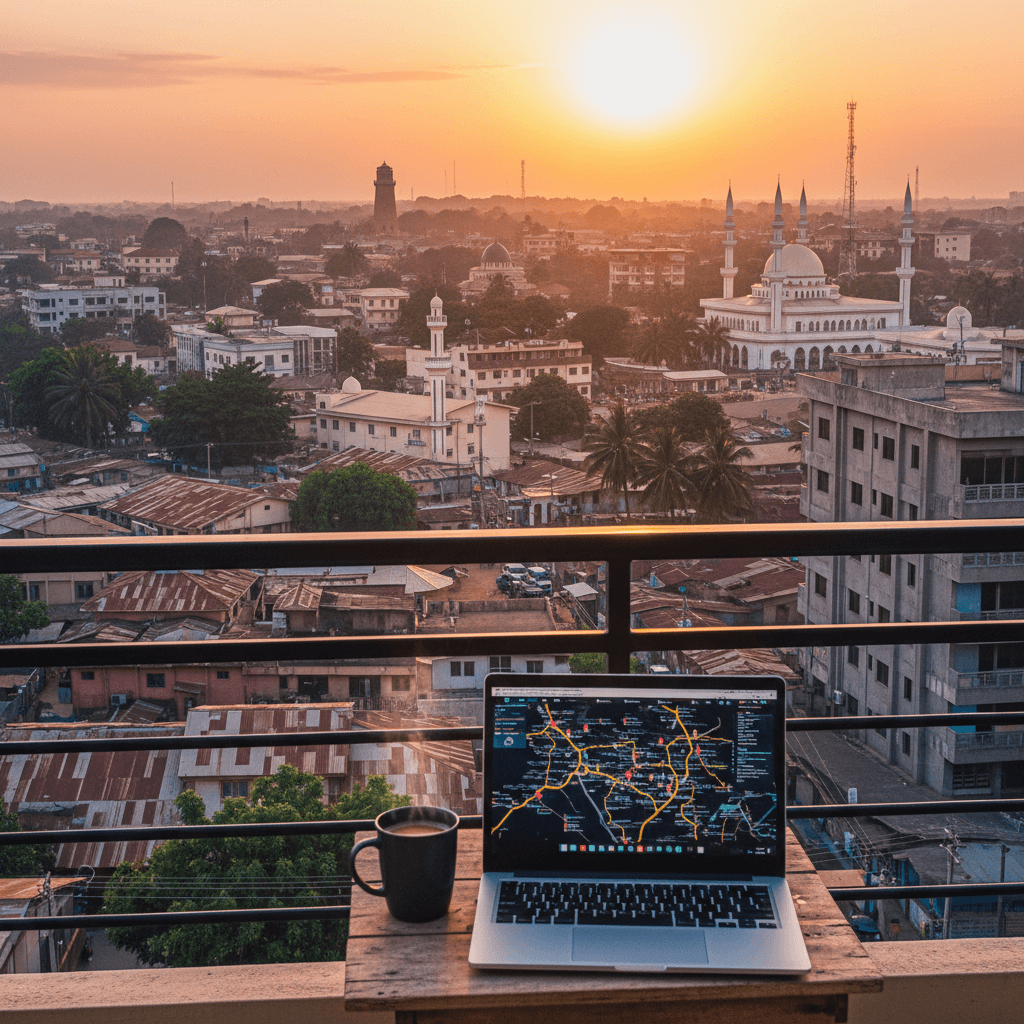
Ibadan
🇳🇬 Nigeria