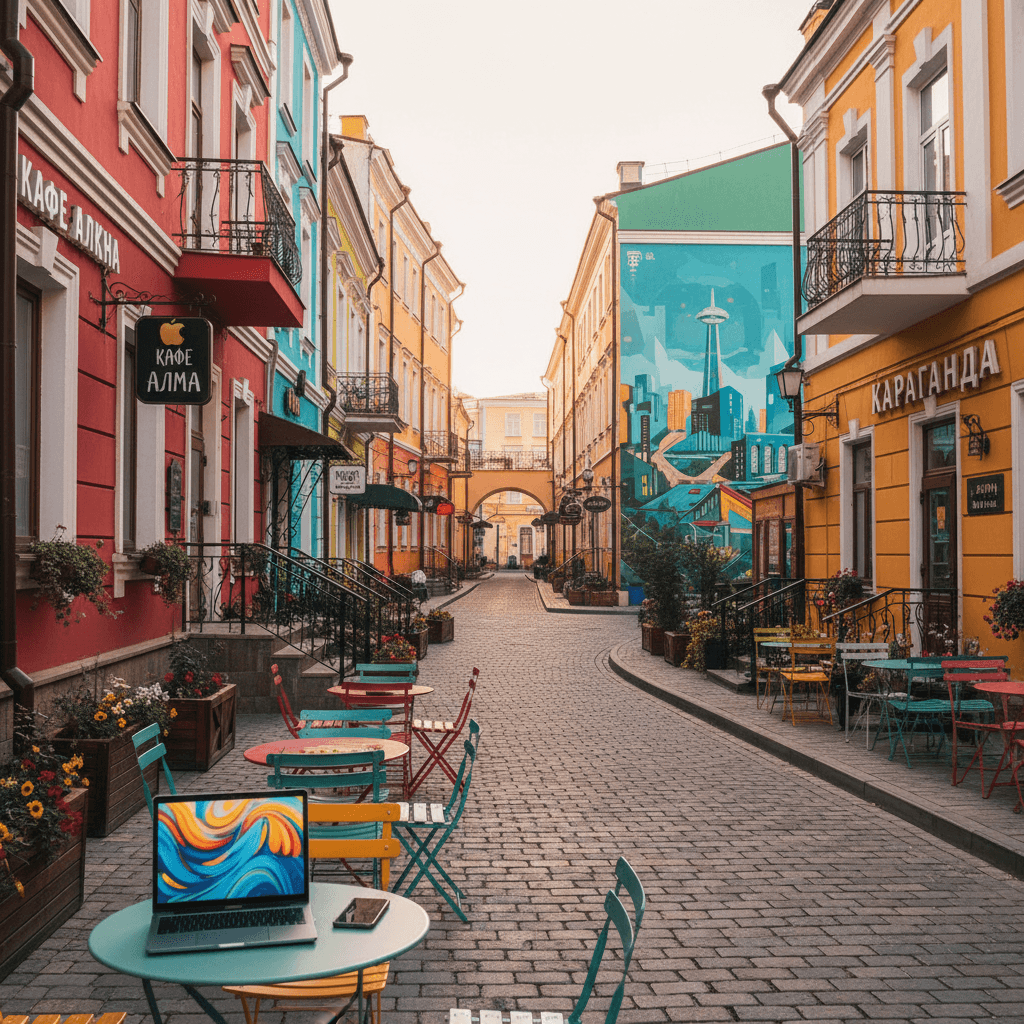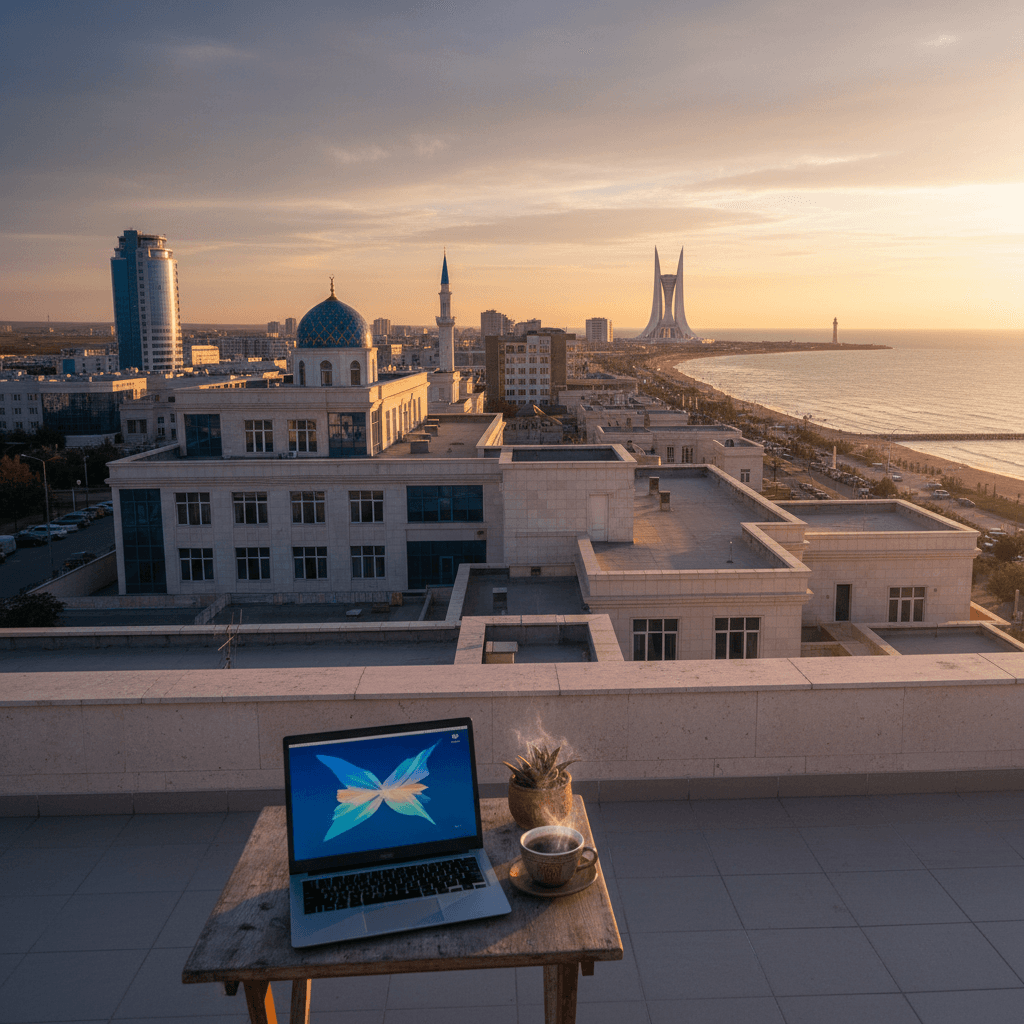
Aktau
🇰🇿 Kazakhstan
The Industrial Oasis on the Caspian
Aktau isn't your typical digital nomad retreat. While Almaty offers mountain views and a European cafe culture, Aktau feels like a frontier town built on the edge of the world. It is a city where the stark, arid Mangystau desert meets the turquoise expanse of the Caspian Sea. You’ll find Soviet-era blocks standing alongside shiny new developments funded by the oil and gas industry, creating a vibe that is simultaneously gritty, ambitious, and surprisingly laid back.
The city was originally built from scratch in the 1960s, and that history shows in its unique layout. There are no street names here, only numbered micro-districts. It feels like living inside a giant grid, but once you get used to telling a taxi driver you're going to Micro-district 7, it becomes remarkably easy to navigate. The pace of life is slower than in the capital, and the air carries a constant salt tang from the sea.
The Coastal Vibe
The heart of the Aktau experience is the Rock Path, a scenic walkway carved into the cliffs along the Caspian. In the evenings, the entire city seems to migrate here. You'll see families strolling, teenagers on scooters, and expats taking in sunsets that turn the sky a deep, bruised purple. It is the one place where the industrial weight of the city lifts, replaced by a genuine resort feel.
Expats often describe Aktau as a "work hard, play hard" environment. During the day, it's all business, driven by the port and the energy sector. By night, the small but dedicated social scene centers around a few key pubs and hotel bars where English is the lingua franca. It’s a tight-knit community; if you stay for more than a week, you'll start recognizing the same faces at the local coffee shops.
Living Costs & Practicalities
Your money goes a long way here, especially compared to Western hubs or even Almaty. A comfortable lifestyle usually costs between $800 and $1,200 per month. While there aren't dedicated coworking spaces yet, the city's growing cafe culture provides plenty of spots to post up with a laptop for the afternoon.
- Monthly Rent (1BR): Expect to pay between $400 and $600 for a modern apartment in a newer micro-district like 17 or 19.
- Local Transport: A bus ride costs about ₸120 ($0.25). Most nomads rely on the Yandex Go app for cheap, reliable car rides across the grid.
- Dining: A mid-range meal at a local spot like Barashek will run you about $15 to $20, while street food and local stalls are significantly cheaper.
- Connectivity: Mobile data is incredibly cheap. Pick up a Beeline or Tele2 SIM card at the airport or any mall; 50GB of data usually costs less than $15.
Why Nomads Choose Aktau
Most travelers come here for the isolation. It is a base for exploring the otherworldly landscapes of the Mangystau region, like the Bozjyra chalk towers or the underground mosques. For a digital nomad, Aktau offers a safe, affordable, and quiet environment to focus on deep work, punctuated by weekend expeditions into some of the most dramatic desert scenery on the planet.
The infrastructure is improving rapidly. With the new Neo Nomad Visa requiring a monthly income of $3,000, the government is clearly signaling they want more remote workers. While you won't find a massive nomad community here yet, you will find a city that feels like a genuine discovery, far removed from the overcrowded digital nomad trails of Southeast Asia or Europe.
The Price of Caspian Coastal Living
Aktau is where Kazakhstan's industrial muscle meets a surprisingly laid back seaside atmosphere. While Almaty grabs the headlines, Aktau serves as a budget friendly alternative for those who want their morning coffee with a view of the Caspian Sea. It is generally cheaper than the former capital, largely because it lacks the high end international infrastructure found in the mountains. You can live a very comfortable life here on a budget that would barely cover rent in Western Europe.
Most nomads find that a monthly budget of $1,000 to $1,200 covers a high quality of life, including a modern apartment and frequent dining out. If you are willing to live like a local, eating regional produce and using public transport, you can easily get by on $800. The city is driven by the oil industry, so while basic goods are cheap, imported luxuries can carry a premium.
Monthly Budget Breakdown
- Budget Tier: Under $800. This involves renting a modest apartment in the older microdistricts, cooking at home, and sticking to local buses.
- Mid-Range Tier: $800 to $1,500. This is the sweet spot. You will get a renovated one bedroom apartment near the waterfront, eat out daily, and use Yandex Go for most trips.
- Comfortable Tier: $1,500+. This covers luxury high rise living in the newer northern districts, upscale seafood dinners, and weekend trips into the Mangystau desert.
Housing and Neighborhoods
Aktau is unique because it doesn't use traditional street names. Everything is organized by microdistricts. Expats and nomads usually gravitate toward the lower numbered microdistricts, specifically Microdistricts 1, 4, 5, and 7, because they are closest to the sea and the walking promenade. Expect to pay between $400 and $600 for a modern, well furnished one bedroom apartment in these areas.
If you want something newer and don't mind being further from the water, look at Microdistricts 14 through 17. These areas have seen massive development recently. Rent here might be slightly lower, around $350 to $500, but you will rely more on taxis to get to the city center. For searching, locals use the Krisha.kz app, which is the gold standard for real estate in Kazakhstan.
Food and Dining
Eating out is one of the biggest perks of living here. A solid lunch at a local cafe will run you about $5 to $7. If you are heading to a mid range restaurant for dinner, expect to pay around $15 to $20 including a drink. Because of its location, seafood is more prevalent here than in the rest of the country, though traditional Kazakh meat dishes still dominate the menus.
- Local Beer: $1.50 to $3.00
- Cappuccino: $2.00 to $3.50
- Street Food (Doner/Samsa): $1.50 to $2.50
- Monthly Groceries: $200 to $300
Transport and Connectivity
Getting around is incredibly cheap. The city is relatively compact, so many nomads find the central areas walkable during the spring and autumn. For everything else, the Yandex Go app is your best friend. A typical ride across town rarely exceeds $2 or $3. If you want to go full local, the bus system is efficient and costs only 120 tenge, which is about $0.25. You can pay using the Onay app, which is the same system used in Almaty.
Internet is generally reliable and fast enough for video calls, typically hovering around 50 Mbps. A local SIM card from Beeline or Tele2 with a generous data package will cost you less than $10 a month. While Aktau doesn't have a massive coworking scene yet, many nomads work from the growing number of modern cafes along the waterfront that offer free, stable Wi-Fi.
Practical Perks
The Neo Nomad Visa is the big news for 2025. It allows you to stay for a year if you can prove a monthly income of $3,000. While the income requirement is high compared to the local cost of living, it provides a legal, hassle free way to base yourself by the Caspian. If you are in IT, look into the B9-1 visa through the Astana Hub, which can offer even longer residency options without the steep income floor.
Aktau is unlike any other city in Kazakhstan. It doesn't have street names; instead, the entire city is divided into numbered micro-districts. While it lacks the massive nomad infrastructure of Almaty, its position on the Caspian Sea makes it an intriguing, affordable base for those who want a coastal pace without the Mediterranean price tag. You can live comfortably here for $800 to $1,200 a month, depending on how much you prioritize a sea view.
For Digital Nomads: The Coastal Core (Micro-districts 1, 4, and 5)
If you're working remotely, you want to be near the waterfront. The older micro-districts like 1, 4, and 5 sit right on the Caspian shore. This is where you'll find the best walkability and the most reliable internet connections. Most nomads here rely on 4G routers or tethering from Beeline or Tele2, as dedicated coworking spaces are still hard to find. Instead, you'll likely spend your afternoons at Costa Coffee or local cafes along the promenade.
- The Vibe: Relaxed, breezy, and slightly nostalgic. You're steps away from the "Rock Path" walking trail.
- Rent: Expect to pay $450 to $650 for a renovated one-bedroom apartment with a view.
- Connectivity: Average speeds hover around 50 Mbps, but it's consistent enough for Zoom calls.
For Expats: The Modern Upper City (Micro-districts 14, 15, and 17)
Expats, particularly those connected to the oil and gas industry, tend to gravitate toward the newer developments in the northern part of the city. These areas feel more like a modern suburb, with better grocery stores and newer building complexes. It's less "classic Kazakhstan" and more "functional modernism."
Since the city is small, you can get anywhere in about 10 to 15 minutes using the Yandex Go app. Rides within the city rarely cost more than $2 or $3. This area is quieter at night, which is a plus if you're not looking for the limited nightlife Aktau offers.
- Housing: Newer builds with modern elevators and better insulation against the harsh Caspian winds.
- Amenities: Close to the Aktau Mall and larger supermarkets like Dina.
- Social: This is where you'll find more English speakers and professional expats.
For Families: The Green Zones (Micro-districts 7 and 9)
While Aktau is a desert city, micro-districts 7 and 9 are some of the most established and offer a bit more greenery and playground space. These areas are central, making it easy to reach schools or medical clinics. The cost of living remains very low; a family of four can eat a high-quality meal at a mid-range restaurant for under $40.
- Safety: Generally very safe with a strong community feel. Crime is low, and children often play in the courtyards until late in the evening.
- Facilities: High concentration of pharmacies and small "magazin" shops for daily essentials.
- Transportation: Very easy access to the city bus lines, which cost roughly $0.22 per ride.
For Solo Travelers: The Central Hub (Micro-districts 11 and 12)
If you're in Aktau for a short stint and want to be in the middle of everything, look at micro-districts 11 and 12. This is the city's functional heart. You're midway between the beach and the major shopping centers. It's the best spot for solo travelers who want to save on rent while staying close to the action.
- Budget: You can find older but clean apartments here for $300 to $400 a month.
- Food Scene: Best access to local shashlik spots and affordable Turkish-style eateries.
- Convenience: Most banks and administrative offices are within a short walk or a very cheap taxi ride.
A pro tip for any neighborhood: download the 2GIS app immediately. Because there are no street names, 2GIS is the only way to navigate the micro-district system accurately. Also, keep in mind that water quality can vary; most long-term residents and expats use bottled water or high-end filtration systems regardless of which neighborhood they choose.
The Connectivity Reality
Aktau isn't Almaty. You won't find a sprawling network of dedicated coworking spaces here, but the city makes up for it with reliable infrastructure. Since it serves as a major hub for the oil and gas industry, the internet is surprisingly stable. You can expect average speeds around 50 to 60 Mbps on standard fiber connections, which is plenty for video calls and heavy uploads.
Mobile data is the real hero in western Kazakhstan. 4G coverage is consistent throughout the city center and the coastal strips. Most nomads pick up a SIM card from Beeline or Tele2 immediately upon arrival. For about $10 to $15 a month, you can get a generous data package that usually includes unlimited social media usage. It's smart to have a backup hotspot if you're planning to work from the beach areas where the signal can occasionally dip.
Coworking and Quiet Corners
Formal coworking spaces are rare in Aktau, as the local professional culture still leans toward traditional offices or working from home. However, the city is seeing a rise in "work-friendly" environments. Many remote workers gravitate toward the larger hotels or modern business centers near the waterfront for a professional atmosphere.
- Grand Hotel Victoria: While primarily a hotel, the lobby and business lounge areas are frequently used by consultants and remote workers. It's quiet, has reliable Wi-Fi, and the coffee is decent.
- Renaissance Aktau: Another solid backup for those days when you need a high-end environment. The public spaces are comfortable for a few hours of laptop time, though you'll pay a premium for snacks.
- Caspiy Business Center: If you're staying long-term, check here for serviced office rentals. They occasionally have flexible desks, though it feels more corporate than "nomad chic."
The Cafe Office Scene
Since dedicated desks are hard to find, the local cafe scene is where most of the work happens. Kazakh hospitality is legendary, so as long as you're ordering food or drinks, most staff won't mind if you stay for a few hours. Just be sure to bring a universal power adapter, as older buildings might still use varied socket types, though the standard European two-pin plug is the norm.
- The Social: This is a favorite for the younger, tech-savvy crowd. It has a modern interior, plenty of power outlets, and a menu that ranges from local tea to western style brunch.
- Traveler's Coffee: A reliable chain found across Kazakhstan. It's predictable, has decent Wi-Fi, and the staff is used to people sitting with laptops for extended periods.
- Local Bakeries: Smaller spots in the 14th or 15th micro-districts are great for early morning deep-work sessions before the lunch rush hits.
Practical Tech Tips
Getting around and staying connected requires a few specific tools. Download the Onay app immediately; it's the standard for public transport and makes navigating the micro-district system much easier. For ride-hailing, Yandex Go is the gold standard here. It's incredibly cheap, with most cross-city rides costing under $3.
If you're planning to stay for more than a month, look into the Neo Nomad Visa. It requires a monthly income of $3,000, but it gives you a legal year-long runway to explore the Caspian coast. For those in the IT sector, the B9-1 residency through the Astana Hub is an even better deal, often waiving the strict income requirements if you're part of their ecosystem. Just remember that you'll need to secure an IIN (Individual Identification Number) at a local Public Service Center (Tson) to access most local digital services and banking apps.
Most nomads find that while Aktau requires a bit more self-reliance than the big hubs, the low cost of living and the view of the Caspian Sea make the extra effort worth it. Just don't expect a community manager to hand you a welcome beer; you'll be making your own way here.
Safety in the Sea City
Aktau is generally a safe, low-stress environment for travelers and remote workers. Unlike the frantic pace of Almaty, this is a port town where the vibe is industrial but relaxed. Violent crime is rare, and you can comfortably walk most central areas after dark. Most locals are welcoming, though the city has a rugged, "oil town" edge that might feel a bit stoic at first glance.
Petty theft like pickpocketing isn't a massive issue here, but it pays to stay alert in crowded markets or near the port zones. The biggest safety concern for nomads isn't crime; it's the environment. The Caspian coast can experience sudden, intense winds, and the summer heat often climbs above 40°C. If you are heading out into the Mangystau desert for a weekend trip, never go without a local guide or a GPS-equipped 4x4. Getting lost in the steppe is a much more real danger than getting mugged in the city.
- Emergency Number: Dial 103 for medical emergencies or 112 for general rescue services.
- Walking: Stick to the seaside promenade (the "Skala" trail) at night, which is well-lit and popular with families.
- Scams: Be wary of unofficial taxis at the airport. Use the Yandex Go app to book rides so the price is fixed and the driver is tracked.
Healthcare and Medical Facilities
The healthcare system in Aktau is functional but limited compared to the capital. For minor issues like a cold or a light stomach bug, you'll find plenty of "Apteka" (pharmacies) on almost every block. Many are open 24/7 and stock common international brands, though the packaging will be in Russian or Kazakh. Use Google Translate to show the pharmacist the active ingredients you need.
If you need a doctor, expats typically prefer private clinics over government hospitals to avoid long waits and language barriers. English-speaking staff are rare, so having a local friend or a translation app ready is a must. For anything serious or surgical, most nomads choose to fly to Almaty or even Istanbul, as Aktau's specialized facilities aren't quite up to international "gold standards" yet.
Recommended Clinics and Health Tips
- Sofie Med Group: This is often the go-to private medical center for foreigners. It is modern, well-equipped, and generally offers a higher standard of care for diagnostics and consultations.
- Dental Care: Private dental clinics in Aktau are surprisingly affordable and high quality. A standard cleaning or filling usually costs between $30 and $60.
- Water Safety: Do not drink the tap water. Aktau relies on desalinated seawater, which is fine for showering but can be hard on your stomach. Stick to bottled water, which costs about $0.50 for a large bottle.
Insurance Requirements
If you are applying for the Neo Nomad Visa, you must show proof of health insurance that covers you within Kazakhstan. Even if you are just visiting on a standard tourist entry, don't skip this. A policy that includes medical evacuation is smart given Aktau's remote location on the edge of the desert. Most nomads find that basic international plans from providers like SafetyWing or World Nomads work perfectly here and satisfy the visa requirements.
Keep a digital copy of your insurance policy and your IIN (Individual Identification Number) on your phone. If you stay long-term, getting an IIN is one of the first things you'll do, and it makes registering at private clinics much smoother.
The Logistics of Getting Around
Aktau is a city built on a grid of numbered micro-districts rather than named streets. This can be confusing for newcomers, but once you realize the address is literally just three numbers (micro-district, building, and apartment), it becomes surprisingly efficient. The city is relatively compact and centered along the Caspian coastline, making it much more manageable than the sprawling chaos of Almaty.
Public Buses and the Onay App
The backbone of local transit is the bus system. It is incredibly cheap, with fares usually sitting around 120 KZT (roughly $0.22). To ride like a local, you need to download the Onay app. You can link your card to the app and pay by scanning a QR code inside the bus. It saves you from fumbling with small change and is the standard across major Kazakh cities now.
- Pros: Extremely budget friendly and covers most micro-districts.
- Cons: Buses can get crowded during peak oil industry shift changes and rarely have air conditioning that stands up to the 40°C summer heat.
Ride-Hailing and Taxis
For most nomads, Yandex Go is the go-to lifesaver. It works exactly like Uber or Bolt. You see the price upfront, the driver follows a GPS, and you can link your international credit card so there is no language barrier regarding the fare. A typical ten minute hop across town usually costs between 600 and 1,000 KZT (around $1.25 to $2.10).
You might still see people standing on the curb with their arms out. This is the old school way of "gypsy taxis" where private citizens pick up passengers for a small fee. While it is a local quirk, it is generally better for expats to stick to the app for safety and price transparency.
Walking and Cycling
If you stay near the waterfront, Aktau is surprisingly walkable. The city has invested heavily in the Caspian Sea Promenade, a long stretch of paved walkway that is perfect for a morning run or a sunset stroll. Many nomads choose apartments in the 7th, 9th, or 14th micro-districts specifically because they can walk to the beach and local cafes without needing a car.
Cycling and electric scooters have started to appear, but the infrastructure is still catching up. The promenade is great for wheels, but the inner city roads can be dusty and the curbs are often high, making a bike commute more of an adventure than a convenience.
Getting to and from the Airport
Aktau International Airport (SCO) is about 25 to 30 kilometers outside the city center. There is no reliable train or dedicated shuttle bus for nomads arriving late at night. Your best bet is Yandex Go, which will cost about 3,500 to 5,000 KZT (roughly $7 to $10). If you take a taxi from the official stand at the curb, expect to pay a "tourist premium" unless you are a master negotiator in Russian.
Regional Travel
Since Aktau is geographically isolated by the desert and the sea, you won't be taking many day trips by bus to other cities. For regional exploration, like visiting the stunning underground mosques or the Mangystau desert rock formations, you will need to hire a 4x4 driver. These excursions are the highlight of living here, but they require planning and usually cost around $100 to $150 per day for a private vehicle and guide.
The Linguistic Landscape
In Aktau, your linguistic experience is a bit different than in the international bubble of Almaty. You are dealing with a bilingual environment where Kazakh and Russian are the heavy hitters. Kazakh is the state language and a source of immense national pride, while Russian remains the lingua franca for business and daily logistics. Because Aktau is a major port and oil hub, you will find a professional class that speaks some English, but don't expect the barista at a neighborhood cafe to be fluent.
Most nomads find that while they can get by with smiles and hand gestures, learning the Cyrillic alphabet is a game changer. It only takes a few hours to learn, and suddenly "РЕСТОРАН" becomes "Restaurant" and "АПТЕКА" becomes "Pharmacy." It makes reading street signs and menus in the city center much less intimidating.
Day-to-Day Communication
English proficiency is fairly low among the general population here. In your daily life, you will likely use a mix of basic Russian phrases and translation apps. Google Translate is your best friend, especially the camera feature for translating labels at the supermarket or official documents. For more accurate translations of local slang or technical terms, many expats recommend Yandex Translate, which often handles the nuances of Russian and Kazakh better than Google does.
- Kazakh: Used for official business and increasingly preferred in social settings. Phrases like "Salem" (Hello) and "Rahmet" (Thank you) go a long way in building rapport.
- Russian: Still the most practical language for navigating the city, talking to taxi drivers, and negotiating at the markets.
- English: Limited to higher-end hotels, oil industry offices, and younger locals in the tech or creative sectors.
Essential Digital Tools
Communication isn't just about what you say; it's about the apps you use. In Aktau, WhatsApp is the undisputed king. You will use it for everything from booking a haircut to messaging a landlord or joining local expat groups. If a business has a phone number listed, they almost certainly want you to message them on WhatsApp rather than calling.
For getting around without the language barrier, Yandex Go is a lifesaver. It works just like Uber or Lyft and allows you to set your destination in the app, so you don't have to explain directions to a driver who might not speak English. You can link your card directly, avoiding the awkward struggle of counting out cash in a foreign currency.
Practical Phrases for Nomads
You don't need to be fluent to have a great time in Aktau, but having a few "survival" phrases in your back pocket makes life smoother. Most locals appreciate the effort, even if your pronunciation is shaky. Focus on these basics:
- Kansha? (Kazakh): How much? (Great for market shopping).
- Schyot, pozhaluysta (Russian): The bill, please.
- Ya ne govoryu po-russki (Russian): I don't speak Russian.
- Keshiriñiz (Kazakh): Excuse me / Sorry.
If you plan on staying for the full duration of a one year Neo Nomad visa, it's worth looking for a local tutor. Prices for private language lessons are very affordable, often around $10 to $15 per hour. Not only will this help you navigate the city, but it's the fastest way to break out of the nomad bubble and actually make local friends.
The Desert Meets the Sea
Aktau is a bit of a climatic anomaly. Unlike the lush, mountain-adjacent Almaty or the wind-whipped steppes of Astana, Aktau sits in an arid desert environment right on the edge of the Caspian Sea. You get a unique mix of dry heat and coastal humidity that defines the rhythm of the city. While the rest of Kazakhstan might be shivering under heavy snow, Aktau remains relatively mild, though the desert winds can still bite when they want to.
When to Touch Down
The sweet spot for nomads is undoubtedly May to June or September to early October. During these windows, the Caspian breeze is refreshing rather than sticky, and the desert sun hasn't quite reached its peak intensity. You can actually enjoy the seaside promenades without seeking shade every ten minutes. These months are also ideal if you plan on taking weekend trips into the Mangystau desert to see the surreal rock formations of Bozzhyra, as the temperatures are manageable for hiking and camping.
The Summer Heatwave
If you visit between July and August, prepare for the heat. Temperatures frequently climb between 30°C and 40°C. The city is built for this, so you'll find air conditioning is standard in most modern apartments and cafes, but the midday sun is no joke. This is the peak season for local tourism; the beaches get crowded with families from across Western Kazakhstan, and the vibe is much more "resort town" than "industrial port." If you love swimming in the Caspian and don't mind the dry heat, it's a fun time to be there, but your productivity might take a hit during the afternoon slump.
Surviving the Winter
Winter in Aktau is significantly milder than the rest of the country. While Almaty and Astana often drop to bone-chilling negatives, Aktau usually hovers around 0°C to 5°C. It rarely snows, and when it does, it doesn't stick around for long. The real challenge is the wind. The "Khazri" wind can whip off the sea and make it feel much colder than the thermometer suggests. Nomads who stay through the winter appreciate the lack of crowds and the rock-bottom rental prices, but you'll spend most of your time in the city's growing cafe scene rather than outdoors.
Seasonal Breakdown
- Spring (April to June): The best time for exploration. Flowers bloom briefly in the steppe, and the weather is perfect for outdoor work sessions. Expect highs of 20°C to 25°C.
- Summer (July to August): Hot and dry. Great for beach lovers and evening social scenes, but the 35°C+ days require a solid AC setup.
- Autumn (September to October): A second "golden window." The sea remains warm enough for a dip well into September, and the intense heat fades into crisp, sunny days.
- Winter (November to March): Grey and windy but rarely freezing. It is the quietest time in the city, perfect for deep work and saving money on housing.
What to Pack
Layering is your best friend here. Even in the summer, the desert cools down quickly at night. You'll want light linens for the daytime and a windbreaker for those coastal evenings. If you're coming in winter, a heavy parka isn't strictly necessary like it is in the north, but a high-quality windproof jacket is a must. Don't forget high-SPF sunscreen regardless of the season; the reflection off the Caspian Sea can give you a nasty burn even when the air feels cool.
Survival Basics
Aktau isn't Almaty. You won't find a sprawling nomad community here, but you will find a rugged, coastal charm that's hard to beat if you're looking for a quiet base by the Caspian Sea. The city operates on a grid of micro-districts rather than named streets, which can be confusing at first. Most expats and better-off locals gravitate toward the 14th and 15th micro-districts. These areas sit right on the waterfront, offering the best views and easiest access to the seaside promenade.
Expect a desert climate with a salty breeze. Summers are scorching, often hitting 35 to 40 degrees Celsius, while winters are surprisingly biting due to the wind off the water. If you're sensitive to heat, aim for a spring or autumn visit when the weather is mild enough for long walks along the rocky shore.
The Cost of Living
Your money goes a long way here. While Aktau is an oil town, which can inflate prices slightly compared to inland rural areas, it remains significantly cheaper than Western Europe or the US. A comfortable lifestyle for a solo nomad usually sits between $1,000 and $1,300 per month.
- Housing: A modern one bedroom apartment in a newer micro-district near the sea will run you $450 to $700 per month. Use the Krisha.kz app to browse listings, but be ready to use Google Translate as most posters speak Russian or Kazakh.
- Dining: A mid-range dinner for two costs about $25 to $35. For a quick lunch, local spots serve up hearty portions of lagman or shashlik for under $8.
- Connectivity: A local SIM card from Beeline or Tele2 with a massive data package is roughly $10 to $15 per month.
Connectivity and Coworking
Aktau doesn't have a dedicated "nomad hub" or a dozen coworking spaces. Most remote workers here set up shop in their apartments or frequent the city's growing cafe scene. Internet speeds are generally reliable, averaging around 50 Mbps, which is plenty for video calls and uploads. If you need a change of scenery, look for cafes with decent seating in the 14th micro-district. The vibe is usually relaxed, and as long as you're ordering coffee, nobody will mind you staying for a few hours. Just bring a backup power bank, as accessible outlets can be hit or miss.
Getting Around
The city is relatively compact, but the desert heat makes walking long distances a challenge in July. Public buses are the cheapest way to move, costing about 120 Tenge (roughly $0.25) per ride. Download the Onay app to manage your fares and see routes in real time. For anything else, Yandex Go is the gold standard for ride hailing. It's affordable, reliable, and removes the need to negotiate prices with drivers. Most trips within the city center will cost you less than $3.
Visa and Logistics
Kazakhstan is becoming much more nomad friendly with its new visa options. The Neo Nomad Visa is the primary route for remote workers, requiring a monthly income of at least $3,000. If you're in the IT sector, you might look into the B9-1 visa through the Astana Hub, which offers residency without the same strict income proof. You'll need to secure an Individual Identification Number (IIN) early on to do anything official, like opening a bank account or getting a local phone contract. Most people find the process straightforward at the local Public Service Centers (TSON), though having a Russian speaker with you helps immensely.
Health and Safety
Aktau is generally very safe. Violent crime is rare, and you can walk most areas at night without worry. Healthcare in the city is functional for basic needs, but for anything major, most expats head to Almaty or even Istanbul. Make sure your travel insurance is active and covers medical evacuation just in case. Pharmacies are everywhere, usually marked by a green cross, and many are open 24 hours. While English is picking up among the younger crowd, having Google Translate with the Russian and Kazakh offline packs downloaded is a lifesaver for daily errands.
Need visa and immigration info for Kazakhstan?
🇰🇿 View Kazakhstan Country GuideHidden Gem
Worth the effort
Monthly Budget Estimates
More cities in Kazakhstan
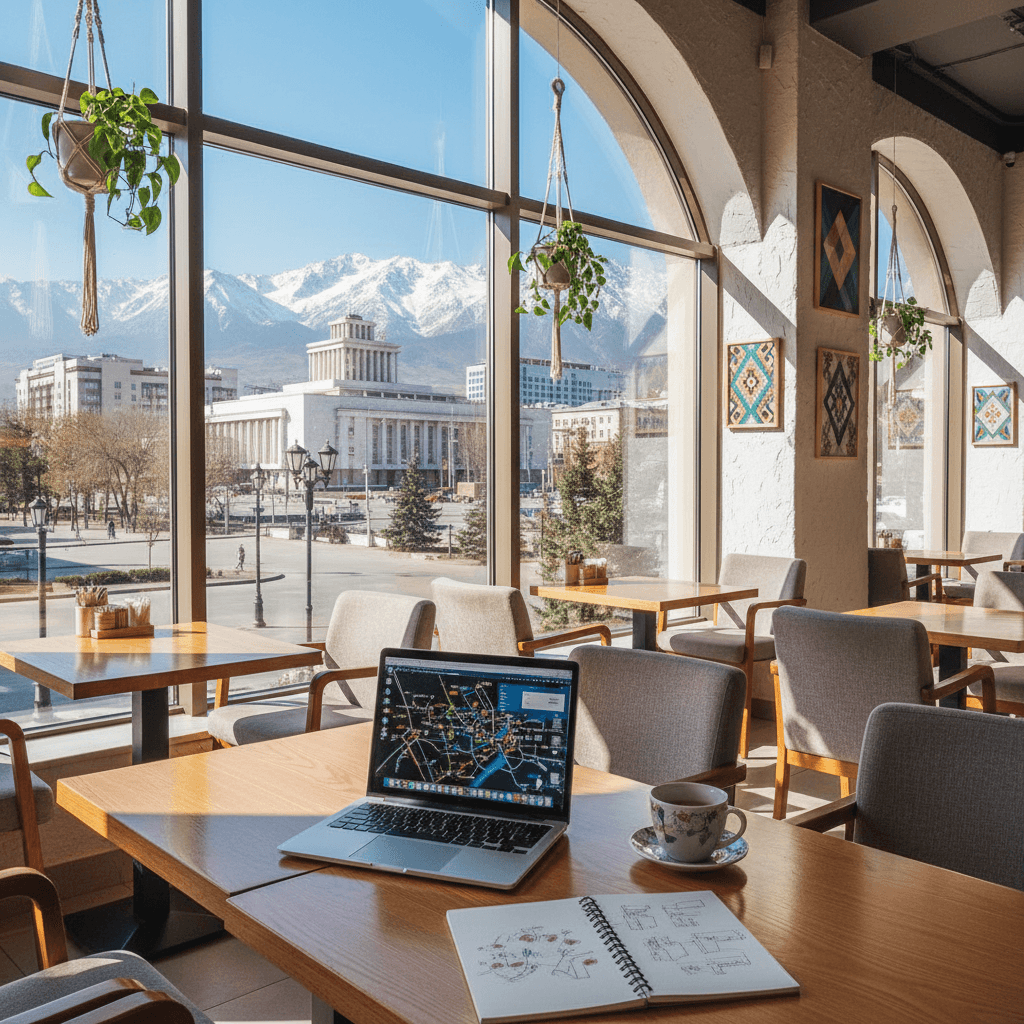
Almaty
🇰🇿 Kazakhstan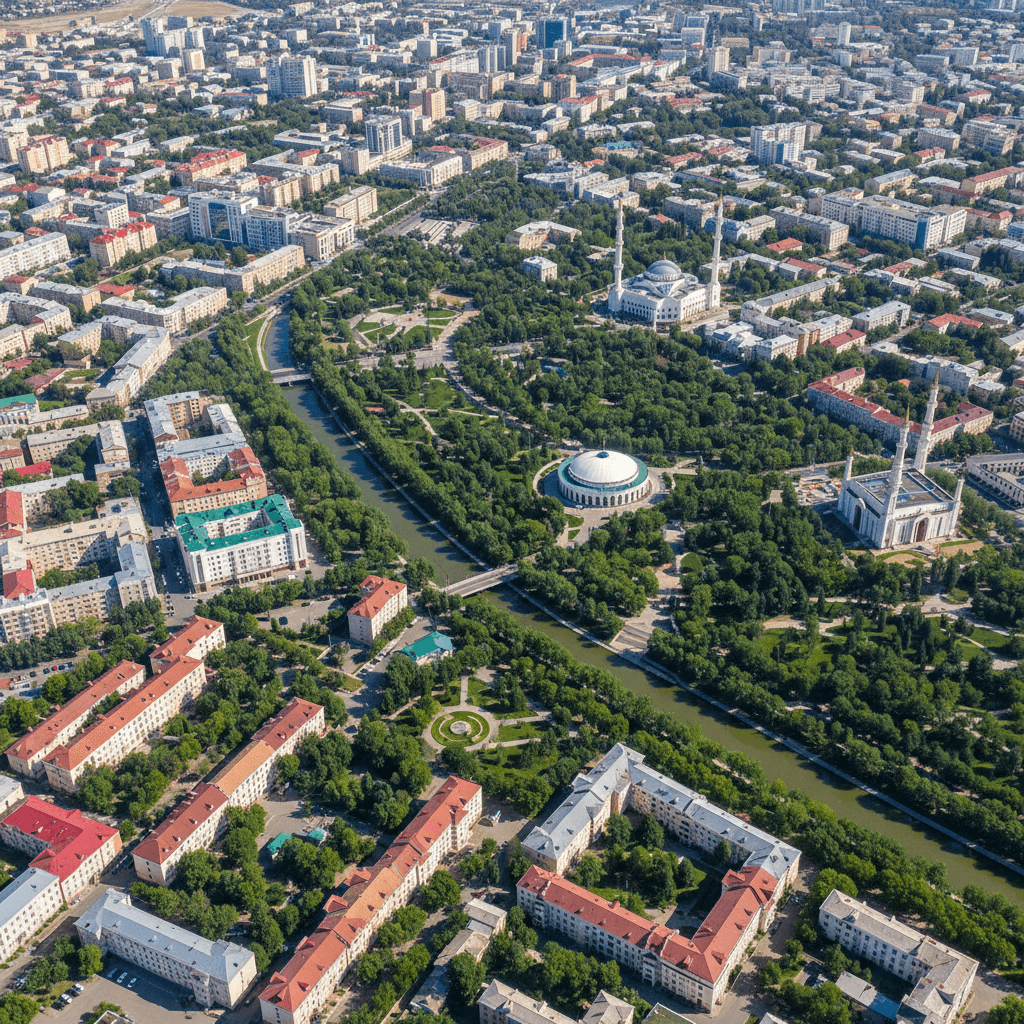
Shymkent
🇰🇿 Kazakhstan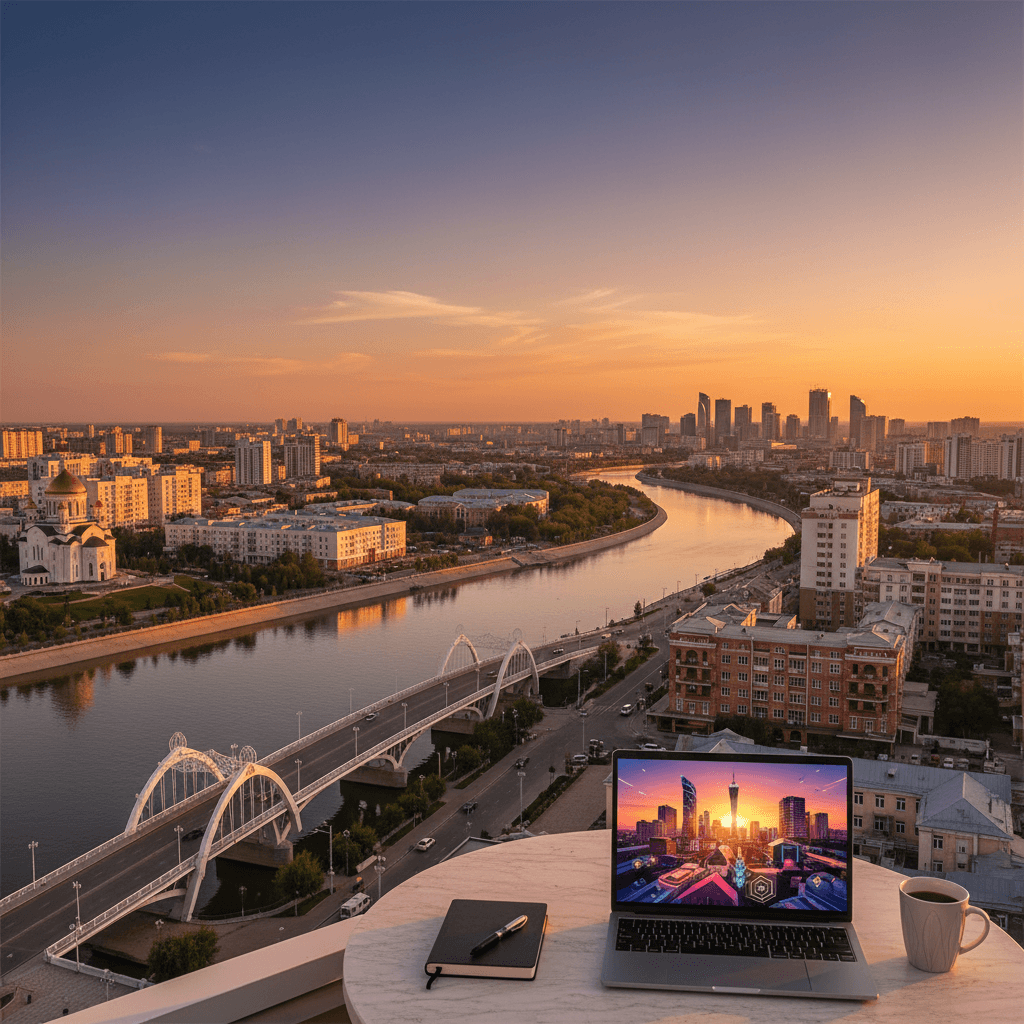
Atyrau
🇰🇿 Kazakhstan