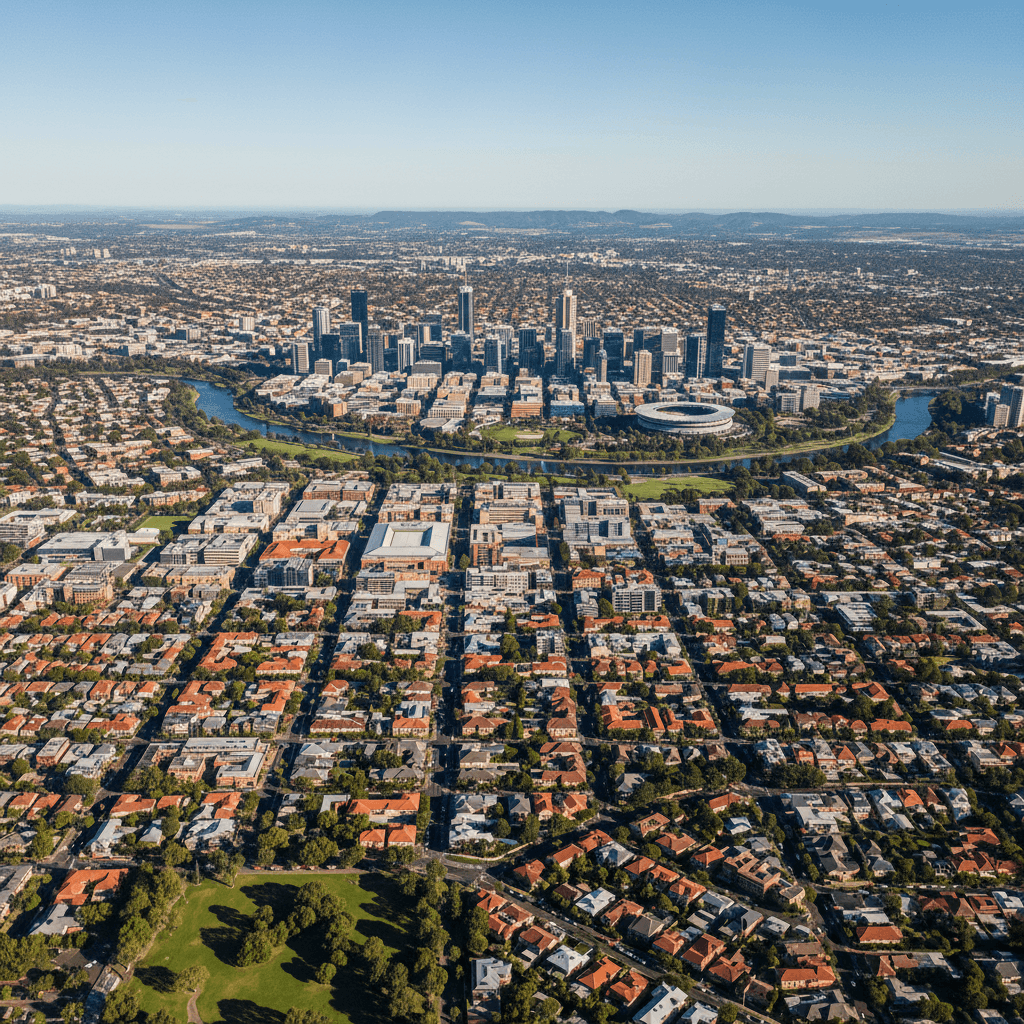
Adelaide
🇦🇺 Australia
The Slow Burn of South Australia
Adelaide doesn't try to compete with the frantic energy of Sydney or the trendy grit of Melbourne. Instead, it offers a sophisticated, quiet confidence. It feels like a city designed for people who actually want to live well rather than just survive the grind. You'll find a Mediterranean climate, a grid layout that makes it nearly impossible to get lost, and a ring of parklands that keeps the CBD breathing.
For nomads, the vibe is best described as "structured calm." It is the kind of place where you can actually stick to a routine. You'll wake up, grab a world class flat white, smash through four hours of deep work, and still have time to drive to a world class vineyard or a white sand beach before sunset. It is less about high stakes networking and more about high quality lifestyle.
What Nomads Love and Hate
The biggest draw here is the balance. You get the infrastructure of a first world capital at a price point that won't drain your bank account as fast as the East Coast cities. Expats often rave about the "20 minute city" rule; almost everything you need, from the airport to the beach to the hills, is a short trip away. The food scene is arguably the best in the country, fueled by the incredible produce coming out of the Adelaide Hills and the Barossa Valley.
On the flip side, the social scene can feel a bit insular. There isn't a massive, pre-packaged nomad community waiting to greet you at the airport. You have to put in more effort to find your people here. Internet speeds are generally adequate for most remote work, averaging around 80-120 Mbps for fixed broadband. If your job requires heavy video rendering or massive uploads, you will need to be picky about your accommodation or head straight to a dedicated coworking space.
The Cost of Living Breakdown
While cheaper than its neighbors, Adelaide isn't a "budget" destination in the Southeast Asian sense. You are paying for Australian safety, clean air, and high end amenities. Most nomads find they need between AUD 4,000 and AUD 5,500 per month to live comfortably.
- Budget Nomad: AUD 3,000 to 4,000. This covers a room in a shared house, plenty of home cooking, and using the efficient tram and bus network.
- Mid-Range: AUD 4,000 to 5,500. This gets you a private 1BR apartment in a central area, regular meals out, and a dedicated desk at a coworking space.
- High End: AUD 6,000+. Expect a luxury apartment, frequent ride-hailing with Uber, and fine dining in the CBD.
Choosing Your Base
Where you park your laptop changes your experience entirely. Most newcomers start in the CBD (Central Business District) for at least two weeks. It is walkable, packed with cafes, and keeps you close to the festival action. Rent for a central studio usually sits between AUD 1,500 and 2,500 per month.
If you prefer salt air, Glenelg is the go to coastal spot. It is connected to the city by a vintage tram and has a permanent holiday feel, though it can get crowded with tourists in the summer months. For those who want a more "local" expat feel, the Eastern Suburbs near the hills offer quiet, leafy streets and easier access to the wine regions, though you'll definitely want a car if you stay out there.
Work and Connectivity
Since home WiFi can be hit or miss, many nomads gravitate toward The Commons or similar central hubs. A monthly hot desk will set you back about AUD 350. The cafe culture is friendly toward remote workers; just look for spots with "high speed WiFi" signs. For data, skip the physical SIM hunt and grab an eSIM from Holafly or Jetpac before you land. It saves the headache of paperwork and gives you immediate connectivity for maps and Ubers.
The Seasonal Rhythm
Timing is everything in Adelaide. October to April is the sweet spot, with temperatures typically between 20 and 30 degrees Celsius. February and March are particularly electric during "Mad March," when the city hosts the Fringe Festival and the Adelaide 500. The city truly comes alive then, though accommodation prices spike. June to August is the quietest time, with cooler temps around 10 to 18 degrees and more frequent rain, which is perfect for cozying up in a cellar door in the Barossa but less ideal for beach lovers.
The Bottom Line on Budgeting
Adelaide is the quiet overachiever of the Australian coast. While Sydney and Melbourne often demand a eye watering premium, Adelaide lets you keep a significantly larger chunk of your income without sacrificing the perks of a developed city. Most nomads find they can live comfortably here for between AUD 5,055 and 5,973 per month, though your lifestyle choices will dictate where you land on that scale.
Most expats recommend budgeting based on these three tiers:
- The Budget Nomad (AUD 3,000 to 4,000): You'll likely be in a shared house or a studio on the outskirts, relying on the city's solid public transport and sticking to the legendary Central Market for groceries and cheap eats.
- The Mid-Range Professional (AUD 4,000 to 5,500): This covers a private 1BR apartment in the CBD or a cool suburb like Glenelg, regular cafe work sessions, and a few nights out at the city's high end wine bars.
- The Comfortable Expat (AUD 6,000+): You're looking at a premium apartment, frequent Uber rides, coworking memberships at spots like The Commons, and weekend trips to the Barossa Valley.
Housing and Neighborhood Costs
Rent is your biggest variable. For a central studio or one bedroom apartment, expect to pay between AUD 1,500 and 2,500 a month. If you're staying short term, Airbnb prices can spike during festival season in February and March, so book well ahead if you're arriving then.
- CBD (Central Business District): The most convenient for nomads. You're walking distance to everything, but you'll pay a premium for the location.
- Glenelg: This is the beachside favorite. It's more touristy and can get pricey in summer, but the coastal views and tram access to the city make it a top pick for solo travelers.
- The Eastern Suburbs: Places like Norwood or Burnside are quieter and greener. Rent is often more reasonable here, but you'll feel the distance from the coworking hubs.
Food, Drink, and Socializing
Adelaide is a produce powerhouse, which keeps grocery bills manageable if you shop local. A meal at a casual street food spot usually runs AUD 10 to 15, while a mid range dinner for two with wine will likely land between AUD 25 and 40 per person. If you're going for a high end experience in the East End, expect to pay AUD 60 or more.
Coffee is a non negotiable expense here. A flat white will set you back about AUD 4.50 to 5.50. Since the nomad community is smaller than in other Aussie hubs, you'll likely spend more time working from cafes like those along Leigh Street or Peel Street to stay social.
Transport and Tech Setup
Getting around is relatively painless. A monthly public transport pass costs between AUD 100 and 150, covering the trains and buses that spider out from the center. For airport runs, an Uber is usually AUD 30, though the public bus is a fraction of that at around AUD 5.
For your digital setup, don't rely solely on the public Wi-Fi, which can be spotty. Most nomads grab an eSIM from providers like Holafly or Jetpac immediately. If you need a dedicated desk, coworking spaces like The Commons start around AUD 350 a month. While the internet speeds aren't world beating, averaging 16 to 19 Mbps, they're stable enough for standard Zoom calls and remote desktop work.
The Best Neighborhoods in Adelaide
Adelaide doesn't have a massive, sprawling nomad scene like Sydney, but its compact size is its secret weapon. Most people choose their base depending on whether they want to be steps away from a flat white and a coworking desk or a short tram ride from the ocean. Because the city is known as the 20 minute city, you're never truly stuck in one spot, but picking the right home base makes a huge difference for your daily routine.
For Digital Nomads: The CBD
If you're here to work, stay in the Central Business District. It's the only part of the city that feels truly walkable and connected. You'll be close to the best coworking spots like The Commons, where memberships usually start around AUD 350 a month. Most nomads find the East End specifically attractive because it's packed with cafes that actually have decent WiFi, which can be a struggle elsewhere in town.
- The Vibe: Urban, structured, and convenient.
- Rent: Expect to pay between AUD 1,500 and 2,500 for a decent one bedroom apartment.
- Food: You're minutes from the Central Market, where you can grab a cheap AUD 12 lunch or high quality local produce.
- Pro Tip: Stick to the streets near Rundle Terrace for the best mix of evening social spots and daytime workspaces.
For Solo Travelers: Glenelg
If you want that classic Australian coastal lifestyle without the chaos of Bondi, Glenelg is where you'll find it. It's the most popular beachside suburb and is connected to the city by a vintage tram that takes about 30 minutes. Travelers often say this is the easiest place to meet people because of the high concentration of bars and backpacker energy along Jetty Road.
- The Vibe: Relaxed, tourist friendly, and breezy.
- Rent: Prices spike in the summer months (December to February), but it's generally comparable to the CBD.
- Food: Plenty of mid range options where a meal and a beer will set you back about AUD 35.
- Cons: It gets very crowded on weekends and during the peak heat of January.
For Expats and Long Termers: The Eastern Suburbs
Expats looking for a more permanent, "local" feel usually head to areas like Norwood or Kensington. These neighborhoods are leafy, quiet, and feel much more established. You'll find heritage stone cottages and wide streets, making it the perfect spot if you're planning to stay for six months or more and want a real sense of community.
- The Vibe: Sophisticated, quiet, and very "Adelaide."
- Cost: Slightly more affordable for larger spaces, though you'll likely need to navigate the local rental market via apps like Domain or Realestate.com.au.
- Transport: You'll probably want a bike or to get comfortable with the bus system, as the tram doesn't reach this far east.
For Families: North Adelaide
Separated from the city center by a massive ring of parklands, North Adelaide feels like a separate village. It's incredibly safe and offers plenty of green space for kids to run around. It's home to O'Connell Street, which is a major dining hub, so you aren't sacrificing amenities for the sake of peace and quiet.
- The Vibe: Upscale, green, and family oriented.
- Safety: This is one of the highest rated areas for safety and healthcare access, with several clinics and pharmacies within walking distance.
- Commute: It's a very quick 5 to 10 minute bus ride or a 20 minute walk through the parks into the city center.
No matter where you land, remember that Adelaide's internet speeds average around 16 to 19 Mbps. If your work requires heavy uploading, check the connection at your specific apartment before signing a long term lease. Most travelers recommend starting with a two week Airbnb in the CBD to get your bearings before committing to a neighborhood.
The Connectivity Reality Check
If you're coming from a hyper-connected hub like Seoul or Singapore, Adelaide requires a bit of a mental shift. Average fixed broadband speeds are around 80-120 Mbps, which is plenty for Zoom calls and standard cloud work, but might feel sluggish if you're pushing heavy 4K video files all day. Most nomads find that while home internet in short term rentals can be hit or miss, the city infrastructure is reliable enough that you won't suddenly go dark mid-meeting.
The trick to staying productive here is diversity. Don't rely solely on your Airbnb wifi. Expats usually grab an eSIM from Holafly or Jetpac as soon as they land to ensure they have a stable 5G backup. Mobile data in the CBD is often faster than the fixed line connections in older suburban houses.
Where to Get Work Done
The coworking scene in Adelaide is professional and growing, though it's more "business casual" than the tech-bro vibe you'll find in Sydney. Hub Adelaide at 60 Halifax St is a heavy hitter here, offering a polished environment with hot desks starting around $330-380 per month. It's the go-to for those who need a dedicated desk and a community that actually talks to each other during coffee breaks.
For a more local feel, travelers often head to these spots:
- WOTSO Adelaide: Known for its flexible "drop-in" culture, it's great if you don't want to commit to a full month right away.
- State Library of South Australia: If you're on a budget, the library offers free wifi and some of the most stunning "office" views in the country. It's quiet, free, and right in the heart of the city.
Cafe Culture and Laptop Etiquette
Adelaide has a massive cafe culture, and most owners are relaxed about nomads staying for an hour or two if you're buying coffee and food. You won't find many "No Laptops" signs here yet, but it's good form to avoid the lunch rush between 12:00 PM and 2:00 PM. The CBD and the hip pockets of the Eastern suburbs are packed with spots that have decent wifi and plenty of power outlets.
Nomads recommend checking out the cafes along Peel Street or Leigh Street for a morning session. The coffee is world-class, usually around $5 AUD for a flat white, and the atmosphere is energetic without being distracting. Just keep in mind that many smaller suburban cafes might not have public wifi, so having that local SIM card is a must for tethering.
Data and Logistics
Setting up your tech stack is straightforward. Since there's no specific digital nomad visa, most remote workers enter on a Visitor Visa, which allows for light remote work while you explore. You can pick up a local SIM at the airport or any convenience store, but most long-termers prefer the convenience of an eSIM to keep their home number active for 2FA banking codes.
Pro Tip: If you're planning on working late, be aware that Adelaide "shuts down" earlier than other major cities. Many cafes close by 4:00 PM, so if you're on a US or European time zone, you'll likely be doing your heavy lifting from your apartment or a 24-hour coworking space rather than a local bistro.
Staying Healthy in the Festival City
Adelaide is arguably one of the safest bets for digital nomads in the Southern Hemisphere. It doesn't have the grit of larger capitals, and most expats find the city feels more like a collection of connected villages than a frantic metropolis. You can walk through the CBD or along the River Torrens at night without much worry, though it's always smart to keep your wits about you in the quieter parts of the West End after dark.
The healthcare system here is world-class, but as a nomad, you'll likely be interacting with it as a private patient. Australia uses a system called Medicare, but unless your home country has a reciprocal healthcare agreement, you'll be paying out of pocket and claiming it back through your travel insurance. A standard GP visit usually costs between $80 and $120 AUD. If you need a script filled, pharmacies like Chemist Warehouse are everywhere and offer the most competitive prices on basics.
- Emergency Services: Dial 000 for police, fire, or ambulance. It's the only number you need to know.
- Royal Adelaide Hospital (RAH): This is the main state-of-the-art facility located right in the CBD. It's the go-to for any serious emergencies.
- After-Hours Care: If you're sick at 10 PM and it's not an emergency, look for "13SICK" (National Home Doctor Service). They can actually send a doctor to your Airbnb or hotel.
Safety on the Ground
The biggest "danger" in Adelaide isn't crime, it's the environment. If you're heading out to the Adelaide Hills for a hike or visiting the Barossa Valley in the height of summer, the heat is no joke. Temperatures regularly north of 35°C (95°F) mean hydration isn't optional. Local travelers always recommend downloading the Alert SA app during the summer months to stay updated on bushfire risks, especially if you're staying on the city fringes.
Solo travelers often mention how approachable the locals are. If you look lost with a map or a phone, someone will likely ask if you're doing alright. While there aren't any "no-go" zones, some areas around the outer northern suburbs can feel a bit rougher around the edges, but they aren't places a typical nomad would end up staying anyway. Stick to the CBD, North Adelaide, or coastal Glenelg and you'll find the vibe consistently chilled.
Nomad Essentials for Peace of Mind
Since Australia doesn't have a specific digital nomad visa yet, most people enter on a Visitor Visa (Subclass 600). This allows you to stay for up to 12 months and perform remote work for your employer back home. Just make sure your health insurance specifically covers "remote work" and not just "leisure travel" to avoid any headaches with claims.
- Tap Water: It's perfectly safe to drink. Adelaide water used to have a reputation for tasting a bit "mineral-heavy," but modern filtration has fixed that. Save your money and skip the bottled stuff.
- Sun Protection: The UV index in South Australia is notoriously high. Expats quickly learn that "Slip, Slop, Slap" (shirt, sunscreen, hat) is a lifestyle, not just a slogan.
- Digital Security: Public WiFi in cafes is generally safe, but using a VPN is standard practice here, especially since internet speeds in Adelaide average a modest 16-19 Mbps.
Overall, your biggest concern in Adelaide will likely be a bit of sunburn or a slow connection during a Zoom call. It's a city designed for a high quality of life, and that extends to how well they look after people, whether you're there for a week or a year.
Getting Around the City of Churches
Adelaide is often called the 20 minute city, a nickname it mostly lives up to. The layout is a grid surrounded by a ring of parklands, making it one of the easiest Australian capitals to navigate without a car. Most nomads find that if they stay central, they rarely need to look at a map after the first three days.
The Public Transport System
The city uses the Adelaide Metro system, a coordinated network of buses, trains, and trams. To use it, you'll need a metroCARD, which you can buy at most newsagents or the main railway station. You can also tap on with a credit or debit card on buses and trams for a standard fare, though a physical card is better for managing long term passes.
- Monthly Pass: Expect to pay between AUD 100 and AUD 150 for unlimited travel.
- The Free Zone: There is a free tram zone within the CBD that runs between the South Terrace and the Entertainment Centre. It's perfect for jumping between coworking spaces and cafes without spending a cent.
- The O-Bahn: If you're staying in the northeastern suburbs, you'll likely use this unique guided busway. It's incredibly fast, bypassing standard traffic on dedicated tracks.
Airport Transfers
Getting from Adelaide Airport (ADL) to the CBD is straightforward. Since the airport is only about 6 kilometers from the center, you won't be stuck in transit for long. Travelers usually choose between two main options:
- Ride-hailing: Uber is the dominant player here. A trip to the CBD typically costs around AUD 30 depending on the time of day.
- Public Bus: The J1 and J2 JetExpress buses run frequently. It’s a cheap way to get in, costing around AUD 4 to AUD 6 for a single trip.
Cycling and Scooters
The flat terrain makes Adelaide a dream for cyclists. The city has invested heavily in dedicated bike lanes, and the parklands offer scenic routes that keep you away from cars. For shorter hops, Beam and Neuron e-scooters are scattered across the CBD and inner suburbs. You just download the app, scan the code, and go. It’s a popular choice for nomads moving between sessions at The Commons and lunch spots in the East End.
Walking the CBD
If you're living in the CBD, your best transport is a solid pair of sneakers. The city is highly walkable, and the grid system means it’s almost impossible to get lost. Most expats recommend walking through the Adelaide Botanic Garden or along the River Torrens if you want to clear your head between deep work blocks. It’s a predictable, structured way to get around that suits a steady remote work routine.
Ride-Hailing and Car Rentals
While public transport is efficient for daily commutes, you’ll want a car for weekend trips to the Barossa Valley or McLaren Vale. Within the city, Uber and 13cabs are reliable. If you're heading out to the hills, local nomads suggest using car sharing apps like GoGet or Uber Carshare for a few hours rather than dealing with traditional rental agencies at the airport.
Practical Commuter Tips
- Download the App: Use the Adelaide Metro app for real-time tracking. Buses can occasionally be early or a few minutes late, so seeing the live GPS data is a lifesaver.
- Off-Peak Savings: If you travel between 9:00 AM and 3:00 PM on weekdays, fares are significantly cheaper.
- Glenelg Tram: This is the only tram line that leaves the city. It takes you straight to the beach in about 30 minutes. It’s the go-to route for solo travelers staying in the city who want a sunset dip after work.
Communication Style
In Adelaide, the vibe is famously laid back. People are polite and generally approachable, but they value a direct communication style that isn't overly formal. You'll find that locals, often called Adelaideans, appreciate a quick "G'day" or "How's it going?" before getting down to business. It's a city where personal connections matter, so don't be surprised if your barista remembers your name after just two visits.
The local dialect is standard Australian English, though some travelers notice a slightly more British inflection in Adelaide compared to the broader accents found in Queensland or the Outback. You'll hear plenty of Aussie slang, but it's rarely thick enough to cause actual confusion. If someone tells you they're headed to the "bottle-o," they're just going to the liquor store. If they invite you for a "barbie," bring some drinks and expect a grill out.
Language and Proficiency
English is the primary language used in every professional and social setting. For digital nomads and expats, this makes the transition seamless. High proficiency is the standard here, so you won't need to worry about language barriers when setting up a bank account or signing a lease. Because of the city's multicultural makeup, you'll also hear Mandarin, Italian, and Greek spoken in pockets of the city, particularly around the Central Market area.
Most nomads find that Google Translate is more than enough for deciphering the occasional menu item or sign, though it's rarely necessary. If you're looking to connect with the local community, joining a casual sports club or a "meetup" group is a better way to bridge the gap than any language app. The city is quiet and community oriented, so showing up and being friendly goes a long way.
Staying Connected
While the city excels in lifestyle, the internet speeds are generally reliable for most remote work needs. Average fixed broadband speeds are around 80-120 Mbps, which is suitable for video calls and standard workflows. Most nomads recommend having a solid backup plan for when you are on the move.
- eSIMs: For immediate data upon arrival, nomads frequently use Holafly or Jetpac. These are easy to set up on a standard Visitor Visa and provide a safety net if your apartment Wi-Fi flails.
- Physical SIMs: If you're staying longer than a month, grab a local SIM from Telstra or Optus. You can find these at the airport or any convenience store in the CBD for about $30 to $50 AUD depending on the data cap.
- Coworking Spaces: To ensure a stable connection, many expats head to The Commons or similar hubs in the city center. Expect to pay around $350 AUD per month for a hot desk.
Practical Social Cues
Adelaideans are generally rule followers. Respecting queues at bus stops and being mindful of personal space in cafes is expected. When you're working from a cafe, it's polite to buy a fresh coffee or a snack every couple of hours if you're taking up a table. Most spots are happy to let you linger as long as you're a paying customer, and many offer high speed Wi-Fi as a standard perk.
If you're trying to meet people, don't rely solely on nomad specific apps; the community is smaller here than in Sydney. Instead, look for interest based groups. Whether it's a cycling club in the Adelaide Hills or a wine tasting group near the Barossa Valley, locals are much more likely to open up when sharing a hobby. It's a city that rewards those who take a little initiative to step outside the digital bubble.
Adelaide's Mediterranean Rhythm
Adelaide enjoys a classic Mediterranean climate that defines the city's easygoing pace. You'll find long, dry summers and cool, crisp winters that rarely get truly freezing. It's a city built for the outdoors, where the weather usually cooperates with a lifestyle centered around weekend winery trips and beach sunsets.
The sweet spot for visiting is between October and April. During these months, the city wakes up, the parks are green, and the festival calendar is packed. Temperatures usually hover between 20°C and 30°C, making it perfect for working from a cafe terrace or heading down to Glenelg after a deep-work session.
Summer: Festival Season and Coastal Vibes
From December to February, Adelaide heats up with averages around 28°C. It's dry heat, not the sticky humidity you'll find in Brisbane or Sydney, which makes it much more manageable for walking around the CBD. However, be prepared for occasional heatwaves where the mercury can spike above 40°C for a few days at a time.
- The "Mad March" Peak: While technically autumn, March is the absolute peak for the city. Between the Adelaide Fringe and the Adelaide Festival, the city stays open late and the energy is at its highest.
- Beach Days: Nomads often head to the coast during these months. Renting a place in Glenelg or Henley Beach allows you to catch the sea breeze when the inland suburbs feel like an oven.
- Sun Safety: The Australian sun is famously intense. Expats quickly learn that "slip, slop, slap" isn't just a slogan; you'll need high-quality sunscreen even on overcast days.
Autumn and Spring: The Nomad Sweet Spot
Many long-term travelers prefer the shoulder seasons of March to May and September to November. The air is mild, the light is beautiful for photography in the Adelaide Hills, and the cost of short-term rentals often dips slightly compared to the mid-summer rush.
Spring is particularly stunning when the Jacaranda trees bloom, turning the suburban streets purple. It's the best time for hiking the trails around Mount Lofty before the summer flies arrive or the winter rains make the paths muddy.
Winter: The Quiet Season
From June to August, the city slows down. Temperatures range from 10°C to 18°C, and while it doesn't snow, the dampness can make it feel colder than the numbers suggest. This is the rainiest period, though Adelaide remains one of Australia's driest capital cities.
- Indoor Productivity: Winter is a great time to buckle down on projects. Coworking spaces like The Commons become cozy hubs for the local tech and creative community.
- Winter Getaways: It's the ideal season for red wine. Expats recommend heading to the Barossa Valley or McLaren Vale, where the vineyards look moody and the cellar doors usually have a fire roaring.
- Housing Tip: Australian houses are notorious for poor insulation. If you're booking an Airbnb for July or August, check the reviews to ensure it has decent heating, or you'll find yourself working in a puffer jacket.
What to Pack
Because the temperature can drop significantly once the sun goes down, even in summer, layering is the local way of life. You'll want light linens for the daytime heat and a solid denim jacket or light sweater for the evenings. If you're visiting in winter, a waterproof shell is essential for those sudden afternoon showers.
The Nomad Reality Check
Adelaide doesn't try to be Sydney. It's the city for when you're tired of the hustle and want a routine that actually sticks. Most nomads find the pace here refreshing, though you should prepare for a bit of a "small town" feel. It’s a city of 20 minute commutes and world class wine regions right on your doorstep. While the internet isn't the fastest in the world, averaging around 16 to 19 Mbps, it's reliable enough for standard video calls and cloud work.
Budgeting for the Festival State
Your money goes further here than in the bigger eastern capitals, but Australia is never truly "cheap." For a comfortable solo nomad lifestyle, expect to spend between AUD 4,000 and 5,500 per month. This covers a nice apartment, eating out a few times a week, and a desk at a professional workspace.
- Budget Tier (AUD 3,000 to 4,000): You'll be looking at shared housing in places like Brompton or Prospect, eating mostly local produce from the Central Market, and sticking to the (excellent) tram and bus network.
- Mid-Range Tier (AUD 4,000 to 5,500): A private studio or one bedroom in the CBD, regular meals at mid-range spots on Peel Street, and a dedicated coworking membership.
- Comfortable Tier (AUD 6,000+): A high end apartment in Glenelg or the East End, frequent ride-hailing with Uber, and weekend tours through the Barossa Valley.
The Logistics of Landing
Australia doesn't have a specific digital nomad visa yet. Most remote workers enter on a Visitor Visa, which allows for stays up to 12 months. While you can't work for an Australian employer, checking emails and managing your overseas business is generally fine. For your phone, skip the physical SIM cards at the airport. Grab an eSIM from Holafly or Jetpac before you land so you're connected the second you touch down.
When it comes to finding a place to stay, apps like Domain and Realestate.com.au are the gold standard for long term rentals. If you're only staying a month or two, stick to Airbnb or search for "short term executive rentals" to avoid the intense competition of the local rental market.
Where to Set Up Your Desk
The coworking scene is concentrated but high quality. The Commons is a favorite for those who want a community vibe and professional amenities, with memberships starting around AUD 350 per month. If you prefer the cafe route, Adelaide has a strong coffee culture. Most cafes are happy for you to linger with a laptop as long as you keep the flat whites coming, though always check for "no laptop" signs during the busy lunch rush.
Getting Around and Staying Safe
The CBD is laid out in a perfect grid, making it incredibly walkable. For anything further out, the public transport system uses a tap-on system that's easy to navigate; a monthly pass will set you back about AUD 100 to 150. If you're coming from the airport, an Uber is the most convenient way to get to the center, usually costing between AUD 20 and 30.
Safety is rarely an issue here. Adelaide is consistently ranked as one of the safest cities in the region. There aren't really any "no-go" zones, though like any city, the area around the main train station can get a little rowdy late on Saturday nights. If you ever run into real trouble, the emergency number is 000.
The Social Scene
Be prepared to put in some effort to meet people. Unlike Bali or Chiang Mai, there aren't massive nomad meetups happening every night. Expats recommend joining local hobby groups or sports clubs to break the ice. The best time to be here is between October and April, when the weather is warm and the city explodes with festivals like the Adelaide Fringe. The winters from June to August are mild but can feel a bit lonely as the city goes into hibernation.
Need visa and immigration info for Australia?
🇦🇺 View Australia Country GuideHidden Gem
Worth the effort