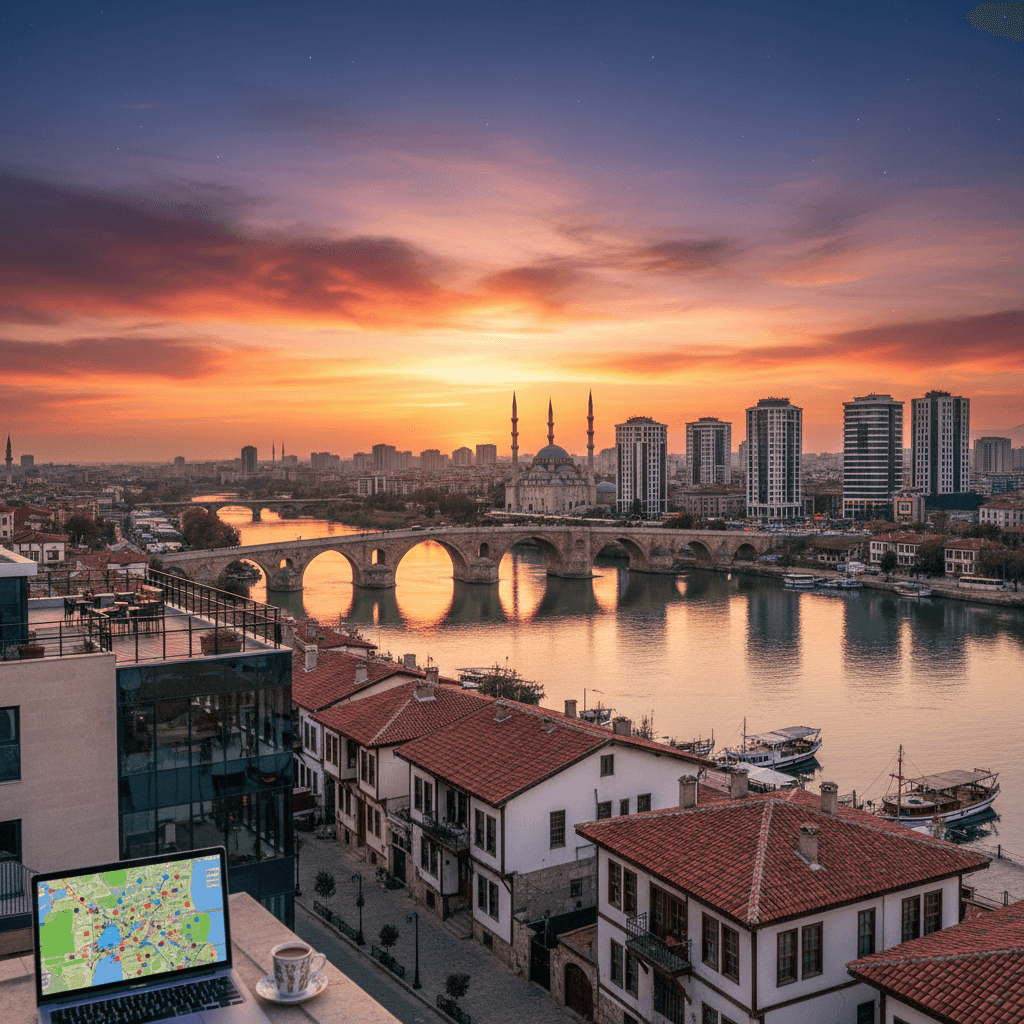
Adana
🇹🇷 Turkey
The Soul of the South
Adana isn't your typical Turkish postcard. It doesn't have the polished, European sheen of Izmir or the turquoise-tinted luxury of Antalya. Instead, this is a city of heat, smoke, and raw energy. It feels industrial and fast-paced, yet deeply traditional. You'll find ancient Roman architecture standing right next to gritty urban neighborhoods, all fueled by the scent of charcoal fires and the constant flow of strong tea.
Most nomads come here for the food, but they stay for the prices. It's one of the most affordable major cities in Turkey, with a monthly cost of living often sitting between $1,275 and $2,000. While it lacks the established expat "bubble" you'll find in Istanbul, that’s exactly the draw. You're forced to live like a local, which means shopping at neighborhood bazaars and finding your favorite corner kebab shop where the owner knows your name after two visits.
The Neighborhood Breakdown
Finding your feet in Adana usually means choosing between the old soul of the city and its modern expansion. While nomad-specific data is thinner here than in the coastal hubs, three areas stand out for remote workers.
Seyhan (The Heart)
- Best for: Walkability and authentic vibes.
- Rent: Expect to pay $400 to $700 for a decent apartment.
- The Vibe: This is the central hub. You’re close to the Stone Bridge (Taşköprü) and the best kebab houses. It can get loud and the traffic is chaotic, but you’re in the middle of the action.
Çukurova (The Modern Choice)
- Best for: Comfort and green spaces.
- Rent: Prices start around $500 for newer builds.
- The Vibe: It’s quieter, more organized, and popular with families. If you need a modern apartment with reliable elevators and proximity to shopping malls, this is the spot.
Yüreğir (The Budget Option)
- Best for: Long-term savings.
- Rent: You can find places for $300 to $500.
- The Vibe: Very residential and suburban. You’ll get a huge apartment for very little money, but you’ll be relying on the Dolmuş (minibus) or BiTaksi to get to the interesting parts of town.
The Digital Infrastructure
Let's be honest about the work setup: Adana requires a backup plan. Home internet averages around 35 Mbps download. Upload speeds can be laggy, so if you're a video editor or spend all day on Zoom, you'll want a local SIM. Grab a Turkcell or Vodafone prepaid card for about $15, or use Holafly as an eSIM backup.
Coworking is still a new concept here. There’s usually only one or two dedicated spaces available, often costing between $150 and $250 a month. Most nomads end up working from the riverside cafes in Seyhan. The cafe culture is welcoming, and as long as you're ordering tea or coffee, nobody will rush you out. Just don't expect blazing fast public Wi-Fi every time.
Life on the Ground
Safety is rarely an issue, though you should keep your wits about you in the crowded markets of Seyhan. The bigger challenge is the climate. Summers are brutal, with temperatures hitting 36°C (97°F) and high humidity. Most locals retreat indoors during the day. The sweet spots are April, May, and October when the weather is perfect for exploring the nearby beaches of Mersin or taking a weekend trip to Cappadocia.
Socially, you won't find many nomad meetups. You'll need to be proactive on Facebook groups like "Digital Nomads Turkey" or just strike up conversations at the local bars. English proficiency sits around 20% to 30% in service jobs, so downloading an offline version of Google Translate is a survival move. Learning basic phrases like "Merhaba" (Hello) and "Hesap, lütfen" (The bill, please) goes a long way with the locals, who are famously hospitable once the ice is broken.
The real magic of Adana happens at dinner. Whether you're at Kebapçı Mesut or Bayram Usta, a world-class meal will only set you back $5 to $10. It’s a city that rewards the curious traveler who doesn't mind a bit of grit in exchange for some of the best food and lowest prices in the Mediterranean region.
Living on an Adana Budget
Adana offers a refreshing break for your wallet, especially if you're coming from the inflated prices of Istanbul or the Mediterranean coast. It's one of those rare spots where you can live a high quality life without constantly checking your bank app. Most nomads find they can live comfortably on $1,500 to $2,000 a month, while those on a tighter budget can make it work for around $1,275.
The city's industrial roots keep it grounded and affordable. You won't find the "tourist tax" here that plagues Antalya. Instead, you get local prices for world class food and a very reasonable cost of entry for housing.
Rent and Neighborhoods
Housing will be your biggest win. While the market fluctuates, you can generally find a modern one bedroom apartment in a good area for $400 to $700. If you're looking to save even more, the outskirts offer spots as low as $300, though you'll trade off some convenience.
- Seyhan: This is the heart of the action. It's walkable, sitting right by the river, and puts you near the Roman Bridge. Expect to pay around $400 for a decent flat. It's busy and can get loud, but the energy is unbeatable.
- Çukurova: If you want a bit more green space and a modern feel, head north. It's the preferred spot for expats and families. Rents start around $500, but the buildings are newer and the streets are quieter.
- Yüreğir: This is the budget choice. It's more suburban and traditional, with rents often dipping to $300. You'll need to rely more on the Dolmuş minibuses to get into the center, but the local markets are fantastic for cheap produce.
The Food Scene
You're in the kebab capital of the world, so prepare to eat well. A legendary Adana kebab at a local spot like Kebapçı Mesut or Bayram Usta will only set you back $5 to $10. If you're grabbing street food on the go, you can easily find filling meals for $2 to $5.
For a sit down dinner at a mid range restaurant, expect to pay between $8 and $15 per person, including appetizers (meze). Even the high end, upscale dining options rarely cross the $40 mark. Groceries are equally affordable, especially if you stick to the seasonal markets rather than the big Western style supermarkets.
Daily Expenses and Connectivity
Getting around is cheap and easy. A single ride on a public bus or the metro is about $0.50, and a monthly pass costs roughly $30. If you prefer the comfort of a car, a BiTaksi or Uber ride across town usually lands between $3 and $7. For quick trips, look for the Martı scooters; they cost about $1 to unlock and a few cents per minute after that.
Internet and utilities will add about $100 to $200 to your monthly overhead. While home internet is generally reliable in Seyhan and Çukurova, speeds often hover around 10 to 12 Mbps. Most nomads recommend getting a Turkcell or Vodafone SIM card for about $15 as a backup. Mobile data is surprisingly fast and can save you during those occasional "laggy upload" moments.
Coworking and Coffee
Adana isn't a massive nomad hub yet, so dedicated coworking spaces are thin on the ground. You can expect to pay around $150 to $250 a month for a desk if you find a formal spot. Most remote workers here opt for the vibrant cafe culture. As long as you're ordering tea or coffee, most shop owners in Çukurova are happy to let you camp out with your laptop for a few hours.
The Nomad Scene: Seyhan
If you want to be in the thick of it, Seyhan is the place to plant your flag. It is the city's historical and functional heart, sitting right along the river with easy access to the Roman Bridge. For nomads who prioritize walkability and a constant stream of caffeine and kebabs, this is the most logical base. It feels lived-in and gritty in a way that appeals to those tired of the sterilized tourist zones in Antalya.
- Rent: Expect to pay between $400 and $700 for a decent one bedroom apartment.
- Vibe: Fast paced and authentic. You will hear the call to prayer, smell charcoal grills on every corner, and dodge a fair amount of traffic.
- Connectivity: This is where you will find the highest concentration of cafes with usable WiFi, though speeds usually hover around 10 to 12 Mbps.
- Local Tip: Stick to the riverside areas for better air quality and slightly cooler breezes during the sweltering summer months.
The Expat Choice: Çukurova
Expats and long term remote workers often gravitate north to Çukurova. It is the modern side of Adana, characterized by wider streets, newer apartment complexes, and actual green space. It lacks the ancient soul of Seyhan, but it makes up for it with creature comforts like large shopping malls and better insulated buildings. It is the kind of place where you can find a quiet third wave coffee shop to get through a deep work session without the chaos of the central markets.
- Rent: Slightly higher than the city center, usually starting around $500 for modern builds.
- Vibe: Professional, quiet, and residential. It feels more like a European suburb than a Middle Eastern trading hub.
- Amenities: This area has the best access to private gyms and larger supermarkets that stock international goods.
- Social: Most expat meetups or casual networking happens in the upscale cafes here.
Budget Travelers and Families: Yüreğir
For those watching every dollar or traveling with a larger crew, Yüreğir offers the lowest barrier to entry. Located across the river from the main hub, it is a suburban sprawl that is significantly more affordable. While it is not exactly "trendy," it provides a window into traditional Turkish family life that you won't get in the more gentrified pockets of Çukurova.
- Rent: You can find spacious apartments here for $300 to $500.
- Vibe: Traditional and family oriented. It is much quieter at night, which is a plus if you are a light sleeper.
- Commute: You will rely heavily on the $0.50 bus rides or the $0.75 Dolmuş minibuses to get into the center for social events.
- Food: This is where you find the best prices at local produce markets, making it ideal if you prefer cooking at home over eating out every night.
Solo Travelers: Central Seyhan & Riverside
Solo travelers should stay as close to the Seyhan riverside as possible. Being within walking distance of spots like Kebapçı Mesut means you are never far from a social atmosphere. Since the nomad community is smaller here than in Istanbul, being in a high traffic area makes it much easier to meet locals. Most solo visitors find that the hospitality in these central pockets is intense; don't be surprised if a shop owner invites you for tea while you are just passing by.
- Safety: Generally very safe, though keep an eye on your pockets in the crowded bazaars.
- Transport: Use the BiTaksi app for transparent pricing; most trips across the central districts will only cost $3 to $7.
- Work: While there is only one dedicated coworking space in the city, the riverside bars and cafes are generally welcoming to laptop users during the day.
Connectivity and Local Speeds
Adana isn't going to win any international awards for its fiber infrastructure, but it's perfectly manageable if you're realistic about your bandwidth needs. On average, expect fixed broadband speeds around 35 Mbps download and 6 Mbps upload, with improvements possible in modern areas, which is plenty for Zoom calls and standard uploads. However, the city center can be spotty, and laggy uploads are a common gripe among the small nomad community here.
Most remote workers rely on a two pronged strategy: decent home Wi-Fi supplemented by a robust mobile data plan. Turkcell and Vodafone are the heavy hitters here. You can pick up a prepaid SIM with 20GB of data for roughly $10 to $20 per month. If you want to skip the airport kiosk lines, an eSIM from Holafly is a popular backup. It ensures you stay connected during those inevitable moments when a cafe's router decides to take a siesta.
Coworking Spaces and Work Friendly Cafes
You won't find the "nomad buzz" of Izmir or the endless coworking hubs of Istanbul here. Adana is a city that works in offices and socializes in kebab houses. Check platforms like Google Maps or Coworker.com for current coworking options, as availability is limited. It's a solid home base if your Airbnb's Wi-Fi isn't cutting it.
The real "office" for most nomads in Adana is the local cafe scene. The Cukurova district is your best bet for this. It's the more modern, greener side of town where the "laptop lifestyle" is slowly becoming more visible. Many cafes offer free Wi-Fi, though it's polite to keep the Turkish tea or coffee flowing if you're taking up a table for a few hours. Just keep in mind that English proficiency in these spots is often around 20% to 30%, so having a translation app ready is a smart move.
Practical Tech Tips
- Power Stability: Electricity is generally reliable, but if you have a deadline, keep your devices charged. The summer heat can occasionally strain the local grid.
- VPN Usage: Like elsewhere in Turkey, many nomads prefer using a VPN for a more consistent browsing experience and to access certain home based services.
- Mobile Hotspots: Because fixed line internet can be "peaky," many travelers recommend using your phone as a hotspot for important meetings. Turkcell's 4G coverage is surprisingly resilient in the Seyhan and Cukurova areas.
The Remote Work Vibe
Working from Adana requires a bit of an "old school" nomad spirit. You won't find organized digital nomad meetups or Slack channels dedicated to the city. Instead, you'll be working alongside local students or business people. Most travelers find that the low cost of living, with monthly budgets often under $1,500, more than makes up for the lack of a high tech ecosystem. If you can handle the occasional slowdown and the intense 35°C summer heat, Adana offers a focused and incredibly affordable environment to get your head down and work.
Staying Safe in the Heat and the Streets
Adana feels like a real, living city rather than a tourist playground. Most nomads find it generally safe, mirroring the security levels of other large Turkish hubs. You can walk through the central districts without much worry, though standard urban awareness applies. Pickpocketing can occasionally happen in the crowded markets of Seyhan, so keep your phone and wallet secure when you are hunting for the perfect kebab.
The city's layout is straightforward, but travelers recommend staying away from the industrial edges and the more rural southeastern outskirts after dark. These areas don't have much to offer for remote work and can feel a bit more isolated. If you are solo, sticking to the well lit riverside areas or the modern blocks of Çukurova is your best bet for a stress free evening walk.
One local factor to watch is the air quality. The AQI often fluctuates between 40 and 165, which means pollution can get moderate to high, especially during the stagnant heat of summer or the peak of winter. If you have sensitive lungs, it is worth checking a tracking app before planning a long outdoor run.
Healthcare and Medical Facilities
If you get sick, you are in good hands. Adana is a regional medical hub, and the quality of care is surprisingly high for the price. Expats frequently recommend Adana Şehir Hastanesi (Adana City Hospital). It is a massive, modern facility where you are more likely to find English speaking staff in the emergency department compared to smaller clinics.
- Emergency Services: Dial 112 for all emergencies. Dispatchers may not always speak perfect English, so having a translation app ready is a smart move.
- Pharmacies: Look for the red E sign (Eczane). They are everywhere, and pharmacists in Turkey are highly trained, often able to provide advice and over the counter meds for minor ailments without a doctor's visit.
- Insurance: Most nomads use private international coverage. A typical clinic visit might only cost you $30 to $60 out of pocket, but for anything serious, you will want your policy details handy.
Environmental Health Tips
The biggest health "threat" in Adana isn't crime or illness; it is the sun. Between June and September, temperatures regularly hit 31°C to 36°C (88°F to 97°F). The humidity can make it feel even hotter, which can lead to heat exhaustion if you are not careful. Locals survive by staying indoors during the afternoon and drinking plenty of water, often mixed with a bit of salt or enjoyed as Ayran to stay hydrated.
While the tap water is technically treated, most nomads and locals stick to bottled water for drinking to avoid any stomach upsets. You can get large 5 or 10 liter jugs delivered to your apartment for just a couple of dollars via apps like Getir.
Getting around Adana is surprisingly straightforward once you wrap your head around the city's split personality. While it's Turkey's fifth largest city, the areas where you'll actually spend your time as a nomad are remarkably connected. Most locals rely on a mix of the municipal bus system and the iconic dolmuş, those small yellow or white minibuses that seem to run on every imaginable route.
Public Transit and the Dolmuş
For a standard city bus or the single line metro, you'll want to grab an Adana Kentkart. Rides are incredibly cheap, usually costing around $0.50 to $1.00. The metro is a bit limited in its reach, but it's a lifesaver for bypassing the heavy traffic in Seyhan during the afternoon rush.
If you want to feel like a local, hop on a dolmuş. You don't need a card for these; you just pass your cash (about $0.75) to the driver. They don't have formal stops, so you just wave them down on the street and shout "müsait bir yerde" (at a convenient spot) when you're ready to get off. It's the fastest way to zip between the older streets of Seyhan and the modern cafes in Çukurova.
Ride-Hailing and Taxis
While Uber operates here, most nomads find the BiTaksi app more reliable for calling a yellow cab. It gives you an upfront price estimate and tracks your route, which is great for peace of mind. A typical trip across the central districts will set you back between $3 and $7.
Getting in from the airport is a breeze. Adana Şakirpaşa (ADA) is practically in the city. A taxi to the center takes about 20 minutes and costs roughly $10 to $15. If you're watching your budget, the Havaş shuttle is a solid alternative at around $5, dropping you off at several major points in the city.
Micro-Mobility and Walking
Adana is flat, which makes it much more walkable than the hilly neighborhoods of Istanbul. If you're staying in Seyhan near the river, you can reach most of the famous kebab houses like Kebapçı Mesut on foot. However, the summer heat is no joke. When it hits 35°C (95°F), you won't want to walk more than a block.
For those middle distances, look for the bright green scooters from Martı. You'll see them parked on corners all over Çukurova. You'll need the app to unlock them, which costs about $1, plus a small per minute fee of $0.15. It's an easy way to cruise along the riverside parks without breaking a sweat.
Regional Travel
One of the best perks of Adana's location is the ease of getting out of town. The central train station is a beautiful spot to catch a regional train to Mersin. It's a one hour trip that costs just a few dollars, perfect for a weekend trip to the coast when you need a break from the city's industrial energy. For longer hauls, the main bus terminal (Otogar) connects you to Cappadocia in about 10 hours, though most nomads prefer the quick domestic flights for longer distances.
The Language Gap
In Adana, you aren't in the international bubble of Istanbul or the tourist hubs of the Mediterranean coast. Turkish is the undisputed king here. While you might find English speakers in high end hotels or among the medical staff at Adana Sehir Hastanesi, proficiency in local cafes and markets sits around 20% to 30%. It's a city where a smile and a translation app go a long way.
Most nomads find that getting by requires a handful of "survival Turkish" phrases. Locals are incredibly hospitable and usually thrilled when a foreigner attempts the language. Learning Merhaba (hello), Tesekkurler (thanks), and Ne kadar? (how much?) will significantly change your daily interactions at the bazaars in Seyhan.
Digital Communication and Connectivity
Staying connected is generally affordable, but it requires a bit of strategy if you're planning to take Zoom calls. Fixed internet averages around 35 Mbps download in Adana. While uploads can be laggy, expats recommend having a solid mobile data backup to avoid frustration during peak hours.
For your phone, you have a few reliable paths:
- Turkcell: Widely considered the best coverage in the region. A prepaid SIM with 20GB of data typically costs between $10 and $20.
- Vodafone: A solid alternative, often with competitive packages for short term stays.
- Holafly: Many digital nomads use an eSIM from Holafly as a secondary backup to ensure they stay online when the local Wi-Fi gets spotty.
Navigation and Networking Apps
Since English isn't a given, technology fills the void. Google Translate is your best friend, especially the offline camera feature for reading menus at kebab spots like Kebapci Mesut. For getting around, BiTaksi or Uber help bridge the communication gap with drivers, as you can set your destination in the app and avoid explaining complex directions in Turkish. Trips usually cost between $3 and $7.
If you're looking for a community, the nomad "buzz" is quieter here than in Izmir or Antalya. You won't find many dedicated nomad meetups on every corner. Instead, travelers often connect through the Digital Nomads Turkey Facebook group or by hanging out in the more modern cafes of the Cukurova district. It's a city where you have to be a bit more proactive to build a social circle, but the connections you make tend to be more authentic and less transient.
Practical Communication Tips
The local culture is traditional and family oriented. Communication isn't just about words; it's about gestures. You'll likely be offered tea (cay) constantly while shopping or waiting for a service. Accepting is a sign of respect and a great way to practice your Turkish. If you're heading to a mosque or a more traditional neighborhood on the outskirts of the city, dressing modestly is a silent form of respectful communication that locals appreciate.
- Emergency Number: Dial 112 for all emergency services.
- Translation: Download the Turkish language pack for offline use.
- Micromobility: Use the Marti app for scooters if you want to skip the bus and avoid language barriers altogether; it's roughly $1 to unlock and $0.15 per minute.
When to Go
Adana doesn't do things by halves when it comes to the thermostat. If you're planning a stint here, timing is everything. Most nomads find that April, May, and October are the sweet spots. During these months, temperatures hover between 14°C and 19°C (57°F to 66°F), which is perfect for working from a sidewalk cafe in Seyhan without breaking a sweat or needing a heavy coat.
The city's climate is classic Mediterranean, but with an intense inland twist. Winters from November to March are the rainy season. While it rarely gets freezing, with lows around 7°C (45°F), the dampness can make the older stone buildings feel quite chilly. If you visit then, make sure your Airbnb has reliable heating, as many older apartments weren't built with winter in mind.
The Summer Heat Warning
Unless you're a glutton for punishment, avoid Adana from June through September. This is when the city turns into a furnace, with temperatures frequently hitting 31°C to 36°C (88°F to 97°F). It isn't just the heat; the humidity from the surrounding Çukurova plain can make it feel much worse.
During these months, the air quality index (AQI) often spikes between 40 and 165, which can be tough if you have respiratory issues. Most locals who can afford it head to the highlands or the nearby coast. If you do find yourself here in July, your life will revolve around finding high quality AC. Expect your electricity bill to jump by $50 to $100 just to keep the office space livable.
Seasonal Living for Nomads
The shoulder seasons aren't just better for your comfort; they're better for your social life. Adana is a city that lives outdoors. When the weather is mild, the riverside parks and the tea gardens around the Sabancı Central Mosque come alive. It's much easier to meet locals or the small expat community when everyone isn't hiding from the sun.
- Spring (April to June): The best time for exploring. The orange blossom scent fills the streets, and the "Orange Blossom Carnival" in April is a major highlight.
- Autumn (September to November): Ideal for foodies. The Adana Taste Festival usually happens in October, and the weather is perfect for long, outdoor kebab dinners.
- Winter (December to March): Quiet and budget friendly. You'll find the lowest rent prices, often as low as $300 in areas like Yüreğir, but be prepared for grey skies.
If you're looking to balance work and play, aim for an October arrival. You'll miss the brutal summer humidity, hit the peak of the harvest season for the city's famous produce, and have a solid three months of comfortable weather before the winter rains set in. Just remember to check the AQI on apps like AirVisual before planning long afternoon runs along the Seyhan River.
The Cost of Doing Business
Adana is a breath of fresh air for your bank account, especially if you are coming from the inflated markets of Istanbul or Antalya. A budget traveler can comfortably get by on $1,275 a month, while $1,800 to $2,000 buys a lifestyle that feels genuinely upscale. You will find that your money goes roughly twice as far here as it does in the coastal tourist hubs.
- Rent: A solid one bedroom apartment in a central area like Seyhan typically runs between $400 and $700. If you head to the suburbs, those prices can drop to $300.
- Dining: Street food and the legendary local kebabs are incredibly cheap, often costing between $2 and $5. A nice sit down dinner at a mid range restaurant will rarely top $15.
- Transportation: A single bus ride is about $0.50, and even a twenty minute taxi across town usually stays under $7.
Where to Plant Your Flag
While Adana does not have the clearly defined "nomad bubbles" you find in Izmir, a few neighborhoods stand out for remote workers. Seyhan is the heartbeat of the city. It is walkable, packed with kebab houses, and puts you right next to the historic Roman Bridge. It is busy and can get loud, but the convenience is hard to beat.
Çukurova is the move if you prefer a modern, green environment. It is quieter and full of newer apartment complexes and malls. Rent is slightly higher, starting around $500, but it feels more like a residential retreat. For those on a strict budget, Yüreğir offers the lowest prices in the city, though you will spend more time commuting and have fewer western style cafes to choose from.
Staying Connected
Internet speeds in Adana are functional but rarely blazing. Expect averages around 10 to 12 Mbps, though you might see 24 Mbps in the more modern parts of Çukurova. Uploads can be laggy, so if your job involves heavy video rendering or constant Zoom calls, you will want a backup. Most nomads use an eSIM like Holafly or grab a local Turkcell SIM for about $15 to ensure they stay online during outages.
Coworking is still a new concept here. While you might find a dedicated space through platforms like Freaking Nomads for around $200 a month, most people work from cafes. The local cafe culture is welcoming, though you should check the WiFi speed before ordering your second tea. Kebapçı Mesut and Bayram Usta are great for lunch, but for work, stick to the modern coffee shops in the northern districts.
Logistics and Local Life
Getting around is straightforward. The BiTaksi and Uber apps work well here, and the Martı app is perfect for grabbing an electric scooter for short riverside trips. If you are arriving by air, the Havaş shuttle is a steal at $5, taking you into the city center in about half an hour.
The language barrier is real. Outside of major hotels and younger cafes, English proficiency is low. Download Google Translate for offline use and learn a few basics like "Merhaba" (Hello) and "Ne kadar?" (How much?). Locals are famously hospitable and will often go out of their way to help you if you make a small effort with the language.
Health and Safety
Adana is a safe city, even for solo travelers. Standard urban precautions apply, watch your pockets in the crowded markets of Seyhan and avoid the industrial outskirts at night. The air quality can be an issue, with AQI levels occasionally spiking during the humid summer months. If you have respiratory sensitivities, keep an eye on the local sensors. For medical needs, Adana Şehir Hastanesi is a modern facility with staff who can assist in English during emergencies.
The Nomad Verdict
The best time to visit is April to May or October. Avoid July and August unless you enjoy 36°C (97°F) heat and high humidity. While there is no dedicated digital nomad visa yet, the 90 day tourist e-visa is easy to obtain. Adana might lack the "nomad buzz" of larger cities, but for those who prioritize world class food and low costs over networking events, it is a rewarding home base.
Need visa and immigration info for Turkey?
🇹🇷 View Turkey Country GuideOff the Radar
Pioneer territory
Monthly Budget Estimates
More cities in Turkey
Konya
🇹🇷 Turkey
Mersin
🇹🇷 Turkey
Bodrum
🇹🇷 Turkey