Abuja
🇳🇬 Nigeria
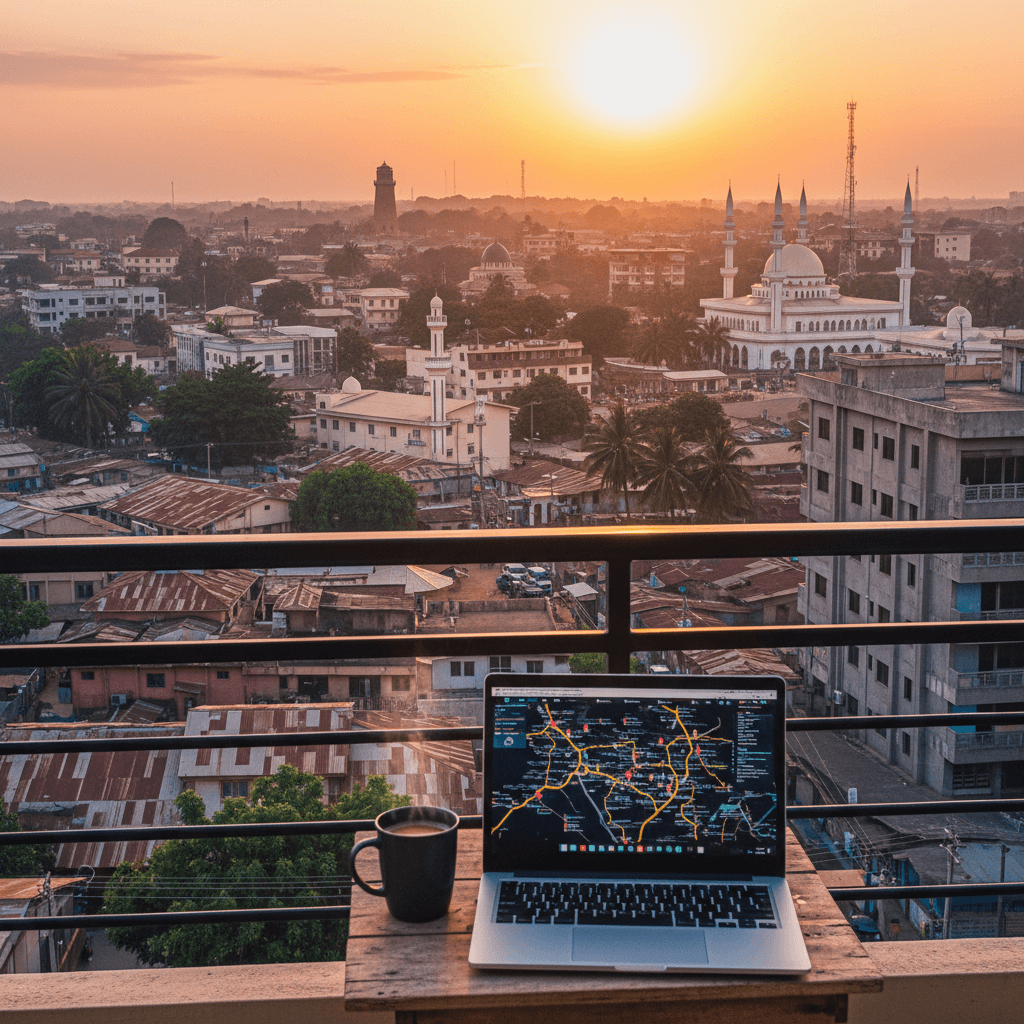
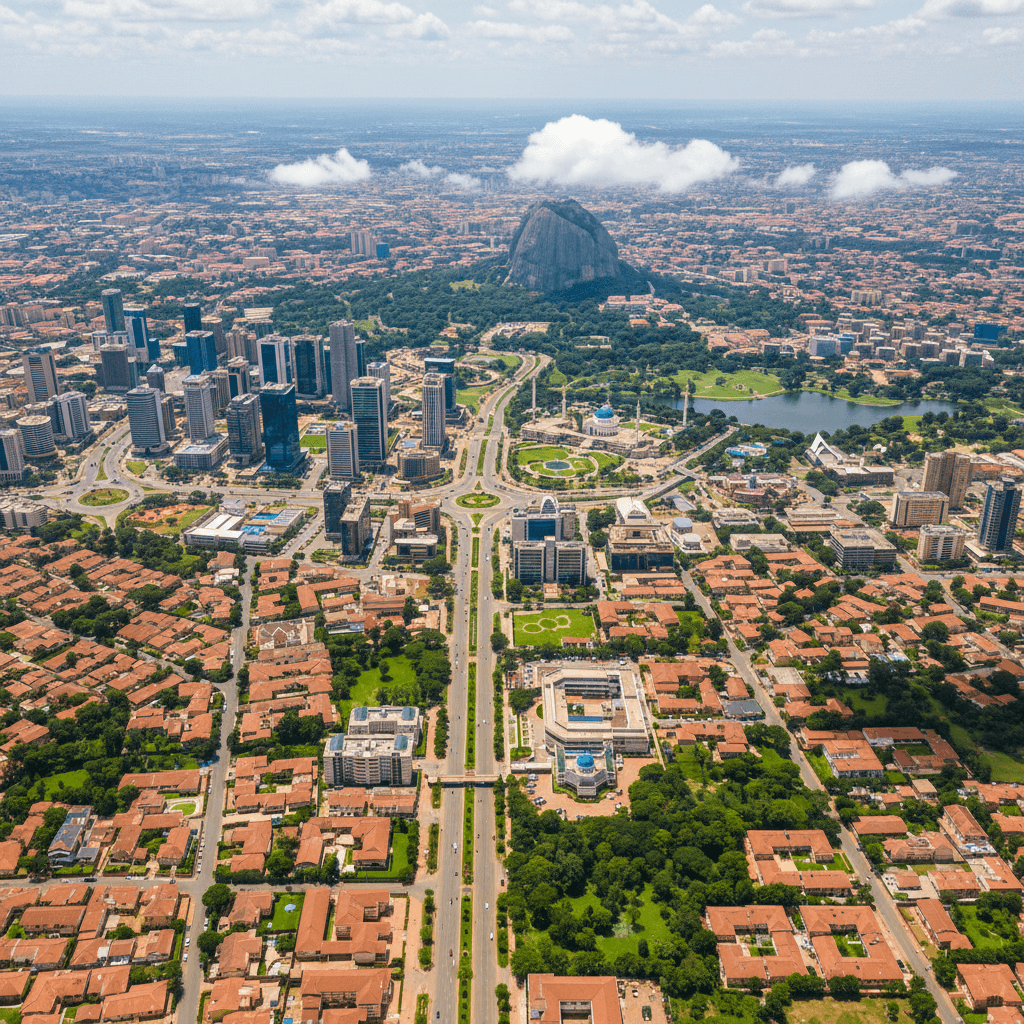
Abuja isn't Lagos. That's the first thing most people realize when they land and honestly, it's either a relief or a disappointment depending on what you came for. The streets are planned, the roundabouts actually function and you won't spend your first hour dodging okadas and market crowds. It's quieter, more deliberate, a city that feels like it was designed by committee rather than grown organically over centuries.
That design shows everywhere. Wide government boulevards, embassies behind high walls, suya smoke drifting past Lebanese restaurants in Wuse 2. There's something weirdly calm about it, the kind of calm that comes from a city whose population skews toward diplomats, civil servants and people who moved here for a job rather than a dream.
For nomads, the pitch is straightforward: lower crime than most West African capitals, a handful of decent coworking spaces and a cost of living that's manageable if you're not trying to live in Maitama. Budget around $1,000 to $1,500 a month for a comfortable setup, a one-bedroom in Jabi or Wuse 2, Bolt rides, mid-range meals and a coworking desk. Go upscale in Maitama and you're looking at $2,000 plus, easily.
The frustrations are real though. Internet averages 5 Mbps, which is, frankly, enough to make you want to scream during a video call. Power cuts are routine, not occasional, so any apartment without a generator is a gamble. The social scene is thin compared to Lagos; nightlife basically means Oso Lounge or a hotel bar, that's about it.
What you get instead is headspace. The dry season heat wraps around you like a blanket you didn't ask for, the harmattan wind carries a fine grit that coats everything by January, but the pace lets you actually think. Mornings in Jabi with a plate of masa and black tea feel genuinely unhurried, no chaos competing for your attention.
Abuja suits a specific kind of nomad: someone who wants stability over stimulation, who'd rather have clean streets and reliable Bolt pickups than the electric unpredictability of a city like Lagos. It's not for everyone, turns out most people either love it immediately or leave within a month.
Abuja isn't cheap. Most nomads land here expecting Lagos-level hustle prices and leave surprised by how quickly the bills add up in a city that looks orderly but charges accordingly for it.
A realistic monthly budget for a single nomad runs around $1,500 and that's mid-range living, not comfortable. Budget travelers can scrape by on $500 to $800 with shared housing, street food and public transport, but you'll feel the compromises. The sweet spot most nomads settle into is $1,000 to $1,500 a month, which gets you a decent one-bedroom in Jabi or Gwarinpa, Bolt rides instead of buses and the occasional sit-down dinner without guilt.
Rent is, honestly, where the tiers split hardest. Gwarinpa runs around ₦700,000 to ₦1,500,000 a month for a one-bedroom, it's spacious and genuinely affordable, but you're a long commute from everything. Wuse II, which is where most nomads actually want to be, costs closer to ₦1,400,000 a month and puts you walking distance from good food, coworking and the kind of street noise that reminds you you're in a real city. Maitama is the expat bubble, ₦2,500,000 a month and up, high security and international schools but priced like a different country.
Food is where Abuja genuinely rewards you. Street suya costs next to nothing, the smell of charcoal-grilled meat drifting off Wuse 2's side streets is hard to walk past and a full meal from a local spot runs $1 to $2. A mid-range dinner for two at a proper restaurant climbs to around $50, upscale goes higher from there.
Other costs to factor in:
- Transport: About $1 per Bolt trip for a standard 3km ride; InDriver lets you bid on fares and often beats surge pricing
- Coworking: Around $111 a month at a dedicated space; Büronetz is the most consistently recommended for reliable WiFi
- SIM data: MTN or Airtel, roughly $2 for 10GB, turns out that's the easy part of connectivity here
- Power backup: Budget for it; outages are frequent and coworkings with generators aren't optional, they're the baseline
The honest summary: Abuja rewards people who budget deliberately, it punishes people who assume "affordable Africa" without checking the numbers first.
Abuja's neighborhoods are, honestly, more distinct than you'd expect from a planned capital. Each one has a different feel, a different price point and a different crowd, so where you land matters more than people realize.
For Digital Nomads: Wuse II
This is the one. Wuse II is walkable by Abuja standards, packed with restaurants and close enough to coworking spots that you're not spending half your day in a Bolt. The smell of suya smoke from the street grills hits you around 6pm, the roads get loud with honking around rush hour and there's actual foot traffic, which is rare in this city.
Rent for a one-bedroom in Wuse II typically ranges from ₦700,000 to ₦2,000,000+ depending on amenities and exact location. Not cheap, but you're paying for convenience. The noise can grind on you after a few weeks, though, so it's not for light sleepers.
For Expats and Long-Term Residents: Maitama
Maitama is where diplomats and senior expats land and it shows. Security is tight, the streets are quiet and international schools are nearby. It's also, frankly, expensive enough to feel like a different city: one-bedrooms push ₦2,500,000 a month and everything around it prices accordingly.
If your company's covering the rent, great. If you're paying out of pocket, it's hard to justify when Wuse II gives you more life for less money.
For Families: Jabi and Life Camp
Jabi works well for families because Jabi Lake Mall is right there, the area feels modern and relatively calm and rents sit around ₦1,100,000 a month. Life Camp, turns out, is worth considering too, gated estates, quieter streets and a suburban pace that parents tend to prefer.
The commute into the city center is the real trade-off. Traffic on that corridor can be genuinely maddening during peak hours.
For Budget Travelers and Solo Nomads: Gwarinpa
Gwarinpa is spacious and relatively affordable at around ₦700,000 to ₦1,500,000 a month for a one-bedroom and surprisingly livable, it's just far from everything. You'll need Bolt or InDriver for most errands, there's no walking anywhere useful and the distance adds up both in time and transport costs.
Still, for longer stays on a tighter budget, it's the most sensible option in the city. Most nomads don't pick it first, but plenty stick around longer than planned.
Internet in Abuja has improved significantly. Average mobile speeds sit around 14-15 Mbps as of 2025-2026, though fixed-line broadband remains inconsistent, which is fine for email and Slack but can be challenging during a video call. Power cuts are frequent, so working from a cafe or apartment without backup power gets old fast.
The coworking scene, turns out, is one of the better surprises here. Büronetz is the most popular pick among nomads, calm atmosphere, reliable WiFi, the kind of place where you can actually focus. For drop-in days, the space at 22 Kumasi Crescent in Wuse 2 charges around ₦4,500 per day, which is reasonable, it's also conveniently close to most of the neighborhood's coffee shops and lunch spots. Kandi Close gets recommended a lot too, especially by longer-term expats who've tried a few options and settled there.
Budget around $111 a month if you're going coworking full-time. That's cheaper than most Southeast Asian capitals, so it's hard to complain too much.
For mobile data, MTN is the clear winner on speed, averaging around 18-25 Mbps depending on location and network conditions, significantly better than fixed-line options in most apartments. Airtel and Glo both work, they're just slower. A SIM costs almost nothing and a 10GB data pack runs about $2, pick one up at the airport or any phone shop in Wuse 2 and register it with your passport on the spot.
A few things to know before you set up your workspace:
- Backup power: Ask your accommodation specifically about generator hours. Some buildings run full backup, others give you four hours a day. The difference matters.
- Mobile hotspot: MTN's 4G is fast enough to hotspot through most video calls when fixed WiFi dies, keep data loaded at all times.
- Best neighborhoods for connectivity: Wuse 2 and Jabi have the densest concentration of coworking options and cafes with decent WiFi. Gwarinpa is cheaper to live in but you'll spend more time commuting to a reliable workspace.
- Coworking hours: Most spaces open around 8am and close by 8pm, weirdly strict about it, so late-night work sessions mean staying home.
It's not a digital nomad infrastructure powerhouse. But with a solid MTN SIM and a coworking membership, you can make it work without too much friction.
Abuja is, honestly, one of the safer capitals on the continent. Central neighborhoods like Maitama and Wuse II have low street crime and you'll rarely feel on edge walking around during the day. That said, don't get complacent.
The main threat most nomads encounter isn't violent crime, it's "one chance" scams: unmarked shared taxis that pick up additional passengers mid-route, sometimes ending badly. Stick to Bolt or Uber for all your rides, don't flag random cabs and avoid poorly lit streets after dark. Simple rules and they work.
A few specific things to watch:
- Ride safety: Always use Bolt or InDriver. Verify the plate before you get in.
- Isolated areas: Outskirts and unlit roads at night are where incidents happen. Stay central after dark.
- Emergency number: Police is 112. Save it before you need it.
Healthcare is where Abuja genuinely pulls ahead of most Nigerian cities. National Hospital Abuja is the top public option and handles serious cases well; Cedar Crest Hospital is the one expats and diplomats tend to recommend, with English-speaking staff and faster service. Pharmacies are everywhere, turns out and well-stocked for most standard medications.
Still, the honest advice is to carry solid travel insurance before you land. If something serious happens, you want the option to be evacuated or treated privately without watching your savings disappear. Local private care is decent, it's nowhere near what you'd get in Europe or the US though.
A few healthcare basics to sort before arrival:
- Vaccinations: Yellow fever is required for entry; typhoid, hepatitis A and malaria prophylaxis are strongly recommended.
- Malaria: Real risk here. Bring prophylaxis and pack DEET-based repellent, the mosquitoes during rainy season are relentless.
- Prescriptions: Bring enough supply from home, specific brands aren't always available locally.
- Insurance: SafetyWing or similar digital nomad policies cover most scenarios and run around $40-50 a month.
The rainy season, which peaks in August and September, brings standing water in lower-lying areas and that means more mosquitoes. It's manageable, just not something to ignore.
Ride-hailing is, honestly, how everyone gets around. Bolt and Uber both operate here and work well for airport transfers, cross-town trips and anything you wouldn't want to do on foot in the midday heat. A typical 3km ride runs about $1, which makes it easy to just tap and go rather than stress about routes or haggling.
InDriver is worth downloading too, it lets you bid on fares instead of accepting surge pricing, which can save real money during rush hour or rainy season when Bolt multipliers kick in. Most nomads keep all three apps on their phone, switching depending on wait times and price.
Public buses exist. That's about all that can be said for them. Routes are inconsistent, schedules aren't really a thing and they're not something most expats bother with beyond the occasional adventure. There's no metro, no tram, no bike-share system. Abuja is a car city, full stop.
Walkability is limited outside of a few pockets. Wuse II is the exception, where you can actually get between restaurants, cafes and shops without summoning a driver every time. Jabi around the lake mall is manageable too. Everywhere else, the roads are wide and the footpaths are often nonexistent, the heat alone makes a 10-minute walk feel punishing by 11am.
For airport runs, both Bolt and Uber have designated pickup zones at Nnamdi Azikiwe International, skip the touts outside arrivals who'll quote you three times the going rate. A ride into Maitama or Wuse II from the airport typically lands around $8 to $12 depending on traffic.
If you're staying longer than a few weeks, some expats hire a personal driver for around $300 to $400 a month, which, surprisingly, starts making sense once you factor in the time lost to app wait times and the stress of peak-hour Abuja traffic.
- Bolt/Uber: Best for most trips; $1 avg for short hops
- InDriver: Bid-based fares; good for avoiding surges
- Airport transfers: Use app pickup zones, not street touts
- Walking: Realistic only in Wuse II and around Jabi Lake
- Personal driver: Worth considering at $300 to $400/month for longer stays
English is the official language and you'll have no trouble communicating in business districts, hotels or coworking spaces. Proficiency is high, honestly higher than many expect, especially in Maitama, Wuse II and anywhere expats congregate regularly.
That said, Hausa is the dominant local language on the street, in markets and in casual conversation between Nigerians. You don't need it to get by, but learning a few words changes how people treat you, it signals respect and people notice immediately.
A handful of phrases worth memorizing:
- "Sannu" , hello (works as a general greeting, use it constantly)
- "Na gode" , thank you
- "Nawa ne?" , how much? (useful in markets and with street vendors)
- "Ina kwana?" , good morning, literally "how did you sleep?"
Drop a "Sannu" when you walk into a shop or approach a vendor and watch the whole interaction shift. Nigerians are, turns out, genuinely warm once you make even a small effort and that one word does more than you'd think.
Beyond Hausa, you'll also catch Yoruba and Igbo speakers around Abuja, given how many Nigerians from the south relocate here for government work. The city is a linguistic mix, it's not a Hausa-only environment by any stretch.
For written communication, signage and menus are in English without exception. Google Translate handles Hausa reasonably well for quick lookups, though the audio pronunciation feature is worth using before you attempt anything in public.
One practical note: Nigerians communicate with a directness that can catch people off guard. Bargaining in Wuse Market or Garki Market isn't aggressive, it's just expected and a flat refusal to negotiate reads as rude rather than firm. Go in knowing your price, counter calmly and don't overthink it.
Phone calls are preferred over texts in many business contexts here, especially with landlords, drivers and local vendors. WhatsApp is, frankly, the universal communication platform, most Abuja contacts will expect to reach you there rather than through email or SMS.
Abuja is hot. Year-round, consistently, relentlessly hot, with temperatures sitting between 30 and 36°C (86 to 97°F) no matter what month you land. The question isn't really whether it'll be warm, it's whether you'll be dealing with that heat alongside torrential rain or a dry, gritty harmattan wind that coats everything in fine dust and makes your skin feel like sandpaper.
The city runs on two seasons. Dry season stretches from October through May, rainy season takes over from June through September. Most nomads, honestly, plan around this without even thinking twice once they've checked the calendar.
Best Time to Visit
December through February is the sweet spot. Temperatures hover around 30 to 34°C, there's almost no rain (January sees roughly 1mm total) and the city has an energy to it during the holidays. Nights can actually feel cool by Nigerian standards, cool enough that you'll want a light layer if you're out late in Wuse II. The harmattan haze rolls in during these months, the air smells faintly of dust and dry earth, but it's manageable.
March through May heats up fast, humidity starts building, you'll feel the shift before the rains actually arrive. Still workable, still dry enough, just less comfortable than the peak months.
When to Avoid
July through September is genuinely rough. August alone averages 324mm of rain across roughly 24 days, the streets flood, Bolt surge pricing spikes and getting anywhere takes twice as long. September can actually be wetter than August, with around 319mm, the rain hammers corrugated rooftops so loud you can't hear yourself on a call. Coworking spaces fill up because nobody wants to sit in a waterlogged apartment waiting for the power to come back on.
- Dec to Feb: Best overall. Dry, warm, low rain, great energy in the city.
- Mar to May: Fine for visits, gets progressively hotter and muggier toward May.
- Jun to Sep: Rainy season. Expect flooding, delays and daily downpours.
- Oct to Nov: Rains taper off, turns out this is an underrated window that most travelers overlook.
If you're flexible, book December. If you're stuck with a rainy season trip, pack waterproof sandals, not an umbrella, the wind makes umbrellas useless anyway.
Abuja runs on a different rhythm than most African capitals and a little prep goes a long way. Get a SIM card at the airport the moment you land. MTN is, honestly, the best call for speed, averaging around 36 Mbps on a good day, while Airtel and Glo are cheaper alternatives at roughly $2 for 10GB. Register with your passport, it's straightforward, takes about ten minutes.
Power cuts are frequent and genuinely annoying. Most coworking spaces like Büronetz in Wuse 2 run backup generators, so working from your apartment without a UPS or inverter setup will cost you hours of productivity you won't get back. Plan around it, don't fight it.
For banking, skip the long queues at traditional banks if you can. Fintech apps like Cowry and Touch and Pay handle most daily transactions without the headache and most expats find they barely need a physical bank visit after the first week.
Getting around is almost entirely ride-hailing. Bolt and Uber cover the city well, a 3km trip runs about $1 and InDriver lets you bid on fares which, surprisingly, can save you real money during surge hours. There's no meaningful public transit and walkability outside of Wuse 2 or Jabi is poor, so factor transport costs into your budget from the start.
A few cultural things to keep in mind:
- Greetings matter: Open with "Sannu" and take a moment before getting to business. Rushing feels rude here.
- Dress modestly: Especially outside the expat-heavy neighborhoods. It's not a strict rule, but locals notice.
- Tipping: 10% at restaurants is the standard expectation, not a negotiation, skipping it will get you slow service next time.
- Avoid random cabs: "One chance" robberies happen in unmarked taxis. Stick to Bolt and Uber, full stop.
Weather shapes your plans more than you'd expect. December through February is dry and turns out to be the most comfortable stretch, sitting around 30 to 34°C. July through September brings heavy rain, 24 wet days in August alone, so pack accordingly and accept that afternoon plans sometimes dissolve into a downpour.
For day trips, Zuma Rock is close and worth a half-day. It's not spectacular, but it's genuinely striking up close.
Need visa and immigration info for Nigeria?
🇳🇬 View Nigeria Country GuideHidden Gem
Worth the effort
Monthly Budget Estimates
More cities in Nigeria
Uyo
🇳🇬 Nigeria
Akure
🇳🇬 Nigeria
Port Harcourt
🇳🇬 Nigeria